San Francisco Dining Scene Scores Two Major James Beard Wins

James Beard recognition returned San Francisco to the center of U.S. dining conversation after two San Francisco hospitality figures won national honors at the 2026 Restaurant and Chef Awards.

The wins, announced June 15 in Chicago, placed chef Michael Tusk of Quince and bartender-owner Kevin Diedrich of Pacific Cocktail Haven among the night’s most closely watched honorees. Tusk was named Outstanding Chef, while Diedrich received Outstanding Professional in Cocktail Service.

For San Francisco, the result brought two awards in categories that reach beyond a single dining room. One honored a chef tied to California fine dining. The other recognized a bar professional whose Union Square-area cocktail program has built a following through Pacific flavors, detailed service, and a team-first identity.

The double win came after a crowded awards season for the Bay Area. Several San Francisco and Oakland names entered the finalist round, including chefs, restaurateurs, restaurants, and bar programs. Only two San Francisco finalists left with medals, giving the night a local edge.

James Beard Win Puts Quince Back in the National Frame

Tusk’s Outstanding Chef award gave Quince one of the ceremony’s central chef honors. The category recognized individual culinary leadership, and Tusk’s win placed a San Francisco fine-dining veteran in a competitive national field.

Quince, opened by Michael and Lindsay Tusk in 2003, has been part of San Francisco’s fine-dining identity for more than two decades. The restaurant later moved to Jackson Square, where it became linked with polished tasting-menu service, California produce, and Italian-influenced technique.

The restaurant’s public profile has been shaped by precision rather than volume. Quince is known for an ever-changing menu and a dining format that places close attention on ingredients, service, and pacing. That type of restaurant can be difficult to summarize in a single awards moment, but the James Beard win gives the broader public a clear marker of where the restaurant stands in the national field.

Tusk’s win also added a new chapter to a career often tied to San Francisco’s connection with regional farms, seasonal menus, and European technique. The award did not create that reputation, but it may bring renewed attention to how Quince has maintained its place during a period of high operating costs and intense national competition.

James Beard Cocktail Honor Lands at Pacific Cocktail Haven

Diedrich’s win for Outstanding Professional in Cocktail Service brought equal attention to San Francisco’s bar scene. Pacific Cocktail Haven, widely known as PCH, was founded in 2016 and has become a recognizable stop near Union Square for cocktails that draw from Asia-Pacific ingredients and references.

The award category focuses on professional excellence in cocktail service rather than a single drink or menu. That distinction matters for PCH, where the public identity has often centered on the team behind the bar as much as the cocktails themselves.

PCH has built much of its reputation through bright, layered drinks and a menu that can move from tropical flavors to sharper spirits without losing its house style. The bar has also been tied to a comeback story. After a 2021 fire damaged the original space, the business returned in a new location and kept its name, crew-driven identity, and cocktail approach intact.

Diedrich’s win gives San Francisco a national bar honor at a time when cocktail programs are increasingly judged on hospitality, consistency, and cultural point of view. For PCH, the medal may introduce more national readers to a bar that local drinkers and industry watchers have followed for years.

Two Wins, Two Different Sides of San Francisco Dining

The San Francisco wins stood out because they came from different corners of hospitality. Quince represents the city’s tasting-menu tradition, with a controlled dining experience built around detail and seasonal sourcing. PCH represents a more flexible side of the city’s food and drink culture, where a bar can become a destination through flavor, service, and atmosphere.

Together, the awards showed how San Francisco continues to appear in national dining conversations through more than one format. A chef honor at Quince reinforced San Francisco’s fine-dining standing, while a cocktail-service honor at PCH pointed to the strength of its bar community. Neither result needs to be overstated to carry weight.

For local diners, the wins may also sharpen attention on the range of venues shaping the city’s reputation. San Francisco’s dining scene has long included tasting counters, neighborhood restaurants, bakery-cafes, wine bars, and cocktail rooms operating at different price points. The James Beard results placed two very different establishments under the same national spotlight.

That contrast helped make the city’s showing clear. Quince and Pacific Cocktail Haven do not serve the same occasion, audience, or dining format. Their shared recognition suggests that San Francisco’s strongest hospitality stories are not limited to one style of service.

Bay Area Finalists Helped Set the Stage

Before the winners were announced, the Bay Area entered the 2026 awards with a broader group of finalists. The list included Srijith Gopinathan and Ayesha Thapar of Cal-India Collective for Outstanding Restaurateur, Harrison Cheney of Sons & Daughters for Best Chef: California, and Sarah Cooper and Alan Hsu of Sun Moon Studio in Oakland in the same regional category.

Smuggler’s Cove in San Francisco was also a finalist for Outstanding Bar, adding another beverage name to the region’s awards presence. Those finalists did not win their categories, but their placement gave the Bay Area visibility across restaurant ownership, chef-driven dining, and bar service.

That spread is part of what made the final result notable. San Francisco did not sweep the awards, and the city’s wins were not concentrated in one type of venue. Instead, the recognition landed at a high-end restaurant and at a cocktail bar shaped by a distinct flavor perspective.

During a national awards cycle filled with restaurants from several dining markets, San Francisco’s two wins kept the city near the center of the conversation. For diners outside the Bay Area, the results offered two clear names to know: Quince and Pacific Cocktail Haven.

How to Choose the Right Publishing Path for Your Book

One of the first and most important decisions an author makes has nothing to do with the writing itself. It is deciding how the book will be published. The publishing path an author chooses affects who controls the book, how long it takes to reach readers, how much the author earns, what kind of support they receive, and how much ownership they keep. Yet many authors begin this decision with only a basic understanding of the options.

Choosing between traditional publishing, self-publishing, and hybrid publishing requires clarity. Each path offers different advantages, responsibilities, and trade-offs. The right choice depends on the author’s goals, timeline, budget, desired level of control, and expectations for author rights and royalties. This article explains the major publishing paths, how they work, and how authors can choose the route that best fits their book.

The Three Main Publishing Paths

Authors generally have three major routes to publication. Traditional publishing involves signing with a publishing house that handles much of the production, distribution, and publishing process in exchange for control over the book’s rights and a large share of the royalties. Self-publishing gives the author full ownership and control, but also places the responsibility of editing, formatting, cover design, publishing, and marketing on the author.

Hybrid publishing and assisted publishing services sit between these two paths. In this model, authors pay for professional publishing support while keeping ownership of their work. A self-publishing company can help with editing, formatting, cover design, publishing setup, distribution, and book marketing services while allowing the author to keep 100% of their rights and royalties.

Traditional Publishing: Prestige With Trade-Offs

Traditional publishing can offer credibility, industry connections, professional production, and potential access to wider bookstore distribution. For some authors, signing with an established publisher is appealing because the publisher carries the production costs and manages many parts of the process.

However, traditional publishing also comes with serious trade-offs. The process can be slow and highly competitive, often requiring a literary agent and a long submission timeline. Even after securing a deal, authors usually give up significant control over the cover, title, pricing, release schedule, and marketing direction. They also receive only a portion of the royalties because the publisher owns or controls key rights.

For authors who value prestige and are willing to trade control and earnings for a traditional deal, this path may make sense. But for writers who want to protect author rights and royalties, move faster, and remain involved in major decisions, another path may be a better fit.

Self-Publishing: Control, Speed, and Ownership

Self-publishing gives authors the freedom to publish on their own terms. The author controls the manuscript, cover, title, pricing, release date, and creative direction. They also retain full ownership of their work and keep their royalties. For authors who want independence, faster timelines, and direct access to readers, self-publishing services can be highly attractive.

The challenge is that self-publishing requires professional execution. A book still needs editing, formatting, cover design, publishing setup, metadata, distribution, and marketing. Without the right support, a self-published book can look unfinished or amateur, even if the content is strong.

This is why many authors choose professional publishing support. With the right team, authors can self-publish professionally without having to manage every technical and creative stage alone. Lumera Publishing helps authors publish a book professionally while keeping control, ownership, and 100% of their rights and royalties.

Hybrid Publishing and Assisted Publishing Services

Hybrid publishing and assisted publishing services offer a middle road for authors who want professional results without giving up ownership. Instead of waiting for a traditional publishing deal or handling everything alone, authors work with a publishing partner that provides the services needed to prepare and release the book.

This path can include manuscript editing, book formatting, custom cover design, publishing setup, distribution support, and book marketing services. The author pays for the services but keeps the rights and royalties. For many writers, this model offers the right balance between professional quality and full author control.

The key is choosing the right partner. A trustworthy self-publishing company should be transparent about pricing, deliverables, ownership, and royalties. The author should understand exactly what they are paying for and should remain the owner of the finished book.

The Questions That Help You Choose

The right publishing path depends on the author’s priorities. Before choosing, authors should ask themselves a few honest questions. Do you want full control over your book? Do you want to keep your rights and royalties? Are you willing to wait for a traditional deal? Do you need professional publishing support? Do you want to manage the entire process yourself, or would you rather work with a team?

If an author wants prestige from a traditional house and is willing to give up control and a share of earnings, traditional publishing may be the right choice. If an author wants full independence and is ready to manage the process, self-publishing may be the answer. If an author wants professional guidance while keeping ownership, hybrid publishing or assisted publishing services may be the strongest fit.

How Lumera Publishing Supports Authors

Lumera Publishing helps authors who want professional publishing support without surrendering ownership of their work. The company provides book publishing services, editing, formatting, cover design, publishing, distribution, and book marketing services on a fee-based model. This allows authors to publish a book professionally while keeping 100% of their rights and royalties.

For authors who want the benefits of self-publishing but do not want to handle every stage alone, Lumera Publishing offers a practical solution. The author remains in control, while a professional team helps bring the manuscript to publication-ready quality. This gives authors the support they need without the loss of ownership that often comes with traditional publishing.

Choosing the Right Path With Confidence

There is no single correct way to publish a book. Traditional publishing, self-publishing, hybrid publishing, and assisted publishing services all serve different types of authors. The best choice depends on what matters most: control, speed, ownership, professional support, royalties, distribution, or long-term brand growth.

Authors who want to publish a book professionally while keeping control of their work can benefit from choosing a full-service publishing partner. Lumera Publishing helps writers move from manuscript to finished book with professional quality, clear support, and full author ownership. For authors who want to protect their rights, keep their royalties, and release a polished book, the right publishing path may be the one that combines professional support with complete author control.

About Lumera Publishing

Lumera Publishing is a full-service, fee-based book publishing company based in New York, USA. The company offers ghostwriting, editing, formatting, cover design, publishing, book publishing services, self-publishing services, assisted publishing services, and book marketing services for authors across every genre. Lumera Publishing helps writers self-publish professionally, publish a book professionally, and keep 100% of their rights and royalties. Learn more at lumerapublishing.com or call +1 (888) 477-8199. Media contact: info@lumerapublishing.com.

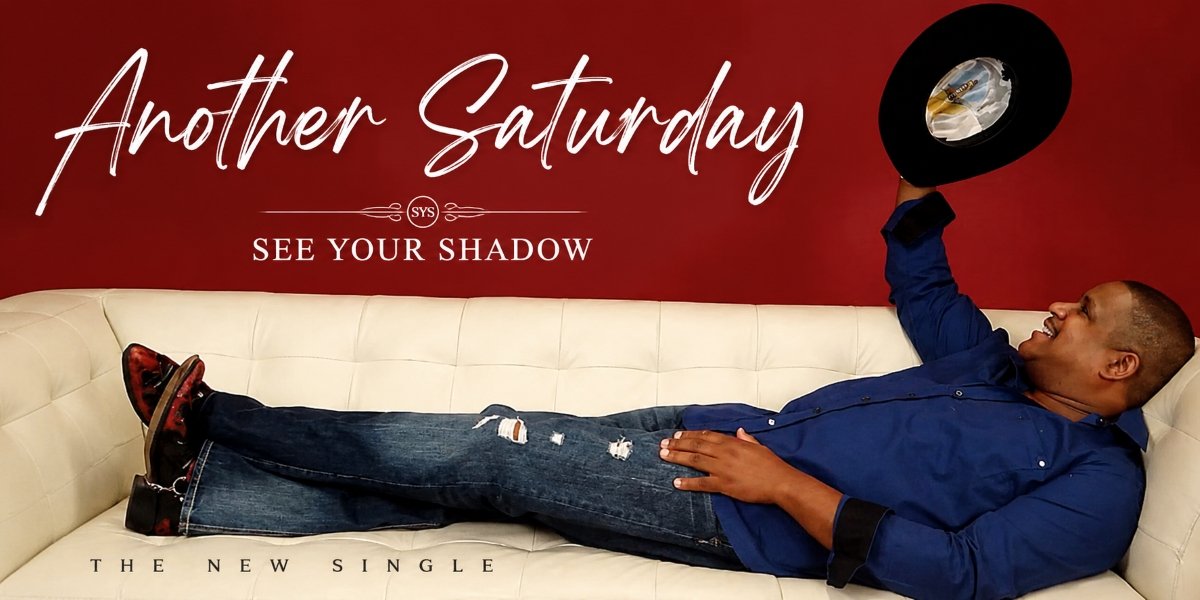
The Long Night Between Heartbreak and Hope in See Your Shadow’s ‘Another Saturday’

There’s a particular kind of country song that doesn’t really belong to country music anymore.

Not because the genre abandoned it completely, but because modern country has become increasingly fascinated with certainty: certainty of identity, certainty of purpose, certainty of belonging. The heroes know who they are. The villains know who they are. The heartbreaks arrive on schedule and leave before the chorus ends.

“Another Saturday,” the latest single from See Your Shadow, exists in a far more complicated emotional universe.

Led by songwriter, producer, and Artistic Director Michael Coleman, See Your Shadow has quietly become one of independent music’s most intriguing storytelling projects. The Arizona-based collective has amassed an impressive string of accomplishments—multiple industry awards and eight consecutive chart-topping singles among them—but statistics feel oddly irrelevant when discussing the project. What matters is the emotional terrain Coleman continues to explore.

And “Another Saturday” may be his most emotionally revealing work yet.

The song follows a woman waking beside another stranger after another forgettable night, trapped inside a cycle of loneliness she can neither escape nor fully understand. The premise sounds familiar enough, but Coleman approaches it from an unexpected angle. He isn’t interested in judgment. He isn’t interested in redemption either. Instead, he focuses on the emotional limbo that exists between those extremes.

The woman at the center of “Another Saturday” isn’t reckless.

She’s exhausted.

That distinction changes everything.

The song’s most devastating lyric arrives in the chorus: “Right now she’s not anybody’s girl / Though she used to be someone’s wife.” It’s the kind of line that country music has historically excelled at—simple enough to sing along with, complicated enough to linger long after the song ends. In a few words, Coleman captures the collapse of identity that often follows heartbreak. This isn’t simply about losing a relationship. It’s about losing the version of yourself that the relationship helped create.

Throughout the song, Coleman demonstrates a novelist’s eye for detail. Regrets wash down the drain after a shower. Faded memories stare back from the mirror. A closet becomes a symbol of reinvention and disappointment all at once. These images are small, almost mundane, but they accumulate into something larger: a portrait of emotional survival.

And survival is really what “Another Saturday” is about.

The song resists the temptation to offer easy answers. There’s no dramatic breakthrough waiting around the corner. No cinematic revelation. No triumphant declaration of independence. The protagonist simply continues moving through her life, carrying her wounds with her.

That honesty feels surprisingly radical.

Musically, the arrangement reflects the emotional restraint of the lyric. The production is polished without becoming glossy, allowing the story to remain the focal point. There’s a late-night atmosphere hanging over the track, a sense of quiet reflection rather than overt drama. The vocal performance serves the song rather than competing with it.

What makes See Your Shadow compelling is that the project consistently prioritizes emotional complexity over easy sentiment. Coleman writes songs that trust listeners to sit with discomfort. He understands that real life rarely offers clean conclusions, and his songwriting reflects that reality.

That perspective has helped define See Your Shadow’s remarkable rise. The project has earned recognition as Best New Country Band at the New Music Weekly Awards, Best Country Duo or Group at the Independent Music Network Awards, Band of the Year at the Who’s Who Country Music Awards, and Alternative Group of the Year at the Prayze Factor Awards. Yet the awards tell only part of the story.

The larger achievement is the creation of a catalog built around empathy.

Coleman’s songs repeatedly return to questions of identity, loneliness, faith, resilience, and connection. Whether writing about grief in “I Will Tell Jesus You Said Hello” or emotional isolation in “Another Saturday,” he approaches his characters with compassion rather than certainty.

That quality is increasingly rare.

In a cultural moment obsessed with hot takes and instant conclusions, See Your Shadow remains interested in ambiguity. The project understands that people are often contradictions—strong and fragile, hopeful and defeated, lost and searching all at once.

“Another Saturday” lives inside those contradictions.

And that’s precisely why it works.

It’s not a song about having the answers. It’s a song about what happens when the questions refuse to go away.

Sometimes, that’s the more honest story.