Weezle Marketing: Empowering Businesses with Innovative Marketing Solutions

Marketing plays a pivotal role in helping businesses grow, adapt, and thrive in today’s competitive landscape. As digital trends evolve rapidly, business owners are looking for strategies and tools that can not only enhance their online presence but also streamline their marketing efforts. This is where Weezle Marketing shines—offering personalized, results-driven marketing solutions designed to fit the unique needs of each client. With over a decade of experience, Weezle Marketing has successfully supported businesses in their journey to connect with their target audience and achieve measurable success.

A Decade of Helping Businesses Succeed Online

For the past ten years, Weezle Marketing has been at the forefront of digital marketing, offering customized strategies and solutions that cater to the specific needs of each client. From small businesses looking to make their mark to larger enterprises aiming to scale, Weezle Marketing has been the trusted partner for businesses seeking sustainable growth.

Throughout its years in business, Weezle has prided itself on its ability to form meaningful relationships with clients, ensuring that they are heard and understood. The approach to client communication is unique—providing direct, accessible contact through various channels, including text messages. This personalized communication style ensures that clients are always in the loop and have the support they need to move their marketing campaigns forward.

The company’s focus on long-term relationships over transactional engagements has allowed it to build a loyal client base that spans diverse industries. Whether clients are launching new products, entering new markets, or seeking to improve customer engagement, Weezle Marketing has consistently provided the tools and strategies needed to drive success.

The Power of Human Touch in a Tech-Driven World

In a world where automation and artificial intelligence are taking over many aspects of business, Weezle Marketing stays grounded in its commitment to maintaining a human approach. While leveraging advanced technologies such as AI, geolocation tools, and large language models (LLMs) to enhance marketing efficiency, Weezle recognizes the importance of maintaining authentic, personal connections with clients.

The combination of human touch and technological tools enables Weezle to deliver highly tailored marketing solutions that meet each client’s specific needs. The company’s ability to integrate AI and automation into campaigns while still prioritizing clear communication and responsiveness has set it apart in a competitive industry.

AI-driven tools help Weezle’s team quickly analyze large datasets, providing insights that inform decision-making. Geolocation technologies are used to target local customers more effectively, ensuring that marketing efforts reach the right audience at the right time. Furthermore, large language models allow the creation of more personalized and impactful content, which resonates with audiences on a deeper level.

The careful balance of human intuition and cutting-edge technology helps Weezle deliver highly efficient and effective marketing campaigns that are both impactful and aligned with clients’ objectives.

Innovative Solutions Tailored to Every Business

Every business has unique needs, and Weezle Marketing understands that a one-size-fits-all approach doesn’t work. This is why Weezle takes the time to understand its clients’ goals, challenges, and target audiences. By doing so, the team can craft personalized marketing strategies that are tailored specifically to each client’s objectives.

The company offers a broad spectrum of services, including search engine optimization (SEO), social media marketing, content creation, email marketing, paid advertising, and more. These services can be bundled into comprehensive marketing packages or customized to meet the specific requirements of the business.

For small businesses looking to expand locally, Weezle Marketing provides solutions that help build strong connections within the community. Their expertise in local SEO ensures that businesses appear in relevant search results, allowing them to stand out among competitors and attract more customers. The ability to connect with local customers effectively is crucial for small businesses aiming to grow their customer base and establish a strong presence in their region.

In addition to traditional marketing tactics, Weezle also emphasizes data-driven decision-making. By utilizing analytics tools and monitoring campaign performance, Weezle ensures that marketing efforts are continuously optimized. This focus on results helps clients understand the value of their investments and ensures that marketing dollars are being spent efficiently.

Why Choose Weezle Marketing?

There are several key reasons why businesses choose Weezle Marketing as their trusted marketing partner:

1. Experience and Expertise

With over ten years in the marketing industry, Weezle Marketing has honed its skills and developed deep industry knowledge. This experience enables the team to provide insights and strategies that are proven to work.

2. Human-Centric Approach

Weezle Marketing places a high value on personalized communication. Clients appreciate the ability to speak directly with the team and receive responses in a timely manner. The company’s commitment to a human touch, despite its use of advanced technology, is a key differentiator.

3. Data-Driven Strategies

At Weezle, decisions are based on data. By using advanced analytics and tracking tools, the company ensures that marketing efforts are optimized for maximum impact and return on investment (ROI).

4. Comprehensive Marketing Solutions

Weezle Marketing offers a range of services that can be customized to meet the specific needs of each business. Whether a business requires a simple website refresh or a full-scale digital marketing strategy, Weezle provides the right solution.

5. Local Expertise

For businesses looking to grow within a specific geographic area, Weezle Marketing offers targeted solutions that help them connect with local customers. With expertise in local SEO and geo-targeting, businesses can effectively engage with the community and drive foot traffic.

6. Cutting-Edge Technology

Weezle stays on the cutting edge of digital marketing trends by utilizing the latest tools and technologies. From AI-driven content creation to geolocation targeting, Weezle ensures its clients benefit from the most advanced marketing solutions available.

Weezle Marketing: A Brand That Delivers Results

Weezle Marketing’s success stems from its unwavering commitment to its clients’ success. By leveraging technology, maintaining human communication, and offering customized solutions, Weezle empowers businesses to reach their goals and grow in an increasingly digital world.

As the company continues to grow, its focus remains on delivering value to clients and helping businesses navigate the complexities of digital marketing. Whether you’re looking to enhance your online presence, attract more customers, or improve your marketing ROI, Weezle Marketing is ready to help you take your business to the next level.

For more information on how Weezle Marketing can assist with your business’s marketing needs, visit their website at www.weezle.com, explore their all-in-one marketing platform, or schedule a consultation with Austin Pray. Additionally, small businesses looking to connect and grow locally can explore the marketing solutions offered in San Francisco.
San Francisco Blackout Reveals Limits of Robotaxi Technology

San Francisco blackout reveals robotaxi limits and infrastructure gaps

The recent large-scale power failure in San Francisco has provided a critical stress test for the future of autonomous transportation. On December 20, 2025, a major fire at a PG&E substation near 8th and Mission Streets knocked out electricity to approximately 130,000 customers, plunging roughly one-third of the city into darkness. Among the most visible casualties of the event was the robotaxi fleet, which faced significant operational challenges when traffic signals across dozens of neighborhoods went dark. This incident has sparked a necessary dialogue among urban planners and tech executives regarding the reliability of driverless systems during infrastructure crises.

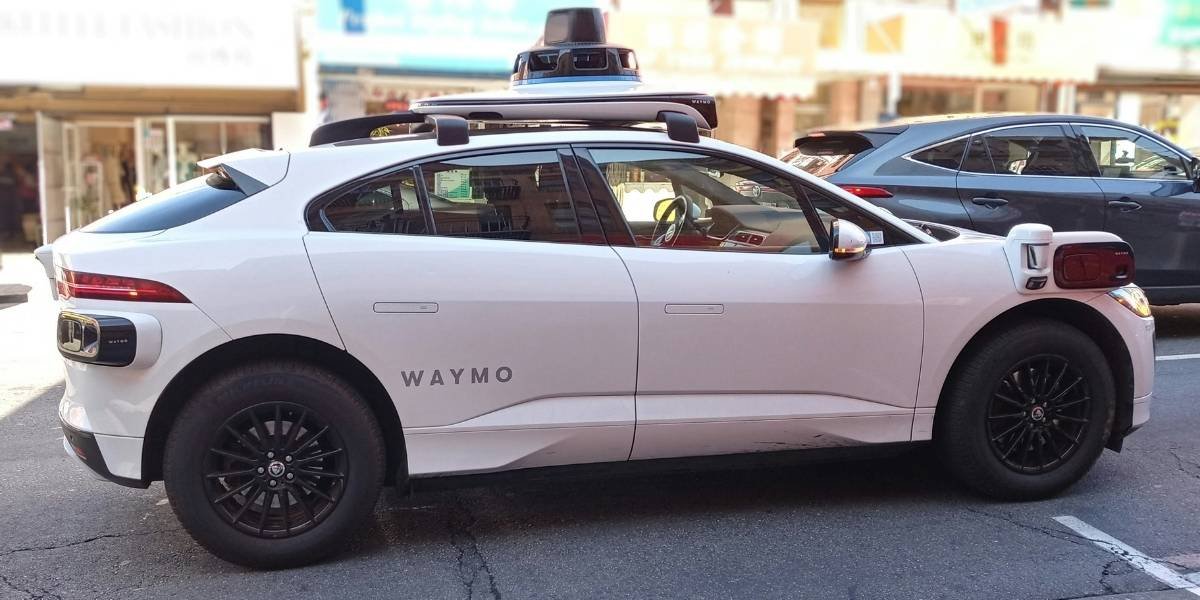
When traffic lights failed, hundreds of autonomous vehicles were forced to rely on their pre-programmed safety protocols. The Waymo fleet is designed to treat non-functioning signals as four-way stops, a logic that typically ensures safety during minor outages. However, the sheer scale of the December outage created a level of “traffic friction” that the system struggled to navigate effectively. Many vehicles remained stationary at intersections for extended periods as they attempted to confirm the state of the surrounding environment, leading to localized gridlock and blocking emergency access routes.

Mayor Daniel Lurie addressed the city during the height of the crisis, urging residents to stay off the roads as police and parking control officers worked to manage the chaos. The financial impact of the blackout, while still being calculated, is expected to reach tens of millions in lost retail productivity and emergency response costs. For the robotaxi industry, the event serves as a high-profile reminder that even the most advanced AI is still deeply dependent on the stability of the physical world. While no accidents were reported, the public nature of the fleet’s struggle has highlighted a significant gap in current autonomous resilience.

Technical barriers for a robotaxi during citywide power failures

The technical failure of the autonomous fleet during the blackout was not a result of a software crash, but rather a byproduct of safety-first programming. In a standard four-way stop scenario, a human driver uses subtle cues—such as eye contact with other drivers or the waving of a hand—to coordinate right-of-way. A robotaxi lacks these social negotiation skills and instead waits for a clear, sensor-validated opening before moving. When every vehicle at a busy intersection is waiting for a perfect signal, the result is a stalemate that can paralyze entire city blocks.

Furthermore, the outage likely affected the cellular networks that provide the data links necessary for remote assistance. Most autonomous systems utilize a “mothership” connection to receive guidance from human operators when they encounter ambiguous situations. Without a stable high-speed connection, the vehicles defaulted to their most conservative “stop-and-wait” behavior. This created a situation where the cars were technically operating safely but were practically useless for maintaining the flow of city traffic during a time of peak demand.

Building a more resilient fleet will require a shift toward decentralized decision-making that does not rely on cloud connectivity or active traffic signals. Industry experts suggest that future designs must incorporate better vehicle-to-vehicle communication to allow robotaxis to coordinate their own intersections without external guidance. This “hive mind” approach would allow the fleet to maintain movement even when the surrounding digital infrastructure is offline. Until these upgrades are implemented, the industry remains vulnerable to the cascading effects of a localized gridlock during any significant utility failure.

Public trust and the impact of visible robotaxi malfunctions

Public perception of autonomous technology is often shaped by highly visible moments of failure rather than millions of miles of safe operation. During the blackout, social media was flooded with images of stationary driverless SUVs flashing their hazard lights in the middle of busy intersections. These images created a narrative of technological fragility that can be difficult for companies to counter with technical data alone. For the average resident, a robotaxi that blocks a lane during an emergency is seen as a liability regardless of its safety record.

Rebuilding confidence will require more than just technical fixes; it will require a transparent effort to integrate these vehicles into citywide emergency planning. Mayor Lurie and other city officials have expressed the need for better “manual override” capabilities that allow first responders to move stalled vehicles quickly. The current inability of parking control officers to easily relocate a “frozen” car is a major point of contention for local regulators. Addressing these logistical hurdles is essential for ensuring that the technology remains a welcome addition to the urban landscape.

The California Public Utilities Commission has already opened an inquiry into the incident to determine how the fleet’s behavior contributed to the overall congestion. This investigation will likely result in new requirements for autonomous operators to prove their resilience during infrastructure failures. Companies may be required to maintain battery-backed communication relays or implement more aggressive fallback maneuvers for dark intersections. These regulatory shifts are a necessary step toward turning the robotaxi from a high-tech experiment into a reliable component of public transit.

Economic consequences of the San Francisco power outage

The timing of the substation fire, occurring just days before Christmas, maximized the economic disruption for local businesses. Major commercial districts in the Richmond and Sunset neighborhoods saw hundreds of stores forced to close during one of the most profitable shopping weekends of the year. The lack of functioning traffic signals made it nearly impossible for delivery vehicles and shoppers to navigate the city, leading to a massive drop in foot traffic. The robotaxi suspension further limited transportation options for residents who have come to rely on the service as an alternative to owning a car.

PG&E has announced that it will provide automatic credits to affected customers, but these small payments are unlikely to cover the full extent of the business losses. The event has reignited calls for a major investment in the city’s aging electrical grid to prevent similar substation fires in the future. For the tech sector, the outage serves as a wake-up call that “smart city” ambitions are only as strong as the basic utilities that power them. Ensuring that critical infrastructure can withstand the demands of a high-tech economy is a primary challenge for the coming decade.

Future urban planning may see a push for “grid-resilient” traffic signals that include their own battery backups and V2X communication links. This would allow the city’s signals to stay online for several hours after a power loss, providing the digital data that a robotaxi needs to function. While these upgrades are expensive, the cost of a citywide standstill is far higher in the long run. The integration of resilient hardware with autonomous software is the only path toward a truly dependable transportation network.

The future of autonomous mobility in resilient cities

The San Francisco blackout has demonstrated that the path to full autonomy is not a straight line but a series of complex adaptations to real-world messiness. While the technology has proven it can handle “sunny-day” driving, the next frontier is proving its reliability during the worst-case scenarios. This requires a shift in focus from the intelligence of the individual car to the resilience of the entire mobility ecosystem. Successful implementation will depend on a partnership between private tech firms and public utility providers to create a redundant and robust infrastructure.

As other cities look to deploy their own autonomous fleets, they will likely use the San Francisco experience as a blueprint for their own safety regulations. We may see new mandates for “emergency mode” programming that allows vehicles to seek a safe parking spot immediately upon detecting a network or signal failure. These proactive measures would ensure that even if the service is suspended, the cars do not become a physical obstacle for others on the road. The goal is to create a system that fails “gracefully” without causing a secondary crisis for the city.

Mohamed Fala: Why He Believes Some Opportunities Are Worth Saying No To

In the fast-paced world of modern business, the pressure to say “yes” is immense. Yes to growth, yes to expansion, yes to the next big deal. But for Mohamed Fala, the founder of Caribbean World Resorts, the most important word in the vocabulary of a leader is not “yes,” but “no.” He is a man who has built his career on a foundation of disciplined and principled decision-making, a leader who has understood that the opportunities you say “no” to are often more important than the ones you say “yes” to. His story is a powerful lesson in the art of strategic restraint, a reminder that sometimes, the most powerful move a leader can make is to do nothing at all.

Mohamed Fala: Why He Believes Some Opportunities Are Worth Saying No To

Photo Courtesy: 10x Experts

Mr. Fala’s philosophy of “no” is not about negativity or a lack of ambition. It is about clarity. It is about having a deep and unwavering understanding of who you are, what you stand for, and where you are going. It is about having a vision that is so clear and so compelling that it acts as a filter, a lens through which you can evaluate every opportunity that comes your way. “If an opportunity does not align with our vision and our values,” he says, “then it is not an opportunity; it is a distraction.”

This is a philosophy that has been tested time and time again throughout his forty-year career. He has been presented with countless opportunities to expand his business in ways that would have been highly profitable in the short-term, but that would have diluted his brand, compromised his values, or taken him off course. He has been offered partnerships that would have given him access to new markets, but that would have required him to cede control of his brand and his vision. He has been tempted by deals that would have made him a very wealthy man, but that would have required him to compromise on his commitment to quality, to authenticity, and to the long-term health of his business.

Mohamed Fala: Why He Believes Some Opportunities Are Worth Saying No To

Photo Courtesy: 10x Experts

In each of these cases, he has had the courage and the conviction to say “no.” He has been willing to walk away from the quick and easy profit in favor of the long and difficult path of building a business that is true to his vision. He has been a man who has been more interested in building a legacy than in building an empire.

This is a level of discipline that is rare in the world of business. It requires a leader who is not driven by ego, who is not seduced by the lure of fame and fortune, and who is not afraid to be different. It requires a leader who has a deep and abiding sense of self, a man who is comfortable in his own skin, and who is not seeking validation from the outside world. Mohamed Fala is such a leader. He is a man who is playing his own game, by his own rules, and for his own reasons.

And it is a game that he has won, by any measure. He has built a business that is not just profitable, but that is also respected, admired, and loved. He has created a brand that is not just a symbol of luxury, but also a symbol of integrity, of authenticity, and of a deep and abiding commitment to the values that matter most. He has built a legacy that will endure for generations to come.

In a world that is so often characterized by a relentless and unthinking pursuit of more, Mohamed Fala is a powerful and inspiring example of the power of less. He is a man who has shown that it is possible to be both successful and selective, to be both ambitious and disciplined, to be both a shrewd businessman and a man of deep and unwavering principle. He is a leader who has mastered the art of saying “no,” and in doing so, he has created a life and a business that are a resounding “yes.”