Lifestyle Trends of High-Impact Employees: Key Insights for Employers

What Are the Lifestyle Trends of High-Impact Employees?

In modern workplaces, high-impact employees are recognized not just for their skills and productivity, but also for the lifestyle choices they make. These employees are often at the forefront of changing work cultures, balancing career demands with personal well-being. Understanding the lifestyle trends of these employees can help employers create environments that foster productivity, job satisfaction, and long-term retention.

These trends go beyond traditional work habits. High-impact employees prioritize physical health, mental well-being, flexibility, and personal development. Their choices often reflect a desire to find balance and purpose in their work and personal lives. For employers looking to support their teams, recognizing and adapting to these trends is key.

How Do Health and Wellness Practices Affect High-Impact Employees?

Health and wellness are increasingly important to high-impact employees. Many prioritize activities that promote both physical and mental health, recognizing that well-being plays a critical role in sustaining long-term productivity. For many, this involves more than just regular exercise or eating nutritious meals—it’s about holistic practices that reduce stress, enhance mental clarity, and maintain energy levels.

Mindfulness practices like meditation and yoga have become popular among high-impact employees, helping to reduce workplace stress and improve focus. Mental well-being, in particular, has gained recognition as an essential part of overall productivity. Wellness is viewed not only as a personal benefit but as something that directly influences performance at work.

Employers who offer wellness programs or flexible work arrangements to encourage these practices may see an increase in overall employee satisfaction and engagement. While a direct impact on productivity can be difficult to measure, the overall well-being of employees is likely to contribute positively to work outcomes.

What Role Does Flexibility Play in the Lifestyle of High-Impact Employees?

Flexibility in the workplace is increasingly important for high-impact employees. In today’s working world, rigid schedules are being replaced by more adaptable structures. Many high-impact employees prefer environments where they have control over when and how they work, helping them manage their personal responsibilities alongside their professional ones.

Flexibility can take various forms, from offering remote work options to flexible hours that allow employees to balance family, personal projects, or other commitments. This flexibility allows employees to work at times and in conditions that suit them best, reducing stress and contributing to higher job satisfaction.

As remote and hybrid work become more common, the flexibility offered by employers will continue to be a significant factor in attracting and retaining talent. High-impact employees often thrive in environments where they can design a work schedule that suits their needs, rather than conforming to traditional office hours.

Why Are Continuous Learning and Personal Growth Key for High-Impact Employees?

High-impact employees often view continuous learning as essential to their personal and professional growth. In an ever-changing work environment, staying updated with new skills, tools, and trends is crucial. This commitment to learning is not only about advancing in their careers but also about keeping their work engaging and meaningful.

Lifelong learning often extends beyond formal education. Many high-impact employees pursue a wide range of learning opportunities, including self-directed learning, online courses, industry certifications, or professional development programs. These employees are proactive about seeking out experiences that will challenge them and enhance their skills, benefiting both their personal lives and their work performance.

Employers can support this drive for learning by fostering a culture that encourages skill development and providing resources for professional growth. This approach can help maintain engagement and productivity while fostering innovation within teams.

How Does Social Connection Impact the Lifestyle of High-Impact Employees?

For many high-impact employees, building and nurturing relationships, both professionally and personally, is an important part of their lifestyle. They often engage in networking, mentoring, and collaborating with colleagues to exchange ideas and expand their perspectives.

These employees may attend industry events, participate in community initiatives, or simply enjoy connecting with like-minded individuals in informal settings. The value of these interactions is not just about career advancement but about growing a sense of belonging and finding motivation from others.

Employers can encourage a social culture in the workplace by offering opportunities for team-building activities, networking events, or informal gatherings. Facilitating such connections can help foster collaboration, increase employee engagement, and create a more inclusive work environment.

What Impact Do Technology and Digital Tools Have on High-Impact Employees’ Lifestyles?

Technology plays a significant role in shaping the lifestyles of high-impact employees. As digital tools and platforms evolve, many of these employees embrace innovations that can enhance their productivity and work efficiency.

Lifestyle Trends of High-Impact Employees Key Insights for Employers

Photo Credit: Unsplash.com

From project management software to communication tools, technology allows employees to stay organized, collaborate seamlessly, and manage their tasks more effectively. Many high-impact employees are early adopters of new technologies, using them to optimize their workflows and reduce time spent on repetitive tasks.

Employers who support the integration of technology into the workplace can help employees perform more efficiently and maintain work-life balance. Digital tools that enable remote collaboration, automate administrative tasks, and streamline communication are becoming vital to enhancing workplace productivity.

How Do Sustainability and Eco-Conscious Practices Influence High-Impact Employees?

Sustainability has become a key consideration for many high-impact employees, who often prioritize eco-conscious practices in both their personal and professional lives. As environmental concerns continue to grow, these employees may actively choose to adopt practices that reduce waste, conserve energy, and promote sustainability.

Whether it’s reducing personal carbon footprints, supporting sustainable companies, or advocating for greener workplace practices, many high-impact employees are motivated by environmental responsibility. This trend has influenced workplace decisions as well, with an increasing number of companies adopting sustainability initiatives.

Employers who align with sustainability values can attract employees who are motivated by purpose, not just profit. Creating an eco-friendly workplace can enhance employee satisfaction and attract talent that shares these environmental priorities.

Why Is Work-Life Integration More Important Than Ever for High-Impact Employees?

Work-life integration has become a growing trend among high-impact employees. Unlike the traditional view of separating work from personal life, work-life integration involves blending the two in a way that supports overall well-being and satisfaction.

Employees who embrace work-life integration may work during flexible hours, take breaks to handle personal tasks, or use their time more efficiently throughout the day. This approach is particularly beneficial for employees who value autonomy and want more control over their time.

For employers, supporting work-life integration through flexible work hours, mental health resources, and family-friendly policies can contribute to higher employee retention and job satisfaction.

What Can Employers Do to Adapt to These Trends and Support High-Impact Employees?

To support high-impact employees, employers should be mindful of the lifestyle trends that influence their productivity and well-being. Offering flexibility, prioritizing wellness initiatives, and creating an environment for continuous learning can help employees stay engaged and motivated.

Additionally, encouraging social connections, integrating technology, and aligning with sustainability efforts can foster a positive and productive workplace. Employers who adapt to these changing trends will be in a better position to retain high-impact employees and foster a culture of innovation and growth.

What Does the Future Hold for High-Impact Employees and Lifestyle Trends?

The lifestyle trends of high-impact employees will likely continue to evolve as societal values shift and work environments change. Flexibility, wellness, learning, and sustainability are expected to remain key factors in the lifestyle choices of top performers.

As technology continues to advance, digital tools will further shape how employees approach their work. Employers who embrace these changes and adapt to the evolving needs of high-impact employees will be better equipped to attract and retain top talent in an increasingly competitive job market.
How San Francisco’s History Influences Contemporary Arts

San Francisco has long been a city known for its dynamic cultural evolution. From its early days during the Gold Rush to its modern status as a technology and innovation hub, the city’s history continues to shape its contemporary art scene. San Francisco’s unique history, driven by migration, social change, and industrial shifts, has created an environment where artistic expression thrives. But how exactly does this rich history influence the art produced in the city today?

What Impact Did the Gold Rush Have on San Francisco’s Artistic Beginnings?

The discovery of gold in the mid-1800s led to a rapid transformation of San Francisco. As thousands of people flooded the city in search of wealth, the city’s economy boomed. Artists during this time responded to the drastic changes by documenting the city’s growth, newfound wealth, and the challenges that accompanied such rapid expansion. Early works from this period focused on themes like urbanization, prosperity, and the chaotic yet exciting atmosphere brought by an influx of newcomers.

Although the Gold Rush period ended more than a century ago, its impact is still visible in how contemporary artists in San Francisco approach themes of transformation and change. Many artists draw on ideas of reinvention, prosperity, and the ebb and flow of cultural and economic shifts when crafting their work.

How Did the Beat Generation Shape San Francisco’s Cultural Identity?

In the 1950s, the Beat Generation found a home in San Francisco, especially in a well-known neighborhood. Writers, poets, and artists sought to challenge mainstream culture and explore new ways of thinking about spirituality, freedom, and rebellion. Their art was marked by a desire to break from tradition and experiment with form, whether through literature, visual art, or performance.

This spirit of creative nonconformity continues to shape San Francisco’s art scene. Contemporary artists in the city often experiment with unconventional forms, challenging the boundaries of artistic media. The Beat Generation’s influence can still be seen in the way local artists approach themes of individualism, freedom, and counterculture, which remain key elements of San Francisco’s creative identity.

How Have Social Movements Influenced Contemporary Art in San Francisco?

San Francisco’s history is deeply connected to significant social movements, from labor rights struggles in the early 20th century to the fight for LGBTQ+ rights in the 1960s and 1970s. Artists have long used their craft as a form of activism to address social justice issues. During the 1960s, the city became a hub for the counterculture movement, with artists responding to political unrest and advocating for peace during a major conflict.

Today, San Francisco remains a center for social activism, and art continues to play a key role in raising awareness about issues such as racial inequality, gender rights, and environmental justice. Modern artists in the city often use their work to highlight injustice, challenge societal norms, and encourage critical thinking about contemporary issues. In this way, the city’s long history of social movements has had a lasting influence on the artistic community.

How Has the Tech Boom Shaped San Francisco’s Artistic Expression?

The tech boom that began in the late 20th century brought significant changes to San Francisco. The rise of a technology-driven economy and the subsequent influx of wealth altered the city’s cultural and social fabric. As the city rapidly gentrified, some artists found themselves displaced by rising living costs. At the same time, the tech industry opened up new opportunities for creative expression, particularly in the fields of digital art, interactive installations, and multimedia art.

While challenges arose from the economic disparities created by the tech boom, artists have also embraced the changing times. Technology has become a powerful tool for creative expression in San Francisco. Today, artists incorporate digital elements into their work, combining the traditional with the new to create immersive experiences and interactive art. The influence of technology on the art world is particularly evident in the growing interest in virtual reality and augmented reality as mediums for creative expression.

How Does San Francisco’s Diversity Influence Its Artistic Scene?

San Francisco’s population is incredibly diverse, with residents hailing from all over the world. This cultural diversity has greatly influenced the city’s art, with artists drawing inspiration from their varied backgrounds and experiences. Whether through the murals of a well-known district, which reflect Latino culture, or the Asian influence seen in many local galleries, the city’s diversity enriches its artistic landscape. Artists in San Francisco often blend their cultural traditions with contemporary practices to create unique and relevant works.

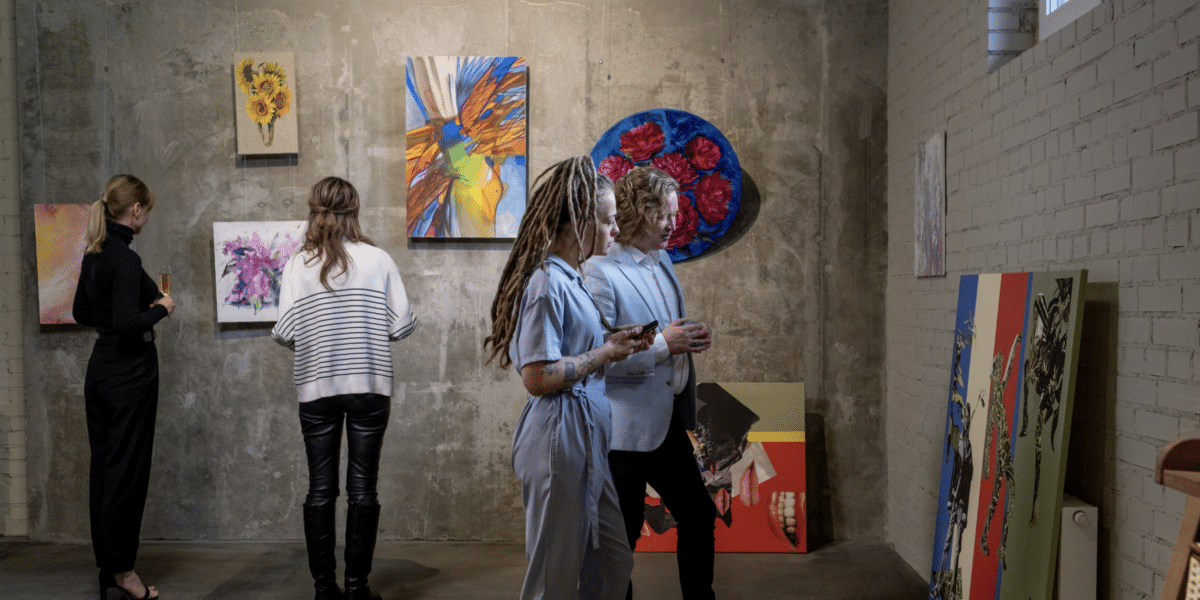
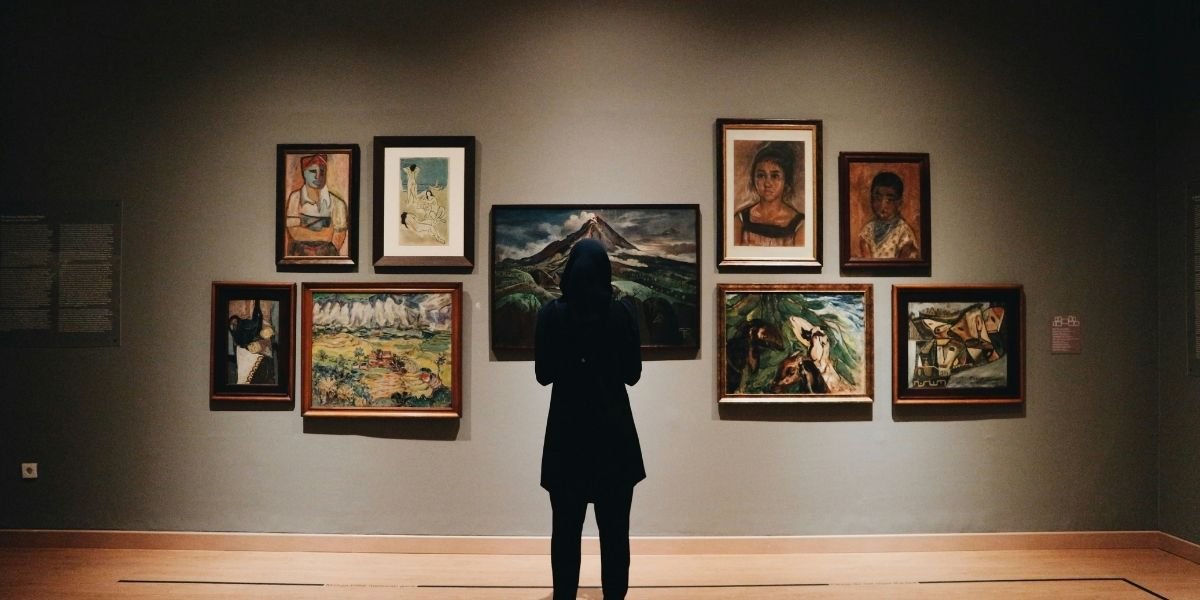
How San Francisco’s History Influences Contemporary Arts

Photo Credit: Unsplash.com

This diversity also informs the city’s approach to identity and representation in art. Themes of heritage, migration, and community are common in contemporary works created in the city. San Francisco’s diverse population continues to drive the creation of art that reflects the complexities of identity and social integration, with artists from a wide range of cultural backgrounds contributing to this ongoing conversation.

How Is San Francisco’s Artistic Legacy Preserved Today?

While San Francisco has undergone tremendous change over the years, its artistic legacy is preserved in various museums, galleries, and public art projects across the city. Institutions not only display art but also offer programming that reflects the city’s historical and cultural evolution.

Public art in San Francisco—whether through murals, sculptures, or installations, continues to serve as a way for the city to preserve its history. These pieces often tell the story of the city’s cultural movements, struggles, and achievements. Public art is a key part of the city’s cultural identity, providing a space for ongoing conversations about social change, inclusivity, and the city’s place in the world.

Why Is San Francisco’s Art Scene So Unique?

San Francisco’s art scene stands out because of the way its history is woven into its artistic expression. The city has long been a place where creativity and change go hand in hand. Whether it’s the legacy of the Gold Rush, the spirit of the Beat Generation, or the influence of social movements and technological growth, the city’s history continues to inspire and shape contemporary art in dynamic ways.

San Francisco’s arts scene has a unique ability to blend its historical influences with contemporary concerns, offering an artistic environment that is both rich in tradition and forward-looking. This combination of influences creates an atmosphere where artists can experiment with new ideas while remaining deeply connected to the city’s cultural roots. Whether through visual arts, performing arts, or digital media, San Francisco’s vibrant art scene is always evolving, reflecting the city’s ever-changing identity.

San Francisco’s rich and diverse history has played a fundamental role in shaping its contemporary arts scene. From early artistic depictions of the Gold Rush to the continuing influence of social movements and the tech boom, the city’s past continues to inspire modern artists and creative professionals. The interplay between history and art in San Francisco is a testament to the city’s ability to evolve while honoring its roots. The city’s art scene will continue to be a reflection of its ever-changing cultural, social, and economic landscape.

AI Salaries & RTO Trends Fuel San Francisco’s Thriving Real Estate Market

San Francisco’s real estate market is heating up again, and it’s not just because of the weather. A wave of high-paying AI jobs and a steady push toward return-to-office policies are breathing new life into the city’s housing demand. While some metro areas are still adjusting to post-pandemic shifts, San Francisco is seeing a clear uptick in buyer interest, competitive listings, and urban reinvestment.

The city’s tech-driven economy has always played a role in shaping its real estate market, but this moment feels different. The combination of AI-fueled salaries and renewed workplace presence is creating a ripple effect that’s being felt from SoMa to the Sunset.

AI Salaries Are Reshaping Buyer Behavior

Artificial intelligence isn’t just changing how people work, it’s changing how they live. Engineers, researchers, and product leads in AI are now earning salaries that rival executive compensation. Six-figure base pay is common, and equity packages are pushing total earnings into the millions.

This influx of wealth is driving demand for homes in neighborhoods that offer both comfort and proximity to tech hubs. Areas like Noe Valley, Mission Dolores, and Pacific Heights are seeing increased activity, with buyers looking for smart home features, privacy, and walkable access to downtown.

The commercial side isn’t quiet either. AI startups and enterprise labs are leasing flexible spaces that support hybrid teams and rapid growth. As covered in recent warehouse leasing insights, the demand for adaptable square footage is rising, especially in zones with strong transit access and zoning flexibility.

Return-to-Office Mandates Are Rebalancing Urban Demand

Remote work changed the rhythm of San Francisco, but return-to-office policies are bringing people back, and with them, a renewed interest in city living. Major employers like Salesforce, Google, and Meta have reinstated in-office requirements, prompting workers to rethink long commutes and suburban sprawl.

This shift is driving demand for homes near downtown, SoMa, and Mission Bay. Renters are prioritizing shorter commutes, while buyers are looking for properties that offer both convenience and community. The real estate market is responding with renovated units, new developments, and pricing strategies that reflect the urgency.

It’s not just about proximity to work, it’s about reconnecting with the city’s energy. After years of remote routines, many residents are seeking the vibrancy of urban life, and that emotional pull is translating into real estate decisions.

Inventory Pressure and Competitive Pricing

Despite the surge in demand, inventory remains tight. Sellers are holding onto properties, waiting for peak pricing, while new construction faces delays and zoning hurdles. This imbalance is creating a seller’s market, with homes often receiving multiple offers above asking.

Agents are advising buyers to move quickly and come prepared. Pre-approval letters, flexible terms, and escalation clauses are becoming standard in competitive bids. It’s a high-stakes environment, but one that reflects the city’s renewed momentum.

Some analysts are watching interest rates and tech valuations closely, but for now, the real estate market is holding steady. The demand is real, and the urgency is being felt across price points.

Tech Growth Is Fueling Long-Term Confidence

San Francisco’s tech sector isn’t just recovering, it’s expanding. AI, biotech, and clean energy are driving new rounds of funding, with venture capital flowing back into the city. This optimism is influencing real estate decisions, as buyers invest not just in homes, but in the city’s future.

AI Salaries & RTO Trends Fuel San Francisco's Thriving Real Estate Market

Photo Credit: Unsplash.com

The connection between tech growth and housing demand is clear. When companies grow, they need talent, and talent needs places to live. As highlighted in coverage of San Francisco’s AI boom, the city’s innovation economy is once again shaping its real estate market.

Developers are responding with mixed-use projects, transit-oriented designs, and sustainability features that appeal to tech-savvy buyers. The goal is to create housing that reflects the values of the new workforce: efficient, connected, and future-ready.

What This Means for the Bay Area Community

San Francisco’s real estate market is more than a numbers game, it’s a reflection of the city’s identity. Families, founders, and first-time buyers are all navigating the shifts, trying to find their place in a city that’s constantly evolving.

There’s excitement, but also pressure. Rising prices can make homeownership feel out of reach, especially for longtime residents. The challenge is balancing growth with accessibility, ensuring that the city remains livable for everyone, not just those with tech salaries.

Community leaders are exploring solutions, from affordable housing initiatives to zoning reforms. The conversation is ongoing, but the urgency is clear. As the real estate market continues to thrive, the need for inclusive planning becomes more important than ever.