San Francisco’s Driveway Parking Issues: A Growing Community Concern

Parking in San Francisco has long been a contentious issue. However, in recent months, a new dimension has been added to the city’s parking woes, as residents face rising concerns over driveway parking violations. What once seemed like a minor issue has turned into a community-wide debate, drawing attention to the often-overlooked challenges associated with parking in residential areas. With a mix of city regulations, neighborly tensions, and the growing role of technology, the problem is quickly becoming one of the hottest topics in local conversations.

What’s Behind San Francisco’s Driveway Parking Crisis?

Parking in front of one’s own driveway was once a simple matter in San Francisco. However, recent reports indicate that many residents are now receiving fines for minor infractions, such as parking slightly over the edge of their driveways or blocking a portion of the sidewalk. What’s making this issue even more complicated is the increase in reported violations, which some residents claim are being fueled by anonymous tip-offs.

The situation started getting worse when the city introduced a mobile application designed to streamline reporting for various violations, including driveway obstructions. This app, meant to make the reporting process more efficient, has instead led to concerns about privacy and fairness. Some locals have raised suspicions that it is being misused, with individuals submitting complaints based on outdated or manipulated photographs.

How Is the Solve SF App Impacting Parking Complaints?

San Francisco’s Driveway Parking Issues A Growing Community Concern

Photo Credit: Unsplash.com

In response to parking issues and a desire for more efficient enforcement, the Solve SF app was launched to enable residents to report illegal parking violations quickly and easily. On paper, the app sounds like a useful tool for anyone looking to make their neighborhood safer and less cluttered. However, a significant portion of the community believes that the app has unintentionally made the situation worse.

The app allows users to submit photos of infractions and provide details about the location of the violation. While its creator insists that the platform is not responsible for bogus reports, there are growing concerns that the app is being exploited by a few residents looking to create trouble or settle personal disputes. This has led to a tense atmosphere in certain neighborhoods, where neighbors are not just concerned about physical parking violations, but also about being watched or reported unfairly.

Why Are Driveways Suddenly Becoming a Target for Parking Complaints?

What was once an inconsequential issue is now a growing concern due to a combination of factors. One of the main reasons behind this is the increasing demand for parking spaces in San Francisco, a city already notorious for its limited parking availability. With limited options, residents have turned to their driveways, some of which were previously considered off-limits to parked vehicles, to accommodate their cars.

Over time, these minor violations, like parking slightly over the line or extending onto the sidewalk, began to attract attention. In the past, such issues went largely unnoticed, with neighbors typically choosing to ignore small infractions. However, with the rise of technological tools like Solve SF and an increase in reporting culture, people are now more likely to file complaints against their neighbors, even over seemingly insignificant issues.

How Are Residents Responding to the Growing Issue?

In many neighborhoods, residents are beginning to express frustration with the growing trend of reporting minor violations. As complaints flood in, more and more people are receiving hefty fines for seemingly harmless acts, such as parking their car in their own driveway. Some residents have even reported receiving fines for infractions that they argue were not their fault, due to the angle of the photo or a misunderstanding of the parking rules.

In response to these concerns, some communities have started seeking ways to resolve the issue through more personal channels. Instead of relying on anonymous reporting apps or relying on city enforcement, neighbors are calling for more civil discourse. Many believe that a simple conversation or direct contact could resolve minor issues without escalating tensions or involving city authorities. Some have even gone as far as to ask neighbors to reach out and let them know about potential violations before resorting to complaints.

For those who feel unfairly targeted, fighting these fines through official channels is another option. The San Francisco Municipal Transportation Agency (SFMTA) has a system in place for individuals who wish to contest fines or report blocked driveways. Through their online platform or by contacting 311, residents can request an investigation into these complaints, hoping to resolve the situation amicably.

What Are the Legal and Community Implications of This Trend?

While parking violations are hardly new, the current surge in complaints surrounding driveway parking raises some important questions. The primary concern is whether the current regulations are overly stringent or whether they are being misapplied in certain situations. Many people argue that the fines are too harsh for minor infractions, especially when considering the city’s ongoing issues with parking availability.

The introduction of reporting apps like Solve SF has brought to light another issue—whether the app’s ease of use has created a situation where people are encouraged to report their neighbors for small, sometimes trivial, violations. The anonymity afforded by these platforms has made it easier to file complaints, but it has also raised concerns about neighborly relations. A small mistake or parking inconvenience could now result in a fine or even a strained relationship with a neighbor.

At the same time, city officials argue that enforcing these parking rules is essential for maintaining public safety and ensuring that driveways remain accessible. Emergency vehicles, delivery trucks, and other essential services must be able to access residential areas without obstruction, and these regulations aim to ensure that.

How Can San Francisco Address the Parking Issue Moving Forward?
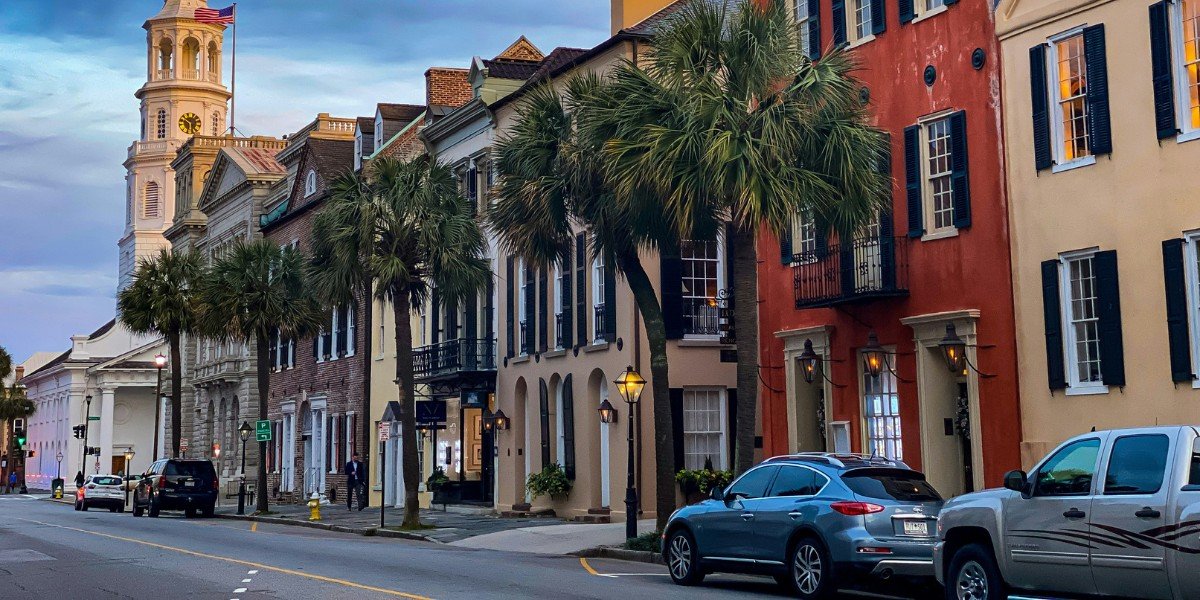
San Francisco’s Driveway Parking Issues A Growing Community Concern

Photo Credit: Unsplash.com

As the situation continues to unfold, several potential solutions have been proposed to address the growing concerns about driveway parking. One suggestion is to make the regulations more flexible, allowing for minor overhangs or short-term encroachments into driveways without penalizing residents. Another idea is to increase public education on the parking rules and encourage more face-to-face communication between neighbors to reduce the number of anonymous complaints.

Technology could also play a role in resolving the issue, though it may need to be refined. For instance, making sure that reporting apps are used responsibly and encouraging users to provide accurate and timely photos could help prevent misuse. Additionally, the city could look into alternative solutions for parking, such as more efficient use of space, better public transportation, or creating new residential parking zones.

Ultimately, addressing San Francisco’s driveway parking issues will require a combination of policy adjustments, community engagement, and thoughtful solutions that balance the needs of residents with the larger goals of urban planning and public safety.

Discover a Unique Kind of Wine Experience with Cornerstone Cellars

By: Connie Etemadi

Just over an hour north of San Francisco, wine country mornings are getting a thoughtful refresh.

If you’ve done Napa before—hopped the buses, packed the back-to-back tasting schedules, posed in front of grapevines—this might be the moment to do it differently. A new kind of ritual is quietly unfolding in the heart of Yountville, and it surprisingly starts with a pause.

A Morning Flight that’s Not on a Plane

Every day at 11 a.m., Cornerstone Cellars invites visitors to slow down and sip with intention. Their Spotlight Flight, offered only during the first seating of the day, is a complimentary tasting of three single-vineyard wines. But this isn’t your typical tasting room lineup. It’s a communal curated experience that feels more like an invitation to connect than a sales pitch.

You won’t find a bar to belly up to or a high-pressure menu of wine club tiers. Instead, you’ll settle into a shared table or cozy space alongside just a handful of others. You’ll talk. You’ll listen. You’ll taste three wines all from distinct appellations in California including Napa Valley, Sonoma County and Sta. Rita Hills. And by the time you’ve finished, it’s still early enough for lunch.

This intentional low-key introduction to the day isn’t just unusual in Napa—it’s nearly unheard of. And for urbanites looking to break out of the city without breaking the bank or booking weeks in advance, it’s a rare gem.

A New Take on the Classic Wine Escape

For San Franciscans, Napa is a rite of passage, a weekend standby, a first date fallback and a birthday go-to. But even seasoned wine lovers can get burned out on the circuit of overbooked tastings, pricey pours and selfie-centric experiences. Cornerstone’s Spotlight Flight offers something refreshingly different—slower, deeper, more human.

The team behind the tasting isn’t reading from a script. They’re wine lovers, farmers and longtime locals who’ve been part of the Cornerstone Cellars story since 1991, when a group of friends shared a bottle of Cabernet on a hillside in Howell Mountain and decided to follow the fruit. That spirit of friendship, curiosity and exploration still drives the winery today.

Under the leadership of winemaker Kari Auringer, Cornerstone has remained committed to crafting site-driven small-batch wines that express the uniqueness of California’s most celebrated regions. Some of their wines are bottled in lots as small as 100 cases and you’ll often be tasting vintages you can’t find in stores or online.

More Than a Tasting—A Gateway to Yountville

If you time it right, the Spotlight Flight can be the perfect start to a Yountville day. After your tasting, stroll a few blocks to grab lunch at Bouchon Bakery, R+D Kitchen or Ciccio where the locals go for pizza and cocktails. Walk off your meal with a lap around the nearby art walk or explore the charming boutiques that line Washington Street.

Want to keep the wine flowing? Book Cornerstone’s afternoon “Taste of Cornerstone” experience—a private seated tasting of five wines paired with optional culinary add-ons like cheese boards or local bites. It’s $50 per person but the intimacy and quality of the wines easily outshine other more expensive experiences in the valley.

Or just pack a picnic and head to a nearby trail or lookout. Yountville is small, scenic and immensely walkable making it a perfect place to wander and reset.

Discover a Unique Kind of Wine Experience with Cornerstone Cellars

Photo Courtesy: Cornerstone Cellars

A Wine Experience That Feels Like a Breath of Fresh Air

At its heart, the Spotlight Flight isn’t just about wine. It’s about taking the morning slowly, meeting a few new faces and starting your day with a sense of place. It’s about making Napa feel personal again.

In a region that can sometimes lean too heavily on grandeur and exclusivity, Cornerstone Cellars brings things back to earth. Their communal approach reminds you why wine became such a powerful connector in the first place. And in a time when travelers are increasingly seeking meaning over flash, that kind of authenticity feels downright luxurious.

Book your complimentary Spotlight Flight at CornerstoneCellars.com and swap the packed buses and preset tours for something personal, grounded and memorably delicious. Space is limited and reservations are required but the welcome is always warm.


Disclaimer: Women should not drink alcoholic beverages during pregnancy because of the risk of birth defects. Consumption of alcoholic beverages impairs your ability to drive a car or operate machinery, and may cause health problems. Drink responsibly.

Mystery in Ads: Creating Curiosity That Drives Interest

Ads often incorporate elements of mystery to capture attention and engage audiences. How does curiosity function in this context to influence consumer behavior? What creative approaches do advertisers use to evoke interest without fully revealing their message? Exploring these questions sheds light on how mystery can shape audience perception and interaction with advertisements, while also acknowledging the delicate balance required to maintain effectiveness.

How Does Curiosity Influence Consumer Engagement with Advertisements?

Curiosity can act as a psychological prompt that motivates individuals to seek information and fill gaps in knowledge. When an advertisement introduces ambiguity or leaves certain details unexplained, it may create an “information gap” that some viewers feel inclined to close. This mechanism can lead to increased attention and cognitive involvement with the content.

Advertisements employing ambiguous imagery, suggestive taglines, or open-ended questions often encourage viewers to spend more time interpreting the message. This process shifts the audience from passive recipients to active participants, potentially improving recall and recognition of the ad. Research in consumer behavior indicates that such engagement can enhance memory retention, though the effects depend on individual differences and context.

The effectiveness of curiosity in ads is influenced by the complexity of the mystery presented. Ads that are too vague risk alienating viewers who find the content confusing or frustrating. Conversely, ads that provide just enough information to provoke questions without causing bewilderment may sustain interest more effectively.

What Creative Techniques Are Commonly Used to Introduce Mystery in Advertising?

Mystery in Ads Creating Curiosity That Drives Interest

Photo Credit: Unsplash.com

Several methods can be employed to embed mystery within advertisements. One approach involves withholding key details such as the product name, purpose, or brand identity in initial communications. This technique can lead audiences to seek additional information across subsequent messages or platforms.

Visual ambiguity is another method, where advertisements use partial images, shadows, or close-ups that obscure the full subject. This strategy invites viewers to mentally fill in the missing pieces, potentially increasing engagement through speculation.

Narrative elements that suggest a larger story without revealing the conclusion are also used. Episodic or teaser campaigns rely on this method to create anticipation, encouraging audiences to follow ongoing content for resolution.

Language devices such as rhetorical questions or paradoxical statements may provoke curiosity by presenting unexpected or puzzling ideas. Such phrasing can prompt audiences to explore the meaning further.

While these techniques can be effective in generating interest, their success often depends on clear signals that a resolution or explanation will follow. Without this, audiences may disengage or form negative impressions.

How Do Advertisers Balance Mystery and Clarity to Avoid Confusing Audiences?

Maintaining a balance between mystery and clarity is crucial in avoiding viewer frustration. Advertisements that are overly obscure can lead to confusion, reducing the likelihood that the audience will engage further.

To address this, advertisers often use staged messaging, where initial ads introduce mystery and subsequent ones provide more information. This gradual reveal can sustain curiosity while eventually offering clarity, helping to build understanding and trust.

The pacing of information disclosure is typically adjusted based on the target audience and the medium used. For example, social media campaigns might release short, cryptic clips followed by detailed explanations, whereas traditional media may employ shorter arcs due to limited exposure time.

Clear visual or verbal cues that signal the presence of a mystery, such as phrases like “Coming soon” or “Can you guess?”, can prepare audiences for an unfolding narrative, reducing potential frustration.

Attention to cultural context and audience expectations also informs the level of mystery introduced, as certain groups may prefer more straightforward messaging while others might engage better with complex puzzles.

Why Might Mystery Be Particularly Relevant in Contemporary Advertising Environments?

In today’s media landscape, audiences are frequently exposed to a high volume of advertisements, leading to selective attention or avoidance. Introducing mystery offers a way to capture attention by activating the brain’s inherent desire to resolve uncertainty.

Curiosity-driven ads may stand out in environments where straightforward messaging competes for limited viewer focus. This effect can be especially noticeable in digital platforms where users scroll rapidly through content.

Mystery can also encourage sharing and discussion among audiences, as puzzling or intriguing ads provoke conversations and speculation. This social dimension can extend the reach of a campaign beyond initial exposure.

Digital media enables multi-stage or interactive campaigns that leverage mystery effectively. Features such as clickable teasers, countdowns, or augmented reality experiences allow users to engage actively with the unfolding narrative.

However, the reliance on mystery must be carefully managed to avoid disengagement, particularly in fast-paced digital contexts where audience patience can be limited.

How Can the Impact of Mystery in Advertising Be Assessed?

Mystery in Ads Creating Curiosity That Drives Interest

Photo Credit: Unsplash.com

Measuring the influence of mystery in advertising involves analyzing various behavioral and perceptual indicators. Metrics such as time spent viewing an ad, click-through rates on teaser content, and social media engagement provide quantitative insight into audience interest.

Surveys and focus groups can offer qualitative data on how audiences interpret the mysterious elements, whether curiosity was stimulated, and if the messaging was ultimately understood.

Comparisons between campaigns that use mystery and those with straightforward messaging can help evaluate relative effectiveness in brand recall, emotional response, and consumer action.

Tracking performance across campaign stages also aids in understanding how the gradual revelation of information influences audience perception and behavior over time.

Using mystery in advertising taps into fundamental cognitive processes related to curiosity and information seeking. When applied thoughtfully, it can foster engagement and deepen interest in a message. At the same time, careful calibration is needed to maintain clarity and avoid alienating viewers. The interplay of creative strategy, audience insight, and media context determines how mystery functions as a tool within the broader communication landscape.

How Driverless Taxi Services Are Shaping San Francisco Transit

San Francisco is becoming one of the key cities testing and using driverless taxi services. These self-driving cars are slowly changing how people get around in a city known for its hills, busy streets, and diverse neighborhoods. Driverless taxis offer a new way to travel that could work alongside buses, trains, and traditional ride-hailing. But their arrival also raises questions about safety, access, and how they fit into the city’s existing transit system.

These autonomous vehicles use a mix of sensors, cameras, and computer algorithms to navigate the streets without a human behind the wheel. In a place like San Francisco, where traffic can be heavy and the roads twist and turn sharply, this technology faces unique challenges. The city’s busy environment demands that these vehicles make quick decisions and handle unexpected situations, like a delivery truck double-parked on a narrow street or a cyclist weaving through traffic.

How Do Driverless Taxis Work With Other Transit Options?

Rather than replacing public transportation, driverless taxis are often tested as a way to fill in gaps. They can help people travel short distances, especially when bus or train service isn’t convenient. In some neighborhoods with fewer transit options, these taxis provide a flexible alternative that’s always ready when needed.

Many pilot programs limit driverless taxi service to certain neighborhoods or times of day. This approach helps manage safety risks and collects useful data about how these vehicles perform in real-world conditions. Coordinating with city transit agencies ensures that driverless taxis complement buses and trains, rather than compete with them.

Because these taxis share roads with cars, buses, bikes, and pedestrians, city planners watch closely to understand how autonomous vehicles interact with all users. Finding the right balance is key to keeping the streets safe and efficient.

What Challenges Do Driverless Taxis Face on San Francisco Streets?

Operating on San Francisco’s streets is not easy for driverless taxis. The steep hills, tight corners, and heavy foot traffic demand careful programming. These vehicles must constantly scan the environment and react to unpredictable obstacles like jaywalkers or sudden road work.

Weather conditions add to the difficulty. Fog and rain can affect how sensors see the world, making it harder for cars to “read” the road. Since San Francisco experiences a mix of microclimates, driverless taxis must handle changing weather quickly and accurately.

Traffic signals, stop signs, and complicated intersections also require quick thinking from the vehicle’s computers. During rush hour, congested streets make it even harder to find the best route and keep passengers moving smoothly.

Safety is a top priority, so companies test extensively before allowing driverless taxis to carry passengers alone. Monitoring continues after deployment to catch any issues and improve performance.

How Do Driverless Taxis Affect Traffic and Accessibility?

Driverless taxis could make a difference in how people move around the city, especially for those without cars. They offer the convenience of on-demand rides and can link people to bus stops or train stations, making it easier to use public transit for the rest of the journey.

But the impact on traffic is complicated. If driverless taxis spend a lot of time driving without passengers or waiting for new riders, they could add to congestion. Coordinating rides and encouraging shared trips might help reduce empty driving.

Accessibility is also important. Some driverless taxi services have started including vehicles that can accommodate wheelchairs and other mobility devices. Meeting city and federal accessibility rules helps make sure the benefits of autonomous taxis reach a wider group of people.

What Rules Guide Driverless Taxi Operations in San Francisco?

San Francisco and California have set rules to make sure driverless taxis operate safely. State agencies require companies to prove their vehicles can handle real-world driving conditions and keep passengers safe. Local city departments work with these companies to decide where and when autonomous taxis can operate.

Permits and regular reporting are part of the process, helping officials monitor safety and respond quickly if problems arise. The city also listens to public feedback and includes community voices when updating regulations.

These rules balance the need to encourage new technology with protecting the safety and rights of all road users.

How Do Local Residents Feel About Driverless Taxis?

Opinions about driverless taxis vary among San Francisco residents. Some see them as an exciting innovation that could improve mobility and reduce the need for private cars. They welcome the convenience and the idea of safer streets in the future.

Others express concern about safety and worry about losing driving jobs. There are also questions about how these vehicles affect pedestrians and cyclists, especially in busy neighborhoods.

Efforts to educate the public and create opportunities for community input help build understanding. Ongoing dialogue is important as driverless taxis become more common.

What Are the Economic and Workforce Impacts of Driverless Taxis?

The rise of driverless taxis has implications for employment, particularly for professional drivers. Automation may reduce the number of driving jobs, but new roles are also emerging in areas like vehicle maintenance, fleet management, and software monitoring.

Economic benefits might come from lower transportation costs and greater efficiency, but transitions in the workforce require thoughtful planning and support.

San Francisco’s economy, with its strong tech sector, shows how innovation and labor markets intersect in complex ways.

How Is Technology Used to Improve Driverless Taxi Services?

Driverless taxis rely on vast amounts of data to operate effectively. They constantly gather information about traffic patterns, road conditions, and vehicle performance. Machine learning helps these cars improve over time, making better decisions and providing smoother rides.

The city and companies often share data anonymously to help inform transportation planning and improve overall mobility.

Protecting passenger privacy is a key part of these efforts, with strict rules on how data is stored and used.

What Could Shape the Future of Driverless Taxis in San Francisco?

Future developments in sensor technology and artificial intelligence are expected to make driverless taxis more reliable and easier to use. Improved connectivity may allow better coordination with traffic signals and other vehicles.

Integrating autonomous taxis with bike-sharing, scooters, and public transit could create a seamless system where switching between modes is simple.

Policy and regulations will continue evolving to keep pace with technology, balancing innovation with safety and fairness.

As the city learns more about how driverless taxis impact travel and communities, adjustments will shape their role in San Francisco’s transportation future.