









By: Matt Emma
We track our employees. We track our bank accounts. But as we head into 2026, many leaders are forgetting to track their most expensive “teammate”: their software.
When you plan for 2026, you probably ask: How many people should we hire? What are our big goals? But Ghita El Haitmy, founder of TechBible.ai, suggests that there is a much more important question: Who is actually doing the work—your people, or your software?
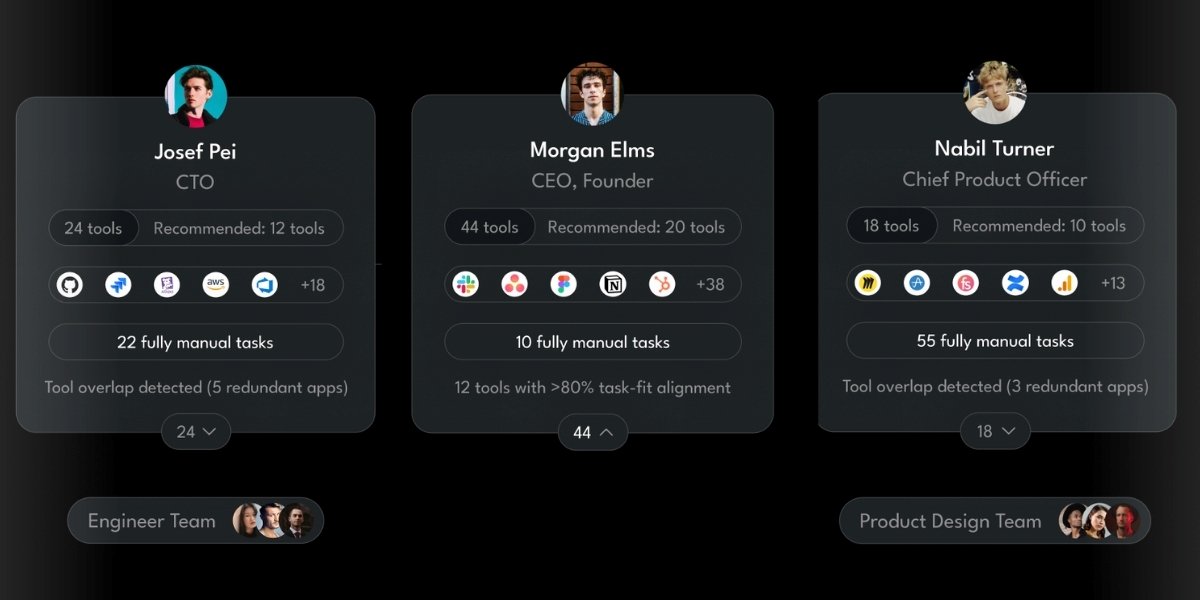
Most founders and managers don’t have a clear answer. They know who their employees are. They know how much they spend on tools every month. But they don’t always know which tools are doing which jobs, or how much work those tools are actually performing. This gap can lead to inefficiency, confusion, and potentially poor decisions.
Ghita calls this hidden layer the “Invisible Workforce.” And if you can’t see it, you won’t be able to manage it.
1. The Problem: Hiring for Jobs Software May Already Be Doing
Many companies feel “busy” and think they need to hire more people. But often, they don’t need more people—they just need to make better use of the tools they already pay for.
“I’ve seen managers ready to hire three new people for a task,” says Ghita. “But when we looked at their software, we found they already had a tool that could do most of that work. They weren’t necessarily understaffed; they were just working without the right insight.”
2. Performance: Is it the Person or the Tool?
If a team is slow, we often think it’s a “people problem.” But in 2026, it’s often a “tool problem.”
If an employee has to log into ten different websites just to finish one task, they aren’t lazy—they are navigating a complex system. A simple HR IT Map (a map that connects people to their tools) shows where these bottlenecks are. It helps you adjust the system, so your team can work more efficiently.
3. Stop “Panic Hiring”
Hiring in 2026 shouldn’t be a guess. Before you add a new salary to your budget, you need to understand exactly what that person will do and which tools will help them.
“If you don’t realize that software is already doing part of the job, you could end up hiring the wrong person with the wrong skills,” Ghita explains. Understanding your “Invisible Workforce” helps you hire only when you truly need to.
4. Four Simple Steps to Prepare for 2026
Ghita suggests every leader do these four things before the new year:
- Identify Every Tool: Make a list of every single app or software your team uses.
- Align Tools to People: Write down which employee uses which tool.
- Check for Redundancy: Are you paying for two tools that do the same thing? Consider removing one.
- Find the “Ghosts”: Cancel subscriptions for people who left the company months ago.
Clear Sight is the Ideal Strategy
In 2026, the most successful companies likely won’t be the ones with the most employees or the most software. They will be the ones who have a clear view of how their people and their tools work together.
As TechBible shows, you can’t build a great team if you can’t see the work that’s happening beneath the surface. Clarity is more than just a nice-to-have; it’s a crucial element for success.
The next competitive advantage may not be headcount. It could be clarity.
Founders who understand their Invisible Workforce are more likely to make better decisions faster. They hire with careful consideration, cut waste without unnecessary risk, and build trust infrastructure within the company before the market ever sees it.
In 2026, operational clarity may signal leadership maturity. Investors could notice. Talent might feel it. Growth may compound.
Visibility is temporary. Authority compounds.
The companies that win will be the ones that are able to see.


