










Office vacancy in San Francisco has long been a bellwether for the city’s economic health. The term has become synonymous with pandemic-era disruption, remote work, and empty downtown corridors. But now, the tide is turning. Office vacancy rates are beginning to decline, signaling a shift in how the city is reimagining its commercial spaces and workforce engagement.
Office Vacancy Trends Show Signs of Recovery
San Francisco’s office vacancy rate, which peaked at over 30%, is slowly trending downward. This isn’t just a statistical blip, it’s a reflection of deeper changes in urban planning, employment patterns, and real estate strategy. While the city hasn’t returned to pre-pandemic occupancy levels, the decline in office vacancy is a promising sign of resilience.
The shift is being driven by a combination of public policy, private sector innovation, and renewed interest in downtown life. Understanding these factors helps explain why office vacancy is no longer the looming crisis it once was.
City Workers Reinvigorate Downtown Spaces
One of the most immediate contributors to reduced office vacancy is the return of municipal employees. San Francisco’s government has encouraged in-person work for key departments, bringing life back to areas like Civic Center and the Financial District. This move has had a ripple effect on nearby businesses, from lunch spots to dry cleaners, all of which rely on daytime foot traffic.
As seen in coverage of city workers returning to offices, even partial reoccupation of government buildings has helped restore vibrancy to downtown blocks. This renewed presence is a reminder that office vacancy impacts more than just landlords, it affects the entire urban ecosystem.
Adaptive Reuse of Office Buildings
Another major factor in the office vacancy decline is the creative repurposing of underused buildings. Developers are converting traditional office spaces into mixed-use environments that blend residential units, retail, and flexible workspaces. This strategy not only reduces vacancy but also aligns with San Francisco’s broader goals around housing and urban density.
Several buildings near Market Street and SoMa are undergoing transformation, turning empty offices into vibrant hubs. This trend is part of a larger movement toward converting offices into mixed-use spaces, which has gained traction as demand for conventional leases remains uneven.
Tech’s Hybrid Footprint
San Francisco’s tech sector, long a cornerstone of its office market, is also reshaping the vacancy narrative. While some companies have downsized or relocated, others are reimagining their physical spaces to support hybrid work. Salesforce, for example, has maintained its downtown presence while redesigning offices to foster collaboration and flexibility.
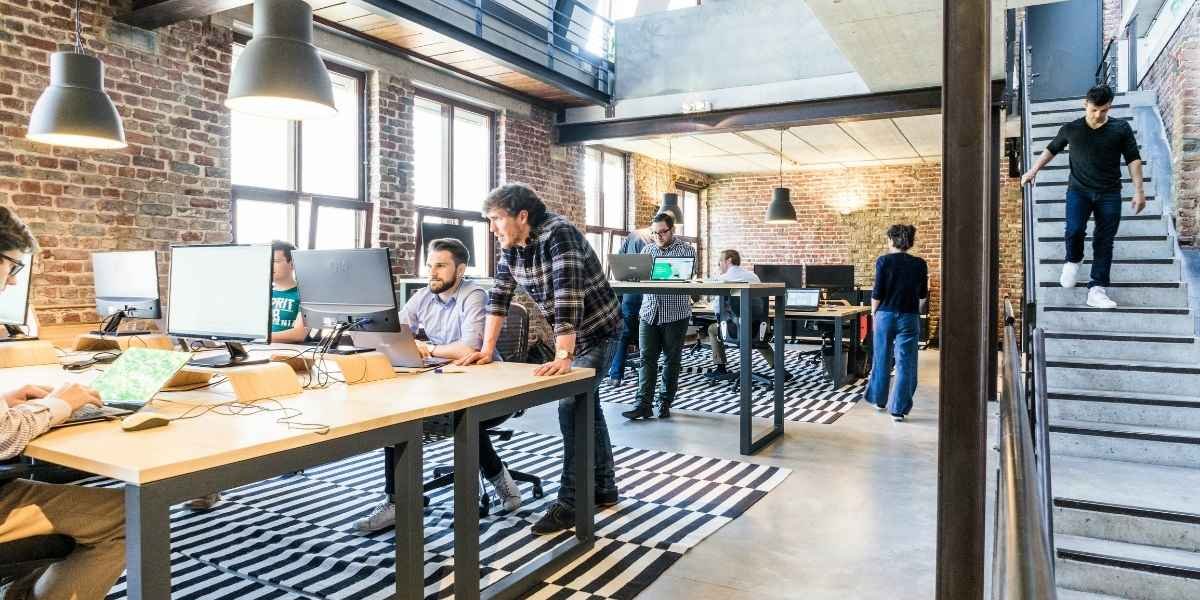
Photo Credit: Unsplash.com
This evolution reflects a broader industry trend: rather than abandoning office space, tech firms are optimizing it. Smaller footprints, shared desks, and modular layouts are becoming the norm. These changes contribute to a more efficient use of space, helping reduce overall office vacancy without reverting to outdated models.
Policy Incentives and Zoning Reform
City officials have introduced several initiatives aimed at reducing office vacancy. These include tax breaks for landlords who convert commercial properties into housing, as well as zoning reforms that allow for more flexible use of space. By streamlining approval processes, the city is encouraging developers to respond quickly to market needs.
In districts like the Tenderloin and South of Market, these policies have enabled projects that might have stalled under previous regulations. The result is a more dynamic real estate landscape, where office vacancy is addressed not just through leasing but through reinvention.
Infrastructure and Transit Improvements
Improved public transit is also playing a role in the office vacancy shift. As BART and Muni ridership climbs, commuting into the city becomes more feasible for workers. Infrastructure upgrades, such as the Central Subway extension, have made certain neighborhoods more accessible and attractive for employers.
This renewed connectivity supports the viability of downtown offices, especially for companies that prioritize sustainability and accessibility. As transit options expand, so does the appeal of returning to a centralized workplace, further reducing office vacancy across key corridors.
Flexible Leasing and Coworking Models
Another trend influencing office vacancy is the rise of flexible leasing. Companies are increasingly opting for short-term leases, shared spaces, and coworking arrangements. This model allows businesses to scale up or down based on need, without committing to long-term contracts.
Providers like WeWork and Industrious have capitalized on this shift, offering customizable office solutions that appeal to startups and remote-first teams. These arrangements help fill previously vacant spaces, contributing to the overall decline in office vacancy while supporting a more agile workforce.
Community-Centric Redevelopment
San Francisco’s approach to office vacancy isn’t just about filling buildings, it’s about reimagining neighborhoods. Developers are incorporating community amenities into new projects, such as rooftop gardens, public art installations, and wellness spaces. These features make downtown more livable and attractive, encouraging both residents and workers to engage with the urban core.
By prioritizing human-centered design, the city is creating environments that go beyond work. This strategy helps reduce office vacancy by making buildings multifunctional and inclusive, rather than purely transactional.
A New Chapter for San Francisco’s Downtown
San Francisco’s declining office vacancy rate marks a turning point in how the city thinks about space, work, and community. While challenges remain, the current trajectory suggests a more resilient and adaptive future. The combination of workforce return, creative reuse, tech evolution, and policy support is reshaping the city’s commercial identity.
This isn’t a return to the old model, it’s a redefinition. Office vacancy is no longer just a metric for landlords; it’s a signal of how cities evolve. As San Francisco continues to innovate, its downtown may become a blueprint for other urban centers navigating the post-pandemic landscape.


