








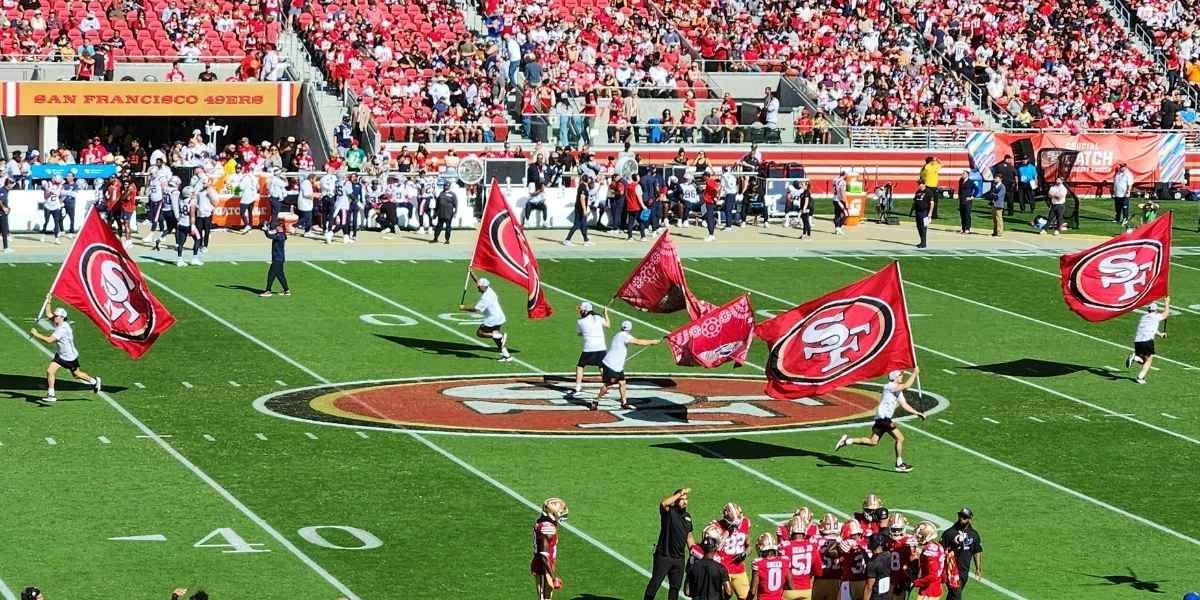
Super Bowl festivities have brought San Francisco and the surrounding Bay Area into sustained national focus as Super Bowl LX-related activities unfold across multiple cities, shaping a week defined by large-scale events, regional coordination, and widespread visitor movement.
Super Bowl Festivities Place San Francisco in the Spotlight
San Francisco has played a visible role in Super Bowl festivities, with events taking place across downtown locations, waterfront areas, and established venues designed to accommodate large crowds. City agencies worked alongside regional organizers to prepare public spaces for increased activity while maintaining access for residents and businesses.
Officials described the city’s involvement as part of a broader regional approach rather than a standalone hosting effort. This structure allowed San Francisco to serve as a central gathering point while sharing responsibilities with neighboring cities. Planning focused on logistics, transportation access, and coordination with public safety departments throughout the week.
Public spaces near the waterfront and in the city’s core experienced steady foot traffic as visitors moved between scheduled events and nearby attractions. Organizers indicated that activity levels varied by location and time of day, reflecting the diverse nature of the programming.
Super Bowl Festivities Extend Across the Bay Area
Super Bowl festivities were not limited to San Francisco, extending across the Bay Area to include events in Oakland, San Jose, and surrounding communities. Regional planners emphasized a multi-city hosting model that allowed each area to contribute programming aligned with local infrastructure and available venues.
Oakland hosted fan-focused activities that emphasized interactive experiences and community participation, while San Jose incorporated events highlighting technology-oriented exhibits and presentations. This distribution of events was intended to reduce congestion while encouraging visitors to explore multiple parts of the region.
Transportation agencies coordinated schedules and service adjustments to accommodate increased travel between cities. Officials noted that regional transit systems played a role in supporting movement throughout the week, particularly for visitors attending events in more than one location.
Super Bowl Festivities Draw Fans, Players, and Visitors
Fans attending Super Bowl festivities encountered a wide range of activities, from daytime fan zones to evening entertainment programs. Event spaces remained active throughout the week, with visitors navigating between official programming and neighborhood destinations.
Players, team representatives, and league officials made scheduled appearances across the region, contributing to media coverage that frequently referenced the Bay Area’s recognizable settings. These appearances took place at organized events as well as during televised segments tied to Super Bowl week.
Organizers observed that attendance patterns shifted based on weather conditions, transit availability, and event timing. Some venues experienced heavier activity during weekends, while others saw steady participation throughout the week.
Super Bowl Festivities Feature Entertainment and Fan Experiences
Entertainment programming formed a central element of Super Bowl festivities, with performances, music events, and interactive exhibits scheduled across multiple venues. Rather than centering activities around a single focal event, planners offered a range of options intended to appeal to different audiences.
Fan experience areas featured interactive games, football-themed exhibits, and displays tied to league history. Indoor venues provided structured environments for large crowds, while outdoor spaces were adapted for temporary installations and scheduled performances.
Organizers emphasized that programming included both free and ticketed options, allowing residents and visitors to engage with events at varying levels. Officials indicated that accessibility considerations were incorporated into planning, particularly in high-traffic areas.
Super Bowl Festivities Build on Bay Area Hosting History
Super Bowl LX represents the Bay Area’s third time hosting the league’s championship game. The region previously hosted Super Bowl XIX in 1985 at Stanford Stadium and Super Bowl 50 in 2016 at Levi’s Stadium in Santa Clara.
The regional hosting approach used for Super Bowl 50, which involved multiple cities rather than a single host location, influenced how responsibilities were shared during the current Super Bowl cycle.
That experience informed coordination among municipal governments, transportation agencies, and public safety departments. Organizers noted that infrastructure improvements and interagency communication developed during earlier events supported current operations.
Super Bowl Festivities Influence Local Activity and Planning
Local businesses across the Bay Area reported increased visitor presence during Super Bowl festivities, particularly in areas near official event locations. Restaurants, hotels, and retail corridors experienced higher levels of foot traffic as fans attended scheduled events and explored surrounding neighborhoods.
City departments emphasized preparation related to transit management, crowd flow, and public safety staffing. Transportation agencies issued advisories addressing congestion and service adjustments, while public safety officials coordinated personnel deployment around high-attendance events.
Organizers indicated that evaluations of logistics and operations would continue after Super Bowl festivities conclude. Agencies plan to review data related to transit usage, public safety response, and event coordination as part of standard post-event assessment processes.
As Super Bowl LX-related activities continue, the Bay Area’s role as host remains evident across public spaces, event venues, and national media coverage, shaping how visitors and viewers experience the region during one of the NFL’s most closely followed weeks.


