









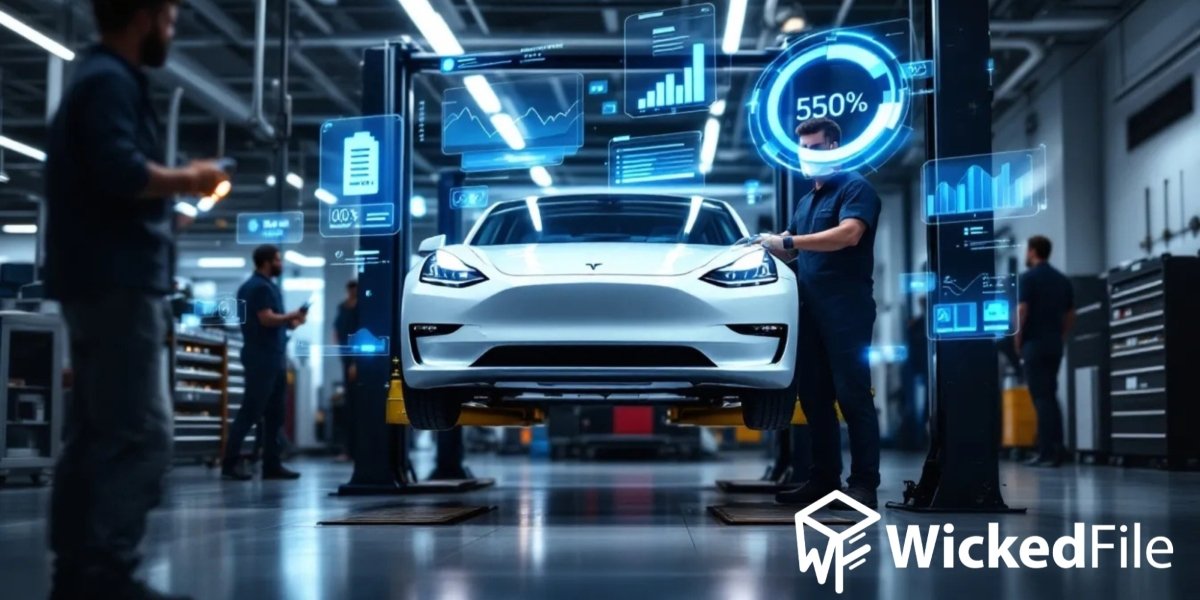
Picture this: it’s a calm afternoon at your shop. A walk-in pulls up, but instead of a pickup or sedan, it’s a Tesla, a Rivian, or maybe a plug-in Prius. Do you feel confident taking the job, or do you hesitate?
For many shop owners, electric vehicles (EVs) are still uncharted territory. High-voltage batteries, complex electrical systems, and new safety protocols can feel overwhelming. But EVs aren’t just a passing trend—they’re increasingly becoming a growing part of the market. By 2026, millions may be on U.S. roads. Each one will likely need maintenance: tires, suspension, brakes, air conditioning, and sometimes specialized electrical service. The question isn’t if they’ll show up at your shop—it’s more about when.
But readiness goes beyond tools and training. Being “EV ready” is just as much about what happens in your back office. Without a strong system to track repair orders, invoices, vendor credits, and warranty claims, shops could potentially risk losing money even as EV traffic increases. That’s where WickedFile might be helpful.
Understanding the EV Shift
Hybrids use both an internal combustion engine and an electric motor, while fully electric vehicles run entirely on batteries. Both introduce new systems—high-voltage batteries, inverters, converters, and specialized electronics—that might require shops to adjust.
These aren’t impossible to learn, but they bring new documentation challenges. Every repair order, parts purchase, and credit must be tracked accurately. Miss one invoice or vendor credit, and profits could slip away.
Safety Comes First
Servicing EVs requires new safety habits. High-voltage systems mean extra precautions:
- Secure vehicles since EVs can be “on” silently.
- Use proper PPE like insulated gloves and rescue hooks.
- Test insulation with Ohm meters to verify wiring.
These practices help protect technicians but also create more paperwork—inspection results, sign-offs, and warranty notes that need to be stored safely. Losing any of it may create liability and affect credibility.
Services You Already Know
Here’s the upside: many EV services overlap with what you already do. EVs need:
- Tires and alignments (faster wear due to weight and torque).
- Brake services (regenerative systems still require resurfacing).
- Suspension replacements (heavy batteries stress components).
- Air conditioning and heating (critical for both comfort and battery cooling).
These are profitable jobs—but only if the associated documents are organized. A single missed credit or duplicate charge could wipe out the margin on a repair.
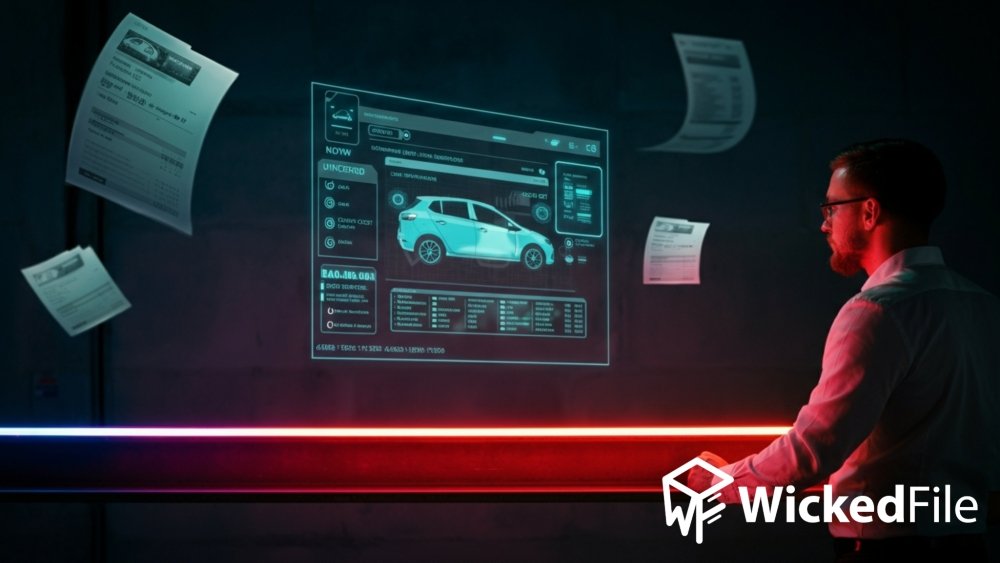
Photo Courtesy: WickedFile
The Hidden Risk: Disorganized Paperwork
The real challenge isn’t just technical—it’s financial. Common back-office mistakes include:
- Missing a battery return credit.
- Overlooking a duplicate vendor charge.
- Losing a warranty claim in an inbox.
- Letting a repair order drift from its parts invoice.
Each of these could chip away at profitability. And with EV repairs often involving higher-priced parts, the stakes might be even higher.
WickedFile: Your EV Profit Partner
WickedFile aims to help ensure that EV work strengthens—not weakens—your bottom line.
Centralized Document Hub
All repair orders, invoices, and credits are stored in one secure system. No more hunting through folders and inboxes.
Profit Protection AI
WickedFile compares ROs, invoices, and statements to flag duplicate charges, missing credits, or mismatches before they potentially cost you.
Compliance Made Simple
EV jobs often require extra documentation. WickedFile timestamps and organizes records so you’re always audit- and vendor-ready.
Easy to Use, Quick to Learn
While EVs may take time to master, WickedFile doesn’t. Your team can start using it relatively quickly.
Ongoing Support
From onboarding to daily use, WickedFile’s team is there to answer questions and guide your shop.
Why Documentation Matters
Diagnostic tools reveal hidden faults in vehicles. WickedFile does the same for your back office. It uncovers missed credits, duplicate charges, and mismatched records that can quietly drain money.
As EV work grows, so does the paperwork load. Shops still relying on paper systems or scattered digital files may fall behind. WickedFile helps ensure your finances stay as future-ready as your service bay.
The EV Customer Profile
EV owners are often higher-income drivers who invest heavily in their vehicles. They’re likely willing to pay for upgrades like tires, suspension, and custom features. What they expect in return is clear communication and professionalism.
With WickedFile, you can instantly pull up a customer’s entire history of services, invoices, and credits. That kind of transparency builds trust and could keep EV customers coming back.
Thriving in the EV Era
Preparing for EVs means more than training technicians—it means protecting your business. WickedFile can help you:
- Save money by catching overlooked credits.
- Stay organized with every file in one place.
- Work confidently knowing your records are likely complete.
- Scale easily as EV jobs grow.
Shops that adapt early will likely capture higher-value jobs, attract new customers, and create new revenue streams. WickedFile helps ensure those opportunities translate into profits.
Final Word
EVs aren’t the distant future—they’re here now. By 2026, shops that ignore the shift might lose customers to those already prepared. But preparation is about more than tools and training. It’s about ensuring every EV job can truly pay.
WickedFile helps shop owners gain clarity, confidence, and control to thrive in the EV era. While your technicians master the service bay, WickedFile keeps your back office strong.
For shops ready to leave scattered files and hidden losses behind, the choice is clear: EVs are rising, and WickedFile could be a smart partner to rise with them.
Disclaimer: The information provided in this article is for general informational purposes only and should not be construed as professional financial or business advice. The tool described, WickedFile, is presented as a supplementary tool to existing software and business processes. While it aims to help auto repair shop owners identify financial discrepancies, it is not a certainty of eliminating all financial losses or improving profits. Individual results may vary, and shop owners are encouraged to consult with a financial professional for personalized advice and to ensure that their financial processes meet their specific needs.


