










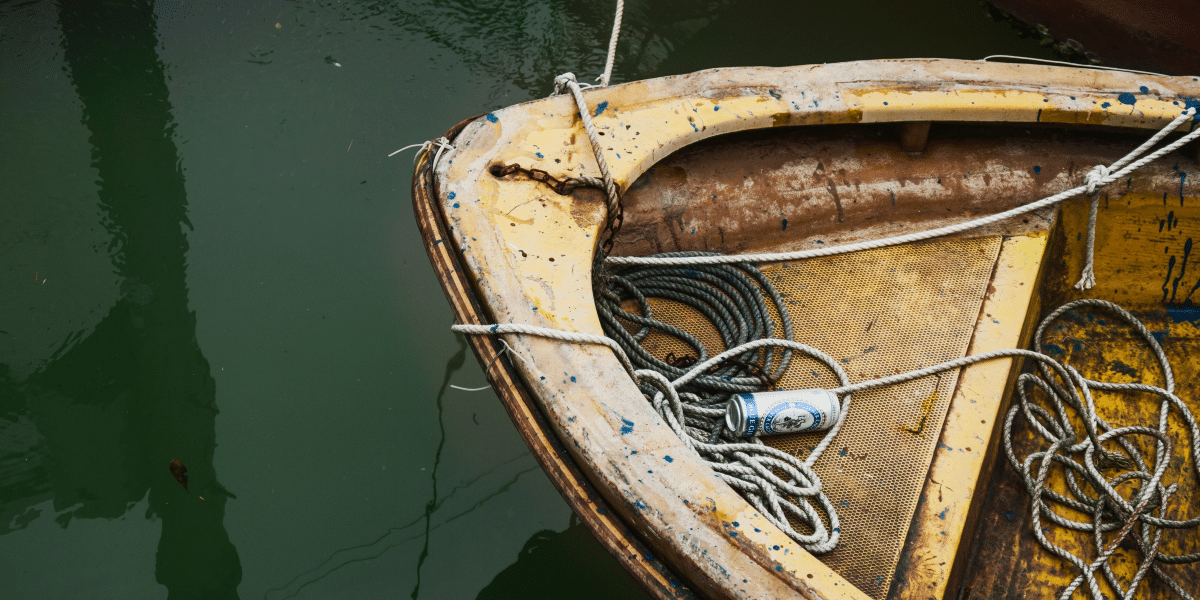
The exposed edges of your boat, especially those made of fiberglass or metal, are susceptible to damage from everyday use. Boat edge trim is a narrow strip of material applied along these edges to protect them from scratches, nicks, and abrasions caused by contact with docks, fenders, other boats, or foot traffic. Edge trim can also help prevent mold growth, rot, and structural weakening of your boat’s core material and help protect against sun damage.
Besides mechanical protection, edge trim can add a finished look to your boat’s interior and exterior as you can personalize the look of your vessel and complement the overall design scheme. Unfortunately, boat edge trims are susceptible to damage and will need replacement at some point. So, what are some of the signs that an edge trim needs to be replaced?
Visible Damage
Look out for cracks, tears, or cuts in the edge trim material itself. These indicate a loss of its protective barrier and could permit water or debris to infiltrate the underlying material.
Fading or Discoloration
Continuous sun exposure can degrade the material of the edge trim, causing it to fade or become brittle. As a result, the compromised material offers less protection and detracts from the boat’s aesthetics.
Deformation or Warping
Over time, exposure to harsh physical stress or weather conditions can cause the edge trim to lose its shape. This can reduce its effectiveness in protecting the edges of your boat and might look visually unappealing.
Loose Attachment
If the edge trim is no longer securely adhered to the underlying surface, it will no longer fulfill its protective role. Failing adhesive, loose fasteners, or damage to the bonding surface can cause this.
Loss of Color or Shine
Fading or discoloration due to continuous sun exposure can significantly affect the visual appeal of the edge trim, necessitating a replacement.
Visible Grime or Dirt Buildup
Over time, dirt, grime, and mold can accumulate on the surface of the edge trim, making it appear dull and unclean. While regular cleaning might help, it might be time to replace the trim if the material is significantly degraded.
Aesthetic Mismatch
If the trim no longer fits your overall design scheme, you may need to replace it to refresh the overall look of your boat’s interior or exterior.
Besides these specific signs, consider the overall age and condition of the edge trim. For example, if the trim has been on the boat for several years and shows general signs of wear and tear, it might be time to replace it, even if there are no immediate signs of failure.
Boat edge trim is typically made from robust materials such as rubber, PVC plastic, vinyl, or metal, depending on the specific application and desired properties. It is designed to prolong the longevity of your boat and enhance its aesthetics. Always look out for the signs of damage outlined above and schedule a timely replacement to prevent significant damage to your vessel.
Published By: Aize Perez


