







The Low Rider Parade in San Francisco stands as a vibrant celebration of culture, community, and craftsmanship. Each year, the city’s Mission District transforms into a rolling showcase of custom cars, artistic expression, and intergenerational pride. On September 20, 2025, the streets between Cesar Chavez and 17th Street will once again host this beloved event, drawing thousands of spectators and over 300 lowriders for a full day of festivities.
From bouncing hydraulics to gleaming chrome, the Low Rider Parade offers more than visual spectacle, it’s a living tribute to the legacy of low rider culture and its deep roots in California’s urban history.
The History Behind San Francisco’s Low Rider Parade
Low rider culture emerged in Mexican-American communities during the mid-20th century, with customized cars serving as symbols of identity, resistance, and artistry. San Francisco’s parade honors this heritage while embracing the city’s multicultural spirit.
Organized by local car clubs and cultural organizations, the event highlights the craftsmanship behind each vehicle and the stories of those who build and drive them. Many participants have spent years restoring their cars, often passing them down through generations. The parade celebrates that legacy while welcoming new voices into the fold.
What Attendees Can Expect
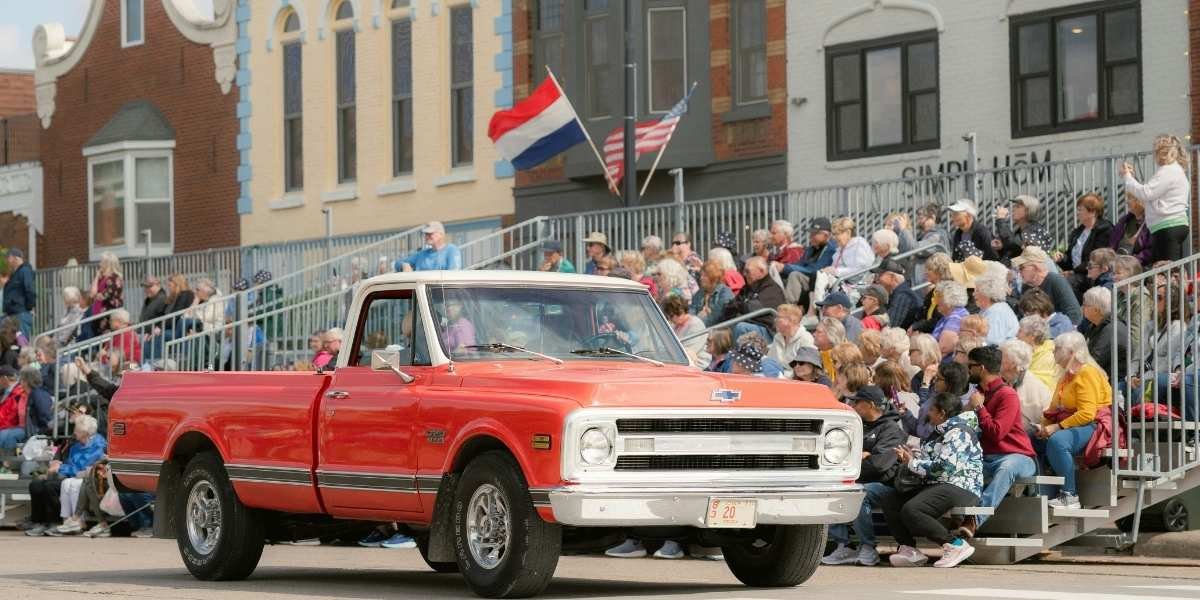
The Low Rider Parade typically begins in the Mission District, a neighborhood known for its Latino heritage and vibrant murals. Spectators line the sidewalks as cars cruise by, their paint jobs shimmering in the sunlight and sound systems pulsing with energy.
Beyond the parade, the day includes live music, dance performances, food vendors, and community booths. Local artists display their work, and families gather to celebrate shared history. A hopping competition at 24th and Mission and a sprawling car show from 2:00 PM to 8:00 PM round out the experience.
Expect to see vehicles adorned with velvet interiors, intricate murals, and hydraulic lifts that allow them to hop, tilt, and glide. Many feature tributes to cultural icons, family members, or historical moments, with every detail reflecting pride and purpose.
Cultural Significance and Community Impact
The Low Rider Parade serves as a platform for cultural preservation and community empowerment. By celebrating low rider culture, the event challenges stereotypes and promotes positive representation of Latino and Chicano communities.
Local leaders often use the parade to engage with residents, support youth programs, and highlight neighborhood initiatives. City officials frequently walk alongside car club members, reinforcing the event’s role in civic life.
As San Francisco continues to evolve, the parade offers a reminder of the communities that have shaped its identity. It’s a celebration of resilience, creativity, and connection.
Part of San Francisco’s Festival Landscape
San Francisco’s festival scene is rich and diverse, and the Low Rider Parade fits seamlessly into the city’s cultural calendar. It shares the spotlight with events like Carnaval, the North Beach Festival, and the Chinatown Autumn Moon Festival.
Many attendees discover the parade while exploring other seasonal celebrations. As noted in this overview of must-see San Francisco festivals, the city offers year-round opportunities to experience its cultural depth.
The parade also complements events like the Chinatown Autumn Moon Festival, which similarly honors heritage, tradition, and community pride. Together, these gatherings reflect San Francisco’s commitment to inclusivity and cultural storytelling.
Standout Cars and Clubs
Each year, standout vehicles and car clubs capture attention for their creativity and craftsmanship. One memorable entry featured a 1964 Chevy Impala with a hand-painted tribute to Frida Kahlo, complete with floral motifs and gold leaf accents.
A fleet from the Bay Area’s Unity Car Club showcased themes ranging from Aztec mythology to vintage hip-hop, with synchronized cruising and hydraulic choreography that drew cheers from every corner.
Veteran builders often mentor younger enthusiasts, sharing restoration techniques and cultural history. This intergenerational exchange ensures that low rider culture continues to thrive and evolve.
Tips for First-Time Visitors
Those planning to attend the Low Rider Parade are encouraged to arrive early for optimal viewing. The Mission District fills quickly, especially near intersections where cars perform hydraulic tricks and slow rolls.

Photo Credit: Unsplash.com
Photography is encouraged, every car offers something unique. Attendees should be respectful of the vehicles and their owners, many of whom have invested years into their builds.
Comfortable shoes, hydration, and curiosity are key. Local businesses often join the celebration with sidewalk sales, special menus, and live music, making it a perfect opportunity to support San Francisco’s small business community.
Why the Low Rider Parade Matters
In a city known for innovation and change, the Low Rider Parade offers something timeless. It celebrates artistry, identity, and resilience. It brings together generations, honors heritage, and turns public space into a canvas for self-expression.
For participants, the parade is a homecoming, a chance to reconnect with friends, family, and community. For spectators, it’s an invitation to learn, appreciate, and celebrate a culture that has shaped California’s urban landscape for decades.
As San Francisco continues to evolve, events like the Low Rider Parade serve as cultural anchors. They remind residents and visitors alike of the importance of honoring tradition while embracing progress. It’s not just about cars, it’s about people, pride, and the stories that roll through the streets.


