










California’s weather has always been dramatic, but in recent years, it’s become downright unpredictable. From atmospheric rivers and heat waves to wildfire smoke and flash floods, the state’s climate swings are testing the resilience of communities across the Bay Area. For San Francisco residents, navigating this weather roller coaster means staying informed, adaptable, and prepared for anything.
The state’s unique geography, with mountains, coastlines, valleys, and deserts, creates a complex climate system. But climate change is amplifying extremes, making it harder to predict and manage seasonal shifts. Whether it’s a sudden drop in air quality or a week of record-breaking rain, weather is no longer background noise, it’s a central part of daily life.
The New Normal: Unpredictable Weather Patterns
California’s weather used to follow a relatively stable rhythm: wet winters, dry summers, and mild transitions. That rhythm is now disrupted. In 2025 alone, the state has seen record-breaking rainfall in January, followed by drought warnings in March, and wildfire evacuations by July.
San Francisco, in particular, has felt the impact. Atmospheric rivers have flooded streets in the Mission and Sunset districts, while heat waves have strained energy grids and public health systems. These swings aren’t just inconvenient, they’re dangerous.
The unpredictability is also affecting long-term planning. Businesses, schools, and city agencies are rethinking how they schedule operations, manage infrastructure, and communicate with the public. Weather is no longer a seasonal concern, it’s a year-round challenge.
Air Quality and Seasonal Weather Shifts
One of the most visible consequences of California’s changing weather is the fluctuation in air quality. Wildfire smoke, coastal fog, and shifting wind patterns can dramatically alter the air residents breathe, sometimes within hours.
As explored in coverage of how San Francisco’s air quality is affected by seasonal weather patterns, the city’s microclimates play a major role. A sunny afternoon in the Marina can coincide with smoky skies in Bernal Heights, depending on wind direction and fire activity.
These conditions have real health implications. Vulnerable populations, including children, seniors, and those with respiratory conditions, are especially at risk. That’s why air quality monitoring apps, HEPA filters, and public alerts have become essential tools for daily life.
Emergency Preparedness in a Climate of Extremes
With weather events becoming more severe and less predictable, emergency preparedness is no longer optional. Bay Area residents are increasingly building go-bags, updating evacuation plans, and signing up for alert systems.
The importance of readiness is underscored in coverage of emergency go-bag essentials for San Francisco, which highlights the need for supplies that cover multiple scenarios, from earthquakes to wildfires to power outages.
Governor Gavin Newsom’s 2025 proclamation of September as “Preparedness Month” emphasized this urgency, citing the year’s destructive fires, mudslides, and earthquakes as proof that Californians must be ready for anything. Tools like the MyShake app, which provides early earthquake warnings, are part of a growing ecosystem of tech-enabled preparedness.
Infrastructure and Policy Responses
San Francisco’s infrastructure is being tested by extreme weather. Storm drains, transit systems, and public buildings are facing new stressors, and city planners are responding. Investments in green infrastructure, flood mitigation, and emergency shelters are underway, but challenges remain.
Policy responses are also evolving. The city is exploring zoning changes to support climate-resilient development, updating building codes to withstand heat and flooding, and expanding public education campaigns around weather safety.
These efforts reflect a broader shift: weather is now a policy issue. From transportation to housing to public health, climate resilience is shaping how San Francisco governs and grows.
Technology and Forecasting Tools
Advances in forecasting are helping residents and agencies stay ahead of the weather. Platforms like ECMWF and NOAA are using AI and satellite data to predict fire danger, rainfall intensity, and air quality shifts with greater accuracy.
Local startups are also entering the space, offering hyperlocal weather alerts, predictive analytics for logistics, and smart home integrations that respond to climate conditions. These tools are empowering individuals to make informed decisions, whether it’s rescheduling a delivery or evacuating ahead of a storm.
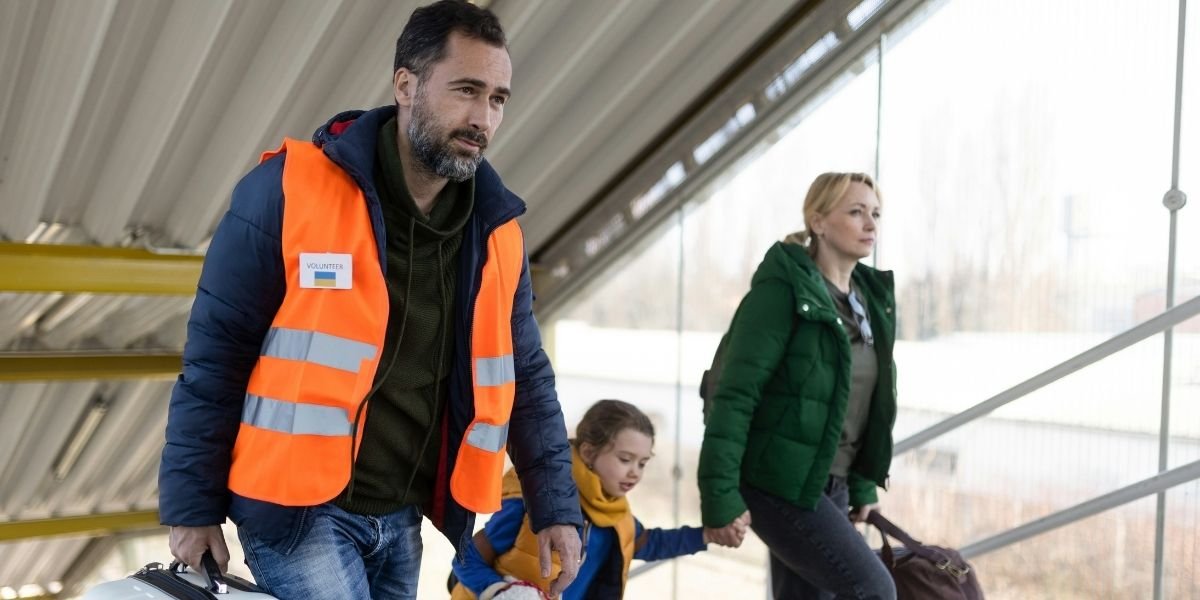
Photo Credit: Unsplash.com
Still, forecasting isn’t perfect. The complexity of California’s climate means that even the best models can miss sudden shifts. That’s why flexibility and redundancy are key, having backup plans, alternative routes, and multiple sources of information.
Community Resilience and Local Action
Weather resilience isn’t just about infrastructure, it’s about people. San Francisco’s neighborhoods are stepping up with mutual aid networks, community response teams, and local preparedness workshops. These grassroots efforts are filling gaps and building trust.
Libraries, schools, and community centers are hosting events to educate residents on weather safety, emergency planning, and climate science. These programs are especially important for non-English-speaking communities, seniors, and renters who may face barriers to traditional preparedness resources.
Local businesses are also adapting. Restaurants are investing in air filtration, delivery services are adjusting routes based on weather forecasts, and event planners are building contingency plans for outdoor gatherings. Weather is now part of the business model.
Why Weather Awareness Matters More Than Ever
California’s weather roller coaster isn’t slowing down, and San Francisco is riding the front car. For residents, businesses, and policymakers, staying ahead means embracing a new mindset: one that treats weather as a dynamic, daily factor in decision-making.
Whether it’s checking air quality before a morning run, packing a go-bag for wildfire season, or attending a city council meeting on flood resilience, weather awareness is becoming a civic skill. It’s about protecting health, preserving assets, and building a future that can withstand the unexpected.
And in a city known for innovation, creativity, and community spirit, San Francisco is well-positioned to lead the way.


