









Residents across the Bay Area woke to hazy skies, signaling a drop in air quality. Reports indicate the Air Quality Index (AQI) reached moderate and unhealthy levels for sensitive groups, particularly in areas like San Francisco, Oakland, Redwood City, and San Jose. The prolonged period of windless weather trapped pollutants near the ground, creating a dense layer of haze across the region.
Environmental experts noted that stagnant air conditions caused fine particulate matter to accumulate. Without wind to disperse emissions, pollutants from vehicles, wood burning, and industrial activity lingered in the lower atmosphere, resulting in a significant decline in air quality.
Commuters reported decreased visibility on highways, while residents noted a metallic taste in the air. These sensory experiences were confirmed by air quality monitoring stations, which recorded some of the worst air quality conditions in recent months.
Sources of Pollution Affecting Air Quality
The Bay Area’s air quality issues stem from multiple pollution sources. Vehicle emissions remain a primary contributor, especially during peak commuting hours. Additionally, industrial activity from factories and refineries adds to the mix, with pollutants accumulating under stagnant air conditions.
Wood burning, common in colder months, is another significant source of particulate pollution. Fireplaces and outdoor pits release fine particles that can aggravate respiratory conditions. On days without wind, these pollutants remain in the air longer, worsening the problem.
The region’s geography also plays a role. Surrounded by hills and valleys, the Bay Area frequently experiences inversion layers that trap pollutants near the surface. This natural phenomenon amplifies the impact of human activities, particularly during winter months.
Health Risks and Impact on Residents
Medical professionals are concerned about the impact of poor air quality on residents, even when AQI levels are considered moderate. Sensitive groups—such as children, the elderly, and individuals with respiratory or heart conditions—are particularly vulnerable to the effects of air pollution. Exposure to polluted air can lead to asthma attacks, coughing, and shortness of breath.
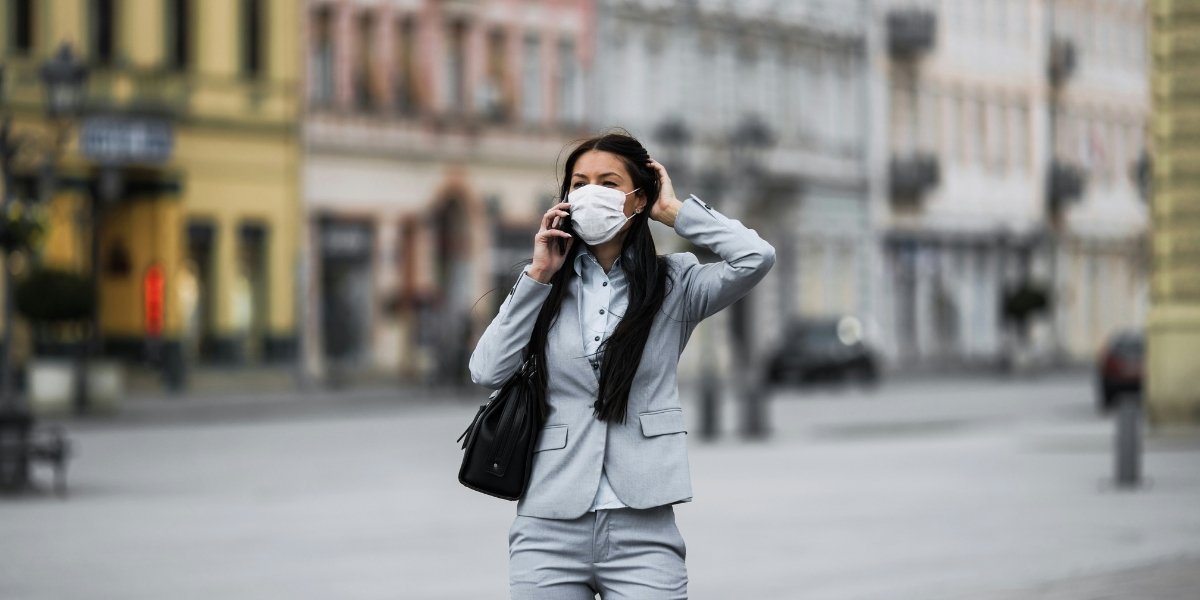
Hospitals have seen an increase in respiratory complaints during similar air quality events earlier in the season. Doctors are advising individuals to limit outdoor activities when AQI levels fall into unhealthy ranges. Masks designed to filter fine particulate matter can help reduce exposure, providing an additional layer of protection.
Public health agencies continue to stress the importance of monitoring air quality reports and adjusting daily activities accordingly. The growing recognition of air pollution’s impact on health has spurred action from both residents and local authorities.
Local Response to Declining Air Quality
Local authorities have issued a Spare the Air alert to address worsening air quality, which includes a ban on residential wood burning. This initiative is part of a broader strategy to reduce particulate emissions during stagnant weather events. Ensuring compliance with these measures is critical to improving air quality, even if the impact is incremental.
Community organizations have stepped up efforts to reduce emissions, using social media platforms to encourage carpooling and public transit use. These grassroots movements aim to help reduce pollution at the neighborhood level, contributing to better overall air quality.
In response to deteriorating air quality, schools have moved recess indoors, and some fitness classes have shifted to virtual formats. These adjustments highlight how local communities are quickly adapting to ensure public health and safety during periods of poor air quality.
Impact on Local Businesses and Tourism
The declining air quality is also affecting local businesses, particularly those that rely on outdoor spaces. Restaurants and cafes that offer outdoor dining are seeing fewer patrons choosing patio seating due to poor air conditions. As air quality worsens, the appeal of outdoor activities in the region diminishes, impacting business revenue.
Tourism officials have acknowledged that while short-term haze episodes rarely deter visitors, prolonged periods of poor air quality can alter perceptions of the Bay Area’s natural beauty. The region is known for its scenic views, but haze can significantly obscure landmarks like the Golden Gate Bridge and the Bay waters, making these iconic sights less visible to tourists.
Despite the challenges, local authorities continue to reassure the public that the Bay Area remains a safe and welcoming destination. The ongoing efforts to mitigate air pollution are designed to maintain the region’s reputation as a top tourism spot, even in the face of environmental challenges.
Addressing Air Quality in the Future
Meteorologists predict that air quality will improve once winds return to disperse pollutants. However, experts warn that extended winter inversions could bring recurring haze episodes throughout the season. The outlook suggests that residents may face similar challenges until weather conditions change.
Air quality officials continue to monitor conditions closely, using real-time data from sensors across the region to provide timely updates. Authorities emphasize transparency and preparedness, with a focus on informing the public and issuing advisories to protect residents during periods of poor air quality.
The increasing frequency of air quality issues underscores the Bay Area’s ongoing struggle with pollution. As urban growth and climate patterns intersect, the region will need to continue adapting to ensure both the health of its residents and the long-term sustainability of its environment.


