








San Francisco’s housing market in 2026 is marked by a stark divide between luxury demand and ongoing affordability struggles. Affluent neighborhoods such as Pacific Heights, Cow Hollow, and the Marina have seen significant price surges, becoming key hotspots for buyers seeking exclusivity and proximity to cultural amenities.
This divide highlights a broader transformation within the city’s real estate landscape. While some areas still struggle with supply issues, high-end districts are witnessing competitive bidding wars and record-breaking transactions. Experts note that demand in these areas continues to be driven by high-income tech professionals and global buyers eager to establish a presence in the Bay Area.
For many residents outside of these affluent areas, the price growth underscores a widening gap in housing affordability. While the luxury market thrives, many other neighborhoods remain in a constant battle to provide affordable housing options. This shift in San Francisco’s housing ecosystem affects communities in vastly different ways, creating growing disparities.
Pacific Heights and Cow Hollow: Prestige and Growth
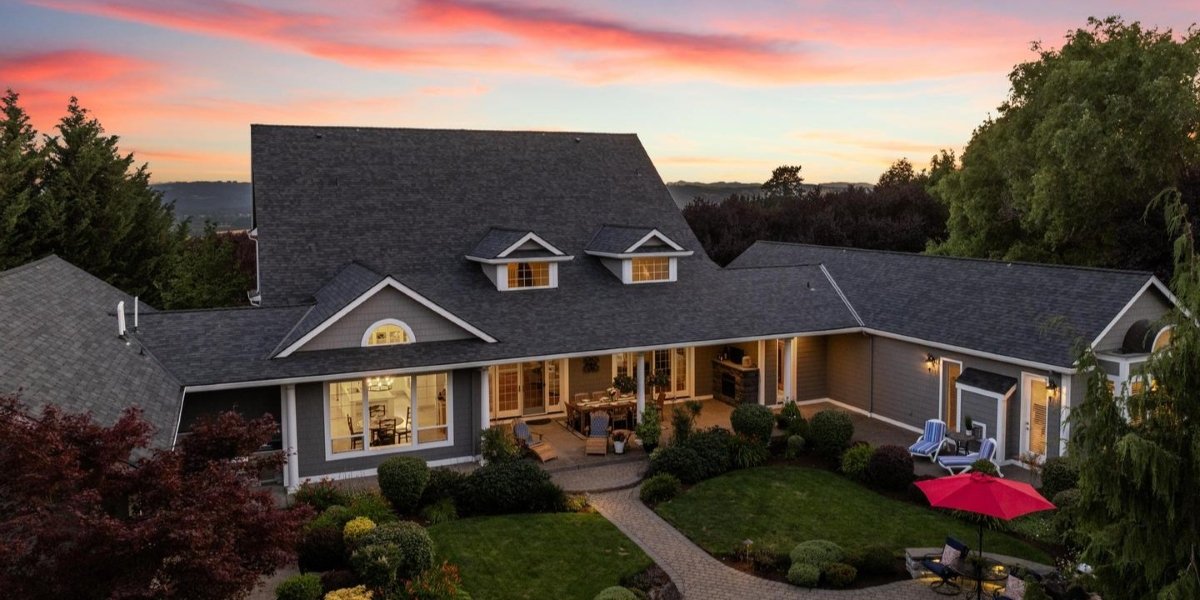
Pacific Heights has long been a symbol of San Francisco’s luxury real estate market. Recently, however, the area has seen prices climb to new heights, with homes offering panoramic views of the Bay commanding a premium. The neighborhood’s appeal lies in its blend of historic architecture and modern amenities, attracting affluent buyers looking for an upscale lifestyle.
Just a stone’s throw from Pacific Heights, Cow Hollow has also experienced rapid growth. Known for its boutique shopping and proximity to the Marina District, this neighborhood has become increasingly popular with young professionals who have high incomes. The area’s walkability, combined with its proximity to both work and leisure, adds to its appeal.
Together, Pacific Heights and Cow Hollow represent the shift toward luxury living in San Francisco. As these neighborhoods continue to evolve, they serve as a barometer for the broader housing trends seen throughout the city.
The Marina and Nearby Areas: Waterfront and Lifestyle Appeal
The Marina District has emerged as another focal point for high-end demand. Waterfront properties, as well as modern developments in the area, have attracted affluent buyers looking for a prime location combined with lifestyle benefits. The surge in prices, with some homes selling well above the asking price, is a testament to the district’s growing popularity.
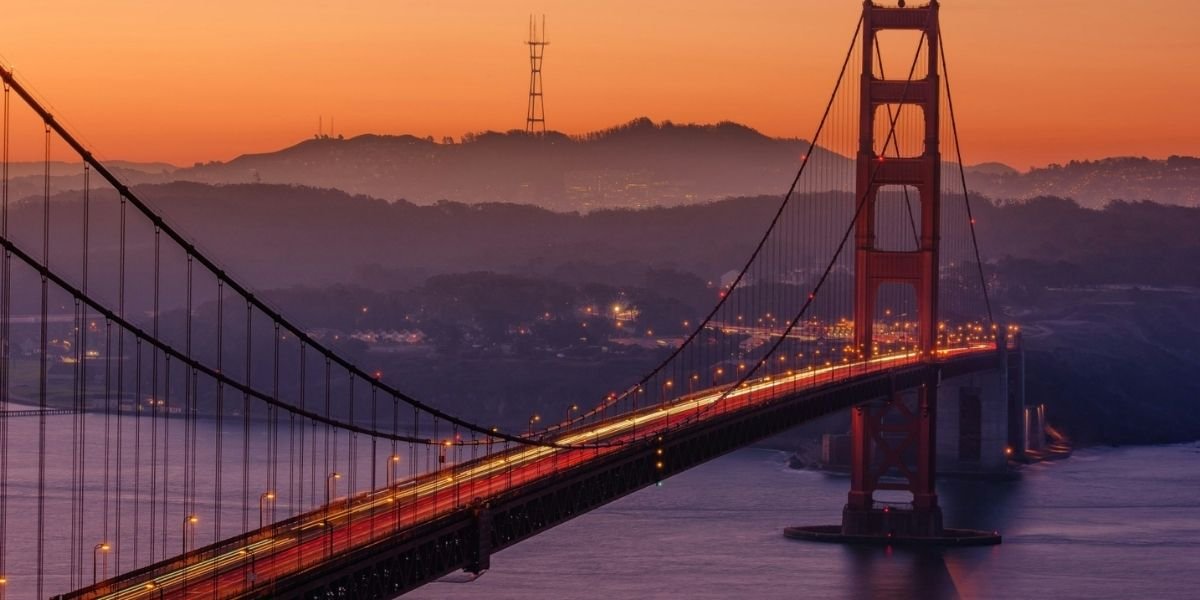
The Marina’s mix of recreational spaces, dining, and nightlife makes it highly desirable among professionals seeking convenience and culture. The district’s proximity to the Golden Gate Bridge and its reputation for vibrant community life only add to its allure.
As demand continues to rise in the Marina, nearby areas are experiencing the ripple effects. The broader luxury market in San Francisco is expanding beyond the core affluent neighborhoods, indicating how widespread the influence of these high-end sectors is becoming in reshaping the city’s real estate.
Market Forces Driving Affluent District Growth
Several key factors are fueling the continued growth in luxury districts. Chief among them is the ongoing tech wealth in the Bay Area, which continues to drive demand for upscale properties. Tech professionals looking for properties that align with their fast-paced, high-earning lifestyles remain a core market segment. In addition, international buyers continue to see San Francisco as an attractive destination for both business and leisure.
The city’s limited housing supply has played a major role in amplifying these trends. With few new developments in these high-demand areas, existing properties are commanding ever-higher prices. The resulting scarcity has intensified competition among buyers, further driving up prices.
Despite ongoing challenges around affordability for many residents, the city’s high-income population continues to sustain demand for premium properties. This dynamic allows luxury segments to flourish, even as other sectors face greater pressure due to supply constraints and rising costs.
Social and Economic Divide: Affluent Districts vs. Broader Housing Needs
The rise of luxury real estate in San Francisco has significant social implications. The booming demand in affluent districts has become emblematic of the city’s changing identity, shaped by wealth and exclusivity. Meanwhile, the affordability challenges faced by many residents in other neighborhoods reflect a widening divide within the city.
While some view the revitalization of high-end neighborhoods as beneficial, with improved amenities and rising property values contributing to a sense of pride, others express concern about the implications for diversity and accessibility. The growing disparity between these areas underscores the broader issue of balancing luxury demand with the needs of the city’s working-class residents.
The situation in San Francisco speaks to the complexity of housing trends, where economic growth in some areas comes with potential costs for social inclusivity.
Disclaimer: The information provided in this article reflects current housing trends in San Francisco based on available data. Housing markets are subject to change due to economic, political, and social factors. This article is for informational purposes only and does not constitute financial or investment advice.


