









By: Jonathan Pierce
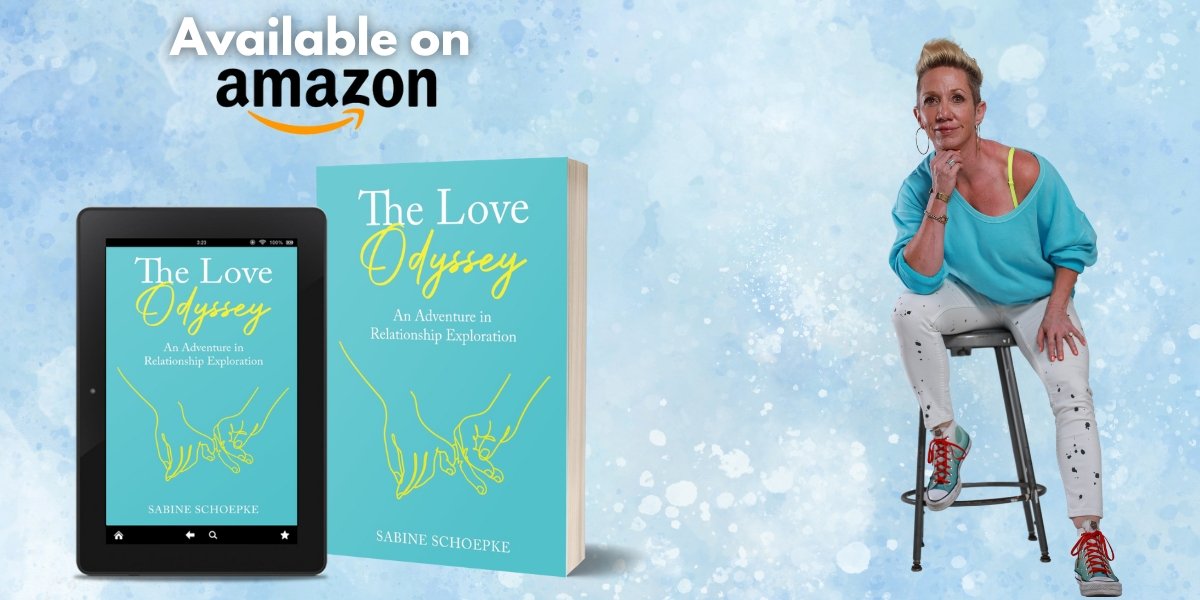
In her deeply resonant book The Love Odyssey, Sabine Schoepke invites readers into an intimate exploration of healing, reinvention, and emotional awakening in midlife. Her insights come from lived experience and from years spent guiding others through their own transformations. While her story is personal, the themes she explores are universal. Her message is clear. Healing is not about becoming perfect for someone else. It is about returning to yourself.
Schoepke speaks openly about the emotional work required before stepping into a new relationship. One of the truths she wishes everyone understood is that healing is not about fixing what is wrong. It is about reclaiming the parts of yourself that you silenced in order to survive. Many people believe that healing is preparation for a future partner. In her view, healing is preparation for your own joy and wholeness. When you heal, you begin choosing from truth rather than fear or habit. You stop abandoning your needs. You stop shrinking yourself to fit into someone else’s comfort zone. When you reconnect with the parts of yourself that went quiet, love begins to expand in entirely new ways.
Dating in the modern world adds a unique set of challenges, especially for those entering the dating landscape later in life. Schoepke has spent years observing how vulnerability evolves with age. She has learned that vulnerability is not a sign of weakness. It is a sign of discernment. It is the willingness to let someone see who you are without armor and without performance. That level of openness requires tremendous courage, particularly in midlife when people carry more stories, more scars, and more self-awareness. The chaotic nature of dating today can feel overwhelming, but there is a gift within that chaos. It gives adults the chance to date as their authentic selves rather than as the versions they created for acceptance, survival, or social expectation. When you show up as your real self, the entire experience shifts. You attract connections that match your truth rather than your old wounds.
Technology has also reshaped the dating landscape, and Schoepke views this shift with clarity and practicality. She believes that technology offers access, not intimacy. It widens the pool, but it cannot create depth. Real connection still requires presence, curiosity, and emotional availability. None of those things emerges from simply swiping left or right. At the same time, she recognizes that technology can serve as a bridge. It opens the door, but people must be willing to step through it and meet in the real world before fantasy replaces reality. The key is to let online tools support the search for connection without allowing them to substitute for the human experience of actually knowing someone.
Through her coaching work, Schoepke has seen firsthand how many misconceptions people carry about love. One of the most significant is the belief that love is something you find as if it were an object waiting on a shelf. In her view, love is something you choose. You choose it over and over again. People often assume that the right partner will soothe loneliness or repair old wounds. However, love does not outsource healing. Instead, love magnifies who you already are. If you enter a relationship expecting someone else to fill your emptiness, you place an impossible burden on both of you. Healing has to begin within.
Another misconception she often encounters is the expectation that love will feel perfect. Perfection in relationships is an illusion that prevents people from experiencing depth. Every relationship, even a beautifully aligned one, contains tension, misunderstandings, and moments that test both partners. If you leave every time the waters get choppy, you never reach the kind of love that is built on trust and truth. This is why Schoepke returns again and again to the metaphor of love as an odyssey. It is a journey filled with calm seas and storms. It requires communication, repair, and devotion. It is not defined by flawlessness but by commitment. It is shaped by countless small acts of effort that eventually create profound joy.
Writing a book that reveals personal truths requires bravery, and Schoepke approached this challenge with intentionality. She shares that she wrote from her truth rather than from her hurt. This distinction allowed her to remain honest without exposing details that did not serve the larger purpose. She was careful to protect the privacy of others and to honor her own boundaries. Her aim was never to write a tell-all narrative. Her goal was to illuminate the emotional lessons that shaped her growth. She wanted to reveal her heart without causing harm. She wanted to guide, not accuse. Because of this approach, the book feels generous rather than sensational. It opens the door to understanding without relying on dramatic revelation.
At the core of everything Schoepke teaches is the belief that love begins with the self. Healing, vulnerability, and emotional courage all grow from the willingness to sit with your own truth. When you reclaim the parts of yourself that you once abandoned, you begin to move through the world differently. You begin to love differently. And eventually, you begin to choose differently.
The Love Odyssey is more than a memoir or a relationship guide. It is an invitation to step into your life with honesty and hope. It reminds readers that it is never too late to begin again and that the greatest love story often starts within.


