
How Dr. Jennifer Wu Brings Wellness Dentistry to Sunnyvale

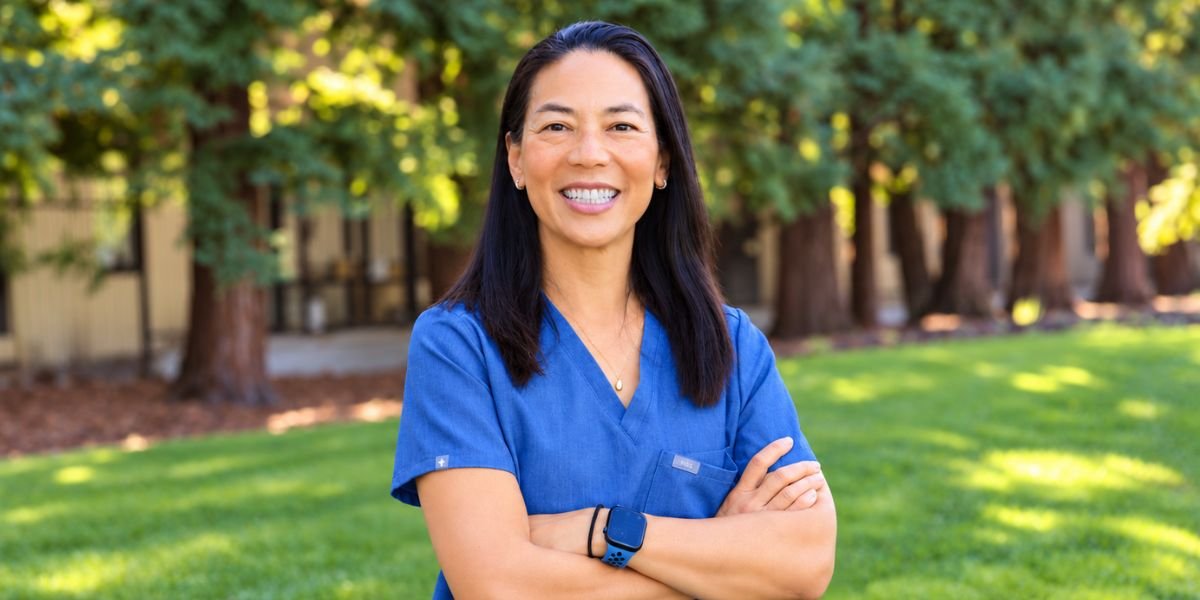
Most dental visits follow a familiar script. There is a cleaning, a quick exam, and a reminder to floss. At Dr. Jennifer Wu’s office in Sunnyvale, California, the first appointment covers more ground, with questions about sleep, breathing, food, gut health, and recent blood work.
Those questions reflect her approach to wellness dentistry, which treats the mouth as one part of the whole body rather than a separate set of parts to repair. “I’m looking at the mouth, not just the teeth,” she says. Dr. Wu graduated from the University of California, San Francisco School of Dentistry in 1998. Today she leads a team of nine at her Sunnyvale wellness dentistry practice, caring for about 2,500 patients ages 14 and up across general, wellness, and cosmetic dentistry.
What Does Wellness Dentistry Look Like in Practice?
Wellness dentistry considers oral health alongside sleep, breathing, nutrition, and gut health, built on the idea that the mouth and the rest of the body affect each other. Dr. Wu sees that influence running in both directions. The materials and procedures used in dental work can affect the body, and the mouth can reveal what is happening elsewhere.
In Dr. Wu’s office, the conversation starts before the exam does. Her team asks about energy levels, eating habits, and when each patient last saw a physician. The exam itself includes a look at saliva, the bacteria it carries, and the acidity of the mouth, along with a review of recent blood work.
She also watches for signs that point beyond the teeth. Inflammation, possible clues to diabetes, and indications of breathing problems during sleep, such as sleep apnea, can all show up in the mouth.
After each visit, patients receive an email summarizing what the team found and what to focus on at home. Nutrition is folded into the regular conversation rather than sold as a separate program. “Your genes are not your destiny,” she tells patients, a reminder that daily habits count.
How Did Dr. Jennifer Wu Find Her Way to Whole-Body Care?
Dr. Jennifer Wu traces her move into wellness dentistry to 2020. That year she heard Canadian dentist Dr. Uche Odiatu discuss food and gut health on a podcast, around the same time she was working with a functional nutritionist on her own health. The experience left her wanting her practice to ask deeper questions about root causes instead of focusing only on symptoms.
She went on to train with Dr. Katie To’s Wellness Dentist Institute. Looking back, Dr. Wu describes the change as a response to how dentistry has often been delivered. “For years, we’ve watched patients be treated as nothing more than a set of teeth in a chair,” she says.
Her long-term goal reaches past her own office. “My mission as a dentist is to build a bridge between doctors and dentists,” she says. Day to day, that means treating a patient’s physician visits, lab results, and health history as part of the dental conversation.
Why Does She Plan Care Around Patients Instead of Insurance?
Dr. Jennifer Wu’s view of patient care took shape early. After dental school she worked part-time in several offices, observing how each one ran its schedule and spoke with patients. A longer associate position beside senior dentists followed, and one lesson stayed with her. Understand what a patient is worried about before discussing any procedure.
Then the timing got complicated. Three weeks after her first child was born, a broker called about a small family practice less than ten minutes from her home. Her mother encouraged her to go see it, and that office became her practice. Learning to run a business while caring for a newborn took steady help from family and friends.
Nineteen years later, many patients from those first days still book appointments, and many families have stayed with the practice for a decade or longer. Those relationships shape how visits run. At each appointment, Dr. Wu explains what she sees and asks what matters most to the patient, and when more work is needed, she breaks the treatment plan into stages that fit the person’s life and schedule.
“Insurance should not decide your care. You and I should,” she says, describing how wellness dentistry shapes her treatment planning.
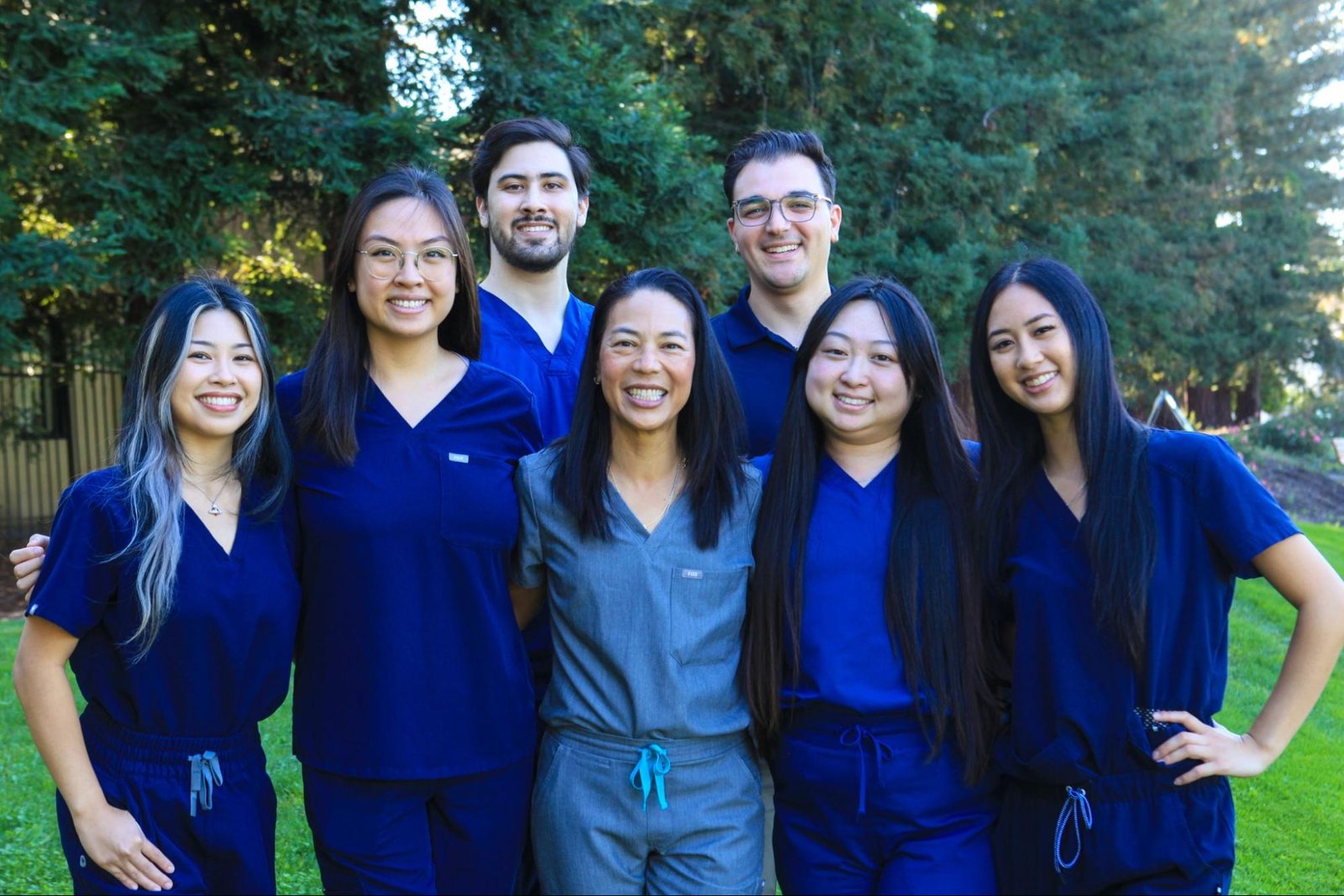
Photo Courtesy: Dr. Jennifer Wu
How Does Digital Planning Shape Her Cosmetic Bonding Work?
Cosmetic bonding is a procedure in which tooth-colored material is applied to repair a chip, close a small gap, or even out uneven teeth. “Cosmetic bonding is one of my favorite treatments to do,” says Dr. Jennifer Wu.
Her process puts the plan in front of the patient early. She begins with a digital scan, designs the proposed smile on screen, and produces a mockup so patients can preview the change and ask questions before any work begins. Maintenance gets the same candor. She explains up front that bonding can chip or stain over time and may need touch-ups.
What Training and Technology Support the Practice?
Dr. Jennifer Wu has kept studying well beyond dental school, and much of that coursework supports her wellness dentistry work. She is trained in CEREC, a system that lets her make ceramic full or partial crowns in a single visit, and in Bioclear, a conservative method for closing black triangles, the small dark gaps that can form between teeth near the gumline. Her training also covers SureSmile clear aligners for straightening teeth, plus advanced coursework through Spear Education.
Two more credentials are in progress. SMART certification focuses on protocols for safely removing older silver amalgam fillings, which contain mercury, while Digital Smile Design training builds on the on-screen planning she already uses for cosmetic cases.
Software helps too. The practice uses artificial intelligence to help flag cavities and other concerns on X-rays, and patients can view the same images on screen as Dr. Wu walks them through what she sees. She reviews every result personally and makes all decisions about care.
Life Beyond the Dental Chair
Away from the office, Dr. Jennifer Wu lifts weights and plays pickleball. Service matters to her as well. She joined a UCLA volunteer dental trip to Guatemala alongside her brother and has taken part in a California Dental Association community event.
Looking ahead, she hopes to see more dentists and physicians working together on behalf of shared patients. In Sunnyvale, her version of wellness dentistry already builds that idea into every visit, from the health history questions to the smile preview to the follow-up email.
New patients hear it in her introduction. “Hi, I’m Dr. Wu. I’m a wellness dentist, and I help people live healthier lives, starting with the mouth.”
About Jennifer Wu, DDS
Jennifer Wu, DDS, is a wellness dentist in Sunnyvale, California, with 28 years in practice. A 1998 graduate of the UCSF School of Dentistry, she leads a team of nine caring for patients ages 14 and up. Her practice offers general, wellness, and cosmetic dentistry with a whole-body approach that considers how sleep, breathing, food, and gut health connect to the mouth, and she plans care around the person rather than the insurance plan.
Her mission is to build a bridge between doctors and dentists in support of patients’ whole-body health. Her values are faith, family, health, leadership, service, integrity, and continuous growth. Her training includes CEREC, Bioclear, SureSmile, and Spear Education, with SMART and Digital Smile Design certifications in progress. Her motto is “Confident Smiles, Healthy You!” The practice can also be found on Dr. Jennifer Wu’s Instagram and the Jennifer Wu, DDS Facebook page.
Contact information
Jennifer Wu, DDS
Office phone: (408) 733-0840
Office email: info@drjenniferwu.com
Website: drjenniferwu.com
Disclaimer: This article is provided for general informational and educational purposes only and does not constitute medical or dental advice, diagnosis, or treatment. The information discussed, including references to oral-systemic health, nutrition, sleep and breathing concerns, diabetes, dental materials, amalgam removal, cosmetic procedures, and technology used in dental care, should not be interpreted as a recommendation for any particular treatment or approach. Individual dental and healthcare needs vary, and any concerns about oral health, medications, medical conditions, sleep, nutrition, or treatment options should be discussed with a qualified dentist, physician, or other appropriate healthcare professional. Readers should not delay or replace professional evaluation or treatment based on information presented in this article.

