
San Francisco Proposes $30 Minimum Wage for Airport Workers

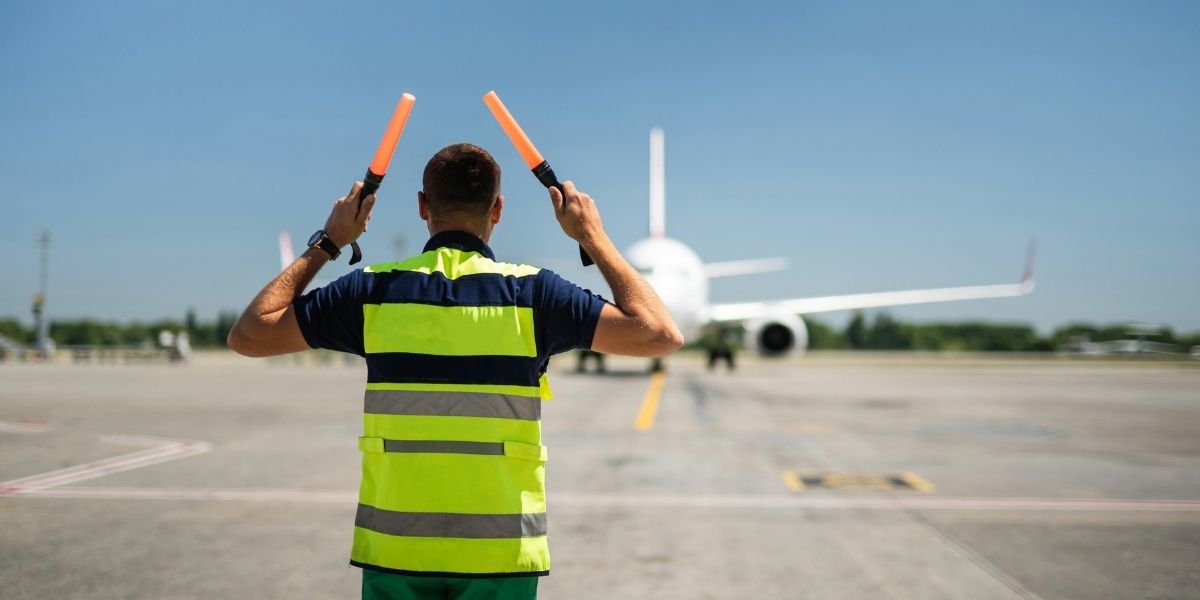
A proposal to raise the San Francisco airport minimum wage to $30 an hour by 2030 would affect thousands of workers in baggage handling, wheelchair assistance and other services. Supervisor Rafael Mandelman’s measure excludes terminal restaurants and retail shops. Existing pay standards, worker eligibility and potential contractor costs are central to the debate.
Key Takeaways
- Supervisor Rafael Mandelman has proposed a $30 hourly minimum for certain SFO workers by 2030
- The airport’s current Quality Standards Program floor is $22.51 an hour, effective July 1, 2026
- A union official estimates more than 10,000 subcontractor employees could be affected
- Terminal restaurant and retail workers are outside the proposal’s stated scope
- The Board of Supervisors has not approved the increase
At SFO, the proposed $30 rate would be $7.49 above the current minimum for covered employees, a difference of about 33% before intervening wage adjustments.
The proposal follows more than a year of wage negotiations between ground-service workers and contractors. Its introduction does not change paychecks, and a final implementation schedule remains subject to approval.
The Proposed $30 Rate Exceeds SFO’s Current Wage Floor
San Francisco International Airport’s Quality Standards Program sets a minimum hourly rate of $22.51 for covered employees, effective July 1, 2026. The program covers certain airport operations jobs. It is distinct from San Francisco’s general minimum wage, which rose to $19.61 on the same date.
The airport’s rate also exceeds California’s 2026 minimum wage of $16.90 per hour. Employees working in the same terminal may therefore be subject to different wage rules.
At a hypothetical 40 hours a week, the difference between $22.51 and $30 would amount to $299.60 in gross weekly pay. That compares wage floors, not individual earnings. Actual pay depends on hours, existing rates and any subsequent changes.
San Francisco first adopted special minimum compensation standards for a subset of airport workers in 1999. The new proposal would set a higher target for the workers it covers, subject to formal approval.
Ground-Service Employees Are Included, but Terminal Shops Are Not
The proposed ordinance would cover baggage handlers, wheelchair attendants, aircraft cabin cleaners and car rental workers. Many of those jobs are performed by employees of private contractors serving airlines or airport businesses rather than by direct employees of SFO.
Sanjay Garla, first vice president of Service Employees International Union-United Service Workers West, estimates that more than 10,000 subcontractor employees could be affected. That is a union estimate, not a confirmed eligibility count.
The proposal would not include staff at airport restaurants, cafes or retail shops. Those employees negotiated separate raises following a three-day strike in 2024. Airport hotel workers are also outside the proposed San Francisco increase, unlike some categories addressed under Los Angeles airport wage rules.
Ground-service employees have spent more than a year negotiating with contractors over pay and employment conditions, according to reporting by KQED and the San Francisco Standard. The talks have included requests related to benefits, paid leave and staffing as well as wages.
In June 2026, the San Francisco Standard identified Unifi and ABM as two ground-service employers involved in negotiations that had begun in April 2025.
Nestor Dolde, a longtime SFO wheelchair attendant, told the San Francisco Chronicle that working long shifts leaves his household struggling to cover basic expenses.
“We are living paycheck to paycheck,” Dolde said.
His account does not establish every covered worker’s circumstances.
Living Costs and Contractor Expenses Complicate the Proposal
San Francisco’s housing market provides context for the wage debate. Rising San Francisco rents have drawn attention to affordability across the region. SFO is located in San Mateo County, where Dolde said his household struggles with rent, gasoline and other basic expenses.
The Massachusetts Institute of Technology’s Living Wage Calculator estimated that a single adult without children needed $38.44 an hour to cover basic living expenses in San Mateo County in 2026, assuming full-time work. That estimate is a modeled benchmark, not a legal requirement or a measure of every airport worker’s needs.
For airport contractors, a higher wage floor could increase payroll obligations for covered positions. The cost would depend on existing wages, job classifications and hours. No verified estimate has established what, if anything, the proposal would mean for airfares, service fees or passenger costs.
Los Angeles provides a limited comparison. Its airport wage framework sets a $25 cash-wage minimum for covered employees starting July 2026 and a $30 target in 2030. Different coverage rules and health-benefit provisions mean the two cities’ arrangements should not be treated as identical.
As of November 6, San Francisco’s measure remained a proposal awaiting a full Board of Supervisors vote. Mandelman is due to leave office at the end of 2026. Seven supervisors have joined as co-sponsors, according to the San Francisco Chronicle, and Supervisor Matt Dorsey has said he intends to advance the proposal afterward.
Frequently Asked Questions
Has the San Francisco airport minimum wage reached $30?
No. The San Francisco airport minimum wage increase is a proposal that would set a $30 hourly target by 2030 for certain workers. It has not been approved by the Board of Supervisors.
What is the current minimum wage for covered SFO workers?
The Quality Standards Program minimum is $22.51 an hour as of July 1, 2026. That figure applies to covered airport workers and is different from San Francisco’s citywide minimum wage of $19.61.
Which airport employees would qualify for the proposed increase?
The proposal includes baggage handlers, wheelchair attendants, cabin cleaners and car rental staff. Terminal restaurant, cafe, retail and airport hotel workers are not included in its stated coverage.
Would a $30 wage increase make flights more expensive?
There is no verified projection linking the proposal to a change in ticket prices. Any effect on airport service costs would depend on the final rules and how employers respond.

