
Bay Area Transit Funding Measure Gains Majority Support

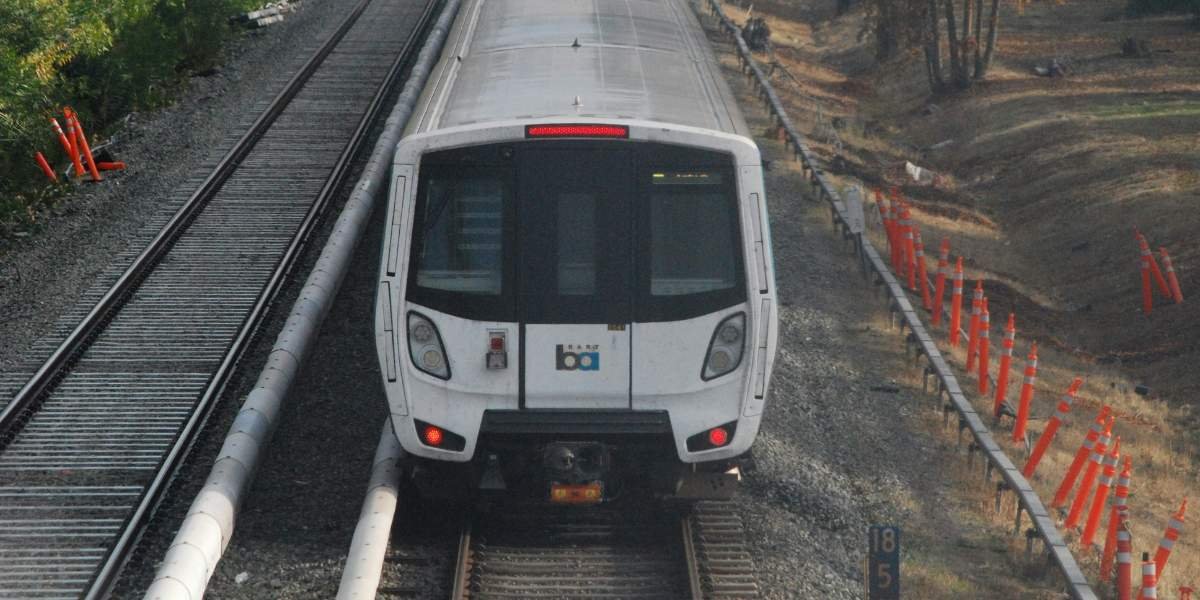
Voters across five Bay Area counties have backed a regional transportation funding measure expected to generate approximately $980 million annually over 14 years. Preliminary results from the November 3, 2026, election showed majority support for the Regional Transit Measure (RTM), which would provide operating revenue for BART, Muni, Caltrain, AC Transit, and other transportation services. The measure also includes funding for passenger improvements and local transportation priorities throughout the region.
Key Takeaways
- Preliminary results on November 4 showed more than 61% support for the Regional Transit Measure
- The 14-year sales tax is projected to generate approximately $980 million annually
- The measure covers Alameda, Contra Costa, San Francisco, San Mateo, and Santa Clara counties
- BART, Muni, Caltrain, AC Transit, and other regional operators would receive funding
- Revenue would support transit operations, passenger improvements, and local transportation projects
Regional Transit Measure Receives Majority Support Across Five Counties
The Regional Transit Measure received majority support across five Bay Area counties in the November 3 election. Preliminary results released by the Metropolitan Transportation Commission (MTC) showed 61.5% support as of the morning of November 4, with more than 1.1 million ballots counted.
Later preliminary returns continued to indicate that the measure had passed the simple-majority threshold required for approval. However, the results remained subject to official certification.
The measure covers Alameda, Contra Costa, San Francisco, San Mateo, and Santa Clara counties. Early county-level results showed support reaching 77.6% in San Francisco and 65.2% in Alameda County.
The regional proposal was developed to address projected operating deficits facing major transportation agencies. BART, Muni, Caltrain, and AC Transit have reported financial challenges associated with changing ridership patterns, operating expenses, and the reduction of pandemic-era federal assistance.
Without additional revenue, agencies had warned that they could face substantial service reductions. The measure would provide an additional funding source for maintaining existing transit operations while supporting selected improvements.
Regional Sales Tax Expected to Generate $980 Million Annually
The Regional Transit Measure establishes a 14-year sales tax intended to generate approximately $980 million in annual transportation revenue.
The tax rates differ among the participating counties:
- San Francisco would implement a 1% sales tax
- Alameda, Contra Costa, San Mateo, and Santa Clara counties would each implement a 0.5% sales tax
Approximately 63% of the revenue would support operations at regional transportation agencies, including BART, Muni, Caltrain, AC Transit, San Francisco Bay Ferry, and Golden Gate Transit.
About one-third would be directed toward other local transportation priorities. Eligible uses include transit infrastructure, vehicles, local services, and road improvements along routes used by public transportation.
An additional allocation of approximately 5% would support passenger improvements and the administration and oversight of the funding program. These improvements include accessibility upgrades, wayfinding, signage, and discounted fare initiatives.
The projected revenue is intended to help agencies manage recurring expenses, including personnel, equipment maintenance, and scheduled transportation services.
Actual collections will depend on taxable sales activity across the participating counties.
BART, Muni, Caltrain and AC Transit Included in Funding Plan
The proposed funding arrangement covers transportation agencies responsible for major bus and rail networks throughout the Bay Area.
BART operates rapid transit services connecting San Francisco with the East Bay, the Peninsula, and other regional destinations. Its financial requirements include maintaining train operations, stations, equipment, and passenger services.
BART has also introduced operational changes, including revisions to train schedules that took effect in August 2026. The adjustments affected train spacing, transfer connections, and platform operations at several stations.
Muni provides transportation within San Francisco through buses, light rail, cable cars, and other services operated by the San Francisco Municipal Transportation Agency.
Caltrain connects San Francisco with communities along the Peninsula and into Santa Clara County, serving commuters traveling between residential areas and employment centers.
AC Transit operates bus routes across Alameda and Contra Costa counties, including connections with BART and other transportation providers.
The measure would also support services operated by San Francisco Bay Ferry, Golden Gate Transit, and other eligible regional transportation agencies.
These operators serve different areas but form an interconnected transportation network. Funding decisions affecting one service can influence passenger connections and travel options across multiple counties.
Passenger Improvements and Local Transportation Priorities
The Regional Transit Measure includes funding for improvements beyond the operating budgets of major transit agencies.
Approximately one-third of the revenue would be distributed to designated local transportation organizations, including the Santa Clara Valley Transportation Authority, SamTrans, the Contra Costa Transportation Authority, and the Alameda County Transportation Commission.
These allocations could support local transit services, infrastructure, vehicle purchases, and improvements to roads serving public transportation.
Passenger-focused funding is also included in the measure. Eligible improvements involve accessibility, navigation, and programs intended to make transportation more affordable for qualifying riders.
Regional transportation needs extend beyond bus and rail networks. For example, Bay Area ferry fare changes took effect in July 2026, affecting routes connecting San Francisco with Oakland, Alameda, Richmond, South San Francisco, and Vallejo.
Ferry operations are among the services eligible for support under the regional funding framework.
The measure recognizes that passengers may rely on several types of public transportation to complete their journeys. Local infrastructure, service availability, and connections between operators all affect regional mobility.
Transit Agencies Face Additional Financial Oversight Requirements
The Regional Transit Measure includes accountability provisions governing the use of its revenue.
Under Senate Bill 63, the legislation authorizing the measure, MTC must conduct financial efficiency reviews of BART, Muni, Caltrain, and AC Transit. These reviews are intended to examine agency operations and identify opportunities to manage costs.
An independent oversight committee will participate in the review process, and agencies will be required to implement cost-saving plans.
These requirements address how participating transportation operators manage existing resources alongside any additional revenue generated through the measure.
The funding framework also distinguishes between regional agency operations, local transportation allocations, and passenger improvements. This structure establishes separate purposes for different portions of the revenue.
For Bay Area residents, the measure’s effects will depend on how participating agencies allocate funds, maintain transportation services, and carry out eligible improvements.
Although preliminary election results indicate approval, implementation remains subject to the applicable election certification and administrative processes.
Frequently Asked Questions
What is the Bay Area Regional Transit Measure?
The Regional Transit Measure is a 14-year transportation sales tax covering five Bay Area counties. It is designed to provide additional funding for public transit operations, passenger improvements, and local transportation projects.
How much revenue will the transit measure generate?
The measure is projected to generate approximately $980 million annually. Actual revenue will depend on taxable sales activity in the participating counties.
Which counties are included in the Regional Transit Measure?
The measure covers Alameda, Contra Costa, San Francisco, San Mateo, and Santa Clara counties. Preliminary November 2026 election results showed majority support across the five-county region.
Which transportation agencies will receive funding?
BART, Muni, Caltrain, AC Transit, San Francisco Bay Ferry, and Golden Gate Transit are among the operators eligible for funding. Additional allocations will support designated local transportation organizations and passenger improvements.
How long will the Bay Area transit sales tax remain in effect?
The measure establishes a 14-year sales tax. San Francisco would apply a 1% rate, while the other four participating counties would apply a 0.5% rate.

