Skydio Expands Hayward Factory as Bay Area Site Search Begins

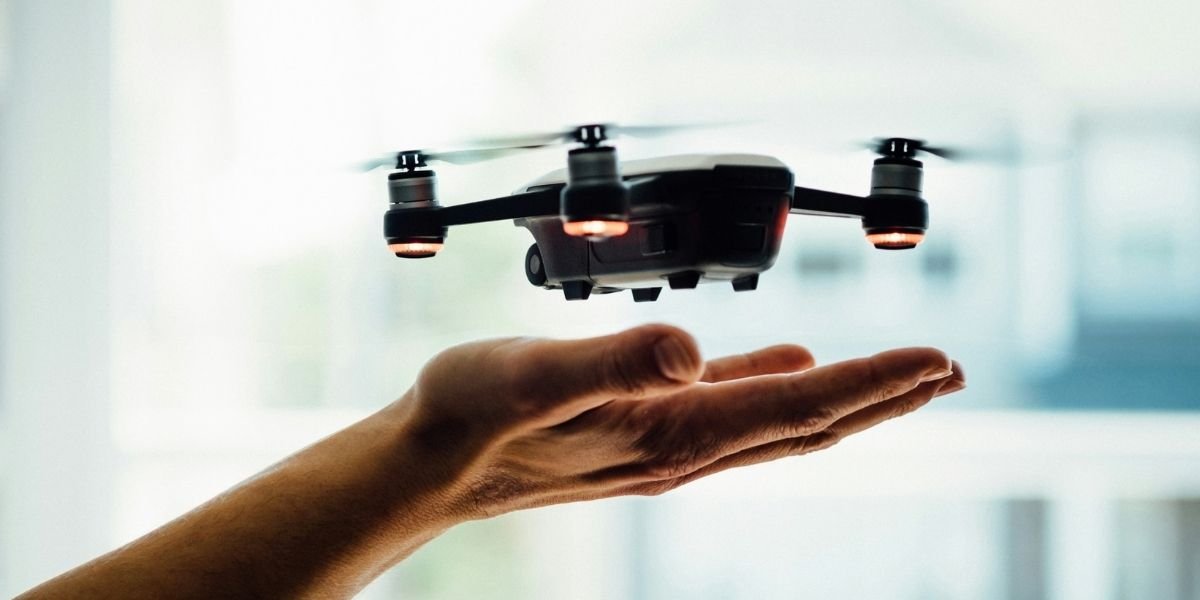
Skydio is expanding its drone manufacturing operation in Hayward and searching for a larger Bay Area facility. The autonomous-drone company has doubled its manufacturing space and workforce at the East Bay site, creating a need for additional production capacity as its operations continue to expand.
Key Takeaways
- Skydio is expanding its drone manufacturing operation in Hayward
- The company has doubled its manufacturing space at the existing facility
- Skydio has also doubled its manufacturing workforce
- The company is searching for a larger Bay Area facility
- The expansion adds manufacturing activity to the region’s technology sector
Skydio Expands Its Hayward Manufacturing Operation
Skydio is expanding its Bay Area drone manufacturing operation at its Hayward facility while searching for a larger site in the region. The expansion involves both the physical manufacturing operation and the workforce supporting production at the East Bay location.
The company has doubled its manufacturing space at the Hayward site. That increase provides additional room for the company’s drone manufacturing activities and forms part of the current expansion of its production operation.
Skydio has also doubled its manufacturing workforce at the facility. The increase in staffing accompanies the expansion of the physical manufacturing operation and adds employees to the company’s Hayward production activities.
The changes affect the company’s existing operation rather than representing only a future plan. Skydio is already operating an expanded manufacturing facility in Hayward while evaluating options for additional space elsewhere in the Bay Area.
The search for another facility gives the company’s current expansion a second component. In addition to increasing capacity at its existing location, Skydio is looking for a larger facility that can support its manufacturing operation.
Manufacturing Space and Workforce Double at Hayward Site
The Hayward site has doubled in manufacturing space, giving Skydio a larger physical operation for producing its drones. The company has also doubled the workforce assigned to manufacturing at the facility.
The two changes provide separate measures of the expansion. The increase in floor space concerns the company’s physical production capacity, while the increase in employees concerns the workforce operating that production facility.
Skydio’s manufacturing workforce is based at the Hayward operation, making the East Bay site an active part of the company’s production activities. The facility is used for manufacturing the company’s drones rather than serving only as an office location.
The expansion comes as autonomous aircraft gain a larger role across the region. Plans for Bay Area drone deliveries provide another example of drone technology moving into commercial operations around San Francisco, Oakland and San Jose.
The doubling of manufacturing space and staffing provides the clearest measure of the change at the Hayward site. Both figures describe expansion that has already taken place at the existing operation.
Skydio Searches for a Larger Bay Area Facility
Skydio is searching for a larger facility in the Bay Area as its Hayward manufacturing operation expands. The facility search is connected directly to the company’s need for additional manufacturing space.
The search does not replace the existing Hayward operation. Skydio has already expanded the manufacturing space and workforce at that site, while the company is separately looking for a larger facility in the region.
The Bay Area search keeps the company’s manufacturing expansion geographically connected to its existing operation. Hayward remains the location identified for its current manufacturing facility, while the larger-site search covers the wider Bay Area.
For Skydio, the facility question concerns physical space for manufacturing rather than simply additional office capacity. The company is seeking a location that can accommodate the needs of its drone production operation.
The search follows the doubling of manufacturing space and workforce at the Hayward site. Those changes provide the immediate factual basis for the company’s need to consider additional facility capacity.
The expansion therefore involves both an existing-site increase and a search for a larger location. The Hayward facility has grown, while Skydio is assessing additional space within the Bay Area.
Hayward Supports Skydio Drone Production
Hayward is the location of Skydio’s existing drone manufacturing facility in the East Bay. The site supports the physical production of the company’s drones and employs the manufacturing workforce that has doubled as part of the expansion.
The location gives Skydio a manufacturing operation within the Bay Area, with the Hayward facility directly connected to the company’s production activities.
The increase in manufacturing space has expanded the physical footprint available for production. The corresponding increase in manufacturing employees has expanded the workforce operating at the facility.
Skydio’s search for a larger Bay Area facility also keeps Hayward relevant to the company’s current manufacturing strategy. The existing location is expanding while the company evaluates additional space elsewhere in the region.
The Hayward operation therefore serves as the starting point for the company’s current facility expansion. The changes at the site provide the factual basis for the company’s search for a larger manufacturing location.
The facility’s role in drone production also connects the expansion with the region’s broader robotics sector. Generalist, a Bay Area robotics startup, is developing AI foundation models intended to operate across different types of robotic systems.
Expansion Adds Capacity to Bay Area Technology Manufacturing
Skydio’s expansion adds manufacturing activity to the Bay Area technology sector through increased production space and staffing in Hayward. The company’s current facility has doubled its manufacturing space, and the manufacturing workforce has also doubled.
The changes provide a concrete manufacturing component within the company’s Bay Area operations. The expansion is tied specifically to drone production at the Hayward facility.
The search for a larger facility adds another element to that manufacturing activity. Skydio is increasing the size of its existing operation while also looking for a larger Bay Area location to support its production needs.
For Bay Area businesses, the development involves demand for physical industrial space and manufacturing workers. The company is evaluating additional facility capacity while maintaining its expanded Hayward operation.
For technology workers, the workforce increase provides a direct employment component to the expansion. The manufacturing workforce at the Hayward site has doubled alongside the increase in manufacturing space.
For the East Bay, the Hayward facility provides a local base for Skydio’s drone production. The company’s facility search also connects that existing operation to a wider Bay Area search for additional manufacturing space.
The expansion is defined by three reported developments: Skydio has doubled manufacturing space in Hayward, doubled its manufacturing workforce and begun searching for a larger Bay Area facility. Together, those changes describe the company’s current expansion of drone manufacturing capacity.
Frequently Asked Questions
Where is Skydio’s drone manufacturing facility located?
Skydio’s existing drone manufacturing facility is located in Hayward in the East Bay. The site is used for the company’s drone manufacturing operations.
How much has Skydio’s Hayward manufacturing operation expanded?
Skydio has doubled the manufacturing space at its Hayward facility. The company has also doubled its manufacturing workforce at the site.
Why is Skydio searching for a larger Bay Area facility?
Skydio is searching for a larger Bay Area facility as its manufacturing operation expands. The search follows the doubling of manufacturing space and workforce at the Hayward site.
What does Skydio manufacture in Hayward?
Skydio manufactures drones at its Hayward facility. The site is part of the company’s Bay Area drone manufacturing operation.
Is Skydio expanding its manufacturing workforce?
Yes. Skydio has doubled its manufacturing workforce at the Hayward facility as part of the expansion of its manufacturing operation.