Hyde Ride Brings New Cable Car Experience to San Francisco Locals

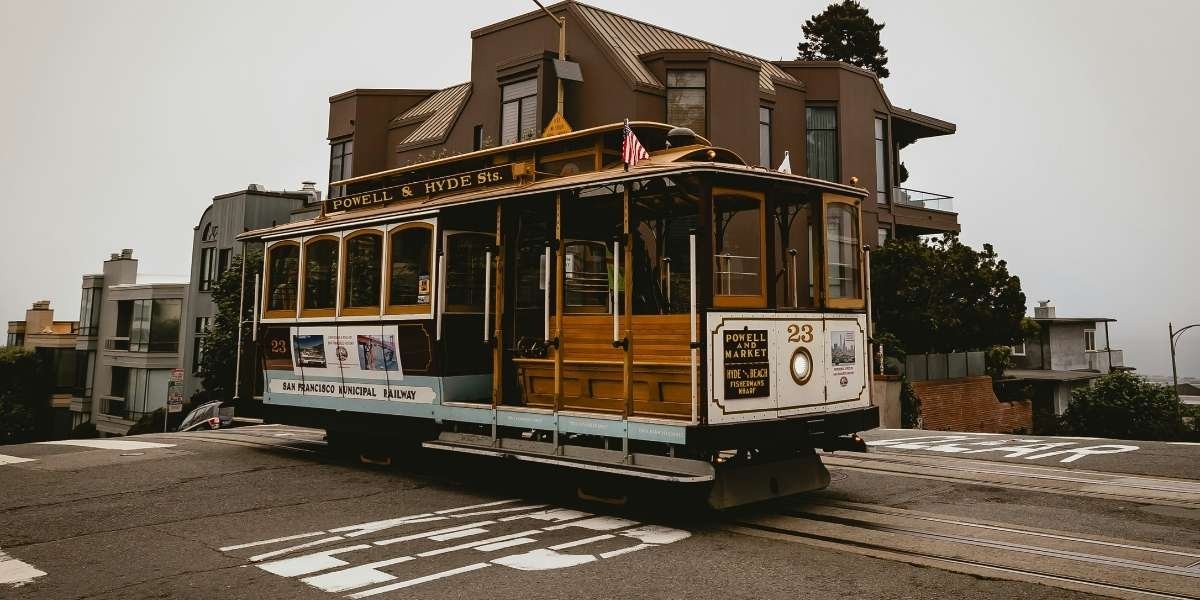
San Francisco’s Municipal Transportation Agency has launched the Hyde Ride, a limited-time cable car service created for local residents. Operating on a historic route with volunteer docents and experienced operators, the experience offers a new way to explore the city’s transit heritage while encouraging greater community engagement with an iconic public transportation system.
Key Takeaways
- Muni introduced the Hyde Ride as a limited-time cable car experience for local residents.
- The service operates Friday through Sunday through early October using historic cable cars.
- Volunteer docents provide historical information during the ride.
- The route avoids the busiest tourist boarding area while traveling through several well-known San Francisco neighborhoods.
- The initiative encourages residents to experience the city’s working cable car system from a local perspective.
San Francisco’s Hyde Ride has been introduced by the San Francisco Municipal Transportation Agency (SFMTA) as a limited-time cable car experience designed primarily for local residents. The service combines rides aboard historic cable cars with onboard volunteer docents and experienced operators who share information about the city’s transit heritage. Running on weekends through early October, the initiative offers an alternative experience to the city’s traditional tourist-focused cable car trips while promoting greater appreciation of one of San Francisco’s most recognizable transportation systems.
Hyde Ride Debuts as a Limited-Time Muni Experience
The Hyde Ride is scheduled to operate every Friday, Saturday and Sunday through Oct. 4. The seasonal service departs from the Hyde and Beach cable car terminal near Aquatic Park and follows an extended route that showcases several historic San Francisco neighborhoods before returning to its starting point.
Unlike standard cable car service, the Hyde Ride is designed to include educational elements throughout the journey. Volunteer docents from Market Street Railway travel onboard to provide historical context about the city’s transit heritage, while experienced operators answer questions about the operation and history of the vehicles. The experience also builds on the city’s long-standing reputation for historic cable car traditions that continue to attract residents and visitors alike.
The experience focuses on helping riders better understand the cable car network as both a functioning public transportation system and a significant part of San Francisco’s civic history. The service remains open to the public while specifically encouraging residents who may not regularly ride cable cars to participate.
The Hyde Ride also introduces an alternative boarding option that avoids the lengthy queues commonly associated with the Powell and Market turnaround, allowing passengers to begin the experience from the Hyde Street terminal near Fisherman’s Wharf.
Historic Route Connects Waterfront and Hill Neighborhoods
Route Begins at Hyde and Beach
The Hyde Ride begins at the Hyde and Beach terminal adjacent to Aquatic Park before climbing Hyde Street toward Nob Hill. The route then continues onto Powell Street, passing through Chinatown before returning through Russian Hill and the Hyde corridor. The starting point also places riders near the revitalized waterfront district, where Fisherman’s Wharf remains one of the city’s best-known destinations.
The extended loop allows riders to experience more sections of San Francisco’s cable car network than a typical one-way journey. Along the route, passengers travel through neighborhoods that illustrate the continuing role of cable cars within the city’s transportation infrastructure.
Because the route originates at Hyde and Beach rather than Powell and Market, riders avoid one of the busiest boarding locations in San Francisco. This operational change is intended to provide a more accessible experience for residents while still using the city’s historic cable car lines.
Historic Cable Cars Operate on the Service
The Hyde Ride uses historic cable cars that remain part of San Francisco’s operating fleet. These vehicles continue to function using the city’s traditional underground cable system rather than independent engines.
Passengers experience the same manually operated grip mechanisms and braking systems used throughout the cable car network. The ride also introduces visitors to the operational features that distinguish San Francisco’s cable cars from other forms of public transportation.
Because the vehicles remain active transit equipment, the Hyde Ride combines historical interpretation with an authentic journey aboard one of the city’s working transportation systems.
Volunteer Docents Add Transit History Throughout the Journey
Educational Stops and Historical Context
Volunteer docents from Market Street Railway accompany Hyde Ride passengers to provide information about San Francisco’s transit history. Rather than delivering a continuous narrated tour, the docents answer questions, explain notable landmarks and discuss the development of the cable car network as riders travel through the city.
The educational component includes explanations of how cable cars operate, the purpose of various mechanical systems and the significance of locations encountered along the route.
Passengers also receive information about neighborhoods served by the cable cars, helping connect the city’s transportation history with its residential and commercial development.
Experienced Operators Participate in the Ride
Experienced cable car operators also contribute to the Hyde Ride by sharing practical knowledge about daily operations and the techniques required to operate the vehicles safely.
Their participation provides riders with insight into the responsibilities involved in maintaining one of San Francisco’s most recognizable transit services. Operators explain aspects of cable car operation that passengers may not encounter during regular service, including braking methods, cable engagement and safety procedures.
The combination of volunteer docents and experienced operators creates an educational experience while maintaining the cable cars’ regular transit function.
Service Encourages Local Residents to Rediscover Cable Cars
Although San Francisco’s cable cars remain a functioning component of the city’s transit network, many residents primarily associate them with tourism. The Hyde Ride seeks to encourage greater local participation by presenting the cable cars as both a practical form of transportation and a cultural landmark.
The experience emphasizes that cable cars continue to serve neighborhoods while preserving an important element of San Francisco’s transportation heritage.
By introducing historical interpretation alongside regular operations, the Hyde Ride offers residents an opportunity to gain a broader understanding of the system without altering its role as public transit.
The service also draws attention to the continuing work of organizations and volunteers who help preserve San Francisco’s historic transportation assets through educational outreach and community engagement. Riders beginning their journey near Fisherman’s Wharf may also encounter the famous waterfront sea lions before boarding the cable car.
The route’s emphasis on local participation distinguishes it from traditional sightseeing experiences by focusing on the city’s history, transit operations and neighborhood connections.
Seasonal Schedule Extends Through Early October
The Hyde Ride operates from 11 a.m. to 6 p.m. every Friday through Sunday, with service scheduled to continue through Oct. 4.
Departures originate from the Hyde and Beach cable car terminal, allowing riders to board near Aquatic Park before traveling through multiple San Francisco neighborhoods.
The seasonal schedule provides residents and visitors with repeated opportunities to participate during the summer and early autumn period.
Because the Hyde Ride operates on existing cable car infrastructure, passengers experience the city’s historic transit system while learning about its continued operation and preservation.
The initiative combines regular cable car service with educational programming provided by volunteer docents and experienced operators, creating a distinct experience centered on San Francisco’s transit heritage.
Frequently Asked Questions
What is the Hyde Ride in San Francisco?
The Hyde Ride is a limited-time cable car experience introduced by the San Francisco Municipal Transportation Agency that combines historic cable car service with onboard volunteer docents and educational information about the city’s transit history.
When does the Hyde Ride operate?
The service operates every Friday, Saturday and Sunday from 11 a.m. to 6 p.m. and is scheduled to run through Oct. 4.
Where does the Hyde Ride begin and end?
The Hyde Ride starts and finishes at the Hyde and Beach cable car terminal near Aquatic Park in San Francisco.
Who provides historical information during the Hyde Ride?
Volunteer docents from Market Street Railway accompany passengers and provide historical information throughout the journey, while experienced cable car operators share operational insights.