
The Personalization Playbook That Finally Tells the Truth

By: George Mac Allister
There is a particular kind of relief that comes from reading a business book that doesn’t pretend the problems are simpler than they actually are. So much writing in this space arrives with a kind of performed optimism that starts to feel exhausting after a while, the sense that the author is selling you something alongside the ideas. Brian V. Anderson doesn’t do that. He opens this book by saying, essentially, what a lot of marketing leaders have been thinking quietly for years but felt uncomfortable saying in front of a room full of stakeholders: that most personalization strategies are built on assumptions that collapse the moment you look honestly at your actual traffic data. That kind of directness sets a tone that the rest of the book sustains, and it makes everything that follows feel earned rather than packaged.
Anderson’s position as founder of Nacelle, an AI-powered commerce platform, gives him a perspective that most business authors genuinely can’t access. He isn’t constructing arguments from research and inference alone. He has watched the distance between personalization promise and personalization reality play out across a wide range of brands, and he brings that accumulated, sometimes frustrating pattern recognition into every section of this book. When he cites that 63 percent of marketing leaders still struggle with personalization despite significant investment, it doesn’t read like a statistic chosen to dramatize a point. It reads like something he has witnessed personally, more times than he probably wanted to.
The Three-Stage Framework he builds around this diagnosis is elegant without being reductive. The core insight, that you need fundamentally different strategies depending on whether you’re dealing with anonymous visitors, engaged prospects, or known customers, sounds almost self-evident once he articulates it. But the fact that most brands collapse all three situations into a single approach, and then wonder why their results are flat, explains a staggering amount of wasted budget and misplaced effort. Anderson gives you the language to name what’s broken, which turns out to be half of fixing it.
The implementation sections are specific in a way that respects the reader’s actual working conditions. He doesn’t assume unlimited resources or a frictionless organizational environment. He writes like someone who knows that real decisions get made under pressure, with incomplete information, by people who also have twelve other things on their plate. That awareness makes the guidance practical in a way that purely theoretical frameworks rarely manage to be.
What lingers after finishing is not just the framework itself but the underlying shift in orientation it asks for. Anderson isn’t pushing you toward more technology spending. He’s pushing you toward more honesty about what you actually know about your customers and what your current strategy is genuinely capable of delivering. For anyone who has felt persistently unsatisfied with their personalization results but couldn’t quite locate the source of the problem, this book offers something more valuable than tactics. It offers a clearer way of seeing.
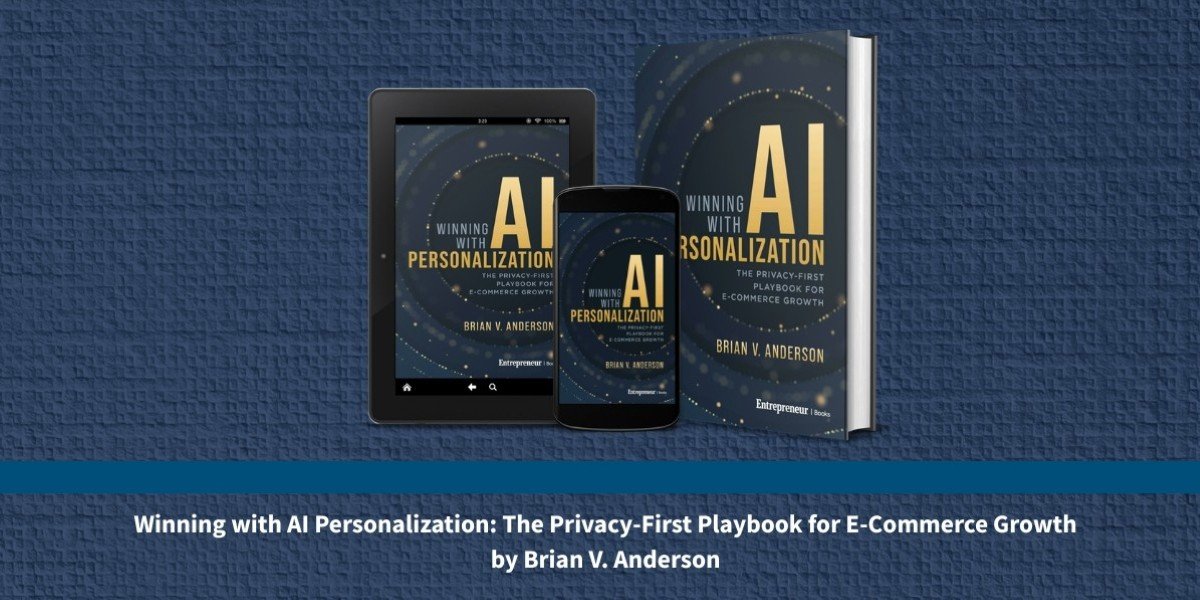
Get your copy of Winning with AI Personalization: The Privacy-First Playbook for E-Commerce Growth on Amazon.


