
Super Bowl LX Boosts Bay Area Economy With $720M in Local Activity

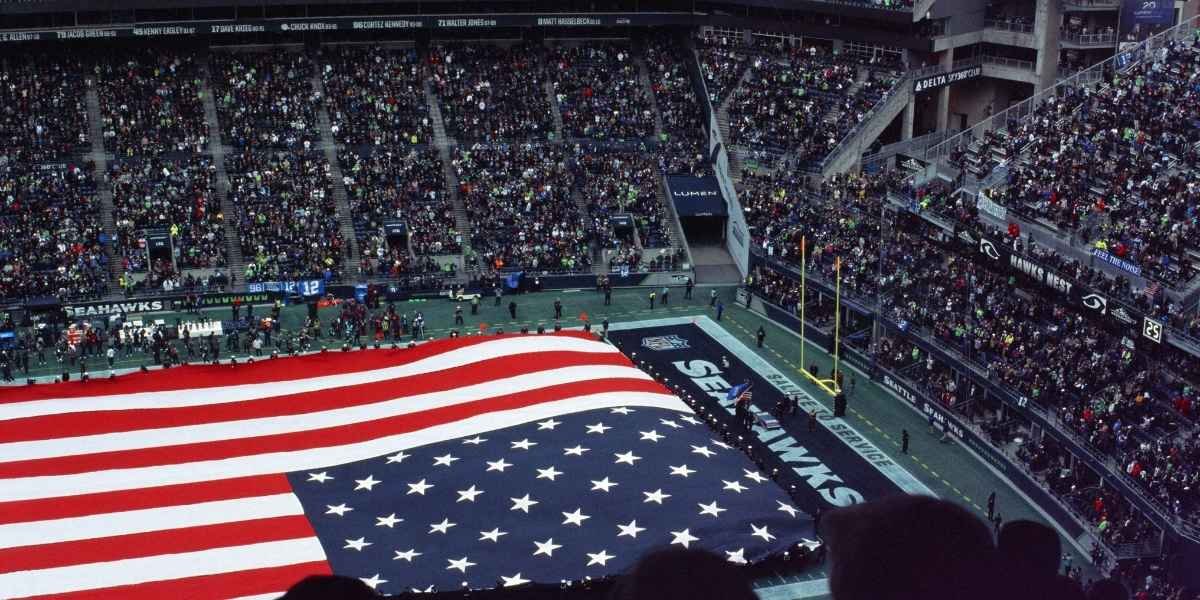
Super Bowl LX generated an estimated $720 million in local economic activity, according to figures released by regional organizers. The championship game, held February 8 at Levi’s Stadium, drew visitors from across the United States and abroad, creating increased demand for hotels, restaurants, retail, and transportation services. Local officials noted that the scale of the event produced one of the largest single-week economic surges in the Bay Area in recent years.
Tens of thousands of visitors filled hotel rooms from San Francisco to San Jose, while local restaurants, bars, and entertainment venues experienced heavy patronage. Ride-hailing services, taxis, and public transit recorded higher-than-normal usage throughout the week. Organizers and business leaders reported that this concentrated period of activity contributed to a temporary but measurable spike in revenue for a wide range of sectors.
Hospitality Sector Sees Record Demand
Hotels in Santa Clara, San Jose, and San Francisco reached near-full occupancy throughout the week surrounding the Super Bowl. The combination of the game, concerts, and fan events extended visitor activity beyond the single day of the championship, supporting multiple nights of lodging demand. Many hotels added temporary staff to accommodate extended operating hours and increased guest volume.
Restaurants and bars across downtown San Jose and San Francisco saw steady traffic from early afternoon into late evening, with many reporting higher table turnover than typical for mid-winter. Increased staffing and longer hours were implemented to serve the influx of visitors. Local food service providers highlighted the opportunity to host both casual and large groups, contributing to higher per-guest spending.
The hospitality sector also saw gains from event-related offerings such as fan hospitality packages, private event bookings, and additional catering services. These elements further increased short-term revenue streams for hotels and associated vendors.
Retail and Transportation Surge
Retail stores located in high-traffic areas, including transit hubs and popular tourist corridors, reported strong sales during the Super Bowl period. Shops offering apparel, souvenirs, and entertainment-related items benefited from both visitor and local spending. Several regional malls and shopping districts noted that daily foot traffic exceeded typical patterns for the winter season by a significant margin.
Transportation providers, including ride-hailing services, taxi fleets, and public transit systems, added additional routes and service runs to accommodate demand. Ridership spikes occurred primarily between downtown areas, hotels, Levi’s Stadium, and fan zones. Airports, including San Francisco International and San Jose’s airport, recorded elevated passenger counts, contributing to activity at nearby businesses such as car rentals, food service, and retail concessions.
Economic Activity Spreads Across the Bay Area
Although Levi’s Stadium served as the central venue, Super Bowl LX generated widespread economic activity across surrounding communities. San Francisco hosted fan zones, concerts, and live media coverage, which encouraged longer hotel stays and higher spending at restaurants, shops, and entertainment venues. These events created an extended period of economic benefit that reached beyond the immediate stadium area.
San Jose’s downtown area reported high hotel occupancy and additional visitor spending tied to pre-game exhibitions and entertainment offerings. The spread of activities across the Bay Area allowed small and medium-sized businesses to capture portions of visitor expenditures, supporting sectors that typically see lower seasonal activity in February.
The coordinated scheduling of multiple events and gatherings around the Super Bowl helped maintain visitor engagement throughout the week, ensuring sustained spending across sectors rather than a concentrated spike solely on game day.
Business Leaders Highlight Regional Impact
Regional business leaders emphasized the significance of Super Bowl LX in demonstrating the Bay Area’s capacity to host large-scale events. Hospitality, retail, and transportation sectors experienced immediate revenue gains, while exposure through national and international media coverage increased the region’s visibility as a destination.
Tourism representatives highlighted the concentration of visitors in key districts and noted opportunities for future events based on the success of Super Bowl LX. Discussions focused on maximizing short-term economic benefits while supporting long-term regional visibility. Organizers noted that the positive outcomes may support future event-hosting opportunities, reinforcing the Bay Area’s reputation for handling major sports and entertainment gatherings.
Short-Term Gains and Mixed Outcomes
Analysts caution that while headline figures reflect strong activity, some sectors’ gains were temporary and may not translate into lasting growth. Concentrated spikes in demand during major events often provide temporary revenue boosts rather than sustained business expansion.
However, hotel occupancy rates, restaurant revenues, and retail sales indicate that many local businesses experienced activity above typical seasonal expectations. Economic groups plan to monitor these effects to better understand long-term impacts, focusing on how the Super Bowl may influence regional tourism and service-sector planning.
Super Bowl LX created a concentrated economic impact across the Bay Area, supporting lodging, dining, retail, and transportation sectors. The influx of visitors, extended stays, and widespread spending produced measurable gains that exceeded typical mid-winter activity patterns. For regional businesses, the event highlighted opportunities to capture increased demand during large-scale sporting and entertainment gatherings, providing a snapshot of the economic potential that high-profile events bring to the Bay Area.

