Autzu Unveils Autonomous Operations Expansion in San Francisco

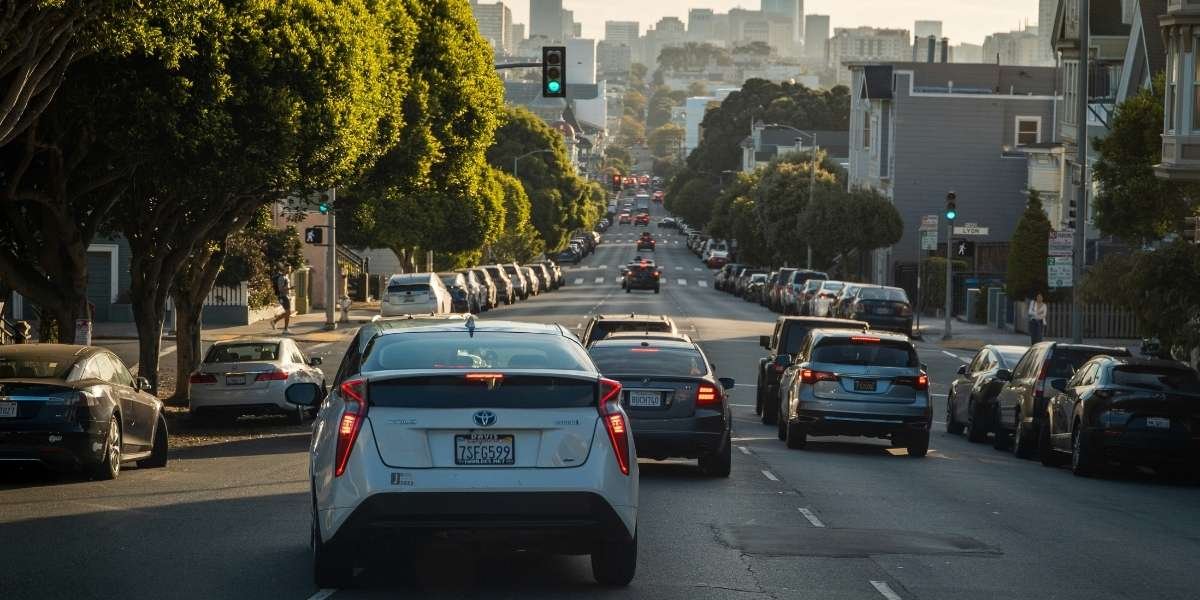
Autzu autonomous operations plans moved into a new phase this week after the company announced a strategic transition toward becoming an autonomous operations provider while developing what it described as the world’s first agnostic autonomous hub in San Francisco. The initiative marks a shift in the company’s business direction as it expands beyond electric mobility services into infrastructure and operational support for autonomous vehicle technologies.
The San Francisco-based project is intended to support multiple autonomous transportation platforms rather than a single manufacturer or technology provider. According to the company, the hub will function as a centralized operational environment designed to assist autonomous fleets with charging, maintenance, deployment coordination, logistics, and fleet servicing.
Autzu said the facility will be developed with compatibility across different autonomous systems, allowing operators using various vehicle technologies to access shared operational infrastructure. The company described the approach as “agnostic,” meaning it is not limited to one proprietary autonomous platform or vehicle ecosystem.
The announcement reflects broader activity across California’s autonomous transportation sector, where companies involved in electric mobility, fleet operations, and artificial intelligence continue expanding services tied to commercial autonomous vehicle deployment.
Autzu Expands Beyond Electric Vehicle Services
Autzu previously operated primarily in the electric vehicle and mobility services market, offering fleet-focused transportation solutions and vehicle-sharing operations. The newly announced strategy positions the company within the growing autonomous operations segment, which includes infrastructure support, operational management, and fleet servicing for self-driving transportation systems.
Company executives said the transition is intended to address operational challenges facing autonomous fleet operators as commercial deployments continue increasing in urban markets. Those challenges include vehicle uptime management, charging coordination, maintenance scheduling, software support logistics, and operational staging.
The planned San Francisco hub will serve as a centralized operational node where autonomous vehicle providers can manage fleet activities within a single support environment. The company stated that the facility will integrate operational technologies designed to streamline deployment and reduce downtime for autonomous fleets operating in dense urban areas.
Autzu also indicated that the infrastructure model could eventually be expanded into additional metropolitan markets if the San Francisco operation proves successful. The company did not provide a timeline for future expansion locations but confirmed that California remains its primary focus during the initial development phase.
San Francisco Selected for Autonomous Infrastructure Development
The company selected San Francisco as the launch site for the autonomous hub because of the city’s existing concentration of autonomous vehicle testing and deployment programs. Several autonomous transportation operators currently maintain active operations throughout the Bay Area, making the region a significant center for autonomous mobility development.
Autzu said the facility is intended to support operational requirements that extend beyond vehicle manufacturing and software development. The company described a need for centralized support systems capable of handling day-to-day operational tasks associated with autonomous fleets.
The hub is expected to include charging infrastructure, vehicle staging areas, fleet management systems, maintenance operations, and logistical coordination services. Company representatives stated that the project is designed to accommodate fleets operating continuously in commercial urban environments.
The announcement also highlights increasing investment in infrastructure designed specifically for autonomous transportation rather than conventional electric vehicle usage alone. While charging networks and fleet depots have expanded significantly in recent years, infrastructure tailored to autonomous operations remains relatively limited.
Autzu’s operational model focuses on supporting multiple fleet operators through shared infrastructure rather than building an exclusive system for a single transportation provider. The company stated that interoperability remains a key element of the project’s design.
The company did not disclose financial details associated with the hub’s construction or operational rollout. Additional information regarding partnerships, facility specifications, and deployment schedules is expected during later development stages.
Autonomous Fleet Operations Become Larger Industry Focus
The broader autonomous transportation market has increasingly shifted attention toward operational support systems as companies move beyond limited pilot programs into larger commercial deployments. Fleet management requirements for autonomous vehicles differ significantly from conventional transportation systems because they rely on continuous software monitoring, remote diagnostics, and centralized operational coordination.
Autzu’s announcement aligns with industry efforts to develop supporting infrastructure capable of managing these operational complexities. Autonomous fleets often require dedicated charging coordination, sensor calibration servicing, data management support, and remote operational oversight.
Commercial autonomous operations also depend heavily on minimizing downtime because fleet availability directly affects transportation efficiency and service reliability. Centralized operational hubs can potentially improve vehicle utilization by consolidating servicing and deployment functions within a single location.
The company stated that its operational approach is designed to reduce fragmentation within the autonomous transportation ecosystem. By supporting multiple operators through one shared infrastructure network, the company aims to create operational flexibility for fleet providers entering urban transportation markets.
San Francisco remains one of the most visible testing grounds for autonomous transportation technologies in the United States. The city has hosted deployments involving robotaxis, autonomous delivery vehicles, and self-driving logistics systems from multiple companies over the past several years.
As autonomous transportation systems expand commercially, operational support services have become increasingly important to deployment scalability. Industry participants have continued investing not only in vehicle technology but also in the infrastructure required to maintain daily operations at scale.