San Francisco Moves Ahead With Revised SB 79 Housing Strategy


San Francisco officials approved a modified approach to California’s SB 79 transit housing law, creating exemptions for certain neighborhoods and industrial districts before the statewide rules take effect in July.
The San Francisco Board of Supervisors unanimously passed the proposal backed by Mayor Daniel Lurie’s administration on May 5, allowing the city to pursue a modified version of Senate Bill 79 rather than fully adopt statewide zoning standards near major transit corridors. The measure seeks approval from state officials before implementation.
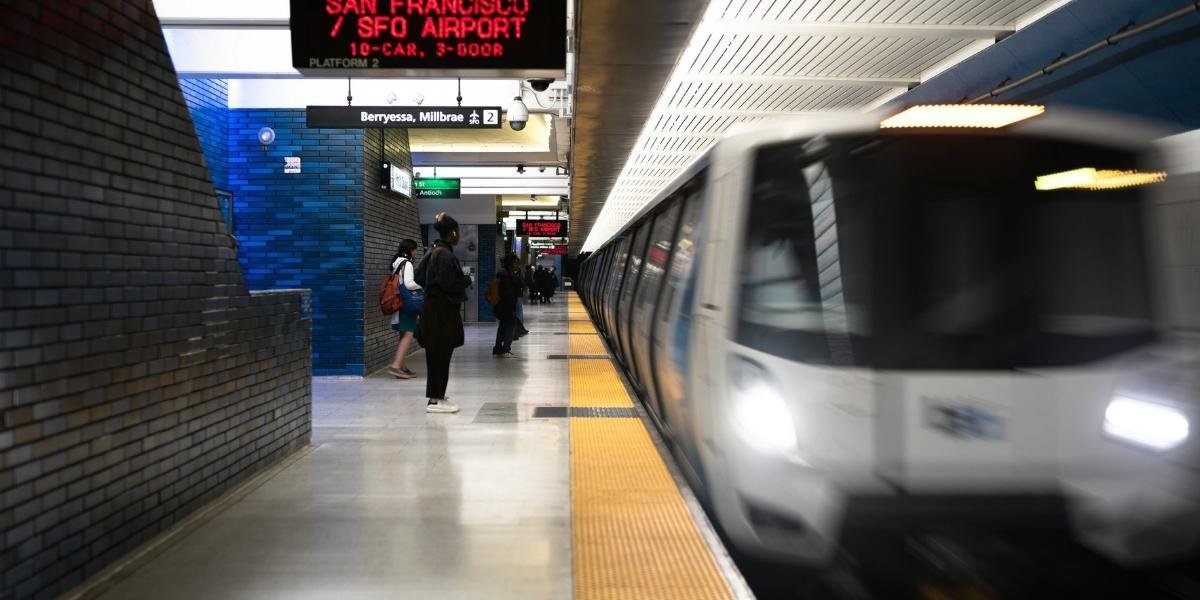
California’s SB 79 is scheduled to take effect July 1 and requires minimum height and density standards for residential and commercial properties located within a half mile of rail stations, light rail stops, and certain high-frequency bus routes. San Francisco officials argued the city already exceeded many housing capacity benchmarks after approving broader rezoning measures in 2025.
Transit Density Rules Adjusted for Local Conditions
City planners said the revised framework would preserve local zoning controls in several areas designated as industrial employment hubs and low-resource neighborhoods. The exemptions include portions of Bayview, Mission District, Excelsior, South of Market, and Mission Bay.
According to the Planning Department, the low-resource designation applies to neighborhoods with concentrations of lower-income residents who may face elevated displacement pressures from rapid redevelopment. Under the approved strategy, those neighborhoods would remain exempt from SB 79 density and height requirements until 2032.
Industrial areas identified by city officials would receive permanent exemptions from the state zoning standards. Officials said the policy was designed to maintain land currently reserved for manufacturing, logistics, and other industrial uses connected to working-class employment sectors.
Joshua Switzky, deputy director of citywide planning for the San Francisco Planning Department, said the city’s existing housing policies already created substantial development capacity in multiple districts. He noted that San Francisco differs from many California cities because a large share of its land is already densely developed and extensively connected to public transportation networks.
Planning officials estimated roughly 80% of city parcels would fall under SB 79 zoning rules because of San Francisco’s transit coverage.
Mayor Daniel Lurie Administration Defends Exemptions
Mayor Daniel Lurie’s office supported the local alternative following adoption of the administration’s “Family Zoning” initiative in 2025. That earlier housing package increased allowable density and building heights across western and northern San Francisco neighborhoods.
City officials argued the prior rezoning effort strengthened San Francisco’s eligibility to pursue modifications under provisions included in SB 79. The state law permits municipalities to submit alternative compliance plans if they can demonstrate equivalent housing capacity goals.
Supporters within City Hall said the exemptions were intended to balance state housing targets with neighborhood preservation and economic planning priorities. Supervisor Myrna Melgar defended maintaining industrial protections in selected districts, stating that industrial land remains important for preserving blue-collar employment opportunities within the city.
Officials also clarified that the exemptions do not permanently prohibit future housing development in industrial zones. Instead, the policy preserves current zoning authority unless future city lawmakers choose to revise those regulations independently.
Switzky said the proposal was designed to prevent automatic replacement of existing city planning policies by statewide zoning standards.
The revised strategy arrives as San Francisco faces continuing pressure to comply with California housing production requirements. State mandates currently require the city to permit approximately 86,000 housing units by 2031 under regional housing allocation goals.
City data has shown housing approvals remain below the pace required to meet those targets.
Housing Advocacy Groups Criticize Portions of Plan
Several pro-housing organizations opposed the industrial exemptions during public discussions leading up to the vote. Advocacy groups including SF YIMBY and GrowSF argued the city should maximize housing opportunities in transit-accessible areas rather than preserve zoning restrictions.
The organizations submitted objections before the Board of Supervisors vote, warning that portions of the proposal would prevent mixed-income residential development in neighborhoods with strong transit access.
Brandon Powell, Bay Area organizing director for YIMBY Action, criticized the exemptions in a public statement issued before final approval. Housing advocates argued the city’s affordability challenges require broader expansion of residential construction opportunities near transit infrastructure.
The disagreement marked a notable policy divide between Mayor Lurie’s administration and some development-oriented organizations that previously supported parts of the mayor’s housing agenda.
Supporters of broader implementation of SB 79 have argued that statewide density standards could accelerate housing production while reducing car dependency by concentrating development near public transportation systems.
The debate also reflects broader statewide tensions surrounding local zoning control and California’s efforts to address long-term housing shortages through legislative intervention.
State Housing Mandates Continue to Shape Local Policy
SB 79 emerged as part of California’s wider housing reform strategy aimed at increasing residential density near transit corridors across urban regions. State lawmakers promoted the measure as a response to persistent housing shortages and rising housing costs in metropolitan areas.
Transit-oriented housing policies have become a central focus in California land-use debates because supporters argue they can increase housing supply while reducing greenhouse gas emissions tied to automobile commuting.
San Francisco’s transit network makes the city one of the most heavily affected jurisdictions under the law. Planning officials said the scale of existing transit infrastructure significantly expanded the number of parcels eligible for upzoning compared with other California cities.
City leaders also cited differences between San Francisco and lower-density urban regions when defending the alternative framework. Officials said existing neighborhood density levels and prior rezoning measures created planning conditions distinct from those in cities such as Los Angeles and San Jose.
The state must still review San Francisco’s proposed compliance strategy before exemptions become fully effective.
Housing policy discussions remain politically significant across San Francisco as officials continue balancing state requirements, affordability concerns, neighborhood preservation, and economic development priorities. The latest transit-oriented housing debate has further highlighted the competing pressures shaping the city’s approach to future growth and land use policy.