Local SEO for Cultural Institutions and How Museums and Heritage Sites Get Found

Cultural institutions occupy a unique position in the local search landscape. Museums, archives, heritage sites, and arts organizations serve clearly defined geographic communities, operate physical locations that require accurate and consistent online information, and attract visitors whose search intent ranges from casual discovery to focused research. Getting local SEO right is not merely a marketing exercise for these organizations: it is a mission-critical function that determines whether the community members and visitors they exist to serve can actually find them.

sanfranciscofilmmuseum.org chronicles the rich heritage of filmmaking in San Francisco, and like all cultural institutions with a physical presence, its digital visibility directly affects its ability to connect with audiences. The principles that govern effective local SEO for cultural institutions combine general best practices with the specific considerations that apply to nonprofit and heritage organizations.

Why Local SEO Matters More for Cultural Institutions

Cultural institutions often assume that their reputation and community standing will bring visitors without active attention to digital visibility. This assumption is increasingly incorrect. When a curious resident searches for museums near them, when a tourist plans a cultural itinerary, or when a student researches local historical resources, what appears in Google’s local results determines who gets found and who gets missed entirely.

The stakes extend beyond individual visits. Institutional funding, grant applications, and community partnerships increasingly reference audience reach and community engagement metrics. Visibility in local search directly contributes to the visitor counts, program attendance figures, and community impact measures that support an institution’s case for continued investment.

As documented in Wikipedia’s article on local search engine optimisation, this practice involves optimizing a website and its associated digital presence to attract traffic from geographically relevant searches, and the signals that most influence these rankings for physical institutions are those that confirm location accuracy, relevance to local queries, and prominence within the community.

Google Business Profile: The Foundation for Cultural Institutions

For any institution with a physical location open to visitors, Google Business Profile is the single most important local SEO asset. An incomplete or inaccurate profile is among the most damaging errors a cultural institution can make, because searchers who find incorrect hours, outdated address information, or missing contact details will simply move on.

A fully optimized Google Business Profile for a cultural institution should include the precise physical address and verified location pin, accurate opening hours including seasonal variations, special holiday hours, and any temporary closure information, the most specific available category selections, a comprehensive description written in the language visitors use when searching, and a regularly updated photo gallery showing the actual visitor experience including exterior, interior, exhibitions, and events.

Posts through Google Business Profile allow institutions to promote upcoming exhibitions, events, programs, and educational offerings in a format that appears directly in search results. For institutions that run regular programming, weekly posts that highlight upcoming activities keep the profile active and give searchers current reasons to visit.

Content That Serves Visitor Intent

Beyond the Google Business Profile, the institution’s website must contain content that satisfies the full range of queries visitors bring to local searches. Practical information including hours, admission details, accessibility features, parking, and public transport options should be easy to find and fully accurate. These are the most urgently sought pieces of information for anyone planning a visit, and burying or omitting them creates friction that costs the institution real visitors.

Exhibition and collection pages that are properly titled and described allow the institution’s specific holdings to appear in searches for particular topics, artists, periods, or subject areas. A museum with a strong collection in a specific area can earn search visibility for queries that general search engines associate with that subject area, provided the website clearly describes what the collection contains.

UNESCO’s guidance on digital heritage emphasizes the importance of accessible digital presence for cultural preservation institutions, noting that discoverability and accessibility are prerequisites for institutions fulfilling their educational and preservation missions in the digital era.

Building Local Authority Through Community Connections

For cultural institutions, local authority in search terms is built through the same channels that build civic authority: genuine community presence, partnerships with educational institutions and local organizations, coverage in local media, and participation in community events and initiatives.

Links from local government websites, educational institutions, tourism boards, and community organizations carry particular weight for local SEO because they confirm the institution’s embedding in the local community. Pursuing these links through genuine partnership activity, contribution to community resources, and active participation in local cultural and civic life serves the institution’s mission while simultaneously building the link profile that local search algorithms reward.

Review generation is often underutilized by cultural institutions that feel uncomfortable asking visitors for public feedback. However, consistent, authentic reviews describing visitor experiences significantly influence both local rankings and the click-through rates that follow from appearing in those rankings. A simple, genuine invitation to share a review, extended at the moment of peak visitor satisfaction, produces reviews that serve both the institution’s search visibility and its reputation.

Effective local SEO for cultural institutions requires sustained attention rather than one-time optimization. Hours change, exhibitions change, programs change, and the digital presence must keep pace with these institutional realities. The organizations that treat local digital visibility as an ongoing operational responsibility, rather than a one-time setup task, are those that consistently connect with the audiences their missions are designed to serve.

San Francisco’s Mid-Market Attracts New Entrepreneurs Amid Vacancies

Entrepreneurs are launching new businesses in San Francisco’s Mid-Market area as the district’s revival takes shape through independent ventures moving into long-vacant commercial spaces in the downtown corridor. The openings include entertainment venues, food halls, and creative studios, signaling renewed private interest in a district that has struggled with high office vacancy, shuttered retail, and uneven foot traffic since the pandemic reshaped the city’s economic core.

New entrepreneurs enter a long-vacant corridor

New business operators are establishing operations along Mid-Market Street, occupying storefronts and commercial buildings that had remained empty for extended periods following the departure of major tech tenants and pandemic-era closures. Among the most visible entrants is Stroy Moyd, founder of the Function Comedy Club and Cocktail Lounge, which now operates directly across from the largely vacant former Twitter headquarters.

Moyd’s venue represents one of the few Black-owned comedy clubs in San Francisco and occupies a space that had previously been overlooked by multiple landlords during his search for a location. After more than 80 site visits across the city and repeated rejections tied to financial requirements and perceived risk, he secured a lease in Mid-Market, marking a turning point in his expansion efforts.

The club features live comedy programming and experimental events, including performances that incorporate artificial intelligence concepts into stand-up formats. Its opening reflects a broader shift in tenant composition along the corridor, where independent operators are increasingly replacing corporate occupiers that once defined the area’s short-lived tech boom.

Local business advocates describe the influx as gradual but notable, with ground-floor activation becoming more common across blocks that had previously lacked consistent commercial activity. While vacancy remains significant, the presence of new tenants has introduced renewed daytime and nighttime activity in select segments of the neighborhood.

Function Comedy Club anchors emerging entertainment activity

The Function Comedy Club has become a central example of Mid-Market’s evolving entertainment landscape, operating in a district that once struggled with limited nightlife offerings. The venue hosts rotating performances featuring local and touring comedians, alongside experimental comedy formats that reflect the changing cultural mix of the area.

The club’s establishment followed years of difficulty for its founder, who encountered repeated barriers in securing a location due to high upfront costs and limited landlord willingness to lease to emerging operators. Mid-Market ultimately provided the first viable opportunity after a prolonged search across the city.

Inside the venue, programming has included interactive comedy shows where audiences evaluate performances alongside experimental AI-generated comedic content. These events reflect a broader trend of hybrid entertainment experiences emerging in urban districts seeking to rebuild foot traffic through differentiated cultural offerings.

The surrounding blocks continue to show contrasts between active storefronts and vacant commercial units, including empty office floors above retail spaces. Despite this imbalance, operators like Moyd report incremental increases in pedestrian activity during evening programming hours, particularly on weekends.

The presence of such venues aligns with efforts by local stakeholders to diversify Mid-Market beyond its previous identity as a tech-dominated corridor. The introduction of arts-driven businesses is being positioned by some community organizers as a foundational layer for broader commercial recovery.

Vacancy rates and dormant assets define the landscape

Mid-Market continues to face high vacancy levels across both office and retail properties, shaping the environment in which new entrepreneurs are operating. The former Twitter headquarters remains largely unoccupied, with reports indicating that approximately 96% of the building is not in use following corporate downsizing and relocation decisions.

Retail closures also remain visible throughout the district. A large Whole Foods location that once served as a major anchor tenant has been shuttered for multiple years following safety and operational concerns. Nearby, the historic Hotel Whitcomb remains closed after extensive damage incurred during its use as a temporary shelter site during the pandemic period.

Office vacancy across the broader Mid-Market area is estimated at roughly 45%, reflecting ongoing shifts in remote work patterns and corporate real estate consolidation. Developers have paused or delayed multiple projects, including a partially excavated mixed-use site that remains incomplete at the intersection of Market Street and Van Ness Avenue.

These conditions have contributed to a fragmented commercial landscape where active businesses exist alongside large inactive properties. Landlords and city officials have explored a range of incentives, including tax adjustments and leasing concessions, to encourage tenant reoccupation of vacant space.

Despite these challenges, select property owners report increased inquiries from startups and small firms, particularly in technology-adjacent sectors and creative industries. However, long-term stabilization remains dependent on sustained leasing activity across multiple building classes.

Arts and cultural operators expand presence in Mid-Market

A growing portion of Mid-Market’s revival efforts is being driven by arts and cultural organizations that are repurposing existing spaces for performance and community use. One example is the Roar Shack, an experimental music venue operated by the Living Earth Show, which has introduced live performances in a space previously occupied by a closed nightclub.

The venue represents the first new independent music establishment in the area in several years and has contributed to a gradual increase in nighttime cultural programming. Its arrival follows broader efforts to reposition Mid-Market as an arts and entertainment corridor rather than a purely commercial office district.

Nearby, the Warfield Theatre building has undergone a partial transformation into a multi-use cultural hub. The property, purchased at a significantly reduced valuation compared to previous market cycles, now hosts nonprofit tenants alongside broadcast and media organizations under a redevelopment model focused on cultural stabilization.

Community-based organizations have also played a role in facilitating tenant transitions by subsidizing early-stage occupancy costs for select businesses. These initiatives aim to reduce entry barriers for small operators who lack access to traditional financing mechanisms.

Despite progress, some businesses supported through these programs have struggled to maintain long-term operations, reflecting ongoing volatility in consumer demand and operating costs within the district.

Public sector involvement and shifting commercial strategies

City agencies and private landlords are increasingly collaborating to stabilize Mid-Market through targeted leasing strategies and public-sector occupancy agreements. In one case, a large office tower along Market Street secured a long-term lease with a municipal tenant, introducing government workers into a building previously marked by high vacancy.

This approach has been positioned as a mechanism to reduce the risk of prolonged underutilization in large commercial properties, particularly those unlikely to attract traditional tech tenants in the short term. Officials have also emphasized cleanliness, public safety improvements, and activation programs as key components of the broader recovery effort.

At the same time, newer coworking environments have emerged in previously underperforming buildings, attracting startups and early-stage companies seeking lower-cost entry points into central San Francisco locations. These spaces are contributing to incremental increases in daytime occupancy.

Urban development analysts note that recovery in Mid-Market remains uneven, with stronger performance in select blocks where cultural and institutional anchors are present. However, broader revitalization depends on sustained alignment between private investment, public policy, and long-term tenant stability.

The current phase of activity reflects a transition period in which small-scale entrepreneurs and cultural operators are testing the viability of the district under new economic conditions, while larger structural challenges continue to shape the pace and scale of recovery.

A Legacy in Song: A Husband’s Tribute to the Magical World of Darlene Werner

The Childhood Dream that Sparked a Lifetime of Stories

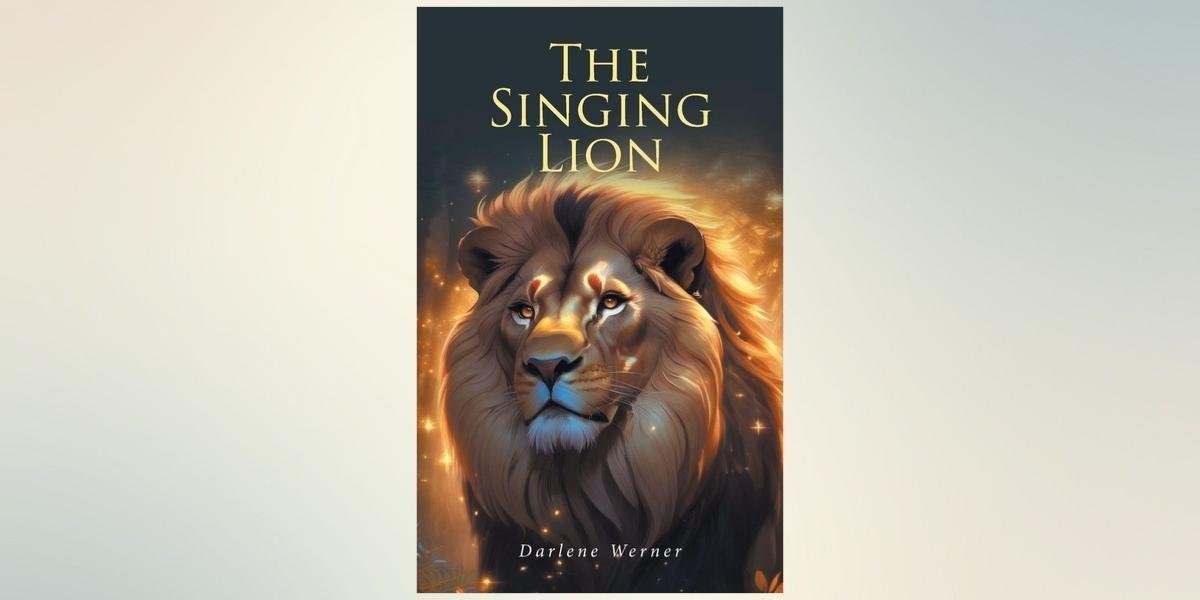
The journey of a book usually begins with a pen and a dream, but for the late Darlene Werner, the story of The Singing Lion began decades before it reached a printing press. It started in a fifth-grade classroom with a young girl’s imagination and a vivid dream about a musical predator. Today, that story has transitioned from a childhood memory into a published reality, serving as a final act of devotion from her husband of forty four years, Mark Werner. Following Darlene’s passing in October 2024, Mark has dedicated himself to ensuring that her literary debut reaches the audience she spent a lifetime preparing for. He views this project as a continuation of her spirit and a way to share her unique perspective with the world.

An Unexpected Classroom Assignment Becomes a Family Heirloom

The origin of The Singing Lion is as charming as the narrative itself. While Darlene was a young student, her class misbehaved for a substitute teacher. As a consequence, the returning primary teacher assigned the students a short story that would supposedly never be graded or returned. Darlene chose to write about a dream she had regarding a lion that sang. The writing was so good that the teacher broke the original rule and gave the paper an A+ and lots of praise. This original manuscript, which is only a few pages long, became a treasured family heirloom that Darlene kept with her as she grew up. It was a constant reminder of her natural talent and the story that wouldn’t go away over the years.

Forty Years of Oral Storytelling Across Three Generations

Mark saw Darlene’s childhood story change over the course of their almost fifty years together just by sharing it. The story of the singing lion became a part of their family life after they got married at 22 and had three sons. Darlene didn’t just read the story; she lived it. She told her children and then her six grandchildren about the adventures over and over again. Mark says that she had been writing the book in her head for forty years, adding more details and emotional depth with each new generation that heard it. The characters in the final book even bear the names of their grandchildren, including the protagonist Chloe, who is named after their eldest granddaughter. This long history of oral tradition ensured the story was deeply refined before it ever hit the page.

The Courage to Write Despite Significant Personal Health Struggles

The shift from telling stories orally to writing them down in a formal way really started around 2022. Darlene had been writing technical manuals and training materials for a long time. When she retired, she decided to put her creative ideas on paper. During this time, Darlene faced a lot of personal problems, including breast cancer and major surgeries. Even with these problems, she stayed focused on the project and found comfort in the world she was making. She eventually signed a contract with Fulton Books and did something very different: she made her own illustrations using digital tools that she learned how to use later in life. By September 2024, the manuscript was complete, and the initial editing phase had begun, representing a triumph of will over her physical limitations and a dedication to her craft.

A Tragic Departure and a Husband’s Solemn Vow of Love

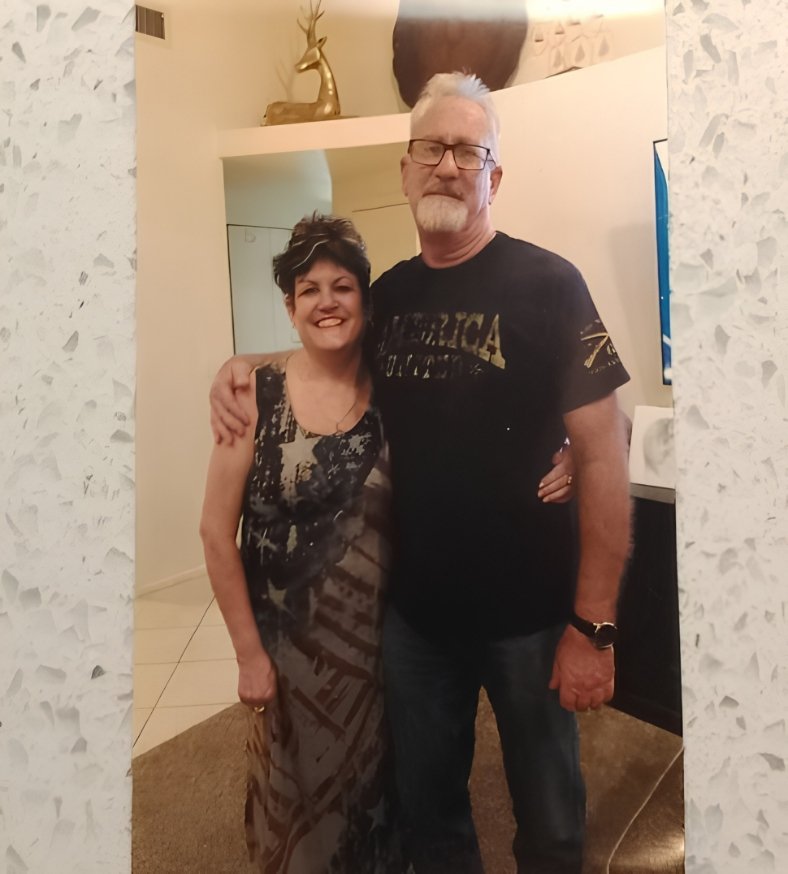
Photo Courtesy: Darlene Werner

However, the process was tragically interrupted. Darlene passed away unexpectedly after returning home from her part-time job at a hospice facility. Mark found her in her favorite chair, and despite his efforts to perform CPR, she could not be revived. In the immediate aftermath of such a profound loss, Mark found himself in what he describes as a heavy fog of grief. As the initial shock began to subside, he realized that he had one final mission to complete for his partner. He felt a deep responsibility to finalize the book she was literally working on the day her heart failed. This commitment became his primary motivation, providing a sense of purpose during the loneliest moments of his grieving process as he stepped into her shoes.

Teaching Inner Strength and Resilience to a New Generation

Mark says that the book’s main point is to find your inner strength. He thinks the story is good for kids who are dealing with problems like bullying or fear because it teaches them how to find a moral compass and the courage to face their fears. He says that even though the book has some fantasy and mystery elements, it is based on real life. He thinks that kids these days are often overwhelmed by superhero stories that don’t have anything to do with real life. Darlene’s work, on the other hand, is about kindness, family, and respect. The book shows young readers how to deal with their own problems with grace by focusing on these basic human values. It is a story designed to empower children to believe in their own capabilities and instincts.

Mark’s work finally gives The Singing Lion a chance to be heard by the world. This means that Darlene’s legacy will be defined by the light she brought into the room instead of the silence that followed her death. This article serves as a tribute to both the author’s creativity and the husband’s enduring love, proving that some stories are simply too powerful to be stilled by time or loss.

You can buy your copy from the given links:

Amazon: https://a.co/d/0jgayRJP

KOBO: https://tinywebs.site/BR3bpC

Google Book Store: https://tinywebs.site/S46aVX‬‬‬‬‬‬

Barnes & Noble: https://www.barnesandnoble.com/w/the-singing-lion-darlene-werner/1148544269