
Bay Area Mourns Michael Tilson Thomas After Cancer Battle

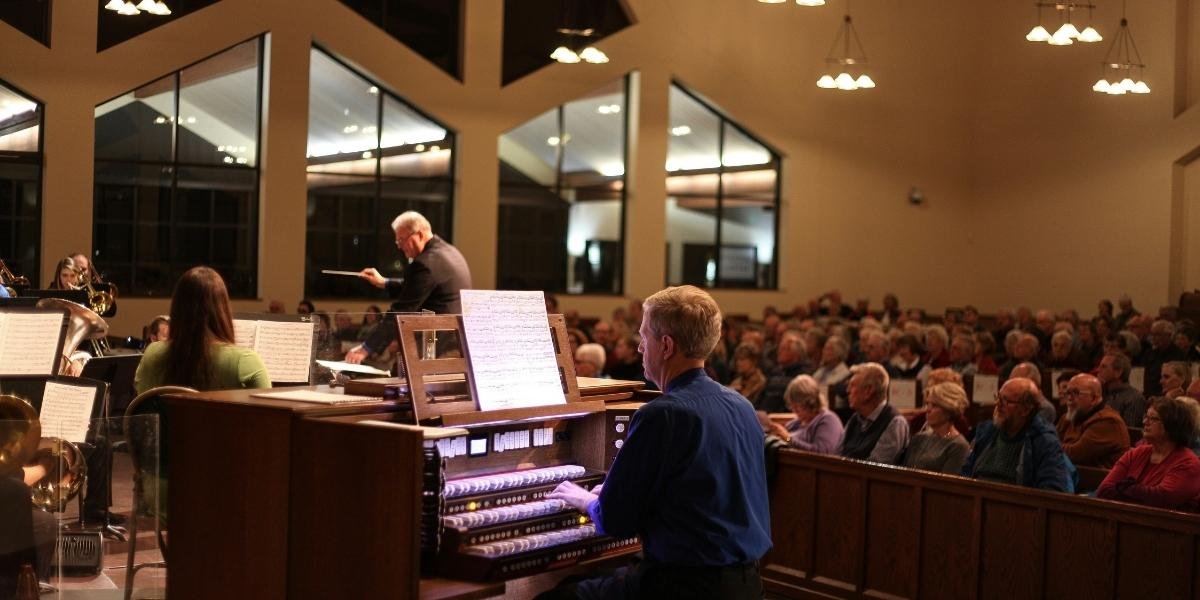
The death of Michael Tilson Thomas, 12-time Grammy Award-winning conductor and former San Francisco Symphony music director, was confirmed on April 22, 2026 following complications from glioblastoma, an aggressive form of brain cancer. The announcement stated that he died at his home surrounded by family and loved ones, closing the life of one of the most influential figures in American orchestral music and a long-standing presence in San Francisco’s cultural identity. His passing was formally communicated as occurring after a multi-year illness that began with his diagnosis in 2021.
Death announcement and immediate circumstances
Michael Tilson Thomas passed away on April 22, 2026, according to the official statement released following his death. The announcement confirmed that he died at home, surrounded by family members, after living with glioblastoma since 2021. The condition, identified as a highly aggressive form of brain cancer, shaped the final years of his life and gradually limited his public appearances and conducting schedule.
The statement also included personal details regarding his family situation at the time of his passing. It noted that he was surrounded by loved ones, and acknowledged his late husband, Joshua Robison, who had preceded him in death. Surviving family members include his sisters, nieces, and nephews. These details placed the announcement within both a public and private framework, reflecting his significance as a cultural figure while also recognizing his personal relationships.
The confirmation of his death prompted immediate acknowledgment across the classical music world, particularly within institutions where he held long-term artistic roles. Among these, the San Francisco Symphony remains the organization most closely associated with his professional legacy, given his extensive leadership tenure and artistic influence over several decades.
Glioblastoma diagnosis and progression
Michael Tilson Thomas was diagnosed with glioblastoma in 2021, a medical condition that is widely recognized as one of the most aggressive forms of brain cancer. The diagnosis marked a significant turning point in his later life, as it introduced a prolonged period of illness that impacted his professional activity and public engagements.
Despite the severity of the condition, reports indicated that he maintained a connection to music throughout the progression of his illness. While his public conducting appearances became less frequent, his presence within the broader classical music community continued through recorded works, institutional affiliations, and ongoing recognition of his prior contributions.
Glioblastoma is characterized by its rapid progression and complex treatment challenges. In his case, the illness defined the final five years of his life, during which his professional focus shifted away from active conducting responsibilities. Nevertheless, his association with music remained central to his identity, even as his physical capacity for public performance diminished over time.
The announcement of his passing did not include detailed medical treatment history beyond the diagnosis itself. Instead, it emphasized the timeline of his illness and its eventual outcome, situating his death within the broader context of a long-term health battle.
Leadership of the San Francisco Symphony
Michael Tilson Thomas’s tenure as music director of the San Francisco Symphony represents one of the defining chapters of his career. His leadership is widely regarded as a transformative period for the orchestra, during which its artistic profile, international visibility, and recording output expanded significantly.
Under his direction, the San Francisco Symphony developed a stronger global presence through extensive touring, critically recognized recordings, and ambitious programming initiatives. The orchestra’s repertoire during this period included a balance of traditional symphonic works and contemporary compositions, reflecting a programming philosophy that emphasized both historical depth and modern relevance.
His leadership also contributed to institutional development beyond performance programming. Educational initiatives, outreach programs, and audience engagement efforts were expanded during his tenure, strengthening the orchestra’s connection to the broader San Francisco community. These efforts helped position the organization not only as a performance ensemble but also as an educational and cultural institution within the Bay Area.
Over time, his influence extended into the orchestra’s identity, shaping how it was perceived both locally and internationally. The San Francisco Symphony became closely associated with his artistic direction, particularly during a period of heightened global attention to American orchestras.
Grammy recognition and international career
Throughout his career, Michael Tilson Thomas earned 12 Grammy Awards, reflecting sustained recognition for his work as a conductor and recording artist. These awards spanned multiple decades and were associated with a variety of orchestral recordings and collaborations with leading ensembles.
His Grammy achievements placed him among the most recognized figures in recorded classical music. The awards reflected not only individual recordings but also broader contributions to orchestral interpretation and repertoire development. His recorded work included performances with major orchestras, many of which continue to be referenced within classical music catalogues.
In addition to his recording accomplishments, he maintained an active international conducting career. He appeared as a guest conductor with leading orchestras across Europe, Asia, and North America, contributing to a global reputation that extended beyond his primary institutional affiliations.
His interpretive style was often associated with clarity, structural understanding, and expressive balance, qualities that informed both live performances and recorded outputs. These characteristics contributed to his sustained recognition within professional orchestral circles.
Personal life and cultural legacy in San Francisco
Michael Tilson Thomas maintained a long-standing personal and professional connection to San Francisco, where much of his career was based. His association with the city extended beyond his formal role with the San Francisco Symphony, embedding him within the broader cultural and artistic fabric of the region.
Within the Bay Area cultural landscape, his influence is reflected in institutional development, artistic programming, and educational outreach. His work contributed to shaping public engagement with classical music, particularly through efforts that expanded access and visibility for orchestral performance.
His legacy within San Francisco is closely tied to the evolution of the city’s classical music identity over several decades. The institutions he led and influenced continue to reflect elements of his artistic vision, particularly in programming diversity and audience engagement strategies.
The announcement of his death marks the conclusion of a career that was deeply integrated into the cultural development of San Francisco, the American orchestral tradition, and the global classical music community.

