The Listening Experience of The Andrew Kim Show in Contemporary Talk Radio


In today’s media environment, audiences encounter an overwhelming variety of content formats. From short social media clips to full-length video broadcasts and streaming podcasts, the ways people consume information have expanded dramatically. Despite these changes, radio continues to hold a distinctive position within the broader media landscape. Programs such as The Andrew Kim Show demonstrate how voice-based discussion can still create meaningful listening experiences for modern audiences.
The official page for the program can be found here:
https://am870theanswer.com/radioshow/the-andrew-kim-show
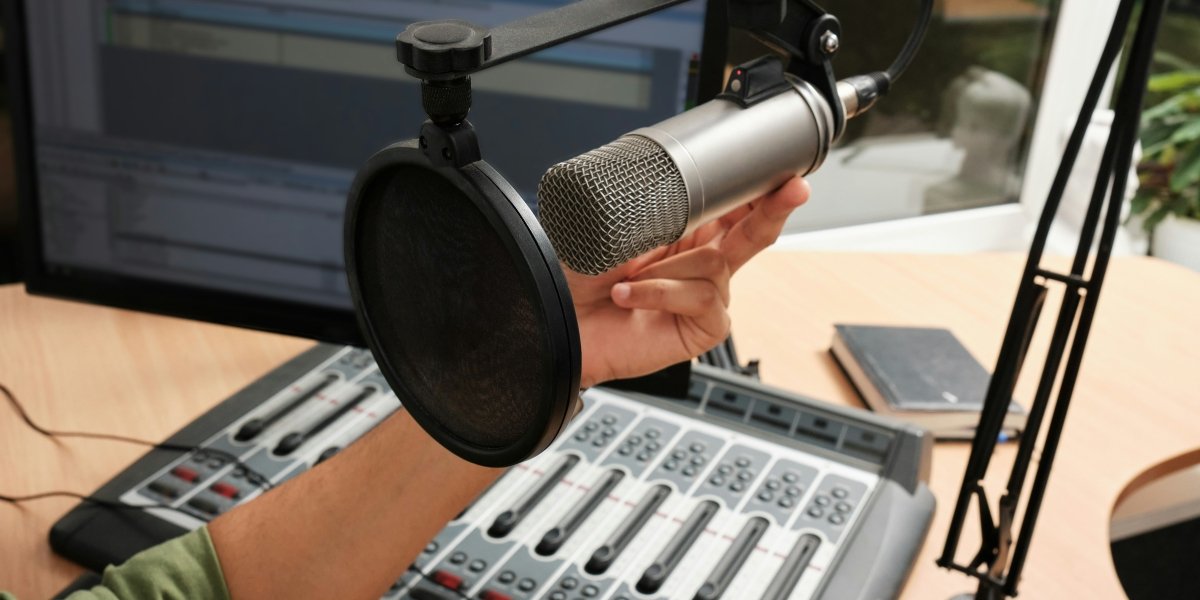
One of the defining characteristics of radio broadcasting is its reliance on sound rather than images. Unlike television or digital video platforms, radio communicates entirely through voice and audio cues. This format requires hosts to convey ideas clearly through speech, pacing, and storytelling. While visual media can rely on graphics and imagery to capture attention, radio must engage listeners through the strength of conversation alone.
The Andrew Kim Show reflects this traditional structure of talk radio. The program focuses primarily on spoken discussion and commentary rather than visual presentation. By emphasizing dialogue and explanation, the show creates an environment where listeners can engage with ideas through sound.
This emphasis on voice-centered communication shapes the overall listening experience. Because radio does not demand visual attention, it allows audiences to participate in other activities while listening. Many people tune in to radio while driving, commuting, working, or completing everyday tasks. In this sense, radio often becomes a companion to daily routines.
Programs like The Andrew Kim Show fit naturally into this listening environment. The conversational style of the broadcast allows audiences to follow discussions even when they are multitasking. Unlike video content, which often requires constant visual focus, radio offers a more flexible way to consume information.
Another important element of the listening experience is pacing. In many digital media formats, information is delivered rapidly, often in short segments designed to capture immediate attention. Talk radio, however, frequently operates at a slower pace. Discussions may unfold gradually, allowing listeners to understand the context and reasoning behind different ideas.
The Andrew Kim Show reflects this deliberate pacing. Rather than presenting information in rapid bursts, the program tends to introduce topics through explanation and reflection. This approach can help listeners absorb the discussion more comfortably.
Voice delivery also plays a crucial role in shaping the listener’s experience. In radio broadcasting, the tone, rhythm, and clarity of speech significantly influence how audiences interpret the message. Because there are no visual cues, the host’s voice becomes the primary means of communication.
In The Andrew Kim Show, the host’s delivery style tends to emphasize calm articulation and clear expression. This steady approach can create a listening atmosphere that feels composed and accessible. A measured speaking style often allows audiences to follow the discussion without feeling rushed or overwhelmed.
Another aspect of radio communication that contributes to the listening experience is narrative structure. Without visual elements, radio hosts often rely on storytelling techniques to guide audiences through topics. Storytelling can provide context and continuity, helping listeners understand how different ideas relate to one another.
The Andrew Kim Show frequently introduces topics through narrative explanation. Instead of presenting isolated statements or quick commentary, the program often develops discussions by describing background context or personal reflection. This storytelling approach can make complex subjects easier for listeners to follow.
Narrative communication also enhances the imaginative aspect of radio listening. Because audiences cannot see the events or topics being discussed, they often create their own mental images based on the host’s description. This imaginative engagement is one of the distinctive qualities of radio as a medium.
Listeners become active participants in the storytelling process, mentally visualizing the ideas and situations described through voice. This process can make radio communication feel more personal and immersive than some visual media formats.
The Andrew Kim Show demonstrates how narrative explanation and storytelling can contribute to an engaging listening experience. By guiding audiences through discussions step by step, the program maintains clarity and coherence.
Another important factor in the listening experience of talk radio is the sense of connection between host and audience. Because radio relies heavily on voice, listeners often become familiar with the host’s speaking style over time. This familiarity can create a sense of continuity and trust.
Regular listeners may begin to recognize the tone, rhythm, and personality conveyed through the host’s voice. Over time, this recognition can create a subtle relationship between broadcaster and audience. Unlike visual media, which often focuses on spectacle, radio communication feels more direct and conversational.
The Andrew Kim Show illustrates this form of connection through its conversational tone. The program is structured as a dialogue rather than a performance, allowing listeners to feel as though they are participating in an ongoing discussion.
In addition to its conversational style, the program also reflects the broader adaptability of radio broadcasting. Over the past two decades, radio has evolved alongside digital technology. Many radio programs are now available through online streaming platforms and mobile applications.
This shift has expanded the potential reach of radio programs significantly. A show that once might have been accessible only through a local broadcast signal can now reach listeners across different regions through digital distribution.
The Andrew Kim Show exists within this evolving audio ecosystem. Through online accessibility, the program can be discovered by audiences who might otherwise encounter it through traditional radio broadcasting alone.
This intersection between traditional broadcasting and digital technology reflects a broader trend in modern media. The rise of podcasts and on-demand audio has renewed interest in voice-based storytelling. Rather than replacing radio, these platforms have often expanded the overall audience for spoken-word content.
In this environment, radio programs that emphasize clear communication and thoughtful discussion can continue to attract listeners. Programs like The Andrew Kim Show illustrate how the classic strengths of radio—voice, storytelling, and conversation—remain relevant.
Another reason the listening experience of talk radio remains appealing is its reflective nature. Much of today’s digital media is designed for quick consumption. Headlines, short videos, and brief commentary dominate many online platforms.
Talk radio offers an alternative environment. Discussions often unfold over a longer period of time, allowing hosts to explain ideas more thoroughly. This slower pace can encourage listeners to reflect on the conversation rather than reacting immediately.
The Andrew Kim Show reflects this reflective approach to broadcasting. By focusing on extended discussion rather than rapid commentary, the program creates space for explanation and interpretation.
Looking ahead, the future of talk radio will likely remain connected to the growth of digital audio media. As more listeners access content through smartphones and streaming platforms, radio programs may continue expanding their digital presence.
At the same time, the fundamental strengths of radio are unlikely to change. The human voice remains one of the most powerful tools for communication. Through tone, pacing, and storytelling, voice-driven media can convey ideas in ways that resonate deeply with audiences.
The Andrew Kim Show demonstrates how these traditional strengths can remain effective in contemporary media culture. By combining clear speech, narrative explanation, and conversational pacing, the program offers a listening experience rooted in the long tradition of talk radio.
Even as technology continues to evolve, the simple act of listening to a voice share ideas remains meaningful. In a media environment saturated with visual content, radio continues to offer a distinctive and thoughtful form of communication.
Through its conversational style and accessible format, The Andrew Kim Show illustrates why talk radio remains an important part of the modern media landscape.