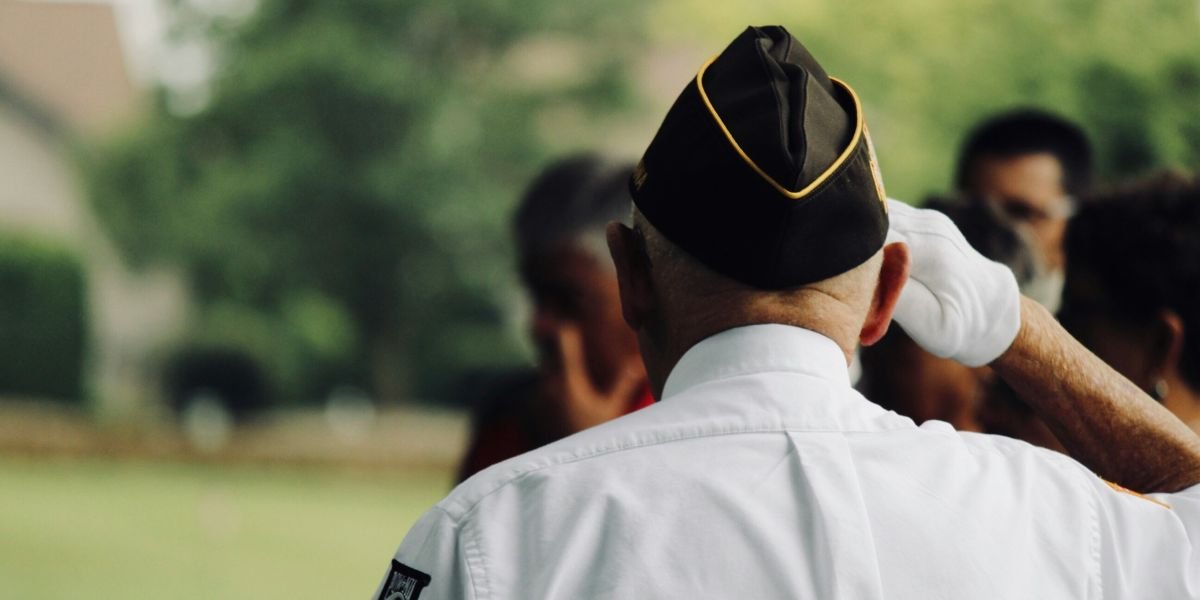
What Is the National Salute to Veteran Patients?

The National Salute to Veteran Patients is an annual observance that recognizes and honors veterans receiving care in medical facilities. This event highlights the service and sacrifice of those who have served in the armed forces while emphasizing the importance of respect, dignity, and gratitude in healthcare settings. 

By bringing attention to veteran patients, the observance reinforces the role of compassion and acknowledgment in supporting overall well-being. Visible gestures of appreciation, such as wearing patriotic shirts, are often used to create a supportive and respectful atmosphere during this time.

What Is the Purpose of the National Salute?

The National Salute to Veteran Patients was established to ensure that hospitalized veterans feel remembered and appreciated. Many veterans spend extended periods in medical facilities, where recognition of their service can have a meaningful emotional impact. 

The observance serves as a reminder that care extends beyond medical treatment to include emotional support and acknowledgment. Formally recognizing veteran patients, healthcare providers, and communities helps reinforce a sense of value and belonging.

When Does the National Salute Take Place?

The observance is typically held annually during the week of Valentine’s Day. This timing emphasizes themes of compassion, connection, and appreciation. Medical facilities, veterans’ organizations, and community groups often coordinate activities throughout the week. 

The structured timeframe facilitates organized participation and raises awareness among staff, volunteers, and visitors. Consistent scheduling also helps establish the National Salute as a recognized and anticipated event within healthcare environments.

How Can Healthcare Facilities Participate?

Hospitals, clinics, and long-term care facilities often play a central role in the National Salute. Participation may include hosting recognition events, facilitating visits from volunteers, or organizing card and letter drives. 

These efforts aim to create positive interactions for veteran patients. Facility staff may also take part by acknowledging veterans during routine care or participating in observance activities. These actions help integrate recognition into the daily healthcare experience.

The Role of Community Involvement

Community participation strengthens the impact of the National Salute. Local organizations, schools, and volunteer groups frequently contribute by sending messages of appreciation or coordinating visits where permitted. 

Community involvement helps bridge the gap between healthcare facilities and the public, reinforcing collective gratitude. These efforts remind veteran patients that their service is recognized far beyond the walls of medical institutions.

Why Does Recognition Matter for Veteran Patients?

Recognition can play an important role in veterans’ emotional well-being. Many veterans face unique challenges related to their service, and acknowledgment can help foster a sense of pride and connection. 

Feeling seen and appreciated may support morale during difficult recovery periods. While recognition is not a replacement for medical care, it does complement treatment well by addressing emotional and social needs. This holistic approach aligns with broader goals of patient-centered care.

What Are Appropriate Ways To Show Respect and Gratitude?

Respectful recognition is guided by sensitivity and awareness. Gestures should focus on appreciation without making assumptions about individual experiences. Simple acknowledgments, supportive language, and visible symbols of respect can effectively convey gratitude. 

Maintaining professionalism ensures that recognition enhances the care environment rather than disrupting it. Thoughtful approaches help make sure that all veteran patients feel comfortable and valued.

Avoiding Common Missteps During the Observance

While the intention behind the National Salute is positive, missteps can occur if recognition is handled without care. Overly intrusive gestures or generalized statements may not resonate with every veteran. 

Some individuals may prefer quiet acknowledgment rather than public attention. Awareness of personal preferences and boundaries helps avoid discomfort. Flexibility and respect are key to ensuring recognition remains meaningful.

How Does the National Salute Support Healthcare Culture?

The observance also influences healthcare culture by promoting awareness and empathy among staff and visitors. Recognizing veteran patients encourages reflection on service, sacrifice, and respect. 

This focus can strengthen relationships between healthcare providers and patients by reinforcing shared values. Over time, consistent participation helps embed appreciation and acknowledgment into the broader care environment.

Educational Opportunities Created by the Salute

The National Salute offers educational opportunities in healthcare settings. Staff and volunteers may learn more about veteran experiences and the importance of culturally informed care.

Increased awareness supports better communication and understanding. Education enhances the effectiveness of recognition efforts by grounding them in respect and knowledge rather than routine gestures.

A Meaningful Tradition of Appreciation

The National Salute to Veteran Patients serves as an important reminder of the value of recognition in healthcare. By honoring veterans during their time of care, the observance highlights the connection between respect, emotional support, and overall well-being. 

Thoughtful participation from healthcare providers and communities helps ensure that veteran patients feel appreciated and acknowledged. This tradition of gratitude reinforces a culture of compassion that extends beyond a single week and into everyday care practices.

A Face Scan that Feels Like a Real Friend: GenomiiAI MirrorMii is Redefining AI Wellness

By: Georgette Virgo

Just a few years ago, artificial intelligence (AI) seemed to leap overnight from sci-fi concept to must-have tech. AI face scanners and chatbots powered by GPTs became the new digital assistants: recognizing faces, identifying moods, and even drafting entire essays with a single prompt. And yet, for all the buzz, something about these tools has always felt distant. 

According to an article published by Fortune magazine, personalization is still “one of the big goals in medicine, we’re sort of not there yet.” The “AI-You” is still awkwardly passive. For most people navigating the chaos of family life, work stress, and changing wellness routines, the high-tech promise hasn’t delivered true companionship.

Understanding the Problem

Many wellness technologies today promise personalization but seldom deliver beyond surface-level tips and automated reminders. Most platforms rely on static data points like step counts, calorie logs, or generic symptom checklists, treating every user as a set of numbers rather than a unique individual. 

The risk here is not just a lack of engagement; it’s a system that fails to truly understand how daily life, shifting routines, hormonal cycles, and personal stressors impact real people. Even popular AI-powered apps often wait passively for input, offering the same encouragement or feedback that doesn’t account for historical patterns or emotional context. 

This impersonal approach often leaves users feeling unseen and unsupported, causing many to abandon their wellness tools after the novelty fades. In the worst case, it can lead users to try products or routines that aren’t effective or contradict their body’s needs and sensitivities. 

A lack of nuanced tracking can cause allergy triggers, medication conflicts, or hormonal fluctuations to be overlooked, putting users at risk for persistent symptoms or unintended side effects. 

Ultimately, the pitfall of “one-size-fits-all” tech is that it disconnects people from their bodies, turning hope for real change into frustration and digital fatigue. When an app fails to remember your unique journey, the flare-ups, small victories, and lifestyle challenges, it misses the opportunity to build trust and accountability.

The AI Wellness App That Takes on the Challenge

The game is on for the challenge to bring AI closer to the beauty and wellness game. That’s where Genomii steps in and takes its shot. As a new AI company, it is determined to make digital wellness less robotic and more relational. Their flagship agent, MirrorMii, isn’t just another face-scanning bot or data-hoarding algorithm. 

Launching soon as an iOS app, MirrorMii is built to be one’s everyday wellness companion, the digital friend who actually takes the lead. Forget machines that wait for you to start the conversation; MirrorMii wakes up, greets you by name, and asks real questions.

The Next Level: Selfies Empowered with Purpose

Let’s talk about selfies. MirrorMii turns the front-facing camera into a precision health tool with a knack for noticing subtle shifts beyond what a simple filter can fix. But unlike AI face scanners that just score features, MirrorMii analyzes selfies in the context of one’s personal wellness journey. It doesn’t just log another “face scan”; it remembers one’s history.

Every scan becomes a chance for new insight. For instance, maybe that expensive skincare serum bought on a friend’s recommendation is making a real difference; MirrorMii will show the user, day by day, how their glow and moisture levels change. Maybe that NMN hair serum isn’t just hype; use MirrorMii’s visuals and data to spot real-world improvements. 

And it doesn’t stop at skin or hair. Want to know if ditching late-night ice cream makes one’s cheeks less puffy? MirrorMii will gently flag patterns, letting users “see” their habits in detail and wonder whether an allergy trigger lurks in their latest takeout. 

Snap a photo and let MirrorMii’s food item recognition do the detective work, suggesting swaps and tracking reactions over time. If one is ready to go even deeper, one can customize their “wellness cards” to represent the foods, products, supplements, and routines that matter most to them. Suddenly, the user is not just collecting health data. They are building their own, interactive collection of what works for you.

From Passive Tech to Pro-Active Friend

MirrorMii diverges sharply from passive, second-string AI. The app’s personality kicks in from the very first tap. It leads: “Hey there, nice to see you again! Ready for our daily check-in?” It notices changes that might escape one’s mirror, celebrates wins, nudges gently on tough days, and jumps in with suggestions when looking at the game.

What’s different is not just the intelligence, but the experience. At the heart of MirrorMii is something greater: genuine emotional memory. The app is always there, quietly logging triumphs and noticing patterns of struggle. 

Founder Sally So mentions, “It’s like having a best friend and a personal trainer, but one that only nudges you when it knows you need the help.”

Genomii has designed MirrorMii to deliver wellness as a conversation, not a chore. Instead of overwhelming users with numbers, it helps piece together a living story. They’re not alone in the data. They are active, seen, and supported.

Tech That Grows With You

Genomii’s game-changing promise starts with simply leading the conversation. Whether figuring out which products actually work, avoiding food triggers, or just wanting to feel seen, the app’s personalized feedback covers every daily detail, from skincare to supplements, from sleep patterns to stress signals. 

MirrorMii isn’t content to be a silent observer. It goes further, committing to grow with the user. It’s tech that genuinely cares, asks questions, follows up, and reflects on one’s story daily. 

So, is MirrorMii magic? Maybe not. However, for users looking for a companion and wellness partner, turning to Genomii might be the game-changer. Whether scanning for fun or chasing bigger health goals, MirrorMii opens a door where next-level personalization begins with a simple, caring hello and grows into a lifelong friendship.

Disclaimer: The content of this article is intended for informational purposes only and should not be construed as medical or professional advice. Always consult with a healthcare provider or a qualified expert before making any changes to your health and wellness routine.