San Francisco International Airport to Close Runway Six Months for $180M Revamp

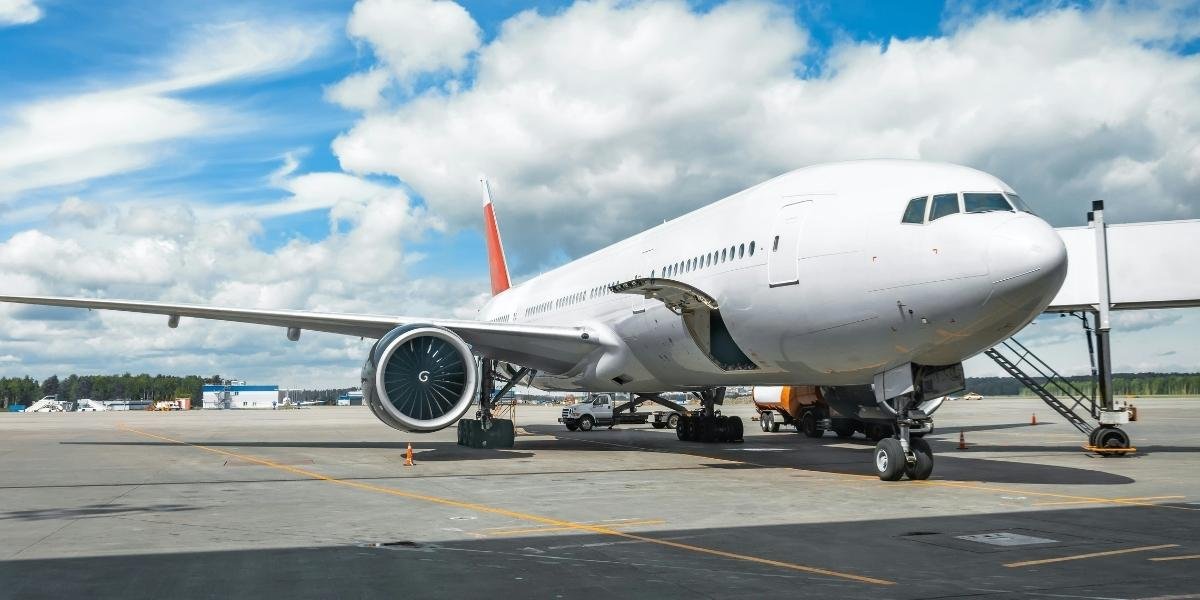
San Francisco International Airport has confirmed plans to close one of its primary runways for six months starting March 30, 2026, as part of a $180 million modernization project. The affected runway, 1R/19L, serves both domestic and international flights and is crucial for managing the high volume of air traffic at the airport. Scheduled to reopen on October 2, 2026, the project will involve repaving the runway, upgrading lighting systems, and improving the adjacent taxiways.
This initiative aims to ensure the airport can meet the demands of future growth while maintaining the highest safety standards. The upgrades are part of a larger, ongoing infrastructure improvement program at San Francisco International Airport, which seeks to keep the airport competitive among major global hubs. Although the closure is significant, airport officials assure that efforts will be made to minimize the impact on passengers and airlines, with strategies in place to manage delays.
The announcement has already sparked discussions among airlines and travelers who are concerned about potential disruptions. While the runway closure is necessary for the airport’s long-term infrastructure, it raises important questions about how San Francisco International Airport will balance modernization with the expectations of millions of travelers annually. This decision underscores the ongoing challenge airports face in maintaining world-class facilities while keeping passenger convenience in mind.
Why the Revamp is Essential for San Francisco International Airport
San Francisco International Airport handles tens of millions of passengers each year, with a constant flow of flights landing and taking off from its four runways. Due to the heavy use and the region’s coastal weather conditions, maintaining and upgrading runways is an ongoing requirement. The runway resurfacing and associated improvements are necessary to maintain the airport’s operational efficiency and safety.
The $180 million project will extend the lifespan of the runway and improve its reliability. By upgrading lighting systems, pilots will have enhanced visibility, especially during low-visibility conditions. Additionally, improvements to taxiways will allow aircraft to move more efficiently, reducing congestion and waiting times. These changes will ultimately lower long-term maintenance costs and improve the airport’s resilience to delays and other operational disruptions.
For passengers, this renovation highlights the crucial role that infrastructure plays in air travel. Just as travelers rely on terminals and security systems for smooth experiences, the runway is the backbone of airport operations. By prioritizing these vital upgrades, San Francisco International Airport is demonstrating its commitment to maintaining high standards for safety and efficiency, even if it means temporary disruptions.
Impact on Travelers and Airlines at San Francisco International Airport
The closure of Runway 1R/19L will affect flight schedules and may lead to delays, particularly during peak travel seasons. With one of the airport’s four runways unavailable, airlines will need to adjust their schedules and adapt to the reduced capacity. While the airport has assured that delays will be kept to a minimum, passengers may experience longer taxi times, rerouted flights, or adjusted departure times.
Airlines will have to implement strategies to maximize the efficiency of available runways, potentially shifting operations to other runways or even nearby airports to avoid congestion. This will be especially important during high-traffic periods like holidays or the summer travel season, when flight volume tends to increase. Although these changes may be an inconvenience, they are expected to be temporary and manageable, with airport officials working closely with airlines to ensure minimal disruption.
For travelers, the closure is a reminder of the complexities involved in airport operations and the ongoing efforts to improve facilities. While the inconvenience of delays and schedule changes may be frustrating, it is part of a larger effort to maintain and upgrade the infrastructure that makes air travel possible. As the airport completes its modernization projects, passengers can expect a smoother and more efficient travel experience in the long run.
A History of Runway Projects at San Francisco International Airport
San Francisco International Airport has a history of completing major runway renovation projects to keep up with safety standards and operational demands. In 2019 and 2021, the airport undertook similar efforts to repave other runways and address aging infrastructure. These projects were part of a broader, ongoing plan to modernize the airport and maintain compliance with federal safety regulations.

Photo Credit: Unsplash.com
The 2026 closure will be the third major runway project in less than a decade. Although such renovations may cause short-term disruptions, airport officials emphasize the long-term benefits these upgrades will bring in terms of efficiency, safety, and resilience. Each project is carefully planned to minimize disruption, with efforts made to ensure continued operations during the closure period.
For travelers, the history of runway upgrades serves as a reminder of the essential role that airport maintenance plays in ensuring safe and efficient air travel. Just as roads and bridges require periodic repairs, airports must regularly update their infrastructure to meet the demands of modern air travel. These ongoing efforts ensure that San Francisco International Airport remains a world-class hub for both domestic and international flights.
The Future of San Francisco International Airport
When Runway 1R/19L reopens in October 2026, San Francisco International Airport will have completed another important milestone in its modernization efforts. The upgrades are expected to enhance the airport’s operational efficiency, improve safety, and ensure that the facility can handle future increases in passenger traffic. Officials are optimistic that these improvements will further solidify San Francisco’s position as a leading international gateway.
For passengers, the closure serves as a reminder of the complexity of maintaining an airport of this scale. While delays and adjustments may be unavoidable in the short term, the long-term benefits of a more efficient, reliable airport are clear. The ongoing runway upgrades highlight the airport’s commitment to modernization and its ability to adapt to the evolving needs of travelers and the aviation industry.
San Francisco International Airport’s renovation projects reflect broader trends in infrastructure development. As cities and transportation networks grow, airports like SFO are continually working to improve their facilities to meet the demands of tomorrow’s passengers. The runway upgrades are just one example of how airports are shaping the future of air travel, ensuring that facilities meet the needs of an ever-growing number of global travelers.