Waymo Takes Over San Francisco Freeways and Airports with Robotaxis

Waymo’s latest expansion has unlocked a new frontier: freeway driving in San Francisco. Until now, most autonomous services were confined to surface streets, where speeds and conditions are more predictable. By moving onto freeways, Waymo is signaling confidence in its technology’s ability to handle high‑speed traffic, merging lanes, and long‑distance commutes. This is a milestone not just for the company but for the entire autonomous vehicle industry, which has long been measured by its ability to handle complex, real‑world scenarios.

For riders, this means trips that are up to 50% faster compared to surface routes. A journey from downtown San Francisco to San Jose, once a test of patience, can now be completed in significantly less time. The freeway rollout is not just about convenience, it’s about proving that autonomous vehicles can handle the same challenges human drivers face daily. The ability to navigate freeways also opens the door to longer‑distance travel, potentially connecting suburbs and satellite cities in ways that traditional robotaxi services could not.

This expansion reframes the conversation around robotaxis. No longer a novelty for short city hops, Waymo is positioning itself as a serious alternative to traditional ridesharing and car ownership. The freeway is where autonomy meets scale, and it’s where the technology begins to show its potential to transform regional mobility. For commuters who spend hours in traffic, the promise of a faster, driverless option could be the tipping point toward mainstream adoption.

Airports: A Gateway to Everyday Use

Waymo’s inclusion of Mineta San Jose International Airport in its service area is a strategic move. Airports are high‑traffic hubs where reliability and convenience matter most. By offering curbside pickups and drop‑offs, Waymo is embedding itself into one of the most practical use cases for ride‑hailing. For travelers, the ability to book a robotaxi directly to the terminal eliminates the stress of parking, shuttles, or coordinating rides with friends and family.

The company has also won approval to expand service to San Francisco International Airport (SFO) after completing required safety phases. This means travelers could soon book a driverless ride directly to one of the busiest airports in the country. For business travelers and tourists alike, the convenience of skipping parking fees or shuttle transfers is a compelling draw. Airports are often the first place where new transportation technologies prove their worth, and Waymo’s rollout positions autonomy as a reliable option in high‑stakes environments.

Airports represent more than just destinations, they are gateways to mainstream adoption. If robotaxis can reliably handle airport traffic, they can handle almost anything. For Waymo, conquering airports is about proving that autonomy can thrive in environments where timing, logistics, and passenger expectations are at their highest. This move also signals to regulators and city planners that autonomous vehicles are ready to integrate into critical infrastructure, not just experimental city routes.

A 260‑Square‑Mile Service Area

Waymo’s Bay Area expansion now covers 260 square miles, stretching from San Francisco through the Peninsula to San Jose. This unified service map is one of the largest autonomous ride‑hailing zones in the world, and it represents a leap from fragmented pilot programs to a cohesive regional network. For riders, this means seamless trips across multiple cities without worrying about service gaps or limitations.

Waymo Takes Over San Francisco Freeways and Airports with Robotaxis

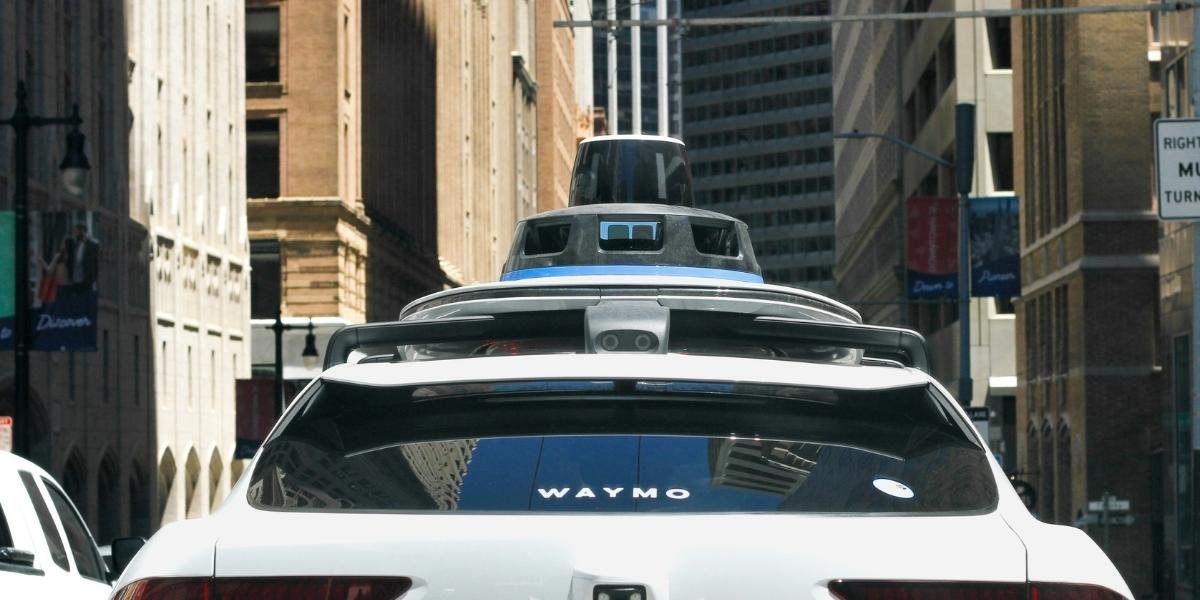
Photo Credit: Unsplash.com

The scale matters. A patchwork of small service areas can feel experimental, but a continuous corridor across the Bay Area signals maturity. Riders can now plan trips that span multiple cities without worrying about service gaps. This makes robotaxis more practical for commuters, students, and families who move fluidly across the region. The ability to cover such a wide area also demonstrates Waymo’s operational confidence, showing that its fleet can handle diverse traffic conditions across urban, suburban, and freeway environments.

This expansion highlights Waymo’s ambition to move beyond pilot programs. By covering such a vast area, the company is inviting commuters, travelers, and everyday riders to see autonomy as a viable, scalable option. It’s not just about testing technology anymore, it’s about embedding it into the daily rhythm of Bay Area life. For a region defined by innovation, the rollout feels like a natural progression, but for the rest of the country, it sets a precedent for what large‑scale autonomous mobility can look like.

Fleet and Technology Confidence

Waymo operates a fleet of over 1,500 autonomous vehicles, all without safety drivers or in‑vehicle monitors. This makes it the only paid robotaxi service in the U.S. running fully driverless rides. The sheer size of the fleet is a statement of confidence, showing that Waymo believes its technology is ready for widespread adoption.

The freeway rollout demonstrates confidence in Waymo’s sensor suite and AI decision‑making. Navigating high‑speed traffic requires precision, from detecting lane changes to predicting driver behavior. By expanding now, Waymo is signaling that its technology has reached a level of reliability that can withstand public scrutiny. The company’s ability to scale across freeways and airports suggests that its systems are robust enough to handle unpredictable conditions, from sudden lane closures to airport congestion.

For consumers, the takeaway is clear: this isn’t a test. It’s a service designed to be used, trusted, and integrated into daily life. The scale of the fleet, combined with freeway and airport capabilities, positions Waymo as a leader in the race toward autonomous mobility. For competitors, the message is equally clear: the bar has been raised, and catching up will require not just innovation but proven reliability at scale.

Cultural Impact: From Novelty to Necessity

Robotaxis have long been seen as futuristic novelties, but Waymo’s expansion reframes them as practical tools for modern living. Faster commutes, airport convenience, and wide coverage make autonomy less about curiosity and more about necessity. For many Bay Area residents, the rollout is less about trying something new and more about solving everyday problems.

The cultural shift is significant. In San Francisco, a city defined by innovation, robotaxis are becoming part of the urban fabric. They are no longer just tech demos, they are shaping how people move, plan, and experience the city. For a region that thrives on disruption, Waymo’s rollout feels like the next logical step. The conversation is shifting from “Will this work?” to “How soon can I use it?”

This expansion also raises broader questions: Will robotaxis reduce car ownership? Will they reshape public transit demand? Waymo’s freeway and airport rollout doesn’t answer these questions outright, but it sets the stage for a new era of mobility. The cultural conversation is shifting from “if” to “how fast.” For families, commuters, and travelers, the rollout is less about technology and more about lifestyle.

Waymo’s Next Moves

Waymo isn’t stopping at San Francisco. The company has announced plans to expand freeway capabilities to Austin, Atlanta, Dallas, Nashville, Miami, and Washington D.C., with London slated for 2026. Each expansion represents a new test of the technology’s adaptability, from dense urban grids to sprawling suburban landscapes.

For the Bay Area, the immediate impact is clear: faster commutes, easier airport access, and a growing sense that autonomy is here to stay. For the U.S. market, Waymo’s expansion is a signal that robotaxis are moving from niche to mainstream. The company is no longer just proving that autonomy works, it’s proving that autonomy can scale.

The bigger question is how quickly consumers will adapt. Will riders embrace autonomy as a default option, or will skepticism linger? Waymo’s freeway and airport rollout is designed to accelerate that decision, one ride at a time. For now, the company has positioned itself as the leader in a race that is no longer theoretical but practical, shaping the future of mobility in real time.

Where to Eat Thanksgiving in San Francisco: Bay Area Dining Guide

Thanksgiving in San Francisco is more than just turkey and stuffing, t’s an opportunity to blend holiday traditions with the Bay Area’s diverse food scene. In 2025, locals and visitors alike are looking for Thanksgiving meals that celebrate the holiday with a distinctive San Francisco flair. From classic family-style feasts to innovative takes on traditional dishes, the Bay Area offers an array of dining experiences that reflect the region’s culinary creativity.

For many, Thanksgiving is about coming together with loved ones, but not everyone wants to spend hours in the kitchen. Fortunately, San Francisco’s top restaurants are stepping up to offer festive meals that let families enjoy the holiday without the hassle of cooking. This shift toward dining out has become more popular in recent years, especially in urban areas where convenience and variety are in high demand.

The central question remains: Where can one find the best Thanksgiving meals that honor tradition while offering something uniquely San Francisco? This guide explores the best dining options across the Bay Area, highlighting standout restaurants and menus that make Thanksgiving in San Francisco a memorable experience.

Classic Thanksgiving Dining in San Francisco

For those looking for a traditional Thanksgiving dinner, San Francisco has plenty of options that bring the best of the holiday meal. Many classic restaurants, including Tadich Grill, The Rotunda at Neiman Marcus, and The Stinking Rose, offer the turkey, mashed potatoes, cranberry sauce, and pumpkin pie expected, but with a San Francisco twist. These establishments frequently feature locally sourced ingredients and provide a festive ambiance that captures the spirit of the season.

Hotel dining is another great option for a traditional Thanksgiving. Historic hotels like the Fairmont Hotel and Hotel Nikko near Union Square often host Thanksgiving buffets or prix fixe dinners that attract both locals and tourists. The focus here is on delivering a comforting, family-friendly experience while serving up the essentials. For those seeking a classic experience with a hint of luxury, these venues are go-to choices.

Innovative Menus and Culinary Twists

Thanksgiving in San Francisco isn’t just about sticking to tradition—it’s also a chance for chefs to get creative. Many restaurants are offering inventive takes on Thanksgiving staples. Nopa, famous for its organic comfort food, might feature roasted duck instead of turkey, while Chez Panisse in Berkeley could surprise diners with dishes that incorporate local, seasonal produce into a fresh spin on stuffing or gravy.

The innovation doesn’t stop at the entrees. Some restaurants are blending global influences into their Thanksgiving menus. For example, Hakkasan San Francisco might offer a version of cranberry sauce infused with Chinese five-spice, while Benu could present a modern take on stuffing, using Asian-inspired flavors and unique herbs. These creative twists give diners the chance to experience Thanksgiving in a whole new way while still celebrating the season’s flavors.

Family-Friendly Dining Options

For families, dining out on Thanksgiving can be a great way to reduce stress while still enjoying a hearty, festive meal. Many Bay Area restaurants cater to families with children by offering buffets, casual seating, and menus that please guests of all ages. Scoma’s in Fisherman’s Wharf offers a classic Thanksgiving menu with a relaxed atmosphere perfect for large family gatherings. Meanwhile, The Golden Gate Park Pavilion is known for its buffet-style setup where families can sample traditional dishes as well as kid-friendly options like macaroni and cheese and chicken tenders.

If one is looking for a community-driven meal, consider attending a Thanksgiving feast hosted by a local community center or cultural organization. Many offer a warm, inclusive atmosphere with entertainment for children. These meals emphasize the holiday’s spirit of togetherness, making them a great option for families who want to enjoy a festive experience without the formal dining setting.

Plant-Based and Alternative Dining

The Bay Area is a leader in plant-based and alternative dining, and this extends to Thanksgiving. Restaurants like Greens Restaurant and The Plant Cafe Organic offer creative plant-based options that replace turkey with delicious alternatives like lentil loaf, mushroom Wellington, or roasted squash stuffed with grains and herbs. These dishes highlight seasonal produce and reflect the growing desire for healthier, more sustainable holiday meals.

Desserts are also catered to dietary preferences, with dairy-free options available at many restaurants. The Baker & Banker bakery, for example, offers vegan and gluten-free pumpkin pies, ensuring that everyone can enjoy a sweet ending to the meal. Whether one is vegetarian, vegan, or simply looking for a lighter holiday meal, these options offer a delicious way to celebrate Thanksgiving.

Bay Area Flavor Meets Thanksgiving Traditions

San Francisco’s diverse population naturally influences the way Thanksgiving is celebrated, and many restaurants incorporate international flavors into their holiday offerings. La Mediterranee in Berkeley might offer Mediterranean-inspired stuffing, while Lalime’s may feature side dishes with Latin American spices, reflecting the city’s cultural richness. The Mission District often brings in flavors from Mexico and Central America, with some restaurants incorporating chili-spiced turkey or tamales as part of the holiday feast.

The intersection of global flavors with Thanksgiving traditions makes for a truly unique dining experience, and it’s a testament to how San Francisco’s diverse culinary heritage continues to shape holiday meals.

Dining Beyond San Francisco

San Francisco may offer a wealth of Thanksgiving dining options, but the broader Bay Area also has plenty to offer. In Oakland, diners can find soul food restaurants like The Front Porch that serve up hearty, traditional meals. In Berkeley, expect organic and vegetarian-friendly offerings at places like Chez Panisse Café. Over in San Jose, The Fountain Café blends Thanksgiving classics with a global twist, incorporating flavors from across the world.

Dining beyond the city gives diners the chance to explore different areas of the Bay Area and experience a wider variety of Thanksgiving dishes. Whether they’re looking for soul food, organic menus, or fusion cuisine, the surrounding cities offer their own takes on the holiday.

Tips for Dining Out on Thanksgiving

For those planning to dine out on Thanksgiving, preparation is key. Reservations are often required, especially at popular restaurants. Booking early ensures diners won’t miss out on a spot at their chosen venue. Restaurants like The Slanted Door and Zuni Café typically book up well in advance, so it’s best to reserve a table sooner rather than later.

Another important tip is to consider the timing. Many restaurants offer Thanksgiving lunch, while others focus on dinner. If dining with children, an earlier meal might be preferred, while adults may enjoy the evening seating for a more relaxed vibe. Checking menus and schedules in advance is essential for planning a smooth dining experience.

If dining out isn’t an option, many Bay Area restaurants, like Beretta or Café Claude, offer Thanksgiving meals to-go, giving diners the option to enjoy restaurant-quality food at home.

Where to Eat Thanksgiving in San Francisco Bay Area Dining Guide

Photo Credit: Unsplash.com

Beyond dining, Thanksgiving in the Bay Area is a celebration of community and culture. Charity events, parades, and cultural performances add to the festive atmosphere. Bay Area organizations, including local churches and nonprofits, host community meals for those in need, continuing the spirit of giving that defines the holiday.

Many restaurants also collaborate with nonprofits, providing meals for those less fortunate. Parades and performances across the Bay Area offer the chance to experience a deeper connection to the holiday. Whether diners are enjoying dinner at a restaurant or participating in a community event, Thanksgiving in the Bay Area offers opportunities for both reflection and celebration.

Thanksgiving Dining with a San Francisco Twist

Thanksgiving in San Francisco and the Bay Area is a celebration of tradition, innovation, and inclusivity. From classic turkey dinners to plant-based alternatives, the region’s diverse dining options reflect its unique culinary landscape. Whether diners are seeking comfort food, creative menus, or global flavors, there’s something for everyone in the Bay Area.

As Thanksgiving continues to evolve in a city known for its culinary creativity and cultural diversity, the variety of dining experiences available will only grow. For now, the answer lies in the many restaurants offering diverse, flavorful, and unique Thanksgiving meals. Celebrate this holiday by exploring the Bay Area’s finest restaurants, whether in the heart of San Francisco or across the surrounding cities.