San Francisco’s Creative Core Pushes Pop-Art for New Audiences

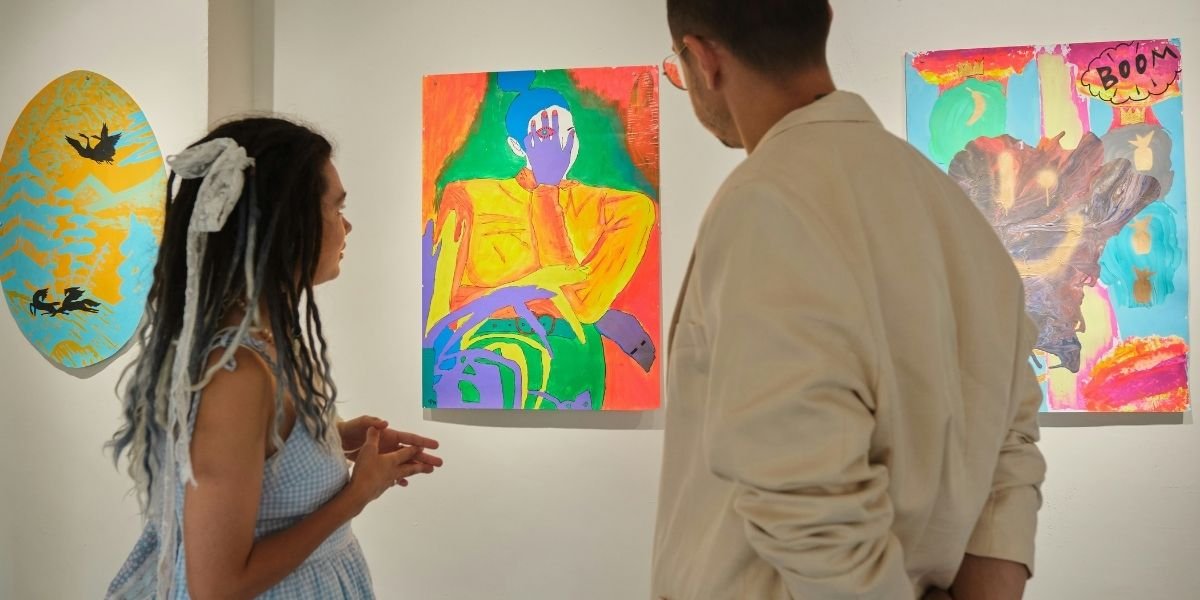
Pop-Art is getting a bold new remix in San Francisco. Local artists, curators, and cultural spaces are reimagining the genre for fresh audiences, blending its iconic visuals and mass-media roots with Bay Area sensibilities. From gallery shows to street installations, Pop-Art is being used to explore identity, challenge norms, and connect with communities that crave both aesthetic punch and cultural relevance.
Pop-Art’s Local Evolution
San Francisco has long embraced Pop-Art’s playful defiance. But the current wave feels more layered. Artists are using Pop-Art not just to reference consumer culture, but to critique it, remix it, and reflect on how it intersects with tech, activism, and urban life.
At the de Young Museum, recent exhibits have featured works that echo Pop-Art’s visual language while addressing deeper themes. Artists like Wayne Thiebaud and Susan Weil are being reintroduced to new audiences, their work bridging traditional Pop-Art with experimental techniques. Thiebaud’s saturated pastries and storefronts feel familiar, but his newer work leans into abstraction and commentary. Weil’s mixed-media installations use repetition and fragmentation to explore perception, a nod to Pop-Art’s obsession with image and replication.
Across town, SFMOMA’s programming continues to highlight how Pop-Art influences local storytelling. Exhibits have included archival pieces and contemporary responses, showing how artists use Pop-Art to reflect San Francisco’s layered identity.
Emerging Artists and New Formats
Bay Area artists are pushing Pop-Art into new formats. Digital canvases, augmented reality, and interactive installations are becoming part of the toolkit. These creators aren’t just referencing Warhol or Lichtenstein, they’re remixing the genre to reflect San Francisco’s pace and politics.
Joanna Blume’s acrylic series, recently featured at Hunt & Gather, uses floral iconography and saturated color to explore nostalgia and nature in urban spaces. Her work, while rooted in Pop-Art’s visual grammar, feels distinctly local, shaped by the city’s parks, fog, and architectural contrasts.
At Yerba Buena Center for the Arts, the exhibit “Bay Area Then” showcases how Pop-Art influences public art and civic engagement. The show includes murals, digital projections, and participatory pieces that invite viewers to reflect on neighborhood change, media saturation, and cultural memory.
Seasonal Events Amplify Pop-Art’s Reach
Fall in San Francisco is packed with events that showcase Pop-Art in unexpected ways. From street fairs to gallery nights, the season offers opportunities for artists to connect with new audiences. The fall guide to seasonal events highlights installations and performances that blend Pop-Art with music, fashion, and food.
The 39th Annual Emeryville Art Exhibition features Pop-Art-inspired prints and mixed-media pieces that explore consumerism and identity. Artists use bold color, repetition, and irony to comment on everything from fast fashion to tech branding.
SOMArts Cultural Center’s Día de Los Muertos show includes Pop-Art tributes to local icons, blending traditional motifs with comic-book styling and neon palettes. These pieces celebrate life and legacy while challenging viewers to think about representation and memory.
Pop-Art’s Cultural Relevance in 2025
Pop-Art resonates because it’s direct. In a city shaped by tech, activism, and constant reinvention, the genre’s ability to comment on culture in real time makes it especially relevant. Whether it’s a mural critiquing surveillance or a print celebrating local drag icons, Pop-Art gives artists a way to speak loudly and clearly.
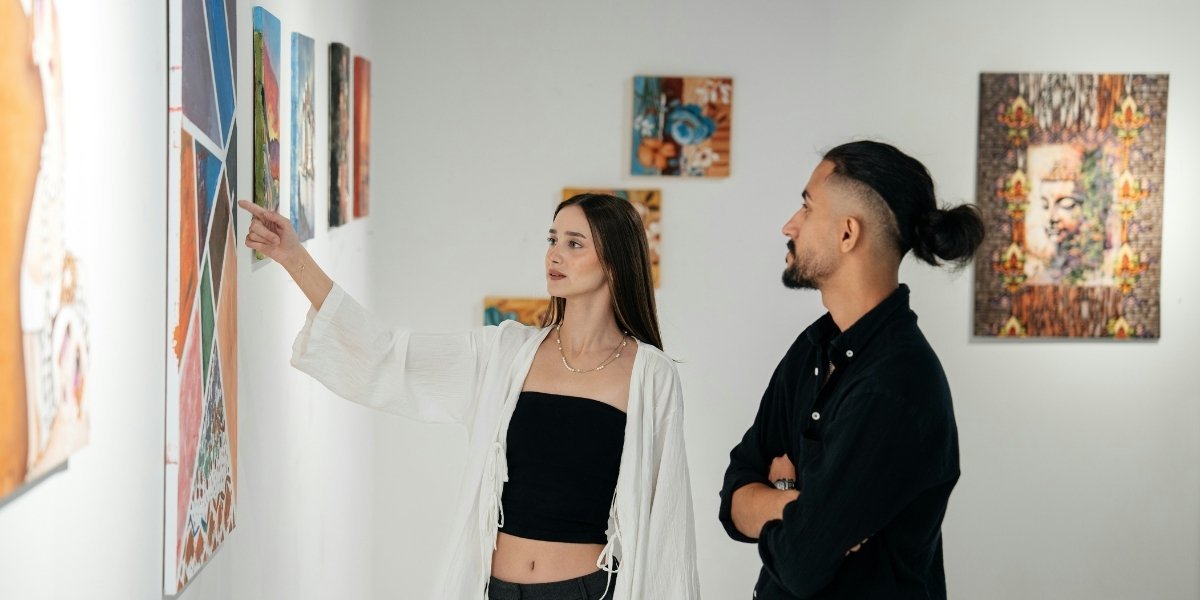
Photo Credit: Unsplash.com
San Francisco’s history plays a role here. The city’s legacy of protest, innovation, and artistic freedom continues to influence how Pop-Art is used. This overview of San Francisco’s artistic history shows how past movements inform current ones, creating a throughline from the Beat Generation to today’s digital-native creators.
Pop-Art also thrives in public spaces. Billboards, bus stops, and storefronts are becoming canvases for artists who want to reach beyond gallery walls. These works often use humor, satire, and pop culture references to spark conversation, turning everyday visuals into moments of reflection.
Tech Meets Pop-Art
San Francisco’s tech culture is influencing how Pop-Art is made and shared. Artists are using AI tools to generate patterns, remix images, and create interactive experiences. QR codes embedded in murals lead to digital galleries. Augmented reality apps let viewers animate static pieces with their phones.
These integrations aren’t just gimmicks. They reflect how Pop-Art adapts to new media, staying accessible, provocative, and responsive. For younger audiences raised on screens, this blend of physical and digital feels intuitive.
Some artists are even collaborating with startups to create branded Pop-Art campaigns. These projects walk a fine line between art and advertising, but when done thoughtfully, they can amplify local voices and bring creative work into new spaces.
Looking Ahead
Pop-Art in San Francisco isn’t just a revival, it’s a reinvention. As artists experiment with format, message, and audience, the genre continues to evolve. Expect more collaborations, more tech integration, and more public-facing work that turns sidewalks and storefronts into canvases.
For Bay Area audiences, Pop-Art offers something familiar and something new. It’s a genre that invites participation, sparks dialogue, and reflects the city’s creative pulse, loud, layered, and always in motion.