Golden Gate Park’s Iconic Cypress Tree Removed After 100 Years

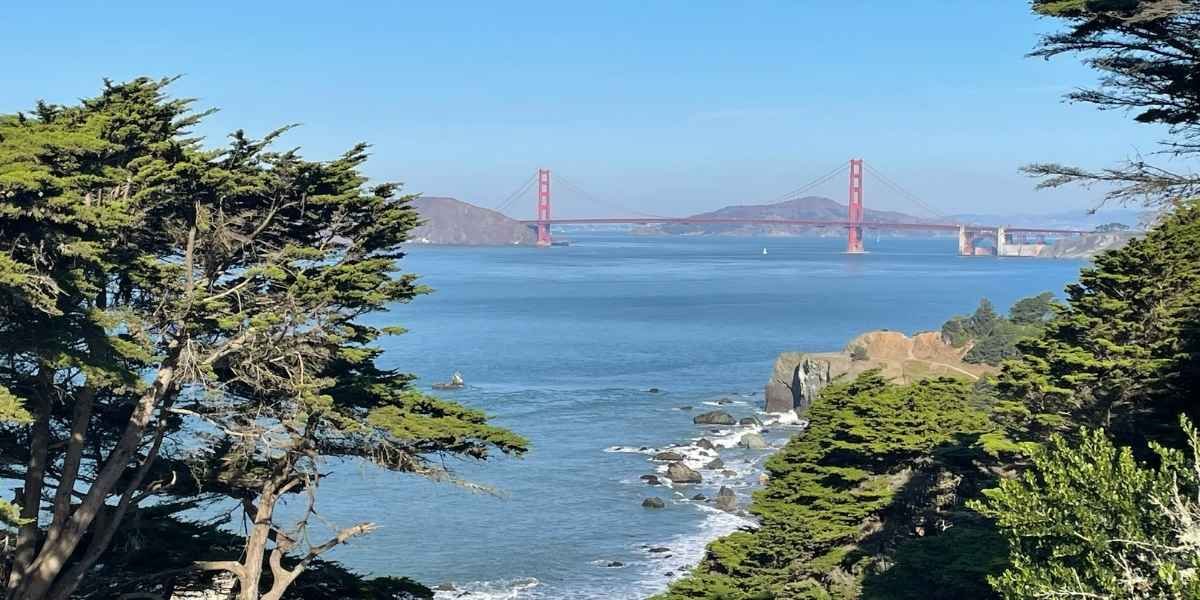
Golden Gate Park just lost one of its oldest living landmarks, a towering Monterey cypress that stood for over a century. Its removal marks the end of an era, but its legacy will live on in the park’s nature exploration areas. For generations of San Franciscans, the tree wasn’t just part of the landscape, it was part of the city’s story.
The 90-foot cypress, located on the eastern edge of Hellman Hollow, was removed in October 2025 after its trunk split, creating a significant safety hazard. Arborists from the San Francisco Recreation and Park Department determined that the tree could no longer be stabilized. The decision, while difficult, was made with public safety and ecological stewardship in mind.
A Living Landmark in the Heart of the Park
The Monterey cypress was more than a tree, it was a fixture of Golden Gate Park’s identity. Planted in the early 20th century, it grew alongside the city’s evolution, offering shade to picnickers, concertgoers, and weekend wanderers. Its sweeping canopy became a natural refuge, a backdrop for countless photos, and a meeting point for locals and tourists alike.
Its presence was especially felt during annual events like the Golden Gate Park concerts, where its branches framed stages and softened the edges of large crowds. For many, the tree was a quiet witness to San Francisco’s cultural heartbeat, from the Summer of Love to the rise of outdoor wellness culture.
Botanists often pointed to the tree as a prime example of Monterey cypress resilience. Native to California’s central coast, the species thrives in foggy, wind-swept environments, making Golden Gate Park an ideal home. But even the hardiest trees face limits, and after decades of weathering storms, droughts, and foot traffic, this cypress reached its final season.
From Tragedy to Transformation
The tree’s removal wasn’t taken lightly. After a recent inspection revealed a dangerous split in its trunk, arborists determined that the risk to public safety was too great. Rather than letting the tree’s story end in silence, the city chose to honor it in a uniquely San Francisco way.
In a sustainable twist, the cypress will be repurposed for the park’s nature exploration areas. Its wood will be transformed into benches, play structures, and educational installations, ensuring that future generations can continue to engage with its legacy. This approach reflects the city’s commitment to circular design and ecological storytelling.
“Though it can no longer stand, its story isn’t over,” the Recreation and Park Department shared in a public statement. “Its wood will continue to bring joy.”
The transformation also aligns with the park’s broader mission to create immersive, hands-on experiences for children and families. By integrating the tree into nature play zones, the city is turning loss into learning, offering a tactile connection to history, ecology, and resilience.
A Park That Evolves With Its People
Golden Gate Park has always been a living, breathing part of San Francisco’s identity. From its Victorian-era origins to its modern-day role as a cultural and ecological hub, the park reflects the city’s values: resilience, reinvention, and reverence for nature.
The cypress’s removal is a reminder that even the most iconic elements of the park are subject to change. But it’s also a testament to how the city honors its past while planning for the future. By integrating the tree into new educational spaces, the park continues to evolve without forgetting its roots.
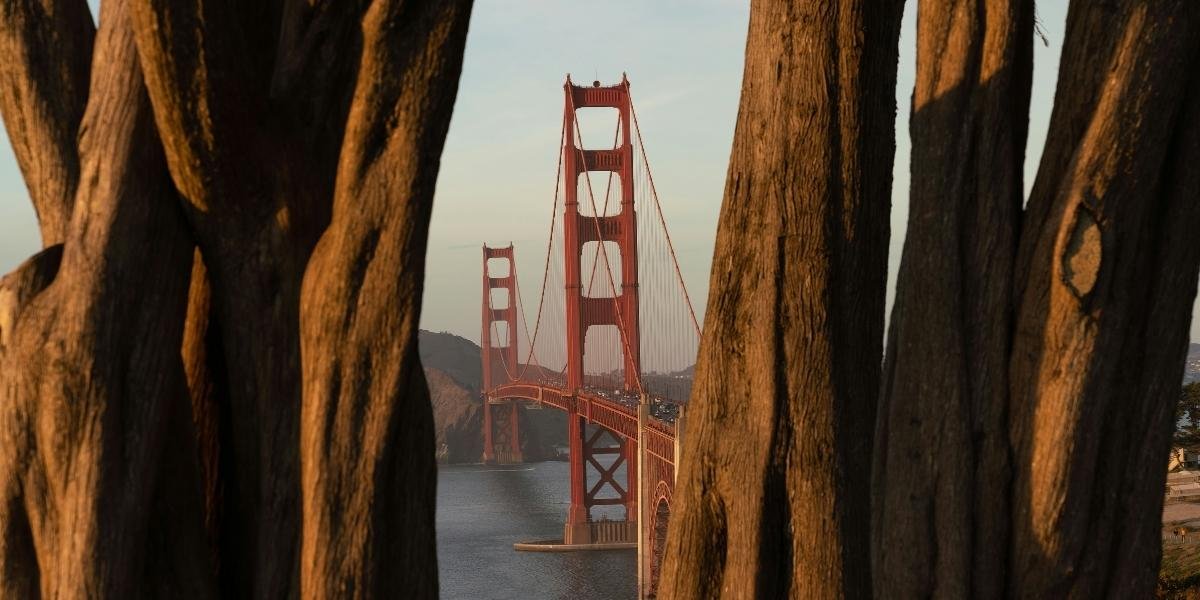
Photo Credit: Unsplash.com
This ethos is echoed in the park’s many stories, like the enduring mystery of The Fog Eater of Golden Gate Park, a local legend that captures the imagination of visitors and locals alike. Whether myth or memory, these stories shape the park’s character and deepen its connection to the community.
Community Reflections and Farewell
The response to the tree’s removal has been heartfelt. Social media lit up with photos, memories, and tributes from San Franciscans who grew up under its branches. Some recalled childhood games played in its shade; others shared snapshots from weddings, protests, and concerts where the cypress loomed large in the background.
City gardener, who has worked in the park for over two decades, described the tree as “a quiet guardian.” “It was always there,” she said. “Losing it feels like saying goodbye to an old friend.”
Local historians also weighed in, noting that the tree’s lifespan mirrored key moments in San Francisco’s development, from the post-earthquake rebuilding era to the rise of environmental activism in the 1970s. Its presence was a constant in a city known for change.
What’s Next for Hellman Hollow
With the cypress gone, the city is already planning how to reimagine the space. Landscape architects are working with community groups to design a new gathering area that honors the tree’s history while enhancing the Hollow’s natural beauty. The repurposed wood will be used to create interactive features that invite reflection, play, and learning.
This approach reflects a broader trend in urban park management, one that values sustainability, storytelling, and community engagement. Golden Gate Park isn’t just preserving its past; it’s using it to inspire what comes next.
The redesign will also include native plantings and interpretive signage that educate visitors about Monterey cypress ecology, climate resilience, and the role of trees in urban wellness. It’s a chance to turn a farewell into a forward-looking experience.
A Legacy That Lives On
The removal of the 100-year-old cypress is a poignant moment for San Francisco. But it’s also a celebration of continuity. The tree may be gone, but its spirit remains, woven into the fabric of the park, the memories of its visitors, and the wood that will soon support new generations of explorers.
In a city that’s constantly reinventing itself, Golden Gate Park remains a grounding force. And even as its landscape changes, its heart, rooted in community, culture, and care, continues to grow.