Fall Back: Essential Guide to Daylight Saving Time in SF

Daylight Saving Time is set to end in San Francisco, and while the clock change may seem routine, its impact on the city’s rhythm is anything but. On Sunday, November 2, 2025, at 2:00 a.m., clocks will fall back one hour, signaling the official return to Pacific Standard Time (PST). For Bay Area residents, this annual shift brings brighter mornings, earlier sunsets, and subtle changes that ripple through daily routines, wellness habits, and even workplace dynamics.

In a city known for its fast pace and tech-driven lifestyle, understanding how Daylight Saving Time affects everything from sleep cycles to transit schedules is essential. This guide offers a comprehensive look at what San Franciscans can expect, and how they can make the most of the seasonal reset.

Here’s the expanded version of “What Happens When Clocks Fall Back”, written in third person with the authoritative, community-connected voice of San Francisco Post:

What Happens When Clocks Fall Back

The most immediate shift is in daylight distribution. Mornings become brighter, with sunrise arriving earlier, while evenings darken sooner. For early risers, this means more natural light during morning routines, commutes, and school drop-offs. For those who favor evening activities, whether it’s a run through Golden Gate Park, a sunset dinner in the Mission, or a late-night shift in SoMa, the earlier dusk can feel abrupt and limiting.

This time adjustment also affects energy consumption. With more daylight in the morning and less in the evening, households may find themselves turning on lights earlier in the day. Businesses that operate during evening hours, including restaurants, retail shops, and entertainment venues, often adjust lighting, staffing, and promotional strategies to accommodate the seasonal shift.

Transportation systems across the Bay Area also respond to the change. BART, Muni, and Caltrain typically update schedules to reflect the new time standard, ensuring that early-morning and overnight services remain consistent. Travelers catching red-eye flights or long-haul connections should double-check departure times, especially if booking through third-party platforms that may not automatically adjust for the time change.

Digital devices, smartphones, laptops, smartwatches, usually update automatically, but manual clocks, thermostats, and appliances may require a hands-on reset. San Francisco’s tech-forward households often rely on smart home systems to handle the transition, but it’s still common to see reminders posted in local cafes, coworking spaces, and community centers encouraging residents to “fall back” and check their clocks.

Fall Back Essential Guide to Daylight Saving Time in SF

Photo Credit: Unsplash.com

For global teams and remote workers, the shift to Pacific Standard Time can introduce temporary time zone mismatches. San Francisco professionals collaborating with colleagues in New York, London, or Tokyo may need to recalibrate meeting schedules and deadlines. While most calendar apps adjust automatically, recurring events and manually entered appointments should be reviewed to avoid confusion.

Ultimately, when clocks fall back in San Francisco, it’s more than a mechanical reset, it’s a seasonal pivot. The city’s rhythm shifts, routines recalibrate, and residents adapt with the same flexibility and creativity that defines life in the Bay Area. Whether embracing the extra hour for rest, productivity, or reflection, the end of Daylight Saving Time marks a moment of transition, one that invites San Franciscans to pause, adjust, and move forward with intention.

The Wellness Impact of Daylight Saving Time

While gaining an hour may sound like a bonus, the transition out of Daylight Saving Time can disrupt sleep patterns, mood, and productivity. Research shows that even minor shifts in circadian rhythm can lead to fatigue, irritability, and reduced focus, especially in the days immediately following the change.

In San Francisco’s high-performance work culture, where digital demands and constant check-ins are common, the time change can exacerbate burnout. Those exploring how workplace rhythms affect mental health may find insight in the city’s growing conversation around the wellness impact of constant check-ins, which highlights the need for intentional boundaries and recovery time.

To ease the transition, sleep experts recommend gradually adjusting bedtime in the days leading up to the change, limiting screen exposure before bed, and using natural morning light to reset the body’s internal clock. Employers can support staff by offering flexible start times or encouraging wellness breaks during the adjustment period.

Tech, Transit, and Timing in the Bay Area

San Francisco’s tech-savvy residents often rely on smart devices to handle the time change automatically. Smartphones, laptops, and connected home systems typically update without user input, but it’s still wise to double-check manual clocks, thermostats, and appliances. Transit riders should also be aware of schedule shifts, particularly for early-morning routes or long-haul connections.

For professionals managing remote teams or global clients, Daylight Saving Time can introduce temporary time zone mismatches. San Francisco’s return to PST may affect coordination with partners in New York, London, or Tokyo, making it important to confirm time-sensitive meetings and deadlines. Calendar apps usually adjust automatically, but recurring events and manual entries may require review.

The Debate Around Daylight Saving Time

Despite its long-standing presence, Daylight Saving Time remains a topic of debate in California. Critics argue that the practice is outdated, disruptive, and no longer aligned with modern energy usage or lifestyle patterns. In recent years, state lawmakers and advocacy groups have pushed for reform, with some proposing a permanent shift to standard time.

San Francisco residents interested in the broader conversation can explore perspectives on why some believe it’s time to end Daylight Saving Time, a topic that continues to gain traction across the state. While no changes are expected this year, the future of timekeeping in California remains uncertain, and could reshape everything from school start times to business hours.

How San Francisco Adapts to the Time Shift

As always, San Francisco adapts with creativity and resilience. Local businesses often use the time change as an opportunity to refresh hours, launch seasonal offerings, or promote wellness initiatives. Fitness studios may offer sunrise classes, while cafes and coworking spaces adjust lighting and ambiance to match the earlier dusk.

Community organizations also embrace the shift, hosting events that align with the new daylight schedule, from morning beach cleanups to twilight art walks. The city’s cultural energy doesn’t fade with the sun; it simply shifts. For many residents, the fall back moment is a chance to slow down, reflect, and reconnect with seasonal rhythms.

Tips for Navigating Daylight Saving Time in SF

To make the most of the transition, San Franciscans can take a few proactive steps:

  • Adjust sleep schedules gradually in the days leading up to the change.
  • Use morning light exposure to help reset circadian rhythms.
  • Double-check calendar invites for meetings across time zones.
  • Update manual clocks and appliances that don’t adjust automatically.
  • Plan evening activities earlier to maximize daylight.
  • Check transit schedules for potential timing changes.

These small adjustments can help residents maintain energy, focus, and well-being during the seasonal shift.

The Bottom Line: More Than Just a Time Change

Daylight Saving Time may only move the clock by an hour, but in San Francisco, its impact runs deeper. It touches wellness, work, culture, and connection, all the elements that make the city tick. By approaching the change with intention and awareness, residents can turn the transition into an opportunity for reset and renewal.

When the clocks fall back on November 2, San Francisco won’t just adjust its watches. It will adjust its rhythm, embracing the shift with the same creativity, resilience, and community spirit that defines the Bay Area.

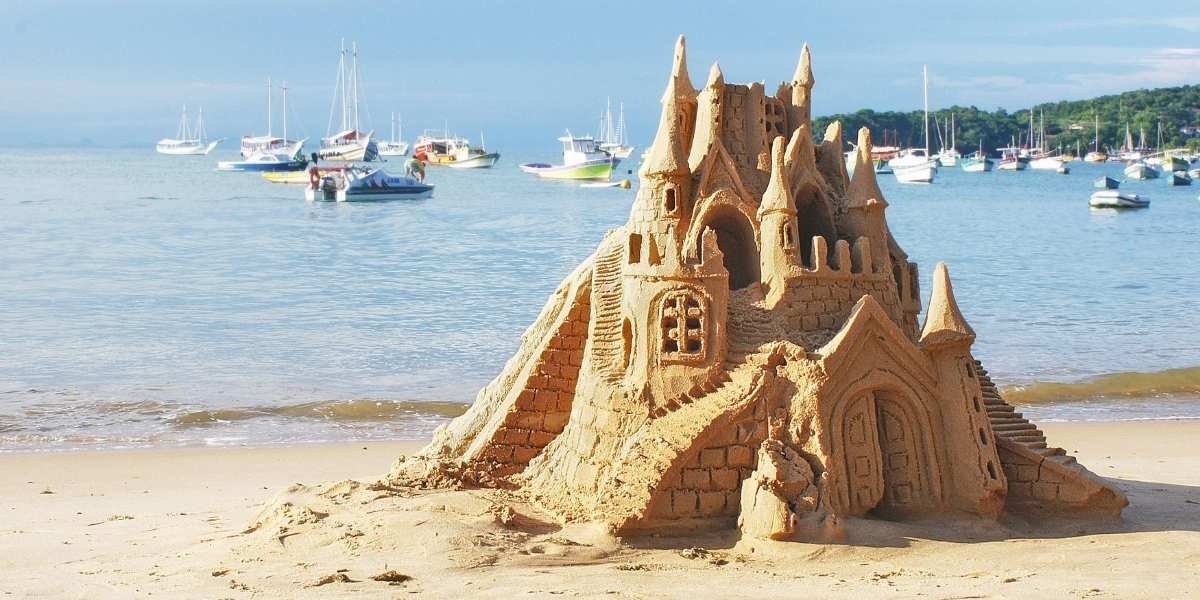
SF’s Leap Sandcastle Classic: A Bay Area Tradition Returns

The Leap Sandcastle Classic is making its long-awaited return to Ocean Beach, and San Francisco’s creative community is ready to dig in. On October 25, 2025, thousands of Bay Area residents, students, architects, and artists will gather for the 43rd annual Leap Sandcastle Classic, a beloved tradition that blends art, education, and civic pride in one of the city’s most iconic outdoor settings.

Hosted by Leap Arts in Education, the Leap Sandcastle Classic is more than a competition. It’s a celebration of youth creativity, mentorship, and the power of public art. Since its founding in 1983, the event has become Northern California’s largest sandcastle contest, drawing teams from across the region to sculpt elaborate creations while raising funds for arts education in San Francisco’s public schools.

A Mission Built on Creativity and Collaboration

The Leap Sandcastle Classic is more than a day at the beach, it’s a living embodiment of San Francisco’s belief in the power of creativity, education, and community. At its core, the event is driven by a mission to elevate arts education in public schools, and it does so through a uniquely collaborative model that brings together students, architects, engineers, and artists in a shared creative process.

Each year, Leap Arts in Education pairs elementary school classrooms with local design and architecture firms, forming multidisciplinary teams that work together for weeks leading up to the event. These teams don’t just sketch sandcastle ideas, they engage in full design-thinking exercises, complete with brainstorming sessions, scaled models, and role-based planning. Students learn how to communicate their ideas, solve problems as a group, and see their concepts evolve from imagination to execution.

This collaboration is more than symbolic. It gives students direct access to professionals who treat their ideas with respect and curiosity. For many children, especially those from under-resourced schools, it’s the first time they’ve worked alongside adults in a creative, non-hierarchical setting. The experience builds confidence, fosters mentorship, and introduces career pathways that might otherwise feel out of reach.

The Leap Sandcastle Classic also reflects San Francisco’s broader commitment to civic engagement through art. By inviting firms to donate time and expertise, and by centering students in the creative process, the event becomes a model for how public-private partnerships can drive meaningful impact. It’s not just about building sandcastles, it’s about building relationships, skills, and a sense of belonging.

In a city where innovation often starts with collaboration, the Leap Sandcastle Classic stands out as a tradition that honors both artistry and equity. It’s a reminder that when creativity is nurtured in community, it becomes a force for transformation, one grain of sand at a time.

Ocean Beach Transformed

On the day of the event, Ocean Beach becomes a living gallery. Teams arrive early to stake out their plots, armed with shovels, buckets, and blueprints for their sand sculptures. Throughout the day, the beach fills with fantastical creations, dragons, pyramids, sea creatures, and abstract forms, each reflecting the imagination and collaboration of its creators.

Spectators are invited to explore the competition zone, vote for their favorite builds, and participate in hands-on art activities. A community castle area allows anyone to sculpt and play, making the Leap Sandcastle Classic a truly inclusive experience. The atmosphere is festive, with live music, food trucks, and interactive booths that showcase the diversity and creativity of the Bay Area.

The event’s energy echoes other local celebrations, such as the Chinatown Autumn Moon Festival, where tradition and innovation come together in vibrant public spaces. Like those festivals, the Leap Sandcastle Classic reflects San Francisco’s unique blend of cultural heritage and forward-thinking spirit.

Evolving With the City

While the Leap Sandcastle Classic honors tradition, it also evolves with the times. In recent years, the event has embraced themes like sustainability, climate awareness, and inclusive design. Teams are encouraged to use biodegradable materials, minimize waste, and incorporate messages that reflect the city’s progressive values.

SF’s Leap Sandcastle Classic A Bay Area Tradition Returns

Photo Credit: Unsplash.com

Accessibility has also become a priority. This year’s event includes expanded accommodations for families with disabilities, ensuring that everyone can participate and enjoy the festivities. These efforts align with broader movements in San Francisco to make public events more inclusive and wellness-focused, a trend seen in experiences like enzyme baths rooted in Japanese tradition, which blend cultural depth with modern self-care.

Why the Leap Sandcastle Classic Still Matters

In a city known for its tech innovation and fast-paced growth, the Leap Sandcastle Classic offers a rare moment of analog joy. It’s a reminder that creativity doesn’t always require screens or software, sometimes, it just takes sand, water, and a shared vision. The event brings together people from all walks of life, creating space for connection, collaboration, and celebration.

For many students, the Leap Sandcastle Classic is a formative experience. It’s their first time working with professionals, presenting ideas publicly, and seeing their creativity come to life in a tangible way. For educators and families, it’s a chance to witness the transformative power of arts education. And for the city at large, it’s a reflection of San Francisco’s enduring commitment to community-driven innovation.

The Bottom Line: A Castle Built on Purpose

The Leap Sandcastle Classic is more than an event, it’s a tradition built on purpose. It celebrates the power of art, the importance of mentorship, and the spirit of San Francisco itself. As the city continues to evolve, events like this remind residents of what makes the Bay Area special: its creativity, its inclusivity, and its unwavering belief in the potential of its youth.

Whether sculpting, spectating, or simply soaking in the sun, attendees of the Leap Sandcastle Classic will find themselves part of something bigger, a legacy of imagination, education, and civic pride that continues to shape San Francisco’s cultural landscape.

How Data Scraping Could Affect SF’s Business Landscape and Growth

Data scraping is no longer a back-end tactic reserved for tech insiders, it’s now a front-line force shaping how San Francisco’s businesses grow, compete, and innovate. In a city where startups scale overnight and legacy industries are constantly retooling, the ability to extract and leverage public data has become a strategic advantage. But as data scraping becomes more sophisticated, so do the questions around ethics, transparency, and long-term impact.

From real estate to retail, nonprofits to fintech, data scraping is influencing how decisions are made and how markets are understood. And in a region that thrives on disruption, the implications for San Francisco’s business landscape are both exciting and complex.

Data Scraping as a Growth Engine

At its core, data scraping involves extracting publicly available information from websites and digital platforms, everything from product prices and customer reviews to job listings and property data. In San Francisco’s hyper-competitive economy, this practice has become a go-to tool for startups and enterprises looking to gain real-time market intelligence.

Local real estate firms, for instance, are using data scraping to monitor rental trends, track new listings, and analyze neighborhood-level demand. This allows them to adjust pricing dynamically, identify emerging hotspots, and anticipate shifts in buyer behavior. In a city where real estate moves fast and margins are razor-thin, having access to up-to-the-minute data can be the difference between a smart investment and a missed opportunity.

Retailers and e-commerce platforms are also leaning into scraping to benchmark competitors, optimize inventory, and personalize customer experiences. By analyzing scraped data from review sites, social media, and competitor catalogs, businesses can fine-tune their offerings and respond to consumer sentiment in real time.

Ethical Tensions and Transparency Gaps

As data scraping becomes more embedded in San Francisco’s business ecosystem, the ethical terrain is getting harder to navigate. What began as a technical workaround for gathering public information has evolved into a high-stakes practice with real implications for privacy, consent, and digital accountability. The tension lies in how companies use scraped data, and whether the individuals behind that data ever agreed to be part of the equation.

In the Bay Area, where digital rights are deeply woven into civic identity, the lack of transparency around scraping practices is raising red flags. Many users still don’t realize that their publicly visible profiles, reviews, and activity logs are being harvested, analyzed, and monetized. This disconnect is fueling a broader conversation about informed consent and ethical tech. A deeper look at why users often don’t know their data is collected reveals how platform design and vague terms of service contribute to the confusion.

How Data Scraping Could Affect SF’s Business Landscape and Growth

Photo Credit: Unsplash.com

For businesses, the stakes are rising. Scraping data without clear boundaries can violate platform policies, trigger legal action, and erode public trust. The 2022 LinkedIn vs. hiQ Labs case set a precedent, but it didn’t settle the debate. In San Francisco, where innovation often outpaces regulation, companies are being urged to lead with integrity. That means disclosing scraping practices, respecting opt-outs, and building internal frameworks that prioritize ethical use. Because in a city that champions transparency, the future of data scraping won’t be defined by what’s technically possible, but by what’s socially responsible.

Nonprofits and the Scraping Opportunity

In a city where innovation meets activism, San Francisco’s nonprofits are quietly embracing data scraping as a tool for impact. While the practice is often associated with competitive business strategy, it’s increasingly being used by mission-driven organizations to understand community needs, track policy shifts, and optimize resource allocation. For nonprofits operating in fast-moving sectors like housing, food security, and public health, scraping publicly available data can unlock insights that traditional surveys and reports simply can’t deliver in real time.

Local organizations are using scraping tools to monitor eviction filings, rental price fluctuations, and zoning updates, all of which help them respond more effectively to housing instability. Others are tracking grant announcements, legislative changes, and demographic shifts to inform advocacy and outreach. In a city as dynamic as San Francisco, where neighborhood-level data can change week to week, scraping offers a way to stay ahead of the curve without relying on outdated datasets or expensive third-party reports.

But the opportunity goes beyond operations. Nonprofits are also exploring how scraped data can support storytelling, fundraising, and stakeholder engagement. By visualizing trends and surfacing patterns, they can make a stronger case for funding, policy reform, or public support. Those looking to deepen their digital strategy can explore how nonprofits are maximizing data and digital tools to drive mission-aligned growth.

Of course, ethical considerations still apply. Just like their for-profit counterparts, nonprofits must ensure that scraping practices respect privacy, comply with platform terms, and align with community values. But when done responsibly, data scraping can be a powerful equalizer, giving grassroots organizations the same analytical edge that large institutions enjoy. In San Francisco, where equity and innovation go hand in hand, nonprofits that harness scraping for good are helping redefine what tech-driven impact really looks like.

The Future of Data Scraping in SF

Looking ahead, data scraping will only become more embedded in how San Francisco’s businesses operate. AI and machine learning are already enhancing scraping capabilities, making it easier to extract, clean, and interpret massive datasets. This opens the door to predictive analytics, automated decision-making, and hyper-personalized services, but it also raises the stakes for ethical oversight.

Expect to see more companies investing in data governance, hiring compliance leads, and building internal frameworks to ensure scraping practices align with both legal standards and community expectations. As the city continues to lead on tech policy, it’s likely that San Francisco will become a national model for how to balance innovation with integrity.

Scraping with Purpose

Data scraping is no longer a fringe tactic, it’s a foundational tool for growth in San Francisco’s business ecosystem. From real estate to retail, nonprofits to tech, the ability to extract and act on public data is reshaping how decisions are made and how markets evolve. But with that power comes responsibility.

In a city that values transparency, equity, and innovation, the future of data scraping will depend on how well businesses align their practices with the values of the communities they serve. Those who lead with ethics, clarity, and impact won’t just stay ahead of the curve, they’ll help define it.