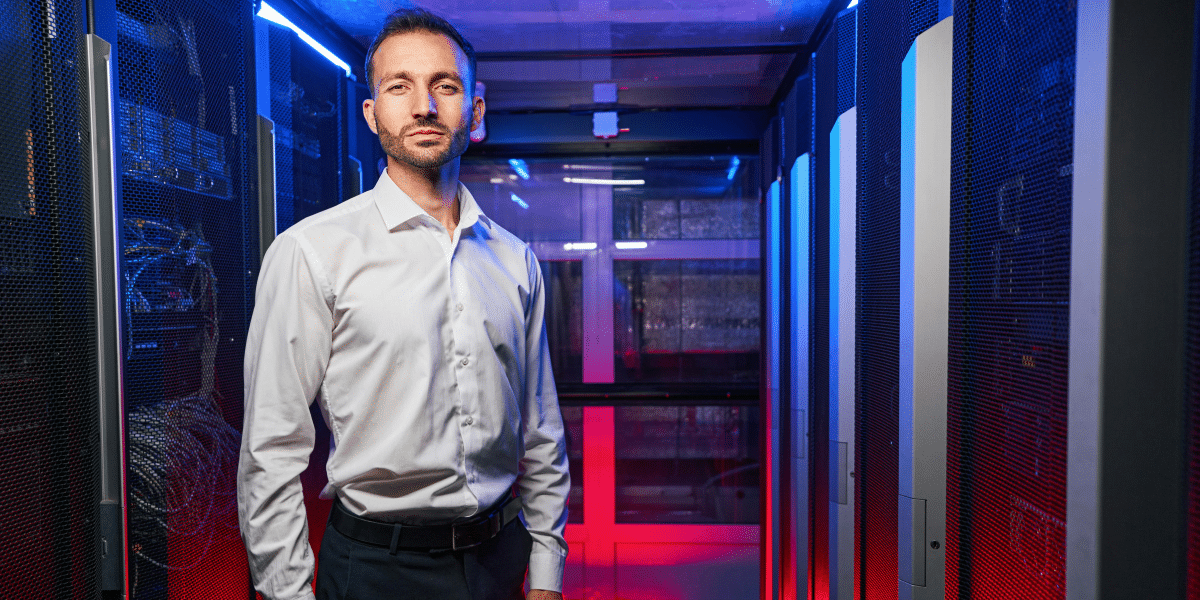
Workplace Dialogue in San Francisco: Questions That Spark Change

Workplace dialogue is more than conversation, it’s a tool for shaping culture, solving problems, and building trust. In San Francisco, where innovation and diversity define the business landscape, the way teams communicate is evolving. Thoughtful questions are becoming catalysts for change, helping organizations move beyond surface-level exchanges and into meaningful collaboration.

Why Workplace Dialogue Matters in San Francisco

San Francisco’s workforce is known for its mix of tech professionals, creatives, and service industry veterans. This diversity brings a wide range of perspectives, but it also requires intentional communication. Workplace dialogue helps bridge gaps in understanding, align goals, and foster psychological safety.

In a product design firm based in SoMa, weekly team huddles begin with open-ended questions like, “What’s one thing we missed last week that could improve this sprint?” This framing encourages reflection without blame and invites everyone to contribute. The result is a more inclusive environment where ideas surface organically.

The city’s shift toward hybrid work has also changed how workplace dialogue unfolds. With fewer in-person interactions, teams rely on structured conversations to maintain clarity and connection. Meeting agendas now include space for feedback and follow-up questions, ensuring that remote voices are heard as clearly as those in the office.

The Power of Framing in Workplace Dialogue

Not all questions lead to progress. The way a question is framed can either open a door or shut it. Asking “Why didn’t this get done?” might trigger defensiveness, while “What barriers got in the way, and how can we adjust?” invites problem-solving.

A marketing manager at a Mission District startup noticed that campaign reviews often stalled when feedback felt personal. By shifting the dialogue to focus on outcomes and shared goals, the team began to engage more constructively. Questions like “What did we learn from this result?” replaced critiques, leading to better collaboration.

This approach aligns with insights from recent workplace productivity trends, where tools like meeting transcription are helping teams revisit conversations and refine their communication. When employees can reflect on how questions were asked and answered, they’re more likely to improve future dialogue.

Workplace Dialogue as a Driver of Cultural Change

In San Francisco, workplace dialogue is increasingly viewed as a lever for cultural transformation. Companies are using it to challenge assumptions, address bias, and foster inclusion. A tech company in the Financial District introduced monthly “culture check-ins” where employees anonymously submit questions about workplace dynamics. Leadership then addresses these questions in open forums, creating transparency and trust.

During one session, a question about promotion pathways led to a broader conversation about mentorship and visibility. The company responded by launching a peer-led mentorship program, showing how a single question can spark systemic change.

This kind of dialogue also helps teams navigate shifting norms. As discussed in the article on changing workplace realities, employees are reevaluating their roles and expectations. Questions like “What does success look like for this role now?” or “How do we define impact in a hybrid setting?” are becoming central to performance conversations.

Real-World Applications of Workplace Dialogue

In a nonprofit focused on housing advocacy, staff meetings begin with a rotating question chosen by different team members. One week, the question was “What’s one assumption we’re making about our clients that we should revisit?” That prompt led to a redesign of intake forms to better reflect lived experiences.

A biotech firm in South San Francisco uses workplace dialogue to improve cross-functional collaboration. During quarterly planning, leaders ask, “What’s one thing your team needs from another department to succeed?” These questions uncover dependencies and foster mutual support.

In a hospitality group managing several downtown venues, managers use workplace dialogue to address scheduling conflicts. Instead of asking “Who’s available to cover this shift?” they ask “What’s the best way to balance coverage and well-being this week?” That shift in tone has improved morale and reduced burnout.

Encouraging Dialogue Across Hierarchies

Workplace dialogue isn’t just for peer-to-peer exchanges, it’s essential across hierarchies. When senior leaders engage in open conversations with frontline staff, they gain insights that often go unnoticed. A retail chain headquartered in San Francisco holds quarterly “reverse town halls” where junior employees ask questions anonymously, and executives respond in real time.

One question about inconsistent break policies led to a review of scheduling software and a new set of guidelines. The change improved employee satisfaction and reduced turnover. These moments show that workplace dialogue can drive operational improvements when leaders are willing to listen.

In creative agencies, workplace dialogue helps bridge generational gaps. A senior art director and a junior designer might approach feedback differently, but when both are encouraged to ask clarifying questions, like “What’s the intent behind this layout?” or “How does this align with the brand voice?”, the result is stronger collaboration.

Building Dialogue into Daily Workflow

To make workplace dialogue sustainable, companies are embedding it into daily routines. Stand-ups, retrospectives, and one-on-ones now include structured questions that prompt reflection and alignment. A fintech startup in the Tenderloin district uses a shared document where team members submit questions before meetings. This practice ensures that quieter voices are included and that meetings stay focused.

Workplace Dialogue in San Francisco: Questions That Spark Change

Photo Credit: Unsplash.com

Digital tools also support workplace dialogue. Platforms that allow asynchronous feedback, anonymous questions, and real-time polling help teams engage without pressure. These tools are especially valuable in remote settings, where spontaneous conversation is less frequent.

Training programs are evolving to include dialogue skills. Workshops on active listening, question framing, and feedback delivery are helping employees communicate more effectively. Companies that invest in these skills often see improvements in engagement, retention, and innovation.

Workplace Dialogue as a Long-Term Strategy

In San Francisco’s fast-moving business environment, workplace dialogue is becoming a long-term strategy for growth. It helps teams adapt, solve problems, and stay connected. Whether navigating hybrid work, addressing cultural shifts, or improving performance, the right questions can spark meaningful change.

Organizations that prioritize dialogue aren’t just improving communication, they’re building resilience. When employees feel heard and understood, they’re more likely to contribute, collaborate, and stay committed. In a city known for reinvention, workplace dialogue is proving to be one of its most powerful tools.


Essentialism’s Approach to Work and Life Balance in San Francisco

Work and life balance is a constant challenge in San Francisco, where long hours, high expectations, and a culture of productivity often blur the line between personal and professional time. Essentialism, a philosophy rooted in doing less but better, is gaining traction among professionals who want to reclaim their time and energy without sacrificing ambition.

What Essentialism Means in a San Francisco Context

Essentialism isn’t about minimalism or cutting corners. It’s about making deliberate choices. In a city known for its fast pace and entrepreneurial spirit, essentialism encourages individuals to focus on what truly matters. That means saying no to distractions, setting boundaries, and aligning daily actions with long-term goals.

A product manager at a tech startup in SoMa began applying essentialist principles after realizing that back-to-back meetings were leaving little time for strategic thinking. By blocking out two hours each morning for deep work and declining non-essential invites, she improved both her output and her sense of control.

This mindset is especially relevant in San Francisco, where the pressure to be constantly available can lead to burnout. Essentialism offers a framework for resisting that pressure and creating space for reflection, rest, and meaningful work.

Work and Life Balance Through Intentional Boundaries

One of the core tenets of essentialism is boundary-setting. In practice, this means choosing which commitments to accept and which to decline. A marketing consultant working with multiple Bay Area clients decided to limit her workweek to four days, reserving Fridays for personal projects and recovery. She communicated this boundary clearly and found that clients respected her availability more when she was intentional about it.

This approach aligns with strategies outlined in this article on lifestyle inflation, which explores how unchecked commitments, financial or professional, can erode well-being. Essentialism helps counter that by encouraging people to evaluate whether each new responsibility adds real value.

In shared workspaces across the city, professionals are experimenting with “focus zones” and quiet hours to protect their time. These practices aren’t just about productivity, they’re about preserving energy for what matters most.

Declining Without Guilt: A Healthier Lifestyle Shift

Saying no is often uncomfortable, especially in collaborative environments. But essentialism reframes it as a positive act. Declining a favor, a meeting, or a project isn’t a rejection, it’s a commitment to clarity. A nonprofit director in the Mission District began turning down last-minute requests that didn’t align with her team’s goals. She noticed that her staff became more focused and less reactive.

This shift is echoed in this piece on declining favors, which highlights how setting limits can lead to healthier relationships and more sustainable routines. In San Francisco’s culture of hustle, the ability to say no with confidence is a skill that supports long-term work and life balance.

Essentialism encourages professionals to ask, “Is this the highest and best use of my time?” That question helps filter out obligations that drain energy without delivering meaningful results.

Applying Essentialism to Remote and Hybrid Work

With remote and hybrid work now standard across many San Francisco companies, essentialism offers a way to navigate blurred boundaries. A UX designer working from home in Bernal Heights noticed that her workday was stretching into the evening. By setting a firm end time and using a physical cue, like shutting her laptop and leaving the workspace, she reestablished separation between work and personal life.

Essentialism also supports asynchronous collaboration. Teams that prioritize clarity and purpose in communication reduce the need for constant check-ins. A fintech startup in the Financial District adopted a “one-touch” email policy, encouraging employees to respond only when necessary and to keep messages focused. This reduced inbox clutter and improved response quality.

These practices help reinforce work and life balance by minimizing digital noise and allowing employees to focus on high-impact tasks.

Essentialism in Team Culture and Leadership

Leaders play a key role in modeling essentialist behavior. A creative agency in North Beach revised its project intake process to include a “purpose check.” Before accepting new work, teams ask whether the project aligns with core values and strategic goals. This filter helps prevent scope creep and ensures that energy is directed toward meaningful outcomes.

Essentialism’s Approach to Work and Life Balance in San Francisco

Photo Credit: Unsplash.com

Managers who embrace essentialism often see improvements in team morale. When employees feel empowered to prioritize, they’re less likely to experience burnout. A senior engineer at a biotech firm began encouraging her team to decline non-critical meetings and focus on deliverables. The result was fewer interruptions and more consistent progress.

Essentialism also supports transparent goal-setting. When teams know what matters most, they can align efforts and avoid distractions. This clarity strengthens collaboration and reinforces a culture of intentionality.

Work and Life Balance as a Long-Term Strategy

Essentialism isn’t a quick fix, it’s a long-term strategy for sustainable success. In San Francisco, where innovation and ambition often collide with exhaustion, this philosophy offers a way to thrive without overextending. It encourages professionals to pause, reflect, and choose wisely.

A founder preparing for a new funding round used essentialism to streamline her calendar. She reduced meetings, delegated tasks, and focused on investor conversations that aligned with her company’s mission. This shift helped her stay grounded during a high-stakes period.

Work and life balance isn’t about perfect symmetry, it’s about intentional trade-offs. Essentialism helps individuals make those trade-offs with clarity and confidence. In a city that values reinvention, this mindset is becoming a quiet revolution in how people work, live, and lead.

How San Francisco Continues to Drive Cloud Computing Advancements

Cloud computing has become the backbone of modern digital infrastructure, and San Francisco continues to play a pivotal role in shaping its evolution. From pioneering startups to global tech giants, the city’s ecosystem fuels innovation, investment, and collaboration in cloud technologies. As demand for scalable, secure, and efficient computing grows, San Francisco remains a driving force behind the platforms and strategies that power today’s digital economy.

San Francisco’s Role in Cloud Computing Innovation

San Francisco’s influence in cloud computing stems from its deep concentration of engineering talent, venture capital, and entrepreneurial culture. The city’s proximity to Silicon Valley amplifies its reach, but its own identity as a tech hub is firmly established. Companies headquartered in San Francisco are developing cloud-native applications, refining edge computing models, and pushing boundaries in AI-powered infrastructure.

A software firm in the Financial District recently launched a cloud-based platform that streamlines data analytics for mid-sized enterprises. By integrating machine learning and real-time processing, the platform reduces latency and improves decision-making. This kind of innovation reflects the city’s commitment to solving complex business challenges through cloud computing.

The city’s leadership is also visible in public sector initiatives. San Francisco’s Department of Technology established a Cloud Center of Excellence to support citywide adoption of cloud services. This move ensures that municipal departments can access secure, scalable solutions while maintaining compliance and data integrity.

Talent and Collaboration Fueling Cloud Advancements

Cloud computing thrives on collaboration, and San Francisco’s workforce is uniquely positioned to support it. Engineers, product managers, and data scientists often move between startups and established firms, bringing fresh perspectives and technical expertise. This fluid exchange of ideas accelerates development and fosters a culture of experimentation.

A cybersecurity startup in SoMa partnered with a larger cloud provider to pilot a new encryption protocol for distributed systems. The collaboration allowed both teams to test scalability and security in real-world conditions, leading to a broader rollout across enterprise clients.

Universities and research institutions also contribute to the city’s cloud computing momentum. Graduate programs in computer science and data engineering feed talent into local companies, while academic partnerships support long-term research. These connections help bridge theoretical models with practical applications.

Cloud Computing’s Economic Impact on San Francisco

The economic impact of cloud computing in San Francisco is substantial. As companies adopt cloud infrastructure, they reduce overhead, improve agility, and unlock new revenue streams. This shift supports job creation, attracts investment, and strengthens the city’s position in the global tech economy.

As explored in this article on how tech companies shape the local and national economy, cloud computing plays a central role in driving productivity and innovation. Businesses that embrace cloud solutions often outperform competitors in speed, scalability, and customer experience.

Cloud computing also supports remote work and distributed teams, which are now standard across many San Francisco firms. By enabling secure access to tools and data from anywhere, cloud platforms help companies retain talent and expand their reach without physical constraints.

Brand Building in a Cloud-Driven Tech Hub

San Francisco’s reputation as a cloud computing leader also influences branding and market positioning. Companies that operate in the city often highlight their location as a signal of innovation and credibility. This branding strategy helps attract clients, investors, and talent.

A digital marketing agency based in the Mission District rebranded its services around cloud-native campaign management. By emphasizing automation, scalability, and real-time analytics, the agency positioned itself as a forward-thinking partner for tech clients. This move aligned with broader trends in brand elevation within California’s tech hub, where cloud capabilities are increasingly seen as a competitive advantage.

How San Francisco Continues to Drive Cloud Computing Advancements

Photo Credit: Unsplash.com

Startups also benefit from the city’s cloud reputation. Pitch decks often include references to cloud infrastructure as a way to demonstrate readiness for scale and resilience. Investors familiar with San Francisco’s tech landscape recognize these signals and respond accordingly.

Real-World Applications Driving Cloud Growth

San Francisco companies are applying cloud computing across industries, from healthcare and finance to logistics and entertainment. A healthtech firm in the Embarcadero uses cloud-based platforms to manage patient data, support telemedicine, and analyze treatment outcomes. These tools improve access and efficiency while maintaining compliance with privacy regulations.

In the financial sector, cloud computing supports fraud detection, risk modeling, and customer service automation. A fintech startup in Hayes Valley developed a cloud-native dashboard that integrates real-time transaction monitoring with predictive analytics. This solution helps banks respond to threats faster and improve user experience.

Entertainment companies are also leveraging cloud platforms for content delivery and audience engagement. A gaming studio in South San Francisco migrated its multiplayer infrastructure to the cloud, reducing latency and improving scalability during peak usage. These real-world applications highlight the versatility and impact of cloud computing across sectors.

Challenges and Opportunities Ahead

Despite its strengths, cloud computing in San Francisco faces challenges. Rising costs, data privacy concerns, and talent competition require ongoing attention. Companies must balance innovation with governance, ensuring that cloud solutions remain secure, efficient, and ethical.

Regulatory frameworks are evolving, and firms must stay ahead of compliance requirements. As data sovereignty and cross-border storage become more complex, cloud providers and users must collaborate on solutions that protect user rights and business interests.

Still, the opportunities are vast. Emerging technologies like serverless computing, edge processing, and AI integration are opening new frontiers. San Francisco’s ecosystem is well-positioned to lead these advancements, thanks to its talent density, investment culture, and collaborative spirit.

Cloud Computing as a Strategic Advantage

In San Francisco, cloud computing is more than infrastructure, it’s a strategic advantage. It enables agility, supports innovation, and drives economic growth. Companies that embrace cloud technologies are better equipped to adapt, scale, and lead in competitive markets.

As the city continues to attract talent and investment, its role in cloud computing will only deepen. From startups building the next generation of platforms to public initiatives modernizing civic services, San Francisco remains at the forefront of cloud innovation.