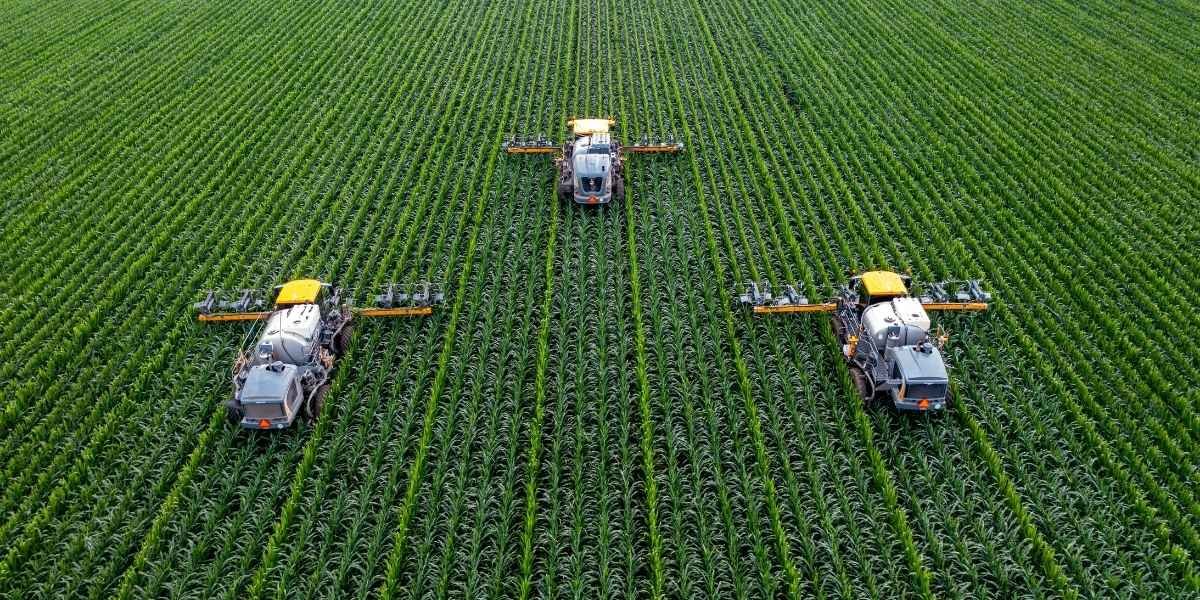
Why Autonomous Tractors Could Be the Future of Modern Agriculture

The agricultural industry, often seen as one of the oldest industries in the world, is undergoing a major transformation. With technology advancing rapidly, autonomous tractors are at the forefront of this shift, helping to reshape farming practices and improve overall efficiency. These self-driving machines, equipped with cutting-edge technology, are not only increasing productivity but also addressing long-standing challenges such as labor shortages and environmental concerns. So, what is driving the rise of autonomous tractors, and why could they become a staple in modern agriculture?

What Are Autonomous Tractors?

Autonomous tractors are self-operating machines designed to perform traditional farming tasks without human intervention. Using a combination of GPS, sensors, artificial intelligence (AI), and machine learning, these tractors can carry out a variety of functions, such as plowing, planting, and spraying, all while optimizing the use of resources. Powered by technology, autonomous tractors can operate 24/7, significantly increasing efficiency and reducing the need for human labor.

These machines are equipped with cameras, radar, and lidar systems that enable them to “see” their surroundings and make real-time decisions based on field conditions. For example, an autonomous tractor can detect soil moisture levels and adjust its operations accordingly to minimize water waste. With AI at the helm, these tractors are capable of learning from past experiences, continually improving their performance and adaptability on the field.

How Do Autonomous Tractors Improve Efficiency?

Why Autonomous Tractors Could Be the Future of Modern Agriculture


Photo Credit: Unsplash.com

One of the primary advantages of autonomous tractors is their ability to enhance operational efficiency. Traditional farming methods often involve manual labor, which can be time-consuming, inconsistent, and subject to human error. Autonomous tractors, on the other hand, are designed to carry out tasks with a high degree of precision and consistency.

By automating everyday tasks, these machines can work around the clock without needing rest or breaks. Farmers no longer have to worry about time constraints or fatigue affecting the quality of work. They can complete tasks such as tilling, planting, and fertilizing at any time of day or night, even during off-peak hours. This ability to work continuously allows farmers to stay on schedule during critical periods like planting season and harvest time.

Moreover, autonomous tractors can communicate with other machines and systems on the farm. They can be integrated with cloud-based platforms to collect and analyze data from ongoing field operations. This data-driven approach enables farmers to make better decisions, track tractor performance, and adjust farming practices for optimal outcomes.

How Do Autonomous Tractors Help Reduce Labor Costs?

Labor shortages are a significant concern in the agricultural industry. The average age of farmers is increasing, and younger generations are not entering the profession at the same rate as older ones are retiring. This shortage of workers often leads to higher labor costs and increased difficulty in maintaining operations. Autonomous tractors can help address this issue by reducing reliance on manual labor.

These machines allow farmers to operate more efficiently with fewer workers. Tasks that once required multiple laborers can now be performed by a single autonomous tractor, freeing up time and resources. As a result, farmers can reallocate their workforce to other areas where human expertise is still needed, such as managing crop health or overseeing advanced technological systems.

While the initial cost of autonomous tractors can be high, their long-term impact on reducing labor expenses can make them a cost-effective investment. The savings in labor costs, combined with increased productivity, make autonomous tractors a valuable asset for modern farms.

What Environmental Benefits Do Autonomous Tractors Offer?

Autonomous tractors also contribute significantly to sustainable farming practices. These machines are designed to minimize waste, optimize resource usage, and reduce environmental impacts, making them a crucial tool in the fight against climate change.

  • Fuel Efficiency: Autonomous tractors are optimized to follow the most efficient routes, reducing unnecessary fuel consumption. By taking the shortest paths and avoiding excessive idling, these machines consume less fuel, lowering carbon emissions and operating costs.
  • Precision Agriculture: One of the most important benefits of autonomous tractors is their ability to use inputs like fertilizers, pesticides, and water with extreme precision. By applying the right amount of resources in the right places, autonomous tractors can minimize waste and reduce runoff. This leads to healthier crops and a cleaner environment, as it helps prevent harmful chemicals from contaminating soil or water sources.
  • Sustainability: Autonomous tractors can also help improve soil health by implementing strategies like reduced tillage, which prevents soil erosion and promotes long-term soil fertility. This is particularly important for preserving the land for future generations of farmers.

As sustainability becomes an increasingly important factor in farming, autonomous tractors represent a practical solution to reducing the ecological footprint of agriculture.

How Do Autonomous Tractors Enhance Safety?

Farming is a physically demanding job, often involving repetitive tasks that can lead to fatigue and accidents. The use of autonomous tractors helps improve safety by automating some of the more dangerous tasks on the farm.

These machines can handle tasks like spraying chemicals or operating heavy equipment, which are often hazardous to human health. By removing humans from these high-risk activities, autonomous tractors help reduce the likelihood of accidents and injuries on the farm.

Additionally, autonomous tractors are equipped with advanced sensors that allow them to navigate fields safely and avoid obstacles. In the event of an unexpected situation, such as an animal crossing the path or an obstacle appearing in the field, these machines can respond in real-time to avoid collisions and potential damage.

The ability to automate these tasks not only enhances safety but also helps reduce the physical strain placed on farmers, allowing them to focus on other aspects of farm management.

What Does the Future Hold for Autonomous Tractors?

Why Autonomous Tractors Could Be the Future of Modern Agriculture

Photo Credit: Unsplash.com

The future of autonomous tractors looks promising, with advancements in AI, robotics, and machine learning continuously improving their capabilities. As technology becomes more accessible, autonomous tractors are expected to become more affordable and efficient, with new features and functions being developed to address emerging challenges in agriculture.

In the coming years, it is likely that these machines will become even more integrated with other systems on the farm, such as drones, sensors, and data platforms. This integration will allow farmers to optimize every aspect of their operations, from planting to harvesting, in ways that were once unimaginable.

While the widespread adoption of autonomous tractors may take some time, their potential to transform modern agriculture cannot be ignored. As the technology continues to evolve, autonomous tractors will play a critical role in making farming more efficient, sustainable, and cost-effective, helping to feed a growing global population.


 

San Francisco’s AI Boom Fuels Demand for Skilled Tech Professionals

San Francisco’s AI boom is reshaping the city’s tech workforce. The demand for skilled professionals has surged as companies expand their use of artificial intelligence across product development, infrastructure, and operations. From machine learning engineers to data analysts, roles that support AI systems are becoming central to hiring strategies across the Bay Area.

This shift is visible in job boards, recruiting platforms, and local hiring events. Positions focused on natural language processing, computer vision, and model training are appearing more frequently, often with competitive compensation and hybrid work options. The city’s long-standing reputation as a tech hub has made it a natural home for this growth, but the pace and scope of AI adoption are pushing the boundaries of what traditional tech roles used to look like.

AI Hiring Is Reshaping Career Expectations

The demand for AI talent isn’t limited to specialists. Many companies are seeking professionals who can work across disciplines, combining technical knowledge with business strategy, ethics, and user experience. This has led to a rise in hybrid roles that blend engineering with product development or data governance.

Hiring managers are prioritizing candidates who can adapt quickly and contribute to long-term innovation. Job descriptions often emphasize collaboration, problem-solving, and the ability to work with evolving tools. For professionals already in tech, this means reskilling or expanding their expertise to stay competitive.

In practical terms, this shift is showing up in how job seekers approach their applications. A software developer with experience in backend systems might now be expected to understand how AI models interact with databases or how to integrate machine learning into existing platforms. Similarly, a product manager may be asked to evaluate the ethical implications of AI features, even if they don’t write code themselves.

For those entering the workforce, internships and entry-level roles are increasingly focused on AI-adjacent tasks. Instead of simply testing software or managing support tickets, new hires might be asked to annotate training data, monitor model performance, or assist in building user feedback loops for AI-driven tools. These responsibilities reflect how deeply AI is embedded in everyday operations.

Neighborhoods Are Shifting Alongside Workforce Trends

As AI-focused professionals move into the city, housing patterns are changing. While traditional tech neighborhoods remain popular, newer arrivals are exploring areas with better access to co-working spaces, public transit, and community amenities. This shift is influencing rental demand and reshaping local dynamics.

In fact, young professionals are moving to new neighborhoods in SF, drawn by proximity to emerging tech corridors and flexible work environments. Neighborhoods once considered peripheral are now seeing increased interest, with local businesses adapting to serve a more mobile and digitally connected population.

Areas with former industrial buildings are being converted into shared workspaces and startup incubators. These spaces often host AI meetups, hackathons, and informal networking events, creating a sense of community among professionals who might otherwise work remotely. The presence of these hubs is influencing where people choose to live, especially those who value collaboration and access to resources.

This migration is also affecting local infrastructure. Transit routes are being reevaluated to support new commuting patterns, and city planners are considering how to balance residential growth with commercial expansion. For renters and homeowners alike, these changes are shaping decisions about where to settle and how to engage with the city’s evolving tech landscape.

Layoffs and Efficiency Are Redefining Tech Roles

While AI hiring is strong, it’s happening alongside broader shifts in the tech sector. Layoffs in non-AI roles have prompted many professionals to pivot toward positions that support automation and data-driven decision-making. This transition reflects how AI is being used to streamline operations, reduce overhead, and improve efficiency.

The contrast is clear: some roles are being phased out, while others are being created to build and maintain the systems that replace them. As tech layoffs in the Bay Area highlight AI efficiency, professionals are reevaluating their career paths and seeking opportunities that align with long-term industry trends.

San Francisco's AI Boom Fuels Demand for Skilled Tech Professionals

Photo Credit: Unsplash.com

One common scenario involves customer support teams. As AI tools take on more responsibilities, such as handling inquiries, routing tickets, or generating responses, support staff are being asked to shift into roles that oversee these systems. Instead of answering questions directly, they may now be responsible for training models, reviewing flagged interactions, or improving user experience through feedback analysis.

Another example is in operations and logistics. Professionals who once managed inventory manually are now working alongside AI platforms that forecast demand, optimize delivery routes, and automate restocking. Their roles haven’t disappeared, but they’ve changed significantly, requiring new skills and a different mindset.

Upskilling Is Becoming Essential for Career Growth

To meet the growing demand, many workers are turning to online courses, bootcamps, and certificate programs focused on AI and machine learning. These educational pathways offer a way to stay competitive, especially for those transitioning from adjacent fields like software development or data analytics.

Employers are also investing in internal training programs, recognizing that the pace of change requires ongoing education. Team members are encouraged to build skills in areas like model evaluation, algorithmic bias, and data ethics. This focus on continuous learning is becoming a standard part of tech careers in San Francisco.

However, access to training isn’t always equal. Entry-level professionals and those from non-traditional backgrounds may face barriers related to cost, time, or mentorship. The city’s high cost of living adds another layer of complexity, especially for those trying to break into the field without deep financial resources.

Some organizations are responding by offering scholarships, mentorship programs, or community-based learning initiatives. These efforts aim to make AI education more inclusive and sustainable, helping a broader range of professionals participate in the city’s evolving tech economy.

San Francisco’s Role in Shaping AI Careers

San Francisco’s influence on AI careers extends beyond local hiring. The city’s research institutions, startup culture, and collaborative networks contribute to innovations that ripple across industries. For professionals working in AI, being based in San Francisco offers exposure to ambitious projects and the chance to collaborate with teams pushing the boundaries of what’s possible.

The environment is fast-paced and competitive. Expectations are high, and the learning curve can be steep. But for those who thrive in dynamic settings, the opportunities are unmatched. The city continues to attract talent from across the country and around the world, reinforcing its position as a leader in AI development and workforce transformation.

Whether someone is building models, managing data pipelines, or shaping user experience, working in San Francisco offers a front-row seat to the evolution of AI. The city’s mix of technical depth, entrepreneurial energy, and collaborative spirit makes it a unique place to grow a career in this rapidly expanding field.


How Plastic Is Finding Its Way Into Our Food and Drinks

Plastic pollution has become one of the most pressing environmental issues of the 21st century. While much attention has been given to plastic in oceans, rivers, and landfills, an alarming trend has emerged: plastic is now finding its way into our food and drinks. This issue is concerning for both our health and the environment. From the microplastics found in our water bottles to the plastic used in food packaging, the presence of plastic in our food system has raised serious questions about its potential effects on our health.

Where Does Plastic in Our Food and Drinks Come From?

Plastic contamination in food and drinks is not as straightforward as simply dropping a plastic bottle into a soup pot. Instead, plastic finds its way into our food through several subtle, yet pervasive, channels. Food packaging is one of the most significant contributors. Items like packaged snacks, ready-to-eat meals, and beverages often contain plastic in their containers, wraps, or even the food itself.

Another major source is the process of food production and preparation. During manufacturing, plastics used for packaging and storage often shed tiny particles, known as microplastics, which can then leach into the food. These particles are so small that they’re virtually undetectable to the naked eye, yet studies have confirmed that they are present in various food products, from fruits and vegetables to seafood and processed meats. The process of microwaving or heating food in plastic containers also causes plastics to break down, releasing chemicals that may end up in the food itself.

How Does Plastic End Up in Our Drinking Water?

Photo Credit: Unsplash.com

Drinking water is another common source of plastic contamination. Studies have found microplastics in both bottled water and tap water worldwide. The plastic particles in bottled water are primarily the result of plastic packaging materials, including the bottles themselves, caps, and labels. The plastic from these bottles can break down into smaller particles over time, contaminating the water inside.

Tap water, although sourced from various water bodies, has also shown traces of plastic. In urban areas, plastic particles from microfibers, such as those released from synthetic fabrics during washing, make their way into rivers and lakes, which then feed into the water supply. In some cases, the pipes and infrastructure used to transport water may also contribute to microplastic contamination. Despite water treatment efforts, many of these tiny particles are too small to be filtered out, meaning they end up in the water we drink.

How Does Plastic Affect Our Health?

The health implications of consuming plastic are still being researched, but early findings suggest cause for concern. Microplastics, the tiny particles that measure less than 5 millimeters in length, can carry toxic chemicals and pollutants. These chemicals may leach into the body when consumed, potentially interfering with human health.

One of the primary concerns is the impact of plastic on the endocrine system. Chemicals like bisphenol A (BPA), commonly used in the production of plastics, are known to disrupt hormone function and have been linked to a variety of health issues, including reproductive problems, developmental issues in children, and certain cancers. Even though many countries have begun regulating BPA in food packaging, alternatives may still pose similar risks.

Additionally, the physical presence of plastic particles in the body could lead to inflammation and immune responses. While our bodies are capable of processing many foreign substances, the accumulation of microplastics over time may increase the risk of chronic health conditions. Researchers are working to understand the long-term effects of ingesting plastic, but for now, the evidence suggests that exposure should be minimized as much as possible.

What Are the Most Common Foods and Drinks Contaminated by Plastic?

Plastic contamination is found in a wide variety of foods and drinks, some of which may surprise consumers. Seafood, particularly shellfish, is one of the most well-known sources of plastic. Marine animals, especially filter feeders like oysters and mussels, are particularly vulnerable to microplastic ingestion. The tiny plastic particles in the water are consumed by these animals and subsequently passed up the food chain to humans.

Another common food contaminated with plastic is salt. Studies have shown that sea salt, as well as table salt, contains microplastic particles. This contamination likely comes from the ocean, where plastics break down into smaller pieces that become incorporated into sea water, and subsequently, the salt that is harvested.

Other foods that may contain plastic particles include honey, beer, and processed foods, all of which are linked to plastic contamination either through packaging, processing methods, or the food production environment. Even fruits and vegetables, which may not be directly packaged in plastic, can become contaminated if exposed to plastic particles during the growing, harvesting, or transportation stages.

What Can Be Done to Reduce Plastic Contamination in Our Food and Drinks?

Addressing plastic contamination requires efforts on multiple fronts, both from individuals and industries. One of the most effective ways to reduce plastic pollution in food and drink is by reducing plastic use in packaging. Moving away from single-use plastic packaging and adopting more sustainable alternatives, such as glass, metal, or biodegradable materials, could significantly decrease the amount of plastic entering the food system.

Governments and regulatory bodies also have a role to play in regulating plastic use in food packaging. Stricter regulations on the use of plastics, as well as standards for acceptable levels of plastic contamination in food, could help limit the presence of microplastics in our diet. Consumer awareness is another key factor. Educating the public about the sources of plastic contamination and encouraging the use of reusable containers, as well as the reduction of plastic waste, can help mitigate the problem.

In addition, advances in filtration technology could help in removing microplastics from drinking water. Water filtration systems that can target these particles may become more commonplace, providing consumers with cleaner drinking water and reducing the overall intake of plastic through beverages.

How Can We Protect Ourselves from Plastic Contamination?

While it may be challenging to completely eliminate plastic from our food and drink, there are steps we can take to reduce exposure. For instance, opting for fresh, unpackaged foods rather than processed ones can help minimize the risk of plastic contamination. Purchasing water in glass or stainless steel containers, rather than plastic bottles, can also reduce exposure to microplastics.

When possible, it’s also a good idea to avoid microwaving food in plastic containers, as heat can cause plastic to break down and release harmful chemicals. Using alternatives such as glass or ceramic containers is a safer option. In the case of drinking water, using a high-quality filtration system that can capture microplastics may be beneficial, particularly in areas where tap water is contaminated.

What Does the Future Hold for Plastic and Our Food?

Photo Credit: Unsplash.com

The problem of plastic contamination in food and drinks is a growing concern, but it’s not without hope. Ongoing research into safer materials, better recycling methods, and more effective packaging could pave the way for a future where food and drinks are free of plastic contamination. However, tackling the issue requires both individual action and collective effort across industries, governments, and environmental organizations.

Until a more comprehensive solution is found, the best course of action is to reduce our reliance on plastic and make informed choices about the food and drinks we consume. By taking small steps to limit exposure, we can collectively work towards reducing plastic in our food system, ensuring that future generations are not consuming more than just the food they’re meant to enjoy.

The Rise of Functional Foods: Eating for Energy and Wellness

Functional foods are becoming a central part of the modern diet as more people look to food for not only sustenance but also enhanced health benefits. From boosting energy to improving gut health, these foods are designed to do much more than fill hunger. With an increasing focus on personal wellness, it’s no wonder the demand for foods that provide extra health benefits continues to rise. But what exactly are functional foods, and why are they so popular?

What Are Functional Foods?

Functional foods are foods that have been fortified, enhanced, or naturally contain bioactive compounds that offer health benefits beyond basic nutrition. These foods typically aim to target specific health concerns such as immunity, digestion, stress management, and even mental clarity. While functional foods can be naturally occurring, they can also be modified or fortified with additional nutrients. Think of a yogurt enriched with probiotics or a snack bar packed with extra vitamins and minerals, these are classic examples of functional foods.

The primary difference between functional foods and regular foods is that they serve a dual purpose. Not only do they provide the essential nutrients needed for day-to-day functioning, but they also contribute to long-term health goals. For example, foods rich in omega-3 fatty acids can support heart health, while others fortified with vitamins may help boost the immune system.

How Do Functional Foods Impact Energy Levels?

The Rise of Functional Foods: Eating for Energy and Wellness

Photo Credit: Unsplash.com

Energy is one of the most common reasons people turn to functional foods. Whether it’s a mid-afternoon slump or an early-morning fatigue, functional foods can provide the right kind of energy without the crash often associated with sugary snacks or caffeinated drinks. Many functional foods are designed to deliver sustained energy by balancing nutrients that support metabolism, stamina, and alertness.

Take beverages enhanced with green tea extract or snacks containing medium-chain triglycerides (MCTs). These are often found in energy-boosting products that promise a steady increase in energy without the jitters. Additionally, foods that are rich in B vitamins, such as fortified cereals or snack bars, play a crucial role in converting food into energy, helping the body maintain its energy reserves throughout the day. This makes functional foods a great choice for those looking to increase their energy levels without relying on artificial stimulants.

How Do Functional Foods Support Mental Wellness?

As stress levels rise and the demands of daily life grow, mental wellness has become just as important as physical health. Functional foods are stepping in to address this growing concern by offering a variety of ingredients that support mental clarity, cognitive function, and emotional balance. Adaptogens, which are natural substances that help the body adapt to stress, are often included in functional food products for their ability to reduce anxiety and promote mental well-being.

Herbs such as ashwagandha, rhodiola, and lion’s mane mushrooms are gaining popularity in functional foods. These ingredients help the body handle stress more effectively and are often found in everything from teas to protein powders. They’re believed to reduce the physical and mental impacts of stress, providing relief for those dealing with the demands of modern life. In fact, many people are replacing their traditional coffee intake with functional beverages containing these adaptogens, which can promote a calm and focused state of mind without the highs and lows of caffeine.

What Role Do Functional Foods Play in Gut Health?

Gut health has become one of the hottest topics in the wellness industry, with a growing body of research suggesting that maintaining a healthy gut microbiome can have far-reaching effects on overall health. Functional foods play a major role in supporting gut health by introducing beneficial bacteria (probiotics) or promoting the growth of good bacteria in the digestive system.

Fermented foods like yogurt, kefir, and kombucha are rich in probiotics, which are known to improve digestion and enhance immune function. Prebiotic fibers found in foods like bananas, garlic, and onions also play a key role by providing food for the beneficial bacteria in the gut. Additionally, many functional foods are now formulated with digestive enzymes to further aid in the breakdown and absorption of nutrients.

Incorporating functional foods into the diet regularly can help maintain a balanced gut microbiome, which is linked to a healthier immune system, improved digestion, and even better skin health.

Are There Any Risks Associated with Functional Foods?

The Rise of Functional Foods: Eating for Energy and Wellness

Photo Credit: Unsplash.com

While functional foods offer many benefits, it’s important to approach them with caution. One concern is the processing level of some functional foods, which can be high. Many of these products, especially those that come in the form of energy bars, drinks, or powders, may contain added sugars, artificial sweeteners, or preservatives. These additives can counteract some of the health benefits these foods are meant to provide.

Another issue to consider is the overuse of fortified foods. Just because a food is marketed as “functional” doesn’t mean it’s automatically healthy for everyone. It’s important to remember that functional foods should complement, not replace, a balanced diet. For example, a vitamin-fortified drink might seem like a quick fix for low energy, but it should not replace natural food sources of vitamins and minerals.

Moderation and variety remain key when incorporating functional foods into one’s diet. Relying too heavily on any one food or supplement, even if it is “functional,” can lead to an imbalance in the diet and potentially cause other health issues.

Are Functional Foods the Future of Wellness?

The rise of functional foods shows no signs of slowing down. With increasing awareness of the benefits of a balanced diet and the importance of maintaining long-term health, more consumers are seeking out foods that offer specific wellness advantages. From boosting energy levels to supporting mental health and digestion, functional foods are proving to be a valuable addition to the modern diet.

While the focus on health and wellness continues to grow, it’s important to approach functional foods with an informed perspective. They should be seen as an enhancement to an overall healthy lifestyle, not a quick fix. By incorporating a variety of nutrient-dense, functional foods into the daily routine, individuals can support their health goals while maintaining a balanced and sustainable diet.

Preparing Your Auto Shop for the EV Era with WickedFile: What Matters in 2026

Picture this: it’s a calm afternoon at your shop. A walk-in pulls up, but instead of a pickup or sedan, it’s a Tesla, a Rivian, or maybe a plug-in Prius. Do you feel confident taking the job, or do you hesitate?

For many shop owners, electric vehicles (EVs) are still uncharted territory. High-voltage batteries, complex electrical systems, and new safety protocols can feel overwhelming. But EVs aren’t just a passing trend—they’re increasingly becoming a growing part of the market. By 2026, millions may be on U.S. roads. Each one will likely need maintenance: tires, suspension, brakes, air conditioning, and sometimes specialized electrical service. The question isn’t if they’ll show up at your shop—it’s more about when.

But readiness goes beyond tools and training. Being “EV ready” is just as much about what happens in your back office. Without a strong system to track repair orders, invoices, vendor credits, and warranty claims, shops could potentially risk losing money even as EV traffic increases. That’s where WickedFile might be helpful.

Understanding the EV Shift

Hybrids use both an internal combustion engine and an electric motor, while fully electric vehicles run entirely on batteries. Both introduce new systems—high-voltage batteries, inverters, converters, and specialized electronics—that might require shops to adjust.

These aren’t impossible to learn, but they bring new documentation challenges. Every repair order, parts purchase, and credit must be tracked accurately. Miss one invoice or vendor credit, and profits could slip away.

Safety Comes First

Servicing EVs requires new safety habits. High-voltage systems mean extra precautions:

  • Secure vehicles since EVs can be “on” silently.

  • Use proper PPE like insulated gloves and rescue hooks.

  • Test insulation with Ohm meters to verify wiring.

These practices help protect technicians but also create more paperwork—inspection results, sign-offs, and warranty notes that need to be stored safely. Losing any of it may create liability and affect credibility.

Services You Already Know

Here’s the upside: many EV services overlap with what you already do. EVs need:

  • Tires and alignments (faster wear due to weight and torque).

  • Brake services (regenerative systems still require resurfacing).

  • Suspension replacements (heavy batteries stress components).

  • Air conditioning and heating (critical for both comfort and battery cooling).

These are profitable jobs—but only if the associated documents are organized. A single missed credit or duplicate charge could wipe out the margin on a repair.

Preparing Your Auto Shop for the EV Era with WickedFile What Matters in 2026

Photo Courtesy: WickedFile

The Hidden Risk: Disorganized Paperwork

The real challenge isn’t just technical—it’s financial. Common back-office mistakes include:

  • Missing a battery return credit.

  • Overlooking a duplicate vendor charge.

  • Losing a warranty claim in an inbox.

  • Letting a repair order drift from its parts invoice.

Each of these could chip away at profitability. And with EV repairs often involving higher-priced parts, the stakes might be even higher.

WickedFile: Your EV Profit Partner

WickedFile aims to help ensure that EV work strengthens—not weakens—your bottom line.

Centralized Document Hub

All repair orders, invoices, and credits are stored in one secure system. No more hunting through folders and inboxes.

Profit Protection AI

WickedFile compares ROs, invoices, and statements to flag duplicate charges, missing credits, or mismatches before they potentially cost you.

Compliance Made Simple

EV jobs often require extra documentation. WickedFile timestamps and organizes records so you’re always audit- and vendor-ready.

Easy to Use, Quick to Learn

While EVs may take time to master, WickedFile doesn’t. Your team can start using it relatively quickly.

Ongoing Support

From onboarding to daily use, WickedFile’s team is there to answer questions and guide your shop.

Why Documentation Matters

Diagnostic tools reveal hidden faults in vehicles. WickedFile does the same for your back office. It uncovers missed credits, duplicate charges, and mismatched records that can quietly drain money.

As EV work grows, so does the paperwork load. Shops still relying on paper systems or scattered digital files may fall behind. WickedFile helps ensure your finances stay as future-ready as your service bay.

The EV Customer Profile

EV owners are often higher-income drivers who invest heavily in their vehicles. They’re likely willing to pay for upgrades like tires, suspension, and custom features. What they expect in return is clear communication and professionalism.

With WickedFile, you can instantly pull up a customer’s entire history of services, invoices, and credits. That kind of transparency builds trust and could keep EV customers coming back.

Thriving in the EV Era

Preparing for EVs means more than training technicians—it means protecting your business. WickedFile can help you:

  • Save money by catching overlooked credits.

  • Stay organized with every file in one place.

  • Work confidently knowing your records are likely complete.

  • Scale easily as EV jobs grow.

Shops that adapt early will likely capture higher-value jobs, attract new customers, and create new revenue streams. WickedFile helps ensure those opportunities translate into profits.

Final Word

EVs aren’t the distant future—they’re here now. By 2026, shops that ignore the shift might lose customers to those already prepared. But preparation is about more than tools and training. It’s about ensuring every EV job can truly pay.

WickedFile helps shop owners gain clarity, confidence, and control to thrive in the EV era. While your technicians master the service bay, WickedFile keeps your back office strong.

For shops ready to leave scattered files and hidden losses behind, the choice is clear: EVs are rising, and WickedFile could be a smart partner to rise with them.


Disclaimer: The information provided in this article is for general informational purposes only and should not be construed as professional financial or business advice. The tool described, WickedFile, is presented as a supplementary tool to existing software and business processes. While it aims to help auto repair shop owners identify financial discrepancies, it is not a certainty of eliminating all financial losses or improving profits. Individual results may vary, and shop owners are encouraged to consult with a financial professional for personalized advice and to ensure that their financial processes meet their specific needs.