Discover Kiteboarding in SF Bay: Tips for Beginners and Experts

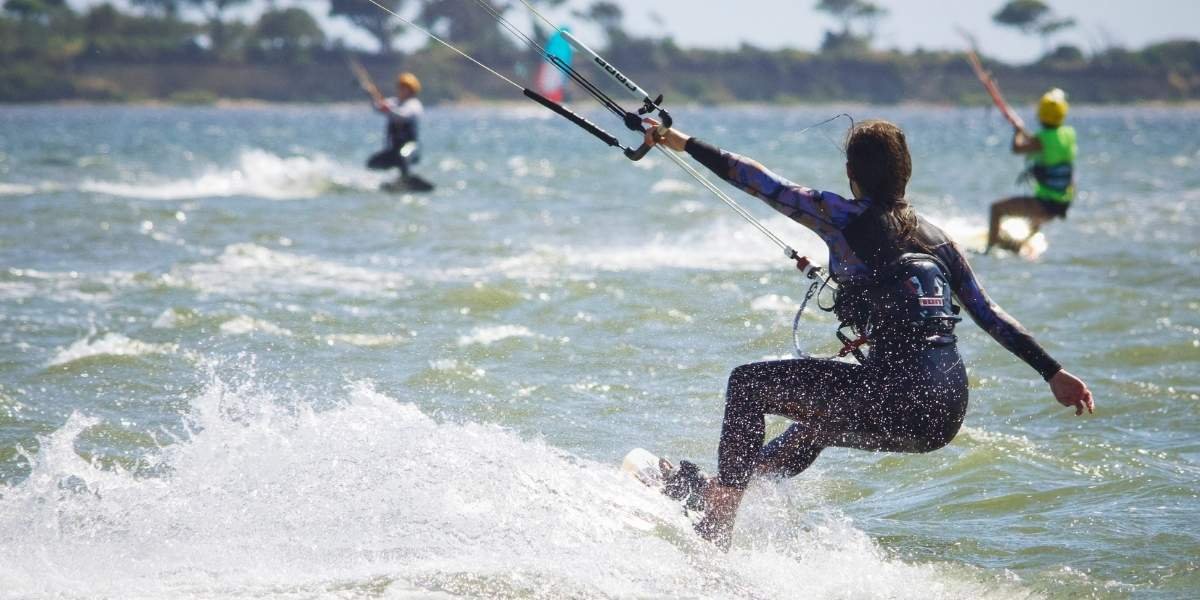
Kiteboarding in San Francisco Bay is more than just a sport, it’s a lifestyle that blends adrenaline, skill, and the natural beauty of the Bay Area. With consistent wind, scenic backdrops, and a passionate local community, SF Bay has become one of the most exciting places in the country to learn and master kiteboarding.
Whether you’re just starting out or looking to sharpen your technique, kiteboarding in this region offers something for every level. From beginner-friendly beaches to advanced launch zones, the Bay’s diverse conditions make it a dynamic playground for riders of all kinds.
Why SF Bay Is Ideal for Kiteboarding
San Francisco Bay’s geography creates ideal conditions for kiteboarding. The combination of thermal winds, open water, and protected coves gives riders a range of environments to choose from. Popular launch spots like Crissy Field, Alameda, and 3rd Avenue in San Mateo offer consistent wind and accessible entry points.
Crissy Field, for example, is known for its strong afternoon winds and stunning views of the Golden Gate Bridge. While it’s better suited for intermediate and expert riders due to choppy waters and boat traffic, it remains a favorite among locals. Alameda, on the other hand, is perfect for beginners thanks to its shallow water and gentler wind conditions.
These locations also benefit from nearby amenities, including gear shops, schools, and safety patrols. The kiteboarding community in SF Bay is welcoming and knowledgeable, making it easier for newcomers to find guidance and support.
Getting Started: Kiteboarding for Beginners
If you’re new to kiteboarding, SF Bay offers several entry points to help you get started safely and confidently. The first step is taking a lesson from a certified instructor. Kiteboarding involves managing wind power, body positioning, and board control, skills that are best learned through hands-on guidance.
Local schools offer beginner packages that include gear rental, safety instruction, and water practice. Lessons typically begin with kite control on land before progressing to body dragging and board starts in the water. Alameda Beach is a top choice for lessons due to its forgiving conditions and wide launch area.
Beginners should also invest in proper gear. A trainer kite, helmet, impact vest, and wetsuit are essential. While full setups can be expensive, many shops offer rentals or secondhand options. Safety is paramount, so understanding wind direction, right-of-way rules, and self-rescue techniques is critical before heading out solo.
For those who enjoy outdoor activities beyond kiteboarding, exploring Bay Area hiking trails can complement your training days with scenic recovery time and low-impact exercise.
Progressing to Intermediate and Advanced Levels
Once you’ve mastered the basics, SF Bay opens up a world of possibilities for intermediate and advanced kiteboarders. Riders can experiment with different board styles, kite sizes, and riding techniques. Freestyle tricks, wave riding, and foil boarding are popular among experienced locals.

Photo Credit: Unsplash.com
3rd Avenue in San Mateo is a hotspot for advanced riders. The wind is strong and steady, and the deep water allows for high-speed runs and aerial maneuvers. Riders here often use smaller kites and twin-tip boards to maximize agility and lift.
For wave enthusiasts, Ocean Beach offers powerful swells and open water. However, it’s recommended only for highly skilled riders due to strong currents and unpredictable conditions. Always check tide charts and wind forecasts before heading out, and consider riding with a buddy for added safety.
Advanced riders also benefit from joining local kiteboarding groups and forums. These communities share tips, organize meetups, and offer real-time updates on wind conditions and gear recommendations.
Gear Tips and Maintenance
Choosing the right gear is essential for a successful kiteboarding experience. Beginners typically start with larger kites (10–12m) for lighter wind and easier control. As skills improve, riders may switch to smaller kites for stronger wind and more responsive handling.
Boards come in various shapes and sizes. Twin-tip boards are versatile and great for learning, while directional boards are preferred for wave riding. Foil boards, which lift above the water, offer a smooth ride in lighter wind but require advanced balance and technique.
Maintenance is key. Rinse gear with fresh water after each session, check lines for wear, and store kites in a cool, dry place. Regular inspections help prevent equipment failure and extend the life of your setup.
Safety and Environmental Awareness
Kiteboarding is thrilling, but safety should always come first. Riders must be aware of wind conditions, water traffic, and local regulations. Wearing a helmet and impact vest is recommended, especially in crowded areas or during high-wind sessions.
Respecting the environment is also part of the kiteboarding ethos. Avoid disturbing wildlife, pack out trash, and follow designated launch protocols. San Francisco’s commitment to green space and public health is reflected in efforts to preserve coastal access and protect natural habitats. For more on this, see how green space access impacts public health.
Kiteboarders can contribute by participating in beach cleanups and supporting conservation initiatives. A healthy shoreline benefits everyone, from riders to residents.
Seasonal Considerations and Wind Patterns
SF Bay’s kiteboarding season typically runs from March to October, with peak conditions in late spring and summer. Thermal winds generated by inland heat create consistent afternoon breezes, especially in areas like Crissy Field and 3rd Avenue.
Winter sessions are possible but less predictable. Riders should monitor wind apps and local forecasts to plan their outings. Layering with thicker wetsuits and booties helps maintain comfort during colder months.
Understanding wind direction is crucial. Onshore winds are safer for beginners, while offshore winds require advanced skills and rescue planning. Always launch in designated zones and avoid riding near piers, rocks, or restricted areas.
Community and Events
The kiteboarding community in San Francisco is vibrant and inclusive. Local clubs host demo days, competitions, and social rides that bring together riders of all levels. These events foster camaraderie and offer opportunities to test new gear and learn from seasoned athletes.
Annual kiteboarding festivals often feature clinics, gear showcases, and environmental workshops. Participating in these events helps riders stay connected and informed while celebrating the sport’s culture and evolution.
Why Kiteboarding in SF Bay Is Worth It
Kiteboarding in San Francisco Bay offers a unique blend of challenge and reward. The region’s natural beauty, reliable wind, and supportive community make it an ideal destination for both newcomers and experts. Whether you’re carving through waves or learning your first water start, the Bay delivers unforgettable experiences.
With proper preparation, safety awareness, and a spirit of adventure, kiteboarding can become a lifelong passion. San Francisco’s shoreline is waiting, all you need is a kite, a board, and the wind at your back.