Elevating Bay Area Gym Hygiene With Wipex’s Natural Wipes Solutions

By: Maya Emerson

The Bay Area’s vibrant fitness culture continues to set a high bar—not only for physical performance, but for the quality of spaces where people gather to move, sweat, and recharge. With more San Franciscans seeking intentional, healthy lifestyles and a citywide emphasis on sustainability, local gyms and wellness facilities face a unique challenge: keeping their environments spotless while aligning with progressive environmental values. The solution lies not in yesterday’s harsh chemicals or plastic waste, but in smart, natural cleaning systems that aim to serve both people and the planet.

In this new era of member expectations, hygiene is more than a baseline—it’s a key aspect of brand identity. Facility operators in San Francisco and throughout the Bay Area know that creating a spotless, fresh atmosphere plays a pivotal role in attracting and retaining members. Wipex, a notable leader in natural gym hygiene, meets this need by marrying plant-based cleaning technology with elegant dispensers tailored for modern fitness spaces. Their approach isn’t just about cleaning; it’s about enhancing an experience that reflects the wellness philosophies of the city itself.

Wipex’s Natural Fitness Equipment Wipes work to shift the standard away from the single-use plastic era. Made from 100% biodegradable viscose, these wipes dissolve back into the environment, reducing concerns about accumulating landfill waste. Instead of harsh chemical fragrances, the formula draws on white vinegar and essential oils, offering gentle yet effective cleaning that preserves sensitive finishes on everything from Peloton bikes to rubber yoga mats. For facilities that pride themselves on using natural building materials and maintaining a non-toxic environment, this plant-powered formula is a compatible match.

For gym owners, lifting the member experience isn’t just about the big investments; the smallest details matter, from entryway design to the wipes provided at each workout station. Wipex’s bulk roll system streamlines daily operations with high-yield refills, meaning less time spent on supply runs and more time focused on service. Their Premium Matte Floor Dispensers bring a sense of quiet luxury to high-traffic settings, the matte, smudge-resistant finish blending seamlessly into both boutique studios and larger athletic centers. Designed to be as functional as they are beautiful, each dispenser prevents unwanted clogs and minimizes waste, contributing to a smoother routine for employees and guests alike.

Elevating Bay Area Gym Hygiene With Wipex’s Natural Wipes Solutions


Photo Courtesy: Wipex

These solutions give facilities the flexibility required by today’s rapidly changing landscape. The versatility of Wipex dispensers—compatible with leading brands—helps ensure continuity even when supply chains fluctuate. This flexibility is crucial in the Bay Area, where business agility is valued and operators are keen to avoid service disruptions. Wall-mounted options, finished in sleek matte black, save space in urban studios where every square foot counts, while portable canisters allow owners to extend “clean touchpoints” into spin clubs, yoga nooks, and personal training zones.

True to the spirit of San Francisco innovation, these systems add to not just cleanliness but identity. They present an aesthetic harmony: minimalist form, natural materials, and a vibe that’s unmistakably contemporary. Wipex’s attention to design details—right down to the feel of the dispenser’s silicone port—signals both hygiene and intention, sending a message to members that their wellbeing is always a priority. Facility owners report that these subtle cues help position their gyms as leaders in cleanliness and eco-consciousness, reinforcing the values that Bay Area residents hold dear.

Of course, operators in the city are increasingly mindful that sustainability is no longer an afterthought, but a differentiator. Patrons expect their favorite wellness hubs to lead on climate action, not lag behind. Wipex delivers on this expectation, using compostable wipes and integrating recycled materials into dispenser construction. For facilities striving to achieve LEED standards or to simply run greener businesses, this closed-loop commitment to the environment sends a strong message to a clientele that cares deeply for both personal health and the greater good.

Feedback from across the region affirms the performance benefits, with managers describing improved ease of use, fewer refills, and a noticeable improvement in the freshness of their spaces. The gentle formulas help protect premium equipment and sensitive surfaces, adding longevity and reducing costs over time. For smaller spaces, portable canisters offer targeted, convenient cleaning—bringing the same botanical freshness to independent instructors and boutique studios that larger operations enjoy.

This blend of service efficiency, health-forward chemistry, and visual sophistication is resonating far beyond traditional gyms. Physical therapists, Lagree method trainers, chiropractic clinics, and even corporate wellness lounges are adopting Wipex’s solutions. They see the brand’s approach as an extension of the Bay Area ethos: innovative, conscientious, and built to support communities who value both personal health and shared responsibility.

Ultimately, elevating gym hygiene in San Francisco means embracing technologies and practices that make a statement—about who we are as a city, and what we want our shared spaces to represent. Wipex demonstrates that cleanliness does not have to come at the expense of style or sustainability. By integrating natural ingredients, thoughtful design, and operational flexibility, these cleaning systems allow operators to focus on what matters most: fostering vibrant, healthy, and resilient communities.

As the city continues its transformation—balancing the pulse of progress with the wisdom of tradition—fitness facilities equipped with leading-edge, eco-friendly hygiene solutions will set the tone for urban wellness. Wipex’s plant-based gym wipes and versatile dispensers are more than a cleaning tool; they are an expression of San Francisco’s enduring pursuit of better, healthier, and greener living for everyone who calls this city home.

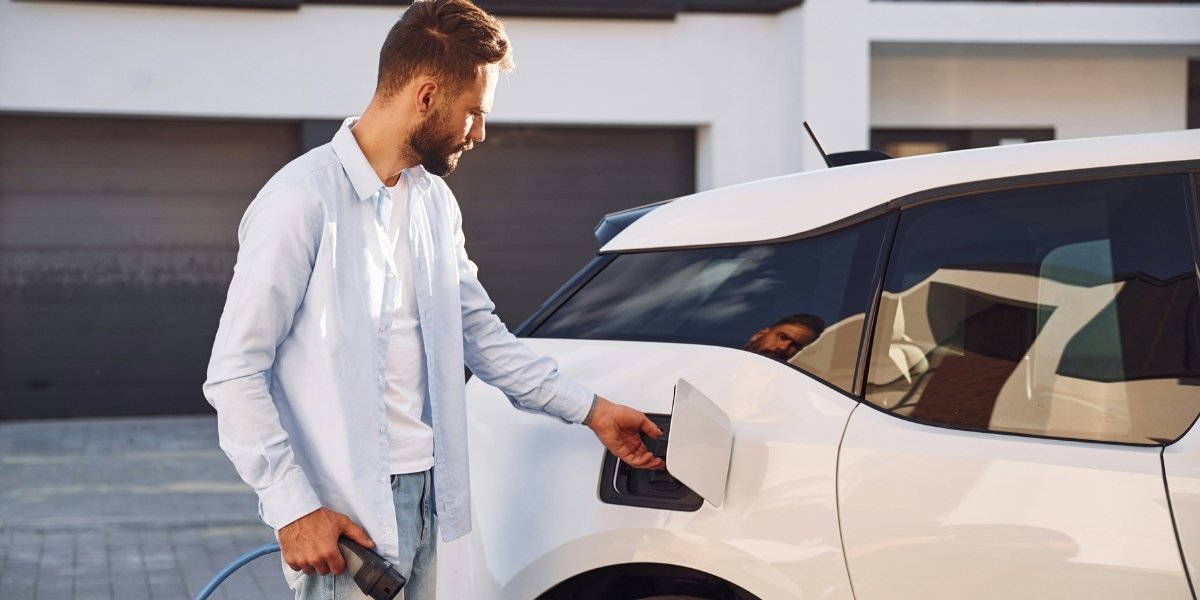
Electric Car Savings in California: What You Need to Know

Electric car ownership in California is becoming more common, and with it comes a new set of financial considerations. From upfront costs and charging fees to maintenance and resale value, understanding how electric cars fit into California’s landscape can help drivers make informed decisions. Whether you’re commuting in San Francisco or road-tripping across the state, the numbers behind electric car savings are worth exploring.

Upfront Costs and Incentives

Electric cars range widely in price. Entry-level models like the Nissan Leaf or Chevrolet Bolt start around $27,000, while higher-end options such as the Tesla Model Y or Lucid Air can exceed $70,000. California’s Clean Vehicle Rebate Project (CVRP) offers rebates up to $7,500 for eligible purchases, depending on income and vehicle type.

Additional incentives may come from local air districts or utility providers. PG&E, for example, offers rebates for installing home charging stations. These programs are updated regularly, so checking eligibility before purchase is essential.

Charging vs. Fuel Costs

Charging an electric car at home during off-peak hours can cost as little as $0.15 per kilowatt-hour. For many drivers, that translates to $4–$6 for a full charge. In contrast, California’s average gas price often exceeds $5 per gallon, making electricity a more affordable option for daily commuting.

Public charging stations vary in cost. Fast chargers may charge per minute or per session, while some Level 2 stations offer free charging in public lots or workplaces. Apps like PlugShare and ChargePoint help drivers locate stations and compare rates. Over time, the difference in fuel costs can be significant, especially for those with long commutes.

Maintenance and Repairs

Electric cars typically require less maintenance than gas-powered vehicles. There’s no need for oil changes, transmission repairs, or exhaust system replacements. Regenerative braking also reduces brake wear. According to Consumer Reports, electric car owners spend roughly half as much on maintenance over the life of the vehicle.

Battery replacement can be expensive, but most manufacturers offer warranties ranging from 8 to 10 years or up to 100,000 miles. Routine service includes tire rotation, cabin air filter replacement, and software updates. Overall, electric cars tend to have fewer service visits and lower long-term maintenance costs.

Insurance and Registration

Insurance premiums for electric cars may be slightly higher due to the cost of parts and specialized repairs. However, some insurers offer discounts for eco-friendly vehicles or usage-based policies. California registration fees include a Transportation Improvement Fee and a Road Improvement Fee, which apply to all vehicles but may be higher for newer models.

Drivers should compare quotes from multiple providers and explore bundling options. Some electric cars also qualify for reduced toll rates or carpool lane access, which can save time and money during peak traffic hours.

Resale Value and Depreciation

Electric cars have historically depreciated faster than gas-powered vehicles, but that trend is shifting. As demand grows and battery technology improves, resale values are stabilizing. Brands like Tesla and Hyundai show stronger retention rates, especially for models with longer range and reliable charging networks.

California’s used EV market is expanding, offering more affordable options for buyers. Certified pre-owned programs and extended warranties help ease concerns about battery life. Sellers can improve resale outcomes by maintaining service records and battery health reports.

Charging Infrastructure Across California

California leads the nation in public charging infrastructure. Cities like San Francisco, Los Angeles, and San Diego offer dense networks of chargers, while highway corridors are increasingly equipped with fast-charging stations.

State investments include grants for multi-unit dwellings, workplace charging, and public transit electrification. These efforts support broader adoption and reduce range anxiety. For apartment dwellers, access to reliable charging remains a key factor when considering an electric car.

Environmental Tradeoffs and Grid Impact

While this article focuses on financial aspects, many Californians also weigh environmental factors when choosing a vehicle. Electric cars produce no tailpipe emissions and contribute to cleaner urban air. For those interested in broader sustainability questions, this overview of environmental tradeoffs of EVs offers additional context.

Battery production and electricity sources do influence overall emissions, but California’s grid continues to shift toward renewables. As solar and wind capacity expand, the environmental impact of electric car ownership is expected to improve.

California’s Evolving EV Landscape

Electric Car Savings in California What You Need to Know

Photo Credit: Unsplash.com

The electric car market in California is changing quickly. New models from Ford, Kia, BMW, and startups like Rivian and Lucid are entering the scene, offering more choices across price points and performance levels. Federal tax credits and manufacturer incentives continue to shape buyer behavior, although availability may vary based on income and vehicle type.

For a broader look at policy and infrastructure developments, this feature on California’s evolving EV landscape explores how the state is adapting to increased demand. Climate goals, consumer interest, and innovation all play a role in shaping the future of electric transportation.

Making the Switch

Before purchasing an electric car, Californians should consider their driving habits, access to charging, and eligibility for incentives. Urban drivers with short commutes may benefit most from reduced fuel and maintenance costs, while rural residents should assess charging availability in their area.

Test-driving multiple models, reviewing total cost of ownership, and speaking with current EV owners can provide valuable insight. Dealerships and online forums offer resources for comparing range, features, and warranty coverage. Whether buying new or used, the decision to switch to an electric car involves both practical and personal factors.

Electric car ownership in California introduces new cost dynamics across fuel, maintenance, and incentives. With expanding infrastructure, evolving technology, and growing market options, more residents are exploring the shift. By understanding the financial landscape and available resources, Californians can make decisions that align with their lifestyle and long-term goals.

Teens in San Francisco Face Growing Mental Health Crisis

San Francisco teens are navigating a mental health crisis that continues to deepen across schools, homes, and digital spaces. From rising anxiety and depression to increased isolation and academic pressure, young people in the city are facing challenges that demand urgent attention. While mental health struggles among adolescents are not new, the scale and intensity of the current crisis reflect a shift in how teens experience stress, connection, and support.

Stressors Unique to San Francisco Teens

The mental health crisis among teens in San Francisco is shaped by a mix of local and systemic factors. High cost of living, competitive academic environments, and housing instability contribute to chronic stress. Many students attend high-performing schools where pressure to excel is intense, and college admissions expectations begin as early as middle school.

In neighborhoods like the Mission and Tenderloin, teens may also face exposure to community violence, substance use, or unstable housing. These conditions can exacerbate feelings of insecurity and hopelessness. Even in more affluent areas, social comparison and digital overload are common stressors. The city’s cultural emphasis on achievement often leaves little room for vulnerability or emotional rest.

Social Media and Digital Isolation

While social media offers connection, it also plays a role in the mental health crisis. Platforms like Instagram, TikTok, and Snapchat can amplify feelings of inadequacy, especially among teens who are still developing their sense of identity. The pressure to curate a perfect online persona often leads to anxiety and self-doubt.

Cyberbullying, exposure to harmful content, and constant notifications disrupt sleep and concentration. Many teens report feeling more alone despite being digitally connected. The paradox of isolation in a hyper-connected world is a recurring theme in school counseling sessions and peer support groups.

School Counselors and Support Gaps

San Francisco Unified School District has increased its investment in mental health resources, but gaps remain. Many schools have only one counselor for hundreds of students, making it difficult to provide consistent support. Waitlists for therapy referrals are common, and some families struggle to navigate insurance or language barriers.

Peer support programs and wellness centers have emerged in some high schools, offering safe spaces for students to decompress. However, access is uneven across the district. Teens in underserved communities often face longer wait times and fewer options, deepening the mental health crisis in areas that need the most help.

Recognizing Early Warning Signs

Parents, educators, and peers play a critical role in identifying early indicators of mental health challenges. Changes in sleep patterns, withdrawal from social activities, declining academic performance, and mood swings are common red flags. Understanding these common indicators of mental health challenges can help adults respond with empathy and urgency.

In San Francisco, some schools have begun training teachers to recognize signs of distress and refer students to appropriate services. Community organizations also offer workshops for parents on how to talk about mental health without stigma or judgment.

The Role of Technology in Mental Health Support

While technology contributes to the crisis, it also offers new tools for support. AI-powered platforms and mental health chatbots are being used to provide immediate, low-barrier assistance to teens who may not feel comfortable speaking with adults. These tools can help users track mood, practice coping strategies, and access resources anonymously.

Some San Francisco clinics and youth centers have begun integrating AI chatbots into mental health care, especially for teens who prefer texting over face-to-face conversations. While not a replacement for therapy, these tools can serve as a bridge to more formal care.

Community-Based Solutions

Teens in San Francisco Face Growing Mental Health Crisis

Photo Credit: Unsplash.com

Local nonprofits and youth-led organizations are stepping in to fill gaps. Groups like LYRIC, Huckleberry Youth Programs, and the San Francisco Youth Commission host workshops, peer circles, and advocacy campaigns focused on mental health. These programs emphasize culturally responsive care and prioritize voices from marginalized communities.

Pop-up wellness events, art therapy sessions, and youth storytelling projects have gained traction in recent years. By creating spaces where teens can express themselves without judgment, these initiatives help reduce stigma and foster resilience.

Family Dynamics and Cultural Barriers

In many households, mental health remains a taboo topic. Teens may hesitate to share their struggles due to fear of being misunderstood or dismissed. Cultural expectations around strength, privacy, or academic success can make it difficult for families to engage in open conversations.

San Francisco’s diverse population includes immigrant families navigating language barriers and unfamiliar healthcare systems. Outreach efforts that include multilingual resources and culturally sensitive programming are essential to addressing the mental health crisis across communities.

Policy and Funding Challenges

Despite growing awareness, funding for youth mental health remains inconsistent. State and city budgets often prioritize short-term fixes over long-term infrastructure. Advocates are calling for sustained investment in school-based mental health professionals, community clinics, and crisis response teams.

Legislation aimed at expanding access to care and reducing wait times is in progress, but implementation is slow. In the meantime, teens continue to face daily stressors with limited support. The mental health crisis demands not just awareness, but coordinated action across education, healthcare, and policy sectors.

San Francisco teens are facing a mental health crisis that touches every part of their lives, from classrooms and homes to phones and friendships. Addressing it requires more than individual resilience; it calls for systemic change, community support, and a cultural shift toward openness and empathy. Whether through peer-led initiatives, digital tools, or school-based programs, the path forward lies in listening to teens and meeting them where they are.