Photographers Advantage: The Power Positioning Marketing Method That Helps Photographers Stand Out


By: Stephen Pendola, Founder, Photographers Advantage

In a competitive market, standing out online isn’t just about pretty photos. It’s about positioning. At Photographers Advantage, a leading marketing agency for photographers, we’ve developed a proven system for photographers who want to become the go-to name in their local market, get booked by premium clients, and dominate Google using a mix of paid, organic, and earned media strategies.

We call it the Power Positioning Method, and it’s helping photographers own more digital real estate, appear in AI-generated results, and convert more leads with less friction.

Why Visibility Is Just the Beginning

According to Forbes 92% of consumers pick businesses that appear on the first page of Google. But showing up once on the first page isn’t enough anymore. Many photographers are buried under a sea of competition. They might have a website… maybe even run ads… but are still overlooked because their brand doesn’t appear enough in all the places clients are searching.

Our Power Positioning Method solves that by helping photographers:

  • Appear multiple times on the first page of Google
  • Rank for AI-generated search queries across ChatGPT, Bing, Yahoo, and Google’s SGE
  • Build trust and authority through press features and social proof

The Method Behind Dominating Search

At Photographers Advantage, our unique system combines five strategic marketing pillars:

1. Google Ads For Photographers

Targeted Google Ads campaigns are powerful for capturing buyer-ready traffic. Those actively searching for services like yours. In fact, according to a study done by Click Return, search ads across industries convert at an average of 4.4%. That means nearly 1 in 20 clicks becomes a meaningful lead. At Photographers Advantage, our tightly-structured campaigns with precise keyword targeting, custom ad copy, conversion tracking, and optimized landing pages consistently match or exceed that benchmark, helping photographers turn ad spend into a steady flow of inquiries. If you’re exploring marketing strategies for photographers, this is often the first place to maximize ROI quickly.

2. Website SEO For Photographers

Our SEO for photographers strategy doesn’t just attract visitors, it aims to convert them. Across industries, organic search typically converts at around 2.7% according to a study done by Blogging Wizard. That may seem small, but for high-intent keywords like “luxury boudoir photographer near me,” it’s highly valuable traffic. We optimize service pages, metadata, blog content, backlink profiles, and structured data to help photographers rank for local search terms. Google favors structured, well-optimized sites, especially for AI-generated results. This is where SEO for photographers becomes essential, not just for rankings but for lead generation.

3. Google Business Profile SEO

Google Business Profiles are critical for local discovery. We increase them with professional photos, optimized service descriptions, and regular posting to increase engagement. We also build out product listings and reviews, which help photographers show up in Google’s map pack and AI-generated results. According to Nectafy, 88% of consumers who search for a local business on mobile call or visit within 24 hours, making this one of the highest-converting channels when optimized correctly. A well-optimized Google profile also contributes to stronger local authority signals, helping your business rise above the noise in crowded markets.

4. PR For Photographers (Press Features)

Being featured in reputable publications is more than just a confidence boost. It’s a strategic trust builder. PR is one of the trusted forms of content, more than ads or owned media, according to a study done by Nielsen Group. Press and media features validate your business in the eyes of both potential clients and search engines. We secure articles that include strong backlinks, visual placement of your work, and compelling storytelling to position you as an expert worth hiring. These placements can be repurposed in email campaigns, landing pages, and sales calls to reinforce authority across every marketing touchpoint. If you’ve ever wondered how to get published as a photographer, this is the strategic path.

5. AI Optimization

Today’s search experience is shifting toward AI-powered results. Google’s SGE, Bing AI, and platforms like ChatGPT increasingly display curated, authoritative business responses. We optimize for this future by embedding schema markup, structured data, and high-authority backlinks, increasing your chances of being pulled into these AI responses. Businesses that take this step early are often rewarded with more visibility across third-party platforms. According to Search Engine Journal, businesses optimized for AI and structured data are more likely to be featured in Google’s rich results and recommended in tools like ChatGPT. This kind of visibility is part of our comprehensive PR and marketing for photographers strategy.

The Social Proof Multiplier For Photographers

According to OptinMonster, sites with social proof like magazine logos, press mentions, and trusted backlinks see up to a 34% increase in conversions. That’s why we don’t just help photographers show up. We help them look like the obvious and credible choice in the sea of local competition.

The Power Positioning Marketing Method Impact

After working with us, photographers regularly report:

  • More leads from organic search and paid traffic
  • Website visitors staying longer and engaging more
  • Bookings from clients who were “pre-sold” before ever speaking with them
  • Increased average sales value with fewer pricing objections
  • Being found in Google’s AI-generated listings and ChatGPT results

The result? Sustainable, long-term growth without needing to dance for the algorithm or rely on referrals alone.

Why Photographers Struggle to Get Consistent Bookings

One of the biggest frustrations photographers bring to us is inconsistency. Some months are booked solid, while others feel like a drought. They’ve tried ads that didn’t convert, posted relentlessly on social media with little traction, or invested in SEO with no clear ROI. Without a cohesive system, marketing becomes a stressful guessing game.

We hear it all the time—“I just want someone to take this off my plate so I can focus on shooting and serving my clients.” That’s why our Power Positioning Method is built for photographers who want a full team behind them: experts in strategy, ads, SEO, PR, and AI who understand the photography market inside and out. With our system designed specifically for photographers, marketing becomes proactive instead of reactive, predictable instead of panicked, and efficient instead of overwhelming.

Final Thoughts On Marketing For Photographers

The marketing world is changing fast. AI is here. Consumers are more discerning. Trust and visibility matter more than ever. The Power Positioning Method helps photographers not only adapt but also lead.

Want to see how Photographers Advantage, a specialized Marketing and PR agency for photographers, can help position your brand for long-term growth? Learn more about our PR and marketing services for photographers and get a complimentary strategy consultation today.


Disclaimer: The information provided in this article is for general informational purposes only. It is not intended as business, marketing, or financial advice. Readers should consult a professional for advice specific to their individual situation before making any decisions related to their photography business or marketing strategies. The content presented does not guarantee any specific outcome or result.

From Secrets to Strength: Ann Russo on Inclusive Mental Health Care and Identity-Based Healing

By: Makayla Ross

“People don’t know the difference between gender identity and orientation. That’s the most difficult concept for people to understand,” said Ann Russo, Founder and Clinical Director of AMR Therapy, during her appearance on the Room For Us podcast. With over 1,500 clients served and a new treatment model soon to be published, Ann is reshaping how the mental health field addresses inclusive care, faith-related identity conflict, and healing.

A Childhood Kept Quiet

Ann grew up in a queer household during the 1980s—her father, his partner, her mother, and sister all living under one roof in Arizona. “From my perspective, we were fine. We were just a family doing family things,” she shared. But there was a rule: no one could know. “We weren’t allowed to actually tell anyone outside of our household,” she explained.

That secrecy came at a cost. “Why do people hate my family? What did we do?” Ann remembers thinking as a child. Her younger sister was taunted by classmates. Their entire identity as a family was kept in the shadows, for fear of rejection—or worse.

The Hidden Toll of Religious Rejection

Ann did not grow up religious but was surrounded by conservative faith communities. “I knew religion to be the people that hated us,” she said. Her interest in theology grew from a desire to understand why people believed her existence was wrong.

She later attended a religious conversion therapy conference. “What I learned was, for the most part, people are not coming from a place of hate,” she said. “They really think they’re saving your soul.” Ann explained that harmful teachings often come from misinformation, not malice. “They use studies on LGBTQ+ mental health and twist them to support rejection. But the harm comes from being rejected — not from who you are.”

Building AMR Therapy with Inclusion at Its Core

AMR Therapy started as a response to those barriers—financial, cultural, and institutional—that prevent queer people from accessing safe care. “We created a virtual practice before COVID,” Ann noted. “We offered sliding scale and hired therapists who had lived experience and sensitivity training.”

Today, AMR Therapy includes about 15 therapists and specializes in affirming mental health support for LGBTQ+ clients, culturally responsive care, and recovery from faith-related identity struggles. “People would say they could work with gay couples, but it’s nuanced. It’s not the same,” she emphasized.

Addressing Faith and Queerness in Therapy

Ann’s unique approach stems from her academic and lived experience. She holds a master’s degree in theology with a focus on inclusive faith studies and LGBTQ+ identity. “My dream was to create a safe space for people to come and receive support around religious issues,” she said.

Her upcoming book, based on a treatment model called RECAPS, is aimed at helping clients regulate their nervous system, clarify their beliefs, and rebuild a sustainable relationship with spirituality. “We’re constantly fighting a wave of trauma. But can healing be done? Absolutely,” Ann stated.

She works with therapists, clergy, hospitals, and even funeral directors to help them understand inclusive care. “It’s not about whether you agree or disagree. It’s about how your paperwork communicates gender or relationship status.”

What Healing Really Looks Like

Ann stressed the importance of trauma-informed care. “Trauma lives differently inside of us versus a bad experience,” she said. Triggers can appear years later, often without conscious awareness. That’s why her team works holistically—understanding not just the mind but the body and nervous system as well.

Asked what she would tell her younger self, Ann answered: “Don’t sweat the small stuff. Learn how to be present with people. It will work out.”

And to anyone who feels isolated in their queerness or mental health struggles, she offered this:

“I promise you, you’re not alone. There are people. There is community. And it is a strong community.”

You can listen to Ann’s full episode on the podcast here. Feel free to reach out to her via the links on her website or click here to subscribe to her newsletter.


Disclaimer: The information provided in this article is for general informational purposes only and is not intended as professional therapy or counseling advice. Individuals seeking therapy should consult with a licensed mental health professional to address their specific needs. Results from therapy may vary based on individual circumstances.

How Georgia Law Protects Victims of Hit-and-Run Truck Accidents

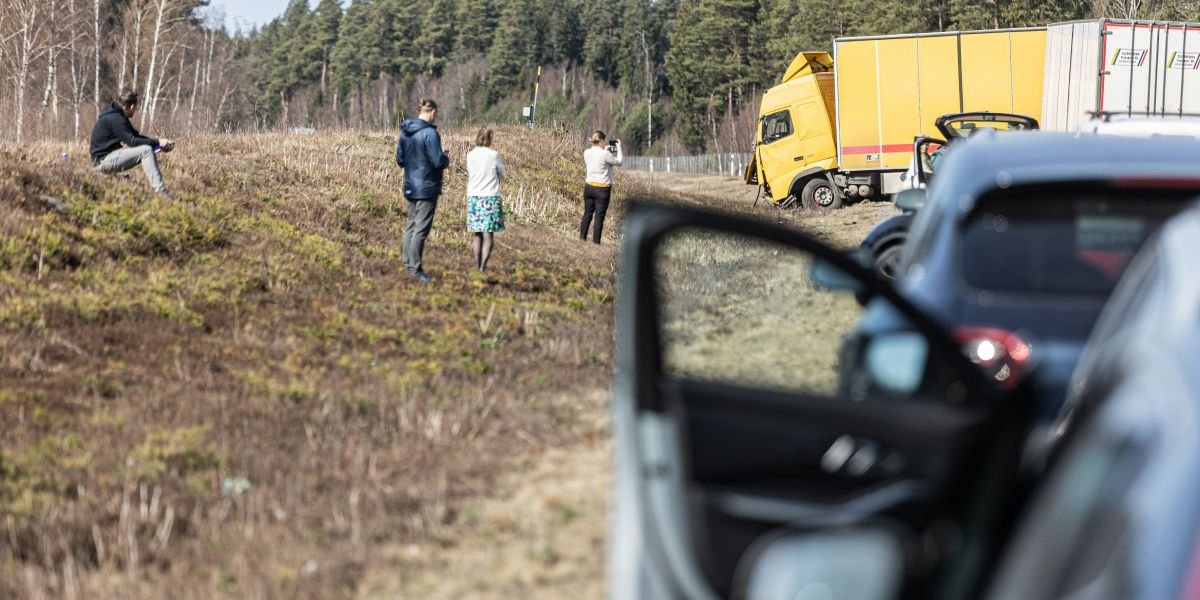
Few experiences are more frustrating—or more frightening—than being injured in a hit-and-run accident involving a large truck. In the moments after impact, you’re left with damage, injuries, and questions—yet the driver responsible is nowhere to be found. In Georgia, hit-and-run crashes involving commercial trucks are unfortunately not uncommon, and when the at-fault driver flees, victims may feel powerless. But Georgia law offers several legal protections and recovery options to help victims get justice and compensation—even when the responsible driver isn’t immediately identified.

Under Georgia law, leaving the scene of an accident is a criminal offense. If a driver causes a crash that results in injury, death, or property damage and fails to stop, they face serious legal consequences. In cases involving commercial vehicles, the stakes are even higher. Trucking companies are required to maintain detailed records on drivers, vehicles, and cargo. These records, when accessed in time, may help identify the fleeing truck and its operator.

The first step after a hit-and-run is calling 911 and seeking immediate medical attention. A police report is essential to document the scene, gather witness statements, and record any identifying information about the truck—such as license plate numbers, vehicle markings, company logos, or dashcam footage. The more information collected at the scene, the better the chances of tracking down the responsible party.

In some cases, surveillance footage from traffic cameras, nearby businesses, or personal dashcams may provide critical evidence. Skid marks, paint transfers, and debris left behind can also be analyzed by crash reconstruction experts. If investigators can identify the company that owns the truck, a civil claim can proceed—even if the driver remains unknown.

Once a commercial truck is identified, victims may be able to seek compensation from the trucking company or its insurer. In Georgia, employers can be held liable for the actions of their drivers if the driver was acting within the scope of employment. This legal concept—vicarious liability—allows injured victims to pursue damages from the employer’s commercial insurance policy.

If the company or vehicle cannot be identified, victims can still seek compensation through their own uninsured motorist (UM) coverage. Georgia law requires insurers to offer UM/UIM policies, which can cover medical expenses, lost wages, and pain and suffering when the at-fault driver is unknown or underinsured. This can be a critical resource for hit-and-run victims.

To use UM coverage effectively, it’s important to report the accident to your insurance provider as soon as possible and comply with all documentation requirements. You’ll also need to show evidence that the accident was caused by another vehicle and that reasonable steps were taken to identify the driver. The police report, medical records, and any supporting photos or video footage will strengthen your claim.

When the vehicle involved in a hit-and-run is a commercial truck, the type of vehicle matters. If the incident involved a highway collision with a long-haul truck, a Georgia 18 wheeler accident lawyer may be needed to navigate federal regulations. If the vehicle was a regional or in-state hauler, a Georgia tractor trailer accident lawyer can help explore company responsibility. In cases involving city-owned trucks or construction vehicles, such as garbage or dump trucks, an Atlanta dump truck accident lawyer may pursue a claim against the municipality or subcontractor responsible.

Georgia has a two-year statute of limitations for personal injury claims, but in hit-and-run cases, time is especially critical. Evidence disappears quickly, and insurance companies often require notice of UM claims far earlier than the statutory filing deadline. Some policies demand notice within 30 days, so acting quickly is crucial.

If the at-fault truck driver is eventually located, victims can pursue a civil claim against the driver and their employer. Additionally, the criminal charges filed by the state may support your civil case. A criminal conviction for hit-and-run can be used as evidence of negligence in a personal injury lawsuit, strengthening your claim for damages.

Victims of hit-and-run truck crashes can seek compensation for a wide range of losses, including emergency medical care, hospitalization, rehabilitation, lost income, property damage, and emotional distress. In cases involving permanent injuries, long-term care, disability accommodations, and future lost earnings may also be recoverable.

Many hit-and-run victims feel helpless at first, but the law offers tools to protect them. Whether the truck driver is eventually found or remains unidentified, legal options exist. With the right evidence and guidance, injured parties can still recover the compensation they deserve.

Georgia law doesn’t allow truck drivers or their employers to evade responsibility simply by leaving the scene. If you’ve been hurt in a hit-and-run involving a truck, report the accident, seek medical care, preserve evidence, and consult legal guidance as soon as possible. The sooner you take action, the better your chances of identifying the responsible party and recovering the compensation you need to heal.


Disclaimer: The information provided in this article is for general informational purposes only and does not constitute legal advice. For advice on specific legal matters, including hit-and-run accidents, individuals should consult with a licensed attorney.

What’s Next for Fisherman’s Wharf in San Francisco

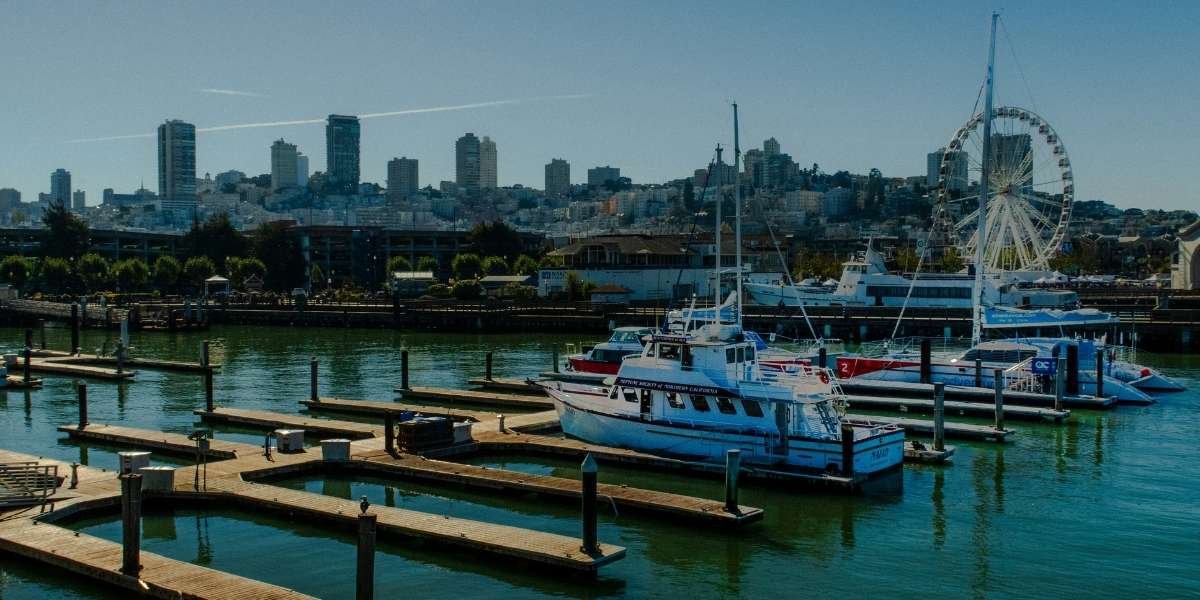
Fisherman’s Wharf has long held a special place in the heart of San Francisco, attracting both visitors and locals with its unique combination of history, culture, and seaside charm. Known for its bustling piers, seafood vendors, and historic landmarks, the area has undergone several transformations over the years. Today, the question on many people’s minds is: What’s next for Fisherman’s Wharf? With evolving visitor expectations, sustainability concerns, and ongoing development projects, the future of this iconic neighborhood looks both exciting and uncertain.

Read also: San Francisco’s Waterfront: The Transformation of the Embarcadero and Fisherman’s Wharf

How Is Fisherman’s Wharf Responding to Changing Visitor Preferences?

Over the years, the way visitors interact with Fisherman’s Wharf has shifted significantly. Traditional sightseeing has been complemented by a growing demand for more authentic and engaging experiences. Today’s travelers are increasingly seeking out immersive encounters that connect them to the history, culture, and people of the places they visit. Rather than just admiring the waterfront from a distance, tourists want to learn about the area’s past and interact with its present in more meaningful ways.

This evolution is already visible within the Wharf. Local artisans and businesses are highlighting the region’s unique culture and heritage, offering everything from workshops to interactive exhibits. Tourists now have opportunities to explore the stories behind the area’s historic piers and view local craftsmanship at work. Furthermore, public art projects and cultural events are being integrated into the fabric of the Wharf, giving visitors more to explore beyond the usual tourist attractions. As visitor expectations continue to evolve, Fisherman’s Wharf is striving to meet those needs by becoming not only a place to visit but an area to experience on a deeper level.

Can Sustainability Shape the Future of Fisherman’s Wharf?

Photo Credit: Unsplash.com

With growing concerns about climate change and environmental degradation, sustainability is increasingly becoming a central issue for many cities, including San Francisco. As one of the city’s most popular tourist destinations, Fisherman’s Wharf faces the challenge of maintaining its environmental integrity while accommodating millions of visitors each year.

The area’s relationship with the ocean and its marine life has always been at the forefront, given its historic connection to the fishing industry. In response to rising environmental concerns, Fisherman’s Wharf is beginning to embrace more sustainable practices. Local seafood vendors are shifting towards sustainable sourcing methods, ensuring that they offer eco-friendly choices to conscientious consumers. Moreover, efforts are being made to reduce waste and increase the use of renewable energy sources across the Wharf.

Sustainability efforts are also reflected in some of the new developments around the area. Many of the upcoming urban renewal projects are incorporating green spaces, energy-efficient buildings, and waterfront protection initiatives to preserve the natural beauty of the region. As tourism continues to be a driving force for the Wharf, these sustainability-focused changes could transform Fisherman’s Wharf into a model for responsible tourism, balancing both economic and environmental needs.

What Role Will New Developments Play in the Transformation of Fisherman’s Wharf?

San Francisco’s ongoing development projects have begun to reshape the waterfront, and Fisherman’s Wharf is no exception. In the coming years, major changes are expected in both the infrastructure and the way the Wharf is used. The growing interest in mixed-use developments—where residential, commercial, and public spaces coexist—could potentially alter the area’s atmosphere.

Plans to integrate modern housing and office spaces alongside tourist attractions may significantly change the area’s character. While this could bring new life to the Wharf by encouraging year-round residents and businesses, it could also raise questions about preserving the area’s unique charm. Balancing the influx of new developments with the need to maintain the Wharf’s iconic status as a historical and cultural destination will be crucial. The development of modern amenities and residential buildings will need to be sensitive to the Wharf’s past, integrating new and old in ways that respect its rich history.

How Will Fisherman’s Wharf Maintain Its Historic Charm?

Fisherman’s Wharf is a place where history and modernity collide, and this delicate balance is one of its defining features. The Wharf is home to several important historical landmarks, such as the old piers, historic vessels, and memorials that reflect its roots as a fishing hub. With all the potential for new developments, the challenge remains: how can Fisherman’s Wharf evolve without sacrificing the aspects that have made it beloved by locals and tourists alike?

The future of the Wharf likely includes preservation efforts aimed at maintaining its historic buildings while incorporating new uses. Restoring and reimagining these structures will be a key part of ensuring that the area doesn’t lose the elements that make it special. While it’s inevitable that the area will modernize, careful attention must be paid to retaining its unique character. The integration of historic preservation into new developments will help protect the Wharf’s identity for future generations.

What Impact Will Technology Have on the Fisherman’s Wharf Experience?

As technology continues to revolutionize the way we interact with the world, Fisherman’s Wharf is set to benefit from these innovations in various ways. From virtual reality experiences that allow tourists to explore the area’s history through immersive storytelling, to digital tools that help visitors navigate the Wharf with ease, technology promises to enhance the experience in multiple ways.

Technology could also improve the sustainability of the Wharf. Smart sensors and energy-efficient technologies may soon be incorporated into buildings and public spaces, helping to minimize environmental impact while improving the overall visitor experience. As more people rely on mobile devices to guide them through their travels, apps that provide real-time information on wait times, events, and points of interest could make visiting the Wharf more convenient and enjoyable.

Moreover, technology might open up new possibilities for community engagement. Digital platforms could provide opportunities for locals to connect with each other and with visitors, ensuring that Fisherman’s Wharf remains a living, dynamic place that serves both its residents and visitors.

What Does the Future Hold for the Community at Fisherman’s Wharf?

While Fisherman’s Wharf is primarily known as a tourist destination, the local community plays a crucial role in its future. As the Wharf evolves, it is important to create a space that serves both tourists and the people who live and work in the area. Ensuring that local businesses thrive, and that residents continue to feel connected to the Wharf, will be vital for maintaining the neighborhood’s charm and vibrancy.

In the future, we can expect to see more community-driven initiatives that cater to both residents and visitors. Events such as local farmers’ markets, public performances, and community gatherings could become more common, reinforcing the sense of place that makes the Wharf unique. By strengthening the relationship between locals and tourists, Fisherman’s Wharf has the potential to become a more inclusive and welcoming neighborhood for all.

Read also: Ocean-to-Plate Bliss: Unveiling the Seafood Delights of San Francisco’s Fisherman’s Wharf

Looking Ahead: What Lies in Store for Fisherman’s Wharf?

Photo Credit: Unsplash.com

The future of Fisherman’s Wharf is full of potential. As the area embraces sustainability, new developments, and technology, it will continue to be a beloved part of San Francisco’s urban fabric. However, the challenge will be in balancing progress with preservation. By integrating new developments that respect the Wharf’s history, embracing sustainable practices, and offering visitors a more immersive and engaging experience, Fisherman’s Wharf can remain relevant while staying true to its roots.

The Wharf’s future looks bright, with a renewed focus on creating an even more dynamic space that connects locals, visitors, and the environment. As these changes unfold, Fisherman’s Wharf will continue to be a reflection of San Francisco’s spirit, combining the old and the new in exciting ways that appeal to all who pass through.