Why San Franciscans Are Exploring Para-Shield for Modern Gut Health and Sustainable Detox

By: Clara Hastings

In San Francisco, wellness innovation and natural health are more than buzzwords—they’re lifestyle cornerstones. From tech leaders in SoMa to health-conscious families in the Mission, San Franciscans continue to explore holistic health strategies that prioritize balance, sustainability, and long-term well-being. At the intersection of clean living and emerging science-backed nutrition, one product is gaining attention among those who value balanced results without compromise—Para-Shield by Touchstone Essentials.

This plant-based parasite cleanse supplement is regarded by some as a practical and potentially effective addition to modern wellness routines. In a city where kombucha flows as freely as coffee, and organic farmers’ markets are part of the weekly rhythm, Para-Shield aligns with the San Francisco lifestyle. Its organic formulation, clean label, and reported gentle effectiveness resonate with the city’s conscious consumers.

San Franciscans live at the edge of innovation, but they’re also rooted in nature. The wellness culture here isn’t just about the latest gadget or fitness trend—it’s about sustainable, mindful practices that may improve quality of life from the inside out. That’s where Para-Shield aims to excel. It is designed to support natural parasite removal using time-tested herbal ingredients that may help detox the gut, potentially improve digestion, support immunity, and contribute to energy levels, without major disruption to the body or daily schedule.

What makes Para-Shield notable in San Francisco is its integrity. The supplement is formulated with 11 organic and wildcrafted herbs, including black walnut hull, wormwood, clove bud, olive leaf, fennel seed, peppermint, and ginger root. These herbs have historical use in traditional medicine for supporting the body’s natural detoxification systems and may assist in eliminating harmful organisms that could affect digestion, energy levels, and cognitive clarity.

In a city where residents are exposed to global travel, diverse cuisine, high stress, and environmental toxins, the likelihood of gut imbalances may be higher. Even with clean diets, parasites and pathogens can sometimes enter the system through undercooked food, contaminated water, or close contact with animals. Symptoms like fatigue, bloating, skin irritation, food sensitivities, and even poor concentration are often overlooked or misdiagnosed, but Para-Shield offers a potential way to address these concerns gently.

The 30-day cleanse protocol is where Para-Shield appears to stand out. It’s generally gentle enough for daily use, doesn’t require fasting or restrictive eating, and can fit into even the busiest schedule. Whether you’re managing a startup, parenting in Pacific Heights, or teaching yoga in the Castro, this supplement is designed to adapt to your pace. Some users report clearer skin, more regular digestion, and increased mental sharpness after a few weeks—benefits that align with San Francisco’s high-performance, high-awareness culture.

Touchstone Essentials, the brand behind Para-Shield, reflects the values that matter here: transparency, sustainability, and a science-meets-nature approach. The supplement is vegan, non-GMO, gluten-free, and produced in the USA with third-party testing to help ensure purity and potency. There are no synthetic additives, fillers, or preservatives—just clean, thoughtfully selected ingredients designed to support the body holistically. For a population that scrutinizes labels and supports ethical sourcing, these details can be important.

What’s also notable about Para-Shield is how it’s being considered by San Francisco’s wellness leaders. Naturopathic doctors, functional medicine practitioners, and health coaches across the Bay Area sometimes recommend it as part of seasonal detoxes and ongoing gut health protocols. It’s being discussed not just in health food stores and boutique wellness studios, but in co-working spaces and executive wellness circles. In a city where the mind-body connection is part of daily conversation, this supplement may help some people explore a deeper level of vitality.

The broader movement around gut health has grown significantly in recent years, and some research suggests connections between gut function and immune response, mental health, hormone balance, and productivity. For professionals in the Bay Area who rely on their cognitive agility and emotional resilience, maintaining a healthy gut can be a priority. Para-Shield serves as a potential tool to support that goal without the more intense side effects of harsher detox products.

Beyond its possible health benefits, Para-Shield aligns with the city’s commitment to long-term, sustainable wellness. This isn’t a quick fix. It’s a product that may support the deeper work of healing and balancing the body—an approach that often resonates with San Francisco’s highly educated, future-focused population.

Why San Franciscans Are Exploring Para-Shield for Modern Gut Health and Sustainable Detox

Photo Courtesy: Touchstone Essentials

In many ways, Para-Shield reflects the evolving landscape of supplementation: plant-based, potentially effective, ethically made, and easy to integrate. It seeks to respect the body’s intelligence while supporting its performance. And in a city like San Francisco, where innovation is driven by intention, this balance of nature and science appears to be what many people are looking for.

To learn more about Para-Shield or to start your own 30-day gut health reset, visit the official product page here. Because in San Francisco, optimal wellness isn’t just a personal goal—it’s a community aspiration.


Disclaimer: The products discussed in this article have not been evaluated by the Food and Drug Administration (FDA). These products are not intended to diagnose, treat, cure, or prevent any disease. The information provided is for educational purposes only and is not a substitute for professional medical advice, diagnosis, or treatment. Always seek the advice of your physician or other qualified health provider with any questions you may have regarding a medical condition.
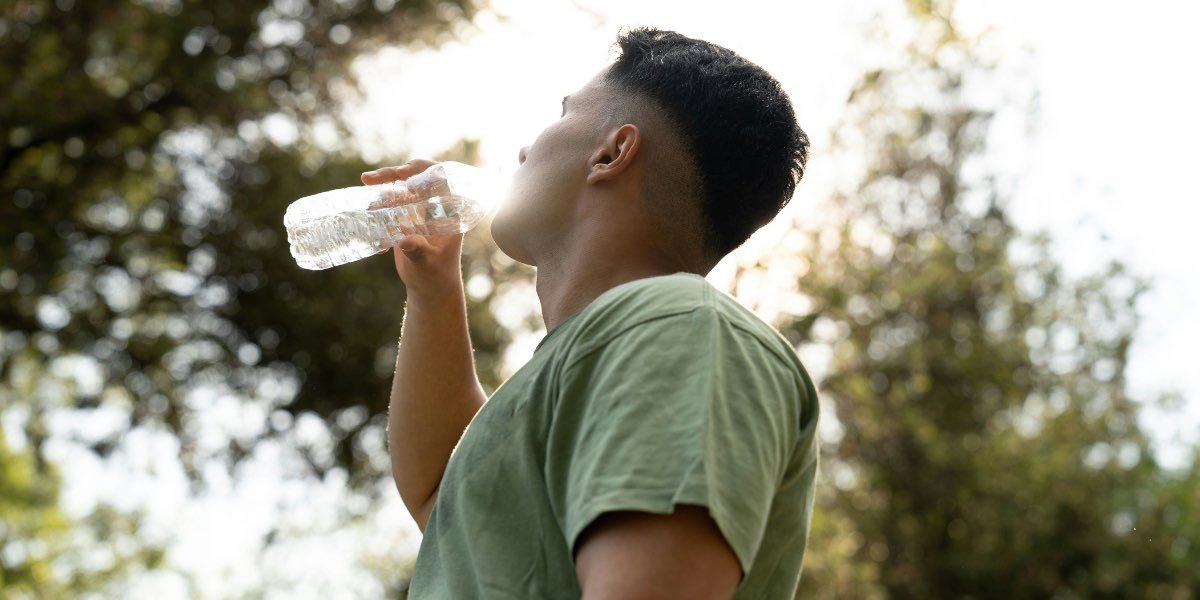
Prepare for Early-Season Heat Waves in California

California’s climate has always been known for its warm, dry summers, but recent years have shown a troubling increase in early-season heat waves that arrive well before the traditional summer months. These heat waves, occurring as early as late spring, catch many residents and ecosystems unprepared. The reasons behind this trend are complex and linked to shifts in atmospheric patterns influenced by global climate change. Warmer ocean temperatures along the Pacific Coast and changes in jet stream behavior combine to create conditions that trap hot, dry air over large parts of California earlier in the year than in decades past. This pattern means that days with temperatures soaring well above seasonal averages are arriving sooner and lasting longer.

These early heat waves can intensify drought conditions by increasing evaporation rates and stressing already parched landscapes. Unlike the gradual warming typically seen as summer approaches, sudden temperature spikes can pose risks to human health, agriculture, and infrastructure. Understanding why these early heat waves are becoming more frequent helps communities prepare and adapt to the evolving climate realities faced across the state.

Read also: How San Francisco’s Air Quality Is Affected by Seasonal Weather Patterns

How Do Early-Season Heat Waves Impact Daily Life in California?

When temperatures climb unexpectedly in the spring, the effects ripple through daily routines and public services. Many homes and public buildings are not yet equipped with full air conditioning or cooling systems since the heat is anticipated to come later in the year. This can lead to uncomfortable and potentially unsafe indoor conditions, especially for vulnerable populations such as the elderly, young children, and those with health challenges.

Transportation infrastructure can also be affected. Roads, bridges, and rail lines are designed to withstand heat during summer months, but early heat waves may cause pavement buckling or rail track warping sooner than expected, leading to delays and costly repairs. Outdoor workers, including those in agriculture and construction, face increased risks of heat-related illnesses when the heat arrives earlier without adequate warning or adaptation measures.

On a community level, early heat waves strain electrical grids as air conditioning use spikes unexpectedly. This sudden demand can increase the likelihood of power outages or rolling blackouts, further complicating efforts to stay cool and safe. Schools, which often lack comprehensive cooling systems in classrooms, must also adjust schedules or find creative solutions to maintain comfortable environments for students and staff.

What Are the Environmental Consequences of Early Heat Waves in California?

The environment suffers greatly when early-season heat waves take hold. Vegetation that normally experiences a gradual warming period faces intense heat stress, which can reduce growth and increase vulnerability to pests and disease. In forests and wildlands, these conditions dry out soils and plant matter prematurely, creating ideal fuel for wildfires.

Wildfire seasons have lengthened in recent years, and early heat waves contribute to this trend by drying out landscapes earlier than usual. This means that fire risks are elevated for a longer portion of the year, challenging fire prevention efforts and emergency response systems. Wildlife is also affected; animals may struggle to find water and shelter as natural sources dry up sooner, and altered migration or breeding patterns can result.

In agricultural regions, crops can be damaged or fail outright when unexpected heat hits during sensitive growing stages. This can lead to reduced yields and economic losses for farmers. Water resources become increasingly strained as reservoirs lose more water through evaporation, and demand for irrigation rises in response to heat and dry soils.

How Can Californians Prepare for Early-Season Heat Waves?

Preparation for early-season heat waves requires a combination of personal, community, and governmental actions. Individuals can begin by assessing their homes for heat resilience, such as installing window coverings that block sunlight, using fans effectively, and ensuring access to cool drinking water. Understanding the signs of heat exhaustion and heat stroke is crucial, especially for caregivers and those responsible for vulnerable family members.

Communities can increase the availability of cooling centers or public spaces where people can escape the heat. Local governments may also invest in expanding green infrastructure, like planting shade trees and creating urban parks, which help reduce the urban heat island effect and lower ambient temperatures. Public awareness campaigns aimed at educating residents about early heat wave risks and safety practices can enhance community readiness.

Policy measures that focus on long-term adaptation are vital. This includes updating building codes to require better insulation and cooling systems, improving electrical grid capacity to handle spikes in demand, and strengthening emergency response plans specific to heat events. Investments in water conservation and drought-resistant landscaping can help mitigate some environmental impacts.

Read also: Understanding Gray Wolves’ Role in California’s Ecosystems

What Should Visitors and New Residents Know About California’s Early Heat Waves?

For those new to California or visiting during the spring months, awareness of early heat waves is essential for a safe and comfortable stay. The state’s weather can shift rapidly, and temperatures may reach levels that feel surprising compared to other regions or past experiences. Dressing in light, breathable clothing and staying hydrated are simple yet effective precautions.

Outdoor plans might need to be adjusted to avoid peak heat hours, and knowing the locations of cooling centers or air-conditioned public spaces can provide relief. Checking local weather forecasts regularly and paying attention to heat advisories can help visitors anticipate and adapt to sudden temperature increases.

Newcomers should also recognize that early heat waves impact transportation and outdoor activities. Trail conditions may become dry and hazardous, and city transit systems might experience delays linked to heat-related infrastructure issues. Being flexible and informed helps ensure a positive experience despite the challenges posed by unseasonable heat.

California’s early-season heat waves represent a growing challenge shaped by climate trends and local vulnerabilities. Awareness and preparedness at individual and community levels are key to managing the health, environmental, and infrastructural impacts that accompany these increasingly common events. By understanding the causes and effects of early heat waves, Californians and visitors alike can navigate the changing seasons with greater resilience.