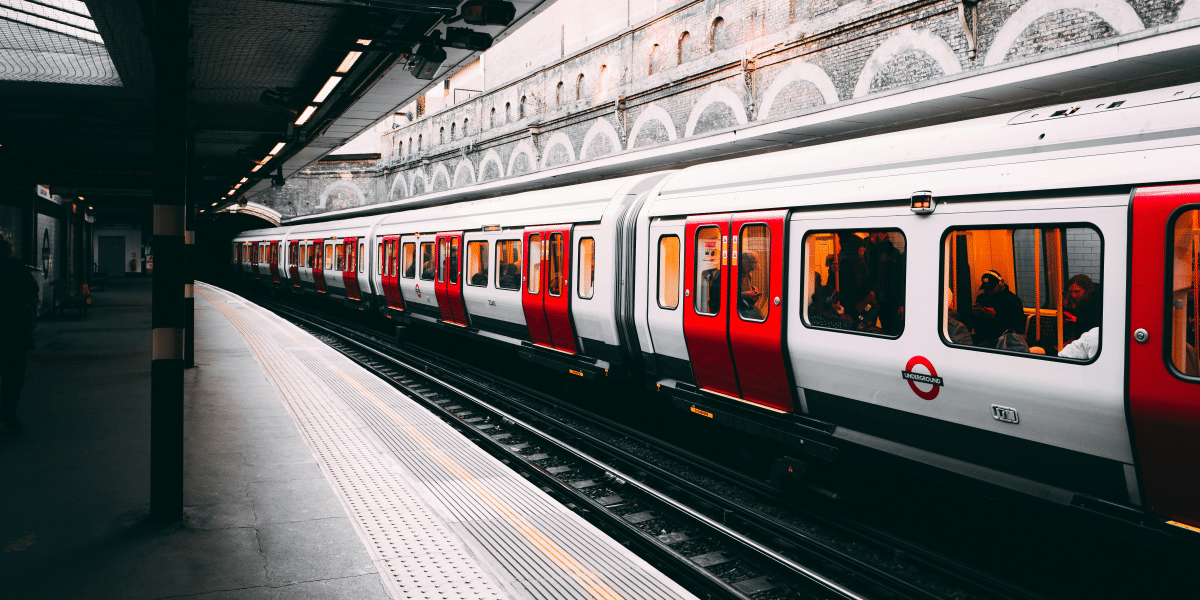
Innovations in Transportation: A Journey Through Time and Transformation

Throughout history, advancements in transportation have served as a powerful catalyst for progress. From the humble beginnings of the wheel to the awe-inspiring feats of space travel, innovations in transportation have revolutionized the way we live, work, and explore the world. This article delves into the transformative impact of these advancements on trade, exploration, and our overall quality of life.

The invention of the wheel, estimated to have occurred around 3500 BCE in Mesopotamia, marked a pivotal moment in human history. This seemingly simple technology revolutionized transportation by enabling the efficient movement of goods and people over land. Imagine the shift from laborious human or animal portage to the ease of rolling carts and wagons. As the Source notes, “The wheel transformed societies from localized, agrarian communities to trading hubs, fostering the development of complex civilizations.”

Harnessing the Wind: The Rise of Sailboats

In an era before steam engines or internal combustion, the sailboat was a marvel of ingenuity. Ancient mariners discovered that by harnessing the power of the wind, they could travel extraordinary distances, traversing rivers, seas, and even oceans. This innovation ignited an age of maritime exploration and trade, transforming isolated communities into interconnected hubs.

Sailboats became invaluable vessels for commerce. Cargo ships laden with spices, textiles, precious metals, and goods from distant lands navigated established trade routes. These maritime highways facilitated the exchange of commodities that would have otherwise remained inaccessible. This flow of goods fostered economic growth, technological advancements, and greater understanding between diverse cultures.

Beyond their practical uses, sailboats embodied a spirit of adventure. Explorers set forth in these wind-powered vessels to chart unknown territories, discover new lands, and expand the boundaries of the known world. Mapmakers painstakingly updated their charts, redrawing the perceived edges of the Earth as intrepid seafarers returned with tales of their discoveries. “The sailboat represents humankind’s enduring desire to explore, to venture beyond the horizon, and see what lies beyond,” reflects a maritime historian.

The Power of Steam: The Industrial Revolution Takes Off

Prior to the advent of the steam engine, the speed and scope of land transportation remained constrained by the limitations of muscle power, whether human or animal. However, everything changed with the harnessing of steam’s raw energy. Early steam engines, while bulky and inefficient, demonstrated the potential to power machinery and revolutionize transport.

The refinement of steam power culminated in the development of steam locomotives, iron behemoths that roared along newly laid tracks. Railroads dramatically changed the equation for transporting goods and people. Suddenly, vast quantities of raw materials could be efficiently transported from mines to factories, fueling the large-scale production made possible by the Industrial Revolution. Finished goods traveled swiftly to distant markets, widening the reach of industries and transforming economies.

Railroads also shrunk travel times for individuals. Journeys that once took days via horse-drawn carriages were reduced to mere hours. This shift in the perception of distance facilitated greater connectivity, encouraged the movement of labor from rural to urban areas and reshaped societies. “Steam locomotion became the heartbeat of the Industrial Revolution,” notes an economic historian. “It accelerated the pace of production, expanded the reach of markets, and propelled nations into an era of unprecedented economic growth.”

Taking Flight: The Dream of Powered Air Travel

The age-old human dream of taking to the skies like birds became a reality in the early 20th century. While there were prior experiments with gliders and lighter-than-air balloons, the Wright Brothers’ achievement of powered, sustained flight in 1903 was a true watershed moment. They conquered the challenges of control and propulsion, opening the door to an entirely new dimension of transportation.

Early airplanes were marvels of wood, cloth, and ingenuity, yet they captured the imagination of the world. Technological advancements in aviation progressed rapidly, improving the safety, range, and capacity of aircrafts. Air travel transformed our perception of distance. Oceans that once served as formidable barriers could now be crossed within hours instead of weeks. Journeys between remote corners of the globe became possible, changing the very notion of accessibility.

The impact of air travel extends far beyond personal journeys. The rise of commercial air transport revolutionized the movement of cargo and mail. Perishable goods, urgent documents, and time-sensitive products could now efficiently be transported around the world. This acceleration of trade and the swift exchange of information had profound economic and geopolitical implications. “Aviation made the world a smaller place,” reflects a transportation expert. “It fostered greater interconnectedness, with both positive and complex consequences for global dynamics.”

The Automobile: Freedom and Flexibility on Four Wheels

Before the arrival of the automobile, personal transportation was a privilege of the wealthy or those with access to reliable public transport systems. Journeys were often constrained by schedules, distances, or the simple lack of convenient options. However, this all changed with the advent of the automobile. Suddenly, individuals and families were no longer bound to railway lines or dependent on animal-powered transport. The automobile offered unprecedented freedom and flexibility to venture off the beaten path, explore further afield, and control one’s own journey.

As automobile ownership became more attainable, lives dramatically transformed. People could live further from city centers, fueling the growth of suburbs and changing residential patterns. Daily commutes became a common experience, expanding the radius of potential jobs and opportunities. The automobile also heralded the era of the road trip, turning the journey itself into an adventure rather than simply a means to an end. Families could pack their belongings and explore the open road, discovering hidden gems and experiencing the country in a new way.

“The automobile became synonymous with the American ideals of freedom and self-determination,” notes a cultural historian. “It allowed people to chart their own course, literally and figuratively, reshaping landscapes and individual lifestyles.” Of course, the automobile’s influence isn’t without critique. Environmental concerns related to emissions and traffic congestion are valid challenges spawned by our reliance on cars. However, the profound impact the automobile has had on shaping how we live, work, and interact with our surroundings is undeniable.

Reaching for the Stars: The Age of Space Travel

The launch of Sputnik 1, the first artificial satellite built by the Soviet Union in 1957, pierced the veil between human ambition and the cosmos. This seemingly simple metallic sphere orbiting Earth ignited a new era – one where the dreams of spacefaring science fiction were transformed into tangible realities. The Space Age was born, fueling fierce competition between superpowers while igniting a sense of global awe and optimism about technological possibilities.

The United States, spurred by competition and ambition, achieved a momentous feat in 1969 when Apollo 11 astronauts landed on the Moon. As Neil Armstrong took that historic “one small step,” he transcended the Earthbound constraints of humanity. The Moon landing wasn’t just a victory in the Space Race; it was a testament to the audacity of human ingenuity. It forever altered our perspective, offering a haunting, yet beautiful, image of ourselves against the vast backdrop of space.

Beyond its symbolic significance, space travel has transformed our world in tangible ways. Satellites now orbit our planet, revolutionizing communication, navigation, and global connectivity. Space telescopes, like the Hubble, peer into the depths of the universe, unraveling secrets about distant galaxies, revealing the awe-inspiring scale of creation. Space probes have journeyed to distant planets within our solar system, providing insights into their unique environments and even hinting at the possibility of extraterrestrial life. “Space exploration isn’t about escapism,” emphasizes a leading astrophysicist, “it challenges us to better understand both our place in the cosmos and how we can protect and improve our own planet.”

The history of transportation advancements is a chronicle of human ingenuity and its enduring desire to explore and connect. Each innovation, from the wheel to the spaceship, has had a profound impact on the way we interact with the world and each other. These advancements have facilitated the exchange of goods and ideas, fueled economic growth, and broadened our understanding of the world we inhabit. Transportation innovations continue to evolve, with driverless cars, hyperloop technology, and even commercial space travel on the horizon. The future promises even more transformative journeys as we continue to push the boundaries of what’s possible.


Circus Bella: A Free Family Outing in San Francisco and Oakland

What Can You Expect at Circus Bella?

Circus Bella is bringing the magic of the circus to various parks around San Francisco and Oakland with its free pop-up performances. This one-ring circus offers an entertaining and lively show that features a mix of acrobats, aerialists, clowns, and more. Designed to be fun for the whole family, Circus Bella combines traditional circus arts with contemporary flair, creating an unforgettable experience for audiences of all ages.

At each performance, you can expect a colorful and energetic display of skills and artistry. Acrobats perform stunning feats of strength and agility, while aerialists soar gracefully above the crowd, captivating everyone with their daring and elegance. Clowns add a touch of humor and whimsy, ensuring that laughter is a constant companion throughout the show. The variety of acts keeps the audience engaged and entertained from start to finish.

Why Attend a Circus Bella Performance?

Attending a Circus Bella performance is a perfect way to spend a day out with family and friends. The free admission makes it accessible to everyone, allowing you to enjoy high-quality entertainment without worrying about the cost. The performances are held in various parks, providing a beautiful outdoor setting where you can relax and enjoy the show.

The atmosphere at Circus Bella performances is vibrant and welcoming. The performers interact with the audience, creating a sense of community and shared enjoyment. Kids are especially delighted by the interactive elements and the close-up view of the performers. It’s a great way to introduce children to the performing arts and inspire their imaginations.

In addition to the entertainment, attending a Circus Bella show supports local arts and culture. The circus is known for its dedication to bringing accessible and inclusive entertainment to diverse communities. By participating in these events, you are contributing to the cultural vitality of the Bay Area.

How to Plan Your Visit?

To make the most of your visit to a Circus Bella performance, check their schedule in advance to find out when and where the shows will be held. Arriving early is a good idea, as it allows you to secure a good spot and enjoy the pre-show atmosphere. Bringing a blanket or portable chairs can make your viewing experience more comfortable.

Consider packing a picnic to enjoy before or after the performance. Many of the parks where Circus Bella performs have beautiful picnic areas and playgrounds, making it easy to turn the outing into a full-day adventure. Don’t forget to bring sun protection, such as hats and sunscreen, especially for daytime performances.

Circus Bella offers a fantastic opportunity to enjoy free, high-quality circus performances in the beautiful parks of San Francisco and Oakland. With its mix of acrobatics, aerial acts, and clowning, the circus provides fun and entertainment for the whole family. Plan your visit to experience the joy and wonder of Circus Bella and create lasting memories with your loved ones.

Motorcycle Mechanic: A Guide to Career Opportunities in Motorcycle Repair and Maintenance

What Does a Motorcycle Mechanic Do?

Are you passionate about motorcycles and have a knack for fixing things? If so, a career as a motorcycle mechanic might be the perfect fit for you! In this guide, we’ll explore the exciting world of motorcycle repair and maintenance, including the skills you need, the job opportunities available, and how to get started in this rewarding field.

Before we dive into the details, let’s take a closer look at what motorcycle mechanics actually do. Essentially, they’re the unsung heroes who keep motorcycles running smoothly and safely. From routine maintenance tasks like oil changes and tire replacements to more complex repairs like engine overhauls and electrical diagnostics, motorcycle mechanics do it all.

Skills and Qualifications

So, what does it take to become a successful motorcycle mechanic? While formal education isn’t always required, most employers prefer candidates who have completed a vocational or technical training program in motorcycle repair. These programs cover topics like engine mechanics, electrical systems, and diagnostic procedures, providing you with the knowledge and skills you need to excel in the field.

In addition to technical skills, motorcycle mechanics also need excellent problem-solving abilities, attention to detail, and a knack for working with their hands. Strong communication skills are also essential, as you’ll often need to explain complex technical issues to customers in a clear and understandable way.

Job Opportunities

Now that you know what it takes to become a motorcycle mechanic, let’s explore some of the job opportunities available in this field. Motorcycle mechanics can work in a variety of settings, including:

Many motorcycle mechanics find employment at motorcycle dealerships, where they perform routine maintenance and repairs on a wide range of makes and models. Dealerships often offer on-the-job training and opportunities for advancement, making them a great place to start your career in motorcycle repair.

Independent Repair Shops

Some motorcycle mechanics prefer to work for independent repair shops, where they have the freedom to work on a wider variety of motorcycles and interact directly with customers. Independent shops often provide a more personalized experience for customers and may offer specialized services like custom modifications or performance upgrades.

If you have a passion for a specific type of motorcycle, such as vintage bikes or off-road machines, you may want to consider working for a specialty shop that focuses exclusively on that niche. Specialty shops often cater to enthusiasts who are willing to pay a premium for expert service and personalized attention.

For those with an entrepreneurial spirit, starting your own motorcycle repair business can be a rewarding option. While it requires a significant investment of time and money, owning your own shop allows you to set your own hours, work on the types of bikes you’re most passionate about, and take control of your career.

Getting Started

Ready to kickstart your career as a motorcycle mechanic? Here are a few steps you can take to get started:

1. Get Educated

Start by enrolling in a vocational or technical training program in motorcycle repair. These programs typically last anywhere from six months to two years and cover everything you need to know to succeed in the field.

2. Gain Experience

Consider completing an internship or apprenticeship with a licensed motorcycle mechanic to gain hands-on experience and learn the ins and outs of the trade. Many dealerships and repair shops offer internship programs for aspiring mechanics.

3. Get Certified

While certification isn’t always required, becoming a certified motorcycle mechanic can help you stand out in the job market and demonstrate your expertise to potential employers. Organizations like the Motorcycle Mechanics Institute offer certification programs that can enhance your credentials and improve your job prospects.

4. Build Your Network

Networking is key in any industry, so be sure to attend industry events, join professional organizations, and connect with other motorcycle enthusiasts in your area. Building relationships with fellow mechanics, shop owners, and industry professionals can open doors to new opportunities and help you advance your career.

And there you have it – a comprehensive guide to career opportunities in motorcycle repair and maintenance. Whether you’re just starting out or looking to take your career to the next level, there’s never been a better time to pursue your passion for motorcycles. So roll up your sleeves, grab your tools, and get ready to embark on an exciting journey in the world of motorcycle mechanics!

Cultural Festivals in California: August Highlights

What Are the Cultural Festivals in California This August?

California is a melting pot of cultures, and this diversity is beautifully reflected in the numerous cultural festivals happening across the state. As we move into August, several exciting events celebrate the rich traditions and vibrant communities in California. From music and food to art and history, these festivals offer a glimpse into the diverse cultural tapestry that makes California unique.

One of the standout events in August is the San Jose Jazz Summer Fest. This festival, held in downtown San Jose, is a must-see for music lovers. It brings together an impressive lineup of artists from various genres, including jazz, blues, and Latin music. The festival features multiple stages, ensuring that there’s something for everyone to enjoy. In addition to the fantastic music, visitors can also explore food vendors offering a wide range of cuisines, making it a feast for the senses. The San Jose Jazz Summer Fest not only celebrates music but also the community spirit, as people from all walks of life come together to enjoy the festivities.

In Southern California, the Nisei Week Japanese Festival in Los Angeles is another cultural highlight of August. This festival, which has been celebrated for over 80 years, honors Japanese heritage and culture. Held in the Little Tokyo district, Nisei Week features traditional performances, parades, and exhibitions that showcase the beauty of Japanese art and customs. Visitors can enjoy taiko drumming, tea ceremonies, and martial arts demonstrations. The festival also includes a grand parade, which is a colorful and lively procession that brings the community together. Nisei Week is a fantastic opportunity to immerse oneself in Japanese culture and experience the warmth and hospitality of the Japanese American community.

How Do These Festivals Celebrate California’s Diversity?

California’s diversity is celebrated through its numerous cultural festivals, each highlighting the unique traditions and histories of different communities. In August, the San Francisco Nihonmachi Street Fair is a prime example of how festivals can bring together diverse cultures. This fair, held in Japantown, celebrates Asian-Pacific American culture. It features live music, dance performances, and a variety of food stalls offering delicious Asian cuisine. The Nihonmachi Street Fair also hosts a cultural arts and crafts fair, where visitors can purchase handmade items and learn about traditional crafts from various Asian cultures. This event is a testament to the rich cultural heritage of the Asian-Pacific American community in San Francisco and offers a chance to experience their vibrant traditions firsthand.

Another festival that showcases California’s diversity is the Long Beach Greek Festival. This event, held at the Assumption of the Blessed Virgin Mary Greek Orthodox Church, is a joyful celebration of Greek culture and heritage. Attendees can enjoy traditional Greek music, dance, and food, creating an immersive cultural experience. The festival also features a marketplace with Greek goods, from clothing to jewelry, allowing visitors to take a piece of Greek culture home with them. The Long Beach Greek Festival is not just about entertainment; it is also an opportunity for the Greek community to share their traditions with others and foster a sense of unity and understanding.

In Northern California, the Watsonville Strawberry Festival celebrates the region’s agricultural heritage and diverse farming community. This festival highlights the importance of strawberries to Watsonville’s economy and culture. Visitors can enjoy a variety of strawberry-themed foods, from shortcakes to jams, and participate in fun activities such as pie-eating contests and carnival rides. The Watsonville Strawberry Festival is a family-friendly event that brings together people of all ages and backgrounds to celebrate the region’s rich agricultural traditions and the hardworking farmers who make it all possible.

Why Are Cultural Festivals Important for Communities?

Cultural festivals play a crucial role in preserving and promoting the traditions and heritage of different communities. They provide a platform for cultural exchange and understanding, fostering a sense of pride and identity among community members. In August, California’s cultural festivals are important reminders of the state’s rich and diverse history.

The Obon Festival in San Mateo is one such event that highlights the importance of cultural preservation. This Buddhist festival honors the spirits of ancestors and features traditional Japanese dance, music, and food. The Obon dance, or Bon Odori, is a significant part of the festival, with participants wearing yukatas (summer kimonos) and dancing to the rhythm of taiko drums. The festival also includes a lantern lighting ceremony, where lanterns are lit to guide the spirits of ancestors back to the afterlife. The Obon Festival is a beautiful and solemn celebration that brings the community together to remember and honor their loved ones.

Similarly, the Escondido Tamale Festival in Southern California celebrates the rich culinary traditions of the Mexican American community. This festival is dedicated to tamales, a traditional Mexican dish, and features a tamale-making contest, live entertainment, and a variety of tamale vendors. The festival also includes cultural performances such as mariachi music and folklorico dance, providing a vibrant and festive atmosphere. The Escondido Tamale Festival is a testament to the importance of food in cultural celebrations and its role in bringing people together.

The cultural festivals happening in California this August celebrate the state’s diverse communities and rich traditions. From the San Jose Jazz Summer Fest to the Nisei Week Japanese Festival, these events offer a glimpse into the unique cultural heritage that makes California so special. By attending these festivals, we can learn more about the different cultures that make up our state and appreciate the beauty of diversity. So, mark your calendars and get ready to experience the vibrant cultural festivals of California this August.

Air Travel: From Mythical Wings to Modern Jetliners

Humans have dreamt of soaring through the skies for centuries. Ancient stories tell of flying chariots and daring escapes fueled by homemade wings. This desire to conquer the air wasn’t simply about getting from point A to point B – it was about breaking the bonds of gravity, seeing the world from a new perspective, and pushing the boundaries of the possible. Let’s explore the enduring allure of powered air travel, from its mythical roots to the modern marvel of the airliner.

Ancient myths and legends often feature humans taking to the skies, reflecting our timeless fascination with flight. While these stories were purely fantastical, they hint at a deep-seated yearning to experience the freedom of the birds. It wasn’t until the 18th century that this dream began to inch closer to reality with the invention of the hot air balloon. While limited by its dependence on the wind, the balloon ignited the imagination, proving that humans could, indeed, escape the confines of the earth.

The true turning point in aviation history came on December 17, 1903, at Kitty Hawk, North Carolina. Orville and Wilbur Wright achieved the world’s first sustained controlled flight in a powered aircraft – a monumental achievement that reshaped our understanding of what was possible. Their success wasn’t just about building a machine that could fly; it was about demonstrating that humans could harness the power of flight for their own purposes.

World Wars and the Rapid Development of Aviation

The decades following the Wright Brothers’ breakthrough saw an explosion of innovation. World Wars accelerated technological development, as aircrafts proved their value for reconnaissance and later, combat. While devastating on a human level, these conflicts pushed the boundaries of what airplanes could do. Jets were developed, engines grew more powerful, and air travel became a very real possibility for more than just adventurers and the military.

The post-Word War II era saw the advent of the jet engine – a revolution that would make commercial air travel both possible and far more efficient. Suddenly, far-off destinations were brought within reach for (relatively) affordable prices. International travel boomed, changing the way people experienced the world and fostering global connections in an unprecedented way. One travel writer puts it like this, “The rise of commercial air travel didn’t just make the world smaller, it made it more accessible… sparking curiosity and exchange on a scale never seen before.”

Air travel today is characterized by a focus on safety. Despite the occasional headline-making failure, flying in a commercial airliner remains one of the safest forms of transportation. However, the industry faces fresh challenges, particularly regarding sustainability. As climate change concerns grow, airlines and aircraft manufacturers are investing heavily in researching alternative fuels and aircraft designs meant to minimize their environmental impact.

Despite the occasional frustrations of delayed flights and cramped seats, the act of air travel retains a certain magic. Perhaps it’s the feeling of defying gravity, of watching the world shrink below as you ascend into the clouds. Or maybe it’s that sense of possibility – that anticipation of arriving in a new place, ready to explore. Whatever the reason, the dream of flight remains as captivating as ever, fueled by innovation and an enduring human desire to go further, faster, and higher.

The Return of Old-Fashioned Styles in Today’s Wardrobes

The Rebirth of Iconic Styles

In the world of fashion, what goes around often comes back around. That’s right – vintage fashion is making a grand comeback, bringing back the styles our grandparents rocked with pride. From bell-bottom jeans to polka-dot dresses, let’s take a stroll down memory lane and see how the past is shaping our present wardrobes.

Bell-Bottoms and Flared Jeans: Remember those wide-legged pants that were all the rage in the ’70s? Well, they’re back in action. People are loving the freedom and flair (literally!) that bell-bottoms and flared jeans bring to their outfits. Pair them with a simple tee, and you’ve got a classic look that’s as timeless as it gets.

Floral Prints and Polka Dots: Grandmother’s closet would be proud! Floral prints and polka dots are not just for old photo albums anymore. These patterns are popping up everywhere – dresses, skirts, and even accessories. It’s like wearing a piece of history with a sprinkle of modern charm.

Vintage Aesthetics Meet Modern Flair

The Influence of Old Hollywood Glamour: Hollywood’s golden era is leaving its mark on today’s red carpets. Vintage-inspired gowns, elegant silhouettes, and a touch of old Hollywood glamour are making a big statement. It’s not just about fashion; it’s about channeling the sophistication and charm of icons like Audrey Hepburn and Marilyn Monroe.

Denim Jackets and Leather Blazers: The rebellious spirit of the ’80s is making a bold return with denim jackets and leather blazers. Throw on a denim jacket, and suddenly, you’re part of the cool kids’ club. These timeless pieces add a touch of edge to any outfit, proving that some styles never really go out of fashion.

Why the Comeback?

Nostalgia Strikes a Chord: In a world that moves at lightning speed, people find comfort in the familiar. Vintage fashion brings back memories and emotions, creating a sense of nostalgia. It’s like wearing a piece of the past that holds a story – a story that’s both personal and shared.

Sustainability Takes Center Stage: Vintage fashion isn’t just about style; it’s about sustainability too. As the world becomes more conscious of environmental impact, people are turning to pre-loved clothing. Vintage shopping isn’t just a trend; it’s a statement – a statement against fast fashion and in favor of a more sustainable wardrobe.

Tips for Embracing Vintage Vibes

Thrift Store Treasures: One person’s old is another person’s gold. Thrift stores are treasure troves of vintage gems waiting to be discovered. From quirky accessories to timeless coats, you never know what you might find. It’s like a fashion treasure hunt!

Mix and Match Eras: Don’t be afraid to mix different eras. Pair a ’50s-style skirt with a modern graphic tee or throw a leather jacket over a ’60s-inspired dress. The beauty of vintage fashion is its versatility – play around, and find what works for you.

Fashion’s Timeless Carousel

As we witness the revival of vintage fashion, it’s clear that style is cyclical. What was once considered old-fashioned is now the epitome of chic. So, whether you’re raiding your grandma’s closet or scouring the racks at a thrift store, remember that fashion is a journey through time. Embrace the classics, celebrate the comebacks, and let your wardrobe tell a story that spans generations. It’s not just about what you wear; it’s about the tale your clothes tell, connecting the past, present, and future in a timeless fashion carousel.

Beyond Concrete Walls: Decoding the Hidden Stories of San Francisco’s Murals

The Mission District: A Canvas for Cultural Expression

San Francisco’s vibrant streetscape isn’t just about cable cars and Victorian architecture. Tucked into alleyways, bursting across building facades, and animating community spaces, murals paint a vivid, alternative history of the city. They tell stories of struggle and celebration, resilience and rebellion, transforming blank walls into vibrant storybooks for anyone willing to pause and take a closer look. Let’s explore SF’s rich history of mural art and how it preserves voices often silenced in traditional history texts.

San Francisco’s Mission District is a treasure trove of outdoor art with its roots in the Chicano muralist movement of the 1960s and 1970s. Here, murals are a form of community storytelling. They depict Aztec deities alongside portraits of local activists, scenes of cultural celebrations mixed with poignant social commentary. Balmy Alley, in particular, is a constantly evolving gallery showcasing everything from intensely political statements to whimsical dreamlike imagery.

“The murals in the Mission are a visual manifestation of our people’s history, both its beauty and its pain,” says a local community artist. “They remind us where we came from, the battles we’ve fought, and the strength we hold within.”

Historically, murals have often been created by marginalized communities. They become a means of reclaiming public space and making visible stories often absent from the mainstream narrative. From the MaestraPeace mural in the Mission celebrating the lives and contributions of powerful women, to the murals in the Bayview neighborhood that honor the legacy of Black activists, these artworks defy attempts to erase history. They ensure that these narratives are quite literally woven into the urban fabric of San Francisco.

“Murals have the power to challenge the dominant historical narrative,” explains an art historian specializing in public art. “They offer a visual counterpoint to the stories often enshrined in institutions, ensuring a more inclusive perspective on the past.”

Capturing the Spirit of Community

Murals don’t just deal with grand historical themes. They also preserve the everyday stories that make up the soul of a neighborhood. A mural might depict a beloved local shopkeeper, children playing on the street, or a colorful market day scene. These snapshots celebrate the vibrancy of community life, documenting traditions and individuals who may not make it into official history books, yet contribute so much to the fabric of the city.

One of the challenges with mural art is its sometimes fragile nature. Exposure to the elements, vandalism, and urban redevelopment can threaten these public artworks. That’s where projects like the Precita Eyes Mural Arts Center step in. They document and preserve San Francisco’s murals , creating not just physical restorations, but digital archives making these works accessible to a wider audience.

Seeking out San Francisco’s murals is a way to experience the city beyond the usual tourist trail. Join a guided mural walk, or explore independently, seeking out pockets of art tucked away in unexpected places. Take the time to decipher the symbolism, learn the histories hidden in plain sight, and appreciate how murals transform ordinary streets into outdoor art galleries with resonant stories to tell.

“Murals force us to slow down, to really look at the city around us,” observes a local arts enthusiast. “They hold a mirror up to San Francisco, reflecting its beauty, diversity, and its never-ending struggle for a more just future.”

Exploring the Irresistible Bakeries of San Francisco, from Sourdough Masterpieces to Sweet Delights

Sourdough Symphony: The Soul of San Francisco Bakeries

In the heart of San Francisco, where the aroma of freshly baked goods wafts through the air, the city’s bakeries stand as culinary beacons, offering a delightful journey into the world of bread, pastries, and sweet treats. From iconic sourdough bread to decadent pastries, the bakeries of San Francisco are a testament to the city’s rich culinary heritage and diverse palate. Let’s embark on a delicious exploration, uncovering the magic behind these irresistible bakeries.

Boudin Bakery’s Timeless Tradition: Nestled at Fisherman’s Wharf, Boudin Bakery holds the secret to San Francisco’s famous sourdough bread. With a history dating back to 1849, Boudin’s sourdough starter, lovingly known as the “Mother Dough,” is a living legacy. Sink your teeth into a warm, crusty sourdough roll and experience the tangy perfection that has become synonymous with San Francisco’s baking culture.

Tartine Bakery’s Artisanal Elegance: Venture to the Mission District, and you’ll discover Tartine Bakery, a haven for artisanal pastries and bread. The buttery aroma of croissants, the flakiness of morning buns, and the simplicity of country bread – Tartine elevates baking to an art form. It’s a place where every bite tells a story of craftsmanship and dedication to the finest ingredients.

Sweet Escapes: San Francisco’s Dessert Wonderland

Golden Gate Bakery’s Chinatown Delights: In the heart of Chinatown, Golden Gate Bakery has been enchanting locals and visitors alike with its delectable pastries. From egg tarts to custard buns, each creation is a sweet symphony that reflects the diverse influences shaping San Francisco’s culinary landscape. Step into this dessert wonderland and let your taste buds dance.

Craftsman and Wolves’ Modern Elegance: For those seeking a contemporary twist on traditional pastries, Craftsman and Wolves in the Mission District offers a feast for the eyes and palate. Indulge in their innovative creations like the Rebel Within – a savory muffin with a surprise runny egg center. It’s a testament to the evolving nature of San Francisco’s bakery scene.

Neighborhood Gems: Where Local Flavors Thrive

Arizmendi Bakery’s Co-op Charm: With its cooperative model and commitment to community, Arizmendi Bakery has become a beloved neighborhood gem. Known for its daily-changing menu and emphasis on using local, organic ingredients, this worker-owned bakery in the Inner Sunset captures the essence of a close-knit community sharing the love of freshly baked goods.

Mr. Holmes Bakehouse’s Instagram-Worthy Pastries: Take a stroll through the streets of Nob Hill, and you might stumble upon Mr. Holmes Bakehouse, a bakery that not only delights taste buds but also captures attention on social media. Famous for its Cruffins – a hybrid of a croissant and a muffin – Mr. Holmes Bakehouse showcases the playful side of San Francisco’s bakery culture.

The Heartfelt Craftsmanship Behind Every Treat

San Francisco’s bakeries are not just places that churn out delicious treats; they are homes of craftsmanship and passion. The bakers, often unsung heroes, knead, proof, and bake with a dedication that goes beyond the storefront. Each loaf of bread and every pastry is a result of countless hours of work, ensuring that every customer experiences a moment of joy with each bite.

A Journey Through Flour, Sugar, and Community

As you embark on your bakery-hopping adventure in San Francisco, savoring the unique flavors and textures each bakery has to offer, remember that you’re not just tasting baked goods; you’re experiencing the soul of the city. From the iconic sourdough to the trendsetting pastries, these bakeries tell a story of tradition, innovation, and the diverse communities that call San Francisco home.

So, lace up your walking shoes, follow the scent of fresh bread, and let the bakeries of San Francisco guide you on a journey through flour, sugar, and the heartwarming spirit of a city that truly knows how to rise and shine.

How San Francisco Real Estate Is Adapting by Converting Office Buildings into Mixed-Use Spaces

Can Mixed-Use Spaces Save San Francisco’s Office Market?

San Francisco’s office market is in flux. Once a bustling hub of corporate life, the city’s office spaces now face historically high vacancy rates. With companies embracing remote and hybrid work models, the demand for traditional office leases has plummeted, leaving vast stretches of commercial real estate empty. In response, real estate developers and landlords are rethinking how these spaces can be used, and one of the key solutions they are exploring is converting office buildings into mixed-use spaces.

This shift toward mixed-use development is seen as a way to breathe new life into office-heavy areas like the Financial District, which have been hit hardest by these changes. But what exactly does mixed-use mean, and can it really revitalize San Francisco’s struggling real estate market?

Why Are Developers Converting Offices to Mixed-Use Spaces?

Mixed-use spaces combine various types of real estate—such as residential, retail, and office—within the same building or development. As companies continue to downsize their office needs, developers are finding that converting underused office buildings into spaces that include apartments, shops, or even entertainment venues can make these properties more profitable and sustainable.

This trend is driven by several factors. First, there is a rising demand for housing in urban areas like San Francisco. Converting office buildings into residential units can help alleviate the housing crisis while also repurposing empty spaces. This strategy also appeals to city planners who are keen on creating more walkable, vibrant communities where people can live, work, and shop in close proximity. Instead of vast, empty office towers, these neighborhoods would offer a mix of amenities, encouraging foot traffic and economic activity.

Retail spaces are also being integrated into these developments, creating a dynamic environment that attracts both residents and visitors. In areas where traditional office use has diminished, developers see an opportunity to build thriving urban communities. According to industry experts, this transformation can increase the long-term value of properties, as mixed-use spaces tend to have greater resilience during economic downturns due to their diversified income streams.

However, converting office buildings is not without its challenges. Commercial spaces often have layouts and structural designs that are not easily adaptable to residential use. Developers must navigate local zoning laws and costly renovations to make these conversions feasible. Yet, the potential payoff in creating sustainable, mixed-use developments has many real estate professionals committed to the effort.

What Incentives Are Landlords Offering to Attract Businesses?

While some developers are focusing on mixed-use conversions, others are taking a different approach to attract businesses back to downtown San Francisco. Recognizing the declining demand for large, traditional office spaces, landlords are offering new incentives, hoping to lure companies to return to the city center.

These incentives often include lower rents and more flexible lease terms, which provide companies with the agility to scale up or down as needed. Flexible leases are particularly attractive in a time when businesses are unsure about their future office needs. Some landlords are also offering shorter lease periods, giving tenants the ability to reassess their space requirements after a year or two, rather than committing to long-term contracts.

Moreover, landlords are investing in upgrading their properties to make them more appealing to tenants. Many buildings are being outfitted with state-of-the-art technology, coworking spaces, and wellness amenities that cater to the evolving needs of modern employees. By creating a more flexible, adaptable office environment, landlords hope to attract startups, tech firms, and companies that still value a physical office presence but want the flexibility that today’s market demands.

Coworking spaces, for example, are being integrated into many office buildings, offering flexible desks and shared resources for companies that no longer need dedicated office space. This hybrid model allows companies to retain a presence in San Francisco without the high costs and long-term commitments associated with traditional office leases. By offering these kinds of modern workspaces, landlords can cater to a wider range of businesses, from startups to larger enterprises, looking for short-term or scalable options.

Can This New Model Revitalize Downtown San Francisco?

The shift toward mixed-use spaces and flexible office arrangements reflects a broader trend in how cities like San Francisco are evolving post-pandemic. For years, downtown areas were largely defined by towering office buildings filled with daily commuters. Now, with fewer people returning to traditional work environments, cities are being forced to adapt.

By incorporating residential units, retail spaces, and coworking hubs into former office buildings, San Francisco is working to revitalize its downtown. This new model can make urban areas more attractive not only to businesses but also to residents and tourists. The hope is that these changes will bring new life to once-vibrant neighborhoods that have seen a significant drop in activity since the pandemic.

However, the success of these efforts will depend on a variety of factors, including how quickly companies and employees are willing to embrace new work environments and how effectively the city can support these transitions. City officials, developers, and landlords must continue to work together to ensure that zoning laws and building codes support these new uses for office spaces. They must also focus on creating infrastructure and amenities that meet the needs of a mixed-use future.

Muni Service Improvement: San Francisco’s Public Transportation Reaches New Heights

San Francisco’s Muni public transportation system has achieved its highest customer rating in over 20 years. This milestone marks a significant achievement for the city’s transportation network, reflecting improvements in reliability and a reduction in subway delays. With 72% of Muni riders rating the service as excellent or good, let’s explore what has led to this success and what it means for the future of public transportation in San Francisco.

What Improvements Have Been Made to Muni?

In recent years, the San Francisco Municipal Transportation Agency (SFMTA) has implemented several initiatives to enhance Muni service. One of the key improvements has been the reduction in subway delays. By addressing infrastructure issues and optimizing train schedules, Muni has managed to significantly decrease wait times and improve overall reliability.

Additionally, the introduction of new vehicles and upgraded technology has played a crucial role. Modern buses and light rail vehicles equipped with advanced features have not only increased capacity but also provided a more comfortable and efficient ride for passengers.

The SFMTA has also focused on better maintenance practices and employee training. By ensuring that vehicles are well-maintained and that staff are well-prepared to handle various situations, the agency has been able to enhance the overall quality of service.

How Has This Affected Rider Satisfaction?

The improvements in Muni service have had a direct impact on rider satisfaction. According to a recent survey, 72% of Muni riders rated the service as excellent or good. This is the highest rating the system has received since the survey began over 20 years ago​​.

Passengers have reported shorter wait times, more reliable schedules, and a generally more pleasant travel experience. These positive changes have made Muni a more attractive option for daily commutes and other travel needs, helping to reduce traffic congestion and promote public transportation usage.

What Challenges Remain for Muni?

Despite these significant improvements, Muni still faces several challenges. One of the ongoing issues is the need for continued investment in infrastructure. While recent upgrades have had a positive impact, ongoing maintenance and further enhancements are necessary to sustain and build on current improvements.

Another challenge is ensuring equitable service across all neighborhoods. Some areas still experience less reliable service compared to others, and addressing these disparities is crucial for providing a consistent and dependable transportation system for all San Francisco residents.

What Does the Future Hold for Muni?

Looking ahead, the SFMTA plans to continue its efforts to improve Muni service. Future projects include expanding the network to underserved areas, further upgrading vehicles and technology, and enhancing accessibility for all riders. The goal is to make Muni not only a reliable but also a preferred mode of transportation for everyone in the city.

Additionally, the agency is exploring ways to incorporate sustainable practices into its operations. This includes investing in electric buses and other eco-friendly technologies to reduce the environmental impact of public transportation.

The recent improvements in San Francisco’s Muni system mark a significant milestone in the city’s transportation history. With a focus on reliability, technological upgrades, and enhanced rider experience, Muni has achieved its highest customer satisfaction rating in over two decades. While challenges remain, the commitment to continuous improvement promises a brighter and more efficient future for public transportation in San Francisco.