The Fillmore: A Storied Legacy in Rock and Jazz


A Historic Haven for Music Enthusiasts

The Fillmore, nestled in the heart of San Francisco, stands as a living testament to the evolution of rock and jazz music over the decades. With a rich history dating back to its opening in 1912, this iconic venue has become synonymous with musical innovation and cultural significance.

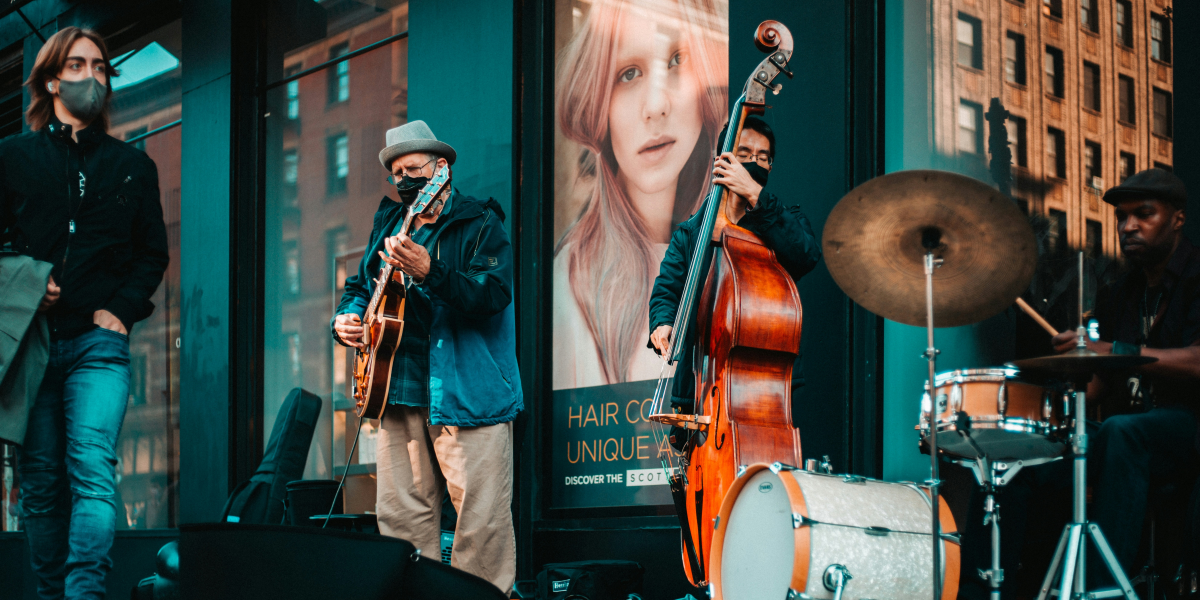
In recent years, The Fillmore has become a focal point for artists and fans alike, hosting performances that span genres and generations. From legendary rock bands to avant-garde jazz ensembles, the stage at The Fillmore has witnessed it all, cementing its status as a cornerstone in the world of live music.

The Fillmore’s Origins and Evolution

Built during a time of burgeoning artistic expression, The Fillmore initially served as a dance hall and a meeting place for various community events. However, it wasn’t until the 1960s that the venue truly found its calling as a mecca for musical exploration. Under the ownership of concert promoter Bill Graham, The Fillmore became a hub for the counterculture movement, hosting iconic performances by renowned artists such as The Grateful Dead, Jefferson Airplane, and Janis Joplin.

The Fillmore’s walls reverberate with the echoes of groundbreaking performances that have left an indelible mark on the music landscape. As the years rolled on, the venue adapted to the ever-changing musical landscape, seamlessly transitioning from rock to jazz and everything in between.

A Fusion of Rock and Jazz: The Fillmore’s Unique Appeal

One of the distinctive features of The Fillmore is its ability to seamlessly embrace diverse musical genres. This fusion is not only a testament to the venue’s adaptability but also a reflection of the broader cultural shifts in the world of music. From the electrifying guitar solos of iconic rock bands to the soulful improvisations of jazz legends, The Fillmore has been a canvas for artistic expression in its purest form.

The venue’s commitment to showcasing a variety of musical styles has contributed to its enduring popularity among music enthusiasts. Whether you’re a die-hard rock fan or a jazz aficionado, The Fillmore offers an immersive experience that transcends genres and captivates audiences from all walks of life.

The Fillmore Today: Preserving a Musical Legacy

In the present day, The Fillmore continues to be a thriving hub for live music, attracting both established artists and emerging talents. The venue’s commitment to preserving its historic legacy while embracing contemporary sounds has allowed it to remain relevant in an ever-evolving industry.

The Fillmore stands as a beacon of cultural heritage, providing a space where the past and the present coalesce in harmonious celebration. As the curtains rise for each performance, the audience is not just treated to music but is also transported into a realm where the spirit of rock and jazz converge in a symphony of sonic excellence.

The Fillmore’s storied history and its continuous evolution make it more than just a music venue; it is a cultural institution. Its ability to transcend musical boundaries and embrace the ever-changing landscape of rock and jazz solidifies its place in the pantheon of iconic venues. As we look to the future, The Fillmore stands as a testament to the enduring power of live music and its ability to unite generations through the universal language of sound.

Wildfire Prevention and Management: Strategies for Mitigating Wildfire Risks in California

Wildfire Prevention and Management: Strategies for Mitigating Wildfire Risks in California

Wildfires are a persistent and escalating threat in California, driven by natural and human-induced factors. These fires’ increasing frequency and intensity pose significant risks to communities, ecosystems, and the economy. Effective wildfire prevention and management are critical to mitigating these risks and ensuring the safety and resilience of affected areas. This guide explores key strategies and practices to reduce wildfire hazards, enhance preparedness, and promote sustainable land management in California.

What causes wildfires in California?

A combination of natural and human-induced factors causes wildfires in California. Understanding these causes is crucial for effective wildfire prevention and management.

Natural Causes: One of the primary natural causes of wildfires is lightning. Dry lightning, which occurs without significant rainfall, is especially dangerous. These lightning strikes can ignite dry vegetation, leading to wildfires. Additionally, prolonged droughts, driven by climate change, create dry conditions highly conducive to fires. The state’s hot, dry, and windy weather further exacerbates these conditions, making it easier for fires to start and spread rapidly.

Human-Induced Causes: Human activities are responsible for many wildfires in California. Unattended campfires discarded cigarettes, and equipment malfunctions, such as sparks from machinery, can ignite fires. Agricultural burning and debris burning also pose risks if not properly managed. Additionally, power lines have been a major source of wildfires, with equipment failures and downed lines causing devastating blazes. Arson, although less common, is another human-induced cause where fires are deliberately set.

Urban development into wildfire-prone areas, known as the wildland-urban interface, increases the likelihood of human-induced fires. As more people move into these areas, the chances of accidental ignitions rise. Moreover, climate change, influenced by human activities, significantly exacerbates both natural and human-induced causes. Warmer temperatures and altered precipitation patterns contribute to drier landscapes, extending the fire season and increasing the severity of wildfires.

By addressing natural and human-induced causes, California can develop comprehensive strategies to mitigate wildfire risks, protect communities, and preserve natural ecosystems. Effective prevention and management require a combination of public awareness, stringent regulations, and proactive land management practices.

What are the key strategies for wildfire prevention in California?

Effective wildfire prevention in California involves a combination of strategies designed to reduce the risk of fires and minimize their impact. Here are key prevention techniques:

Controlled Burns: Controlled or prescribed burns are crucial for wildfire prevention. These planned fires are intentionally set under controlled conditions to remove excess vegetation, which can fuel wildfires. By reducing the amount of dry, flammable material, controlled burns help prevent larger, uncontrolled wildfires. This method also promotes healthy forest regeneration and maintains the natural fire cycle.

Vegetation Management: Managing vegetation is essential for reducing wildfire risk. This includes thinning dense forests, removing dead trees, and clearing brush. Another effective technique is creating firebreaks, which are gaps in vegetation that slow or stop the spread of fire. Proper vegetation management lowers the risk of wildfires and helps protect homes and communities in fire-prone areas.

Public Education: Educating the public about wildfire prevention is critical. Awareness campaigns teach residents how to create defensible space around their homes by clearing flammable materials and maintaining their property. Public education also includes information on safe practices, such as properly extinguishing campfires and not using equipment that can spark fires during high-risk periods. By fostering a culture of awareness and responsibility, communities can significantly reduce the likelihood of human-caused wildfires.

Community Preparedness: Another important strategy is encouraging community preparedness. This involves developing and practicing emergency evacuation plans, ensuring access to firefighting resources, and participating in community wildfire prevention programs. Collaborating with local fire departments and agencies helps communities be well-prepared to respond quickly and effectively to wildfires.

Combining these strategies, California can significantly reduce the risk of wildfires, protect lives and property, and maintain healthy ecosystems. For more detailed information on wildfire prevention, consult resources from the California Department of Forestry and Fire Protection (CAL FIRE), the United States Forest Service (USFS), and other authoritative bodies focused on fire management and prevention.

How does climate change impact wildfire frequency and intensity in California?

Climate change significantly impacts the frequency and intensity of wildfires in California. The relationship between climate change and wildfire patterns is complex, but several key factors illustrate how changing climate conditions contribute to the growing wildfire threat.

Increased Temperatures: Rising global temperatures due to climate change lead to hotter and drier conditions. Higher temperatures increase evaporation rates, which reduces soil moisture and dries out vegetation. This creates more combustible materials, making it easier for wildfires to ignite and spread rapidly.

Prolonged Droughts: Climate change has led to more frequent and prolonged droughts in California. Drought conditions dry out forests and grasslands, turning them into tinderboxes. These dry conditions extend the fire season, allowing wildfires to start earlier in the year and continue later into the season, increasing the likelihood of large-scale fires.

Altered Precipitation Patterns: Climate change disrupts normal precipitation patterns, resulting in less frequent but more intense rainfall events. This can lead to periods of heavy rainfall followed by extended dry spells. The heavy rains encourage vegetation growth, which dries out during the drought periods, providing ample fuel for wildfires.

Stronger Winds: Changing climate patterns can also influence wind behavior. Stronger and more erratic winds can drive wildfires, spreading them quickly across large areas. These winds can carry embers long distances, igniting new fires far from the original blaze.

Increased Frequency of Extreme Weather Events: Climate change contributes to more frequent and severe weather events, such as heatwaves. These extreme conditions exacerbate wildfire risks by further drying out the landscape and creating favorable conditions for fires to start and spread.

Understanding the impact of climate change on wildfire frequency and intensity is crucial for developing effective wildfire prevention and management strategies. By addressing the root causes of climate change and implementing adaptive measures, California can better mitigate the risks and protect communities from the devastating effects of wildfires.

What role do state and local governments play in wildfire management?

State and local governments play a crucial role in wildfire management in California by implementing policies, regulations, and initiatives designed to prevent and combat wildfires. These efforts are essential in reducing wildfire risks and protecting communities.

Policy Development: State and local governments develop and enforce policies to reduce wildfire risks. This includes building codes that require fire-resistant materials for new constructions in fire-prone areas. Governments also establish zoning regulations to prevent developments in high-risk wildfire zones, minimizing potential damage.

Regulations and Enforcement: Government agencies enforce regulations that mandate property owners clear flammable vegetation to create defensible space around their homes. These regulations are critical in reducing the spread of wildfires and protecting structures. Local fire departments conduct regular inspections to ensure compliance with these rules.

Fire Prevention Programs: State and local governments implement various fire prevention programs. This includes public education campaigns to raise awareness about wildfire risks and safe practices. These campaigns provide residents with information on how to prepare their properties and what actions to take during wildfire emergencies.

Vegetation Management: Governments are responsible for large-scale vegetation management projects. This involves thinning forests, clearing brush, and conducting controlled burns to reduce the amount of flammable material in high-risk areas. Such efforts help prevent wildfires from spreading rapidly and becoming uncontrollable.

Emergency Response and Coordination: State and local agencies, such as the California Department of Forestry and Fire Protection (CAL FIRE) and local fire departments, play a key role in wildfire response. They coordinate firefighting efforts, mobilize resources, and provide emergency services during wildfire incidents. These agencies work together to ensure a rapid and effective response to wildfires.

Community Support and Recovery: Governments support communities affected by wildfires through financial aid, rebuilding assistance, and mental health services. They also develop long-term recovery plans to help communities rebuild and become more resilient to future wildfires.

By developing and enforcing policies, regulations, and initiatives, state and local governments significantly contribute to wildfire management, ensuring the safety and resilience of communities in California.

What are the most effective firefighting techniques used in California?

In California, firefighting agencies use a combination of modern techniques and technologies to combat wildfires effectively. These methods are essential for protecting lives, property, and the environment.

Aerial Firefighting: One of the most effective firefighting techniques is aerial firefighting. Helicopters and airplanes are equipped with water tanks and fire retardants. They drop these substances on active fire fronts and hot spots, slowing the spread of the fire and allowing ground crews to gain control. Aerial firefighting is particularly useful in hard-to-reach areas where ground access is limited.

Firebreaks and Fuel Breaks: Creating firebreaks involves clearing vegetation and other combustible materials to create a barrier that stops or slows the spread of a wildfire. Fuel breaks are strategically placed strips of land where vegetation has been reduced or removed. These breaks help contain wildfires and protect critical infrastructure and communities.

Controlled Burns: Also known as prescribed burns, controlled burns are planned and intentionally ignited under controlled conditions. This technique reduces the amount of flammable vegetation, preventing larger, more destructive wildfires. Controlled burns also promote ecosystem health by maintaining the natural fire cycle.

Hotshot Crews and Smokejumpers: Hotshot crews are elite firefighting teams trained to respond to the most challenging wildfire situations. They are deployed to critical areas to build firelines, clear vegetation, and conduct backburns. Smokejumpers are highly trained firefighters who parachute into remote wildfire areas to provide an initial attack, often arriving before ground crews.

Advanced Technology: Modern firefighting relies heavily on technology. Infrared cameras and drones detect hot spots and monitor fire behavior. Geographic Information Systems (GIS) help map fire perimeters and predict fire spread, improving strategic planning. Real-time data from satellites and weather stations are also crucial for making informed decisions during firefighting operations.

Collaborative Efforts: Effective wildfire management involves collaboration between agencies, including CAL FIRE, the United States Forest Service (USFS), and local fire departments. These agencies share resources, coordinate responses, and provide comprehensive wildfire suppression efforts.

By employing these modern firefighting techniques and technologies, California can more effectively combat wildfires, protect communities, and preserve natural resources.

How do wildfire prevention and management strategies address the needs of vulnerable populations?

Wildfire prevention and management strategies in California are designed to address the needs of vulnerable populations, including the elderly, disabled, and low-income communities. These groups are often at higher risk during wildfires due to limited mobility, financial constraints, and other factors.

Evacuation Planning and Support: Special evacuation plans are created for vulnerable populations. Local governments and emergency services provide clear evacuation routes, transportation assistance, and designated shelters. These shelters are equipped to handle the specific needs of the elderly and disabled, ensuring they have access to medical care, mobility aids, and other necessary resources.

Community Outreach and Education: Public education campaigns target vulnerable populations to raise awareness about wildfire risks and safety measures. Information is provided in multiple languages and accessible formats, ensuring everyone understands how to prepare for wildfires. Community workshops and outreach programs help residents create personal emergency plans and understand evacuation procedures.

Financial Assistance and Resources: Low-income communities often struggle with the costs associated with wildfire preparation and recovery. Government agencies and non-profit organizations provide financial assistance for creating defensible space, home hardening, and rebuilding efforts. Programs such as grants and low-interest loans help these communities afford necessary safety measures and recover more quickly after a wildfire.

Collaboration with Local Organizations: Local governments collaborate with community organizations that work with vulnerable populations. These organizations help disseminate information, coordinate evacuation efforts, and provide on-the-ground support during emergencies. This collaboration ensures that the specific needs of these populations are addressed effectively.

Accessible Communication: Emergency communication systems are designed to be accessible to all. This includes providing alerts through various channels such as text messages, phone calls, social media, and community broadcasts. Information is also tailored to reach those with disabilities, ensuring everyone receives timely and accurate updates during wildfire events.

Resilient Infrastructure: Investments in resilient infrastructure help protect vulnerable communities. This includes building fire-resistant community centers, enhancing power grid resilience to prevent outages, and improving water supply systems for firefighting. These measures help reduce the impact of wildfires on at-risk populations.

By incorporating these strategies, California’s wildfire prevention and management efforts effectively address the needs of vulnerable populations, ensuring their safety and well-being during wildfire events. 

What resources are available for wildfire recovery and rebuilding?

In the aftermath of wildfires, numerous resources are available to aid in recovery and rebuilding efforts in California. These resources include state and federal assistance programs, insurance information, and community support services.

State Assistance Programs:

  1. California Office of Emergency Services (Cal OES): Provides disaster recovery assistance, including housing, debris removal, and financial aid.
  2. California Department of Forestry and Fire Protection (CAL FIRE): Offers resources for fire-damaged areas, including rebuilding guidance and land rehabilitation programs.

Federal Assistance Programs:

  1. Federal Emergency Management Agency (FEMA): Offers grants for temporary housing, home repairs, and other disaster-related expenses. FEMA also provides long-term recovery assistance and mitigation grants.
  2. Small Business Administration (SBA): The SBA provides low-interest disaster loans to homeowners, renters, and businesses to repair or replace damaged property.
  3. U.S. Department of Agriculture (USDA): This agency offers assistance to rural communities and agricultural businesses through various programs, including the Emergency Conservation Program (ECP).

Insurance Information:

  1. Homeowners Insurance: Policyholders should contact their insurance companies immediately after a wildfire to file claims for property damage. Many policies cover fire-related losses, including structural damage and personal belongings.
  2. California FAIR Plan: This plan provides basic fire insurance coverage for homeowners who cannot obtain insurance through traditional means. It is a last resort option for those living in high-risk areas.

Community Support Services:

  1. Red Cross: This organization offers immediate disaster relief, including shelter, food, and emotional support. It also provides assistance with long-term recovery planning.
  2. Local Non-Profits and Community Organizations: Various local non-profits, such as United Way and community foundations, offer financial assistance, housing support, and rebuilding resources.
  3. County Assistance Programs: Many counties have specific programs to support wildfire recovery, providing grants and low-interest loans for rebuilding efforts and connecting residents with available resources.

Mental Health Services:

  1. Counseling and Support Groups: Services are available to help individuals cope with the emotional aftermath of wildfires. Many organizations offer free or low-cost counseling and support groups for affected individuals and families.

By leveraging these resources, individuals and communities can effectively navigate the recovery and rebuilding process after a wildfire.

What are the latest research findings on wildfire behavior and management?

Recent research on wildfire behavior and management has provided valuable insights into wildfire dynamics and effective mitigation strategies. These findings help enhance our understanding of wildfire patterns and improve our ability to manage and prevent devastating fires.

Climate Change and Wildfire Intensity: Studies have shown that climate change significantly impacts wildfire intensity and frequency. Warmer temperatures, prolonged droughts, and altered precipitation patterns create conditions conducive to larger and more intense wildfires. Researchers emphasize the importance of integrating climate models into wildfire management plans to anticipate and mitigate future fire risks.

Fuel Management Techniques: Recent studies highlight the effectiveness of various fuel management techniques. Controlled burns, or prescribed fires, are proven to reduce the amount of flammable vegetation, thereby decreasing the likelihood of large-scale wildfires. Mechanical thinning, which involves removing excess vegetation, also plays a critical role in managing fire-prone areas. These methods not only reduce fire risks but also promote forest health and biodiversity.

Fire Behavior Modeling: Advances in fire behavior modeling have improved our ability to predict wildfire spread and intensity. These models use real-time data, such as weather conditions, topography, and vegetation types, to simulate fire behavior. This allows firefighters to strategize and deploy resources more effectively, enhancing their ability to contain and control wildfires.

Community Resilience and Preparedness: Research underscores the importance of community resilience and preparedness in wildfire management. Studies suggest that public education campaigns, community drills, and developing defensible spaces around homes significantly reduce wildfire damage. Well-prepared and informed communities are better equipped to respond to wildfire threats and recover more quickly.

Technological Innovations: Emerging technologies are transforming wildfire management. Drones equipped with infrared cameras provide real-time data on fire hotspots, aiding in early detection and response. Satellite imagery and geographic information systems (GIS) enhance monitoring capabilities and improve resource allocation. These technological advancements enable more precise and effective wildfire management strategies.

By incorporating these research findings and scientific insights into wildfire management practices, we can better understand wildfire dynamics and implement more effective mitigation strategies.

Conclusion

Wildfires in California are a persistent threat exacerbated by both natural and human-induced factors. These fires’ increasing frequency and intensity pose significant risks to communities, ecosystems, and the economy. Effective wildfire prevention and management strategies are essential to mitigating these risks and ensuring the safety and resilience of affected areas. Key strategies include controlled burns, vegetation management, public education, and community preparedness. Additionally, state and local governments play a crucial role in policy development, regulation enforcement, and emergency response. Recent research underscores the impact of climate change on wildfire behavior, highlighting the need for advanced firefighting techniques and technological innovations. Addressing the needs of vulnerable populations and providing robust recovery resources are also vital components of comprehensive wildfire management.

While traditional wildfire management strategies like controlled burns and vegetation management are widely endorsed, some experts argue that these methods alone are insufficient in addressing the root causes of wildfire risks. Critics suggest that a more radical approach is needed, one that fundamentally rethinks land use policies, incorporates indigenous fire management practices and prioritizes large-scale reforestation and climate mitigation efforts. They contend that without addressing the underlying issues of climate change and unsustainable development, current strategies may only offer temporary relief rather than long-term solutions to the escalating wildfire crisis in California.

{
“@context”: “https://schema.org”,
“@type”: “FAQPage”,
“mainEntity”: [
{
“@type”: “Question”,
“name”: “What causes wildfires in California?”,
“acceptedAnswer”: {
“@type”: “Answer”,
“text”: “A combination of natural and human-induced factors causes wildfires in California. Natural causes include lightning and prolonged droughts, while human-induced causes involve unattended campfires, discarded cigarettes, equipment malfunctions, agricultural burning, and power lines.”
}
},
{
“@type”: “Question”,
“name”: “What are the key strategies for wildfire prevention in California?”,
“acceptedAnswer”: {
“@type”: “Answer”,
“text”: “Effective wildfire prevention in California includes controlled burns, vegetation management, public education, and community preparedness. These strategies help reduce the risk of fires and minimize their impact on communities and ecosystems.”
}
},
{
“@type”: “Question”,
“name”: “How does climate change impact wildfire frequency and intensity in California?”,
“acceptedAnswer”: {
“@type”: “Answer”,
“text”: “Climate change significantly impacts wildfire frequency and intensity in California. Increased temperatures, prolonged droughts, altered precipitation patterns, and stronger winds contribute to larger and more intense wildfires. Addressing climate change is crucial for effective wildfire management.”
}
}
]
}

{
“@context”: “https://schema.org”,
“@type”: “WebPage”,
“name”: “Wildfire Prevention and Management: Strategies for Mitigating Wildfire Risks in California”,
“keywords”: [
“Wildfire Prevention”,
“Wildfire Management”,
“California Wildfires”,
“Fire Risk Mitigation”,
“Wildfire Strategies”
],
“mainEntity”: {
“@type”: “WebPageElement”,
“name”: “Wildfire Prevention and Management: Strategies for Mitigating Wildfire Risks in California”,
“description”: “Wildfires are a persistent and escalating threat in California. This guide explores key strategies and practices to reduce wildfire hazards, enhance preparedness, and promote sustainable land management in California.”
}
}


The Art of Tea Blending: Creating Unique Flavor Profiles

What is Tea Blending?

Hey there, tea enthusiasts! Ready to embark on a journey into the fascinating world of tea blending? Get ready to discover the secrets behind crafting one-of-a-kind flavor profiles that will tantalize your taste buds and delight your senses.

Let’s start with the basics. Tea blending is the art of combining different types of tea leaves, herbs, spices, flowers, and fruits to create a new and unique blend. It’s like playing the role of a mad scientist in the kitchen, experimenting with various ingredients to achieve the perfect balance of flavor, aroma, and color.

One of the most exciting aspects of tea blending is the endless possibilities it offers for creating diverse flavor profiles. Whether you prefer bold and robust brews or delicate and floral infusions, there’s a tea blend out there to suit every taste and preference. From fruity and exotic to earthy and comforting, the only limit is your imagination.

The Ingredients Matter

When it comes to tea blending, the quality of the ingredients you use can make all the difference. Start with high-quality tea leaves as the base of your blend, whether it’s black, green, white, or oolong. Then, add complementary ingredients like herbs, spices, flowers, and fruits to enhance the flavor and aroma of the final product. Remember, the fresher the ingredients, the better the blend.

The beauty of tea blending lies in its versatility and flexibility. Don’t be afraid to get creative and experiment with different combinations of ingredients until you find the perfect balance. Mix and match flavors, adjust quantities, and play around with brewing times to achieve your desired taste profile. Who knows, you might stumble upon a winning combination that becomes your signature blend!

Finding Inspiration

If you’re not sure where to start, drawing inspiration from traditional tea blends and flavor pairings can be a great jumping-off point. Explore classic combinations like Earl Grey with bergamot, chai with spices like cinnamon and cardamom, or jasmine green tea with fragrant jasmine flowers. You can also look to culinary trends, seasonal ingredients, or cultural influences for new and innovative flavor ideas.

Once you’ve crafted your blend, it’s time to put it to the test through the ancient art of tea tasting. Take a moment to appreciate the appearance, aroma, and color of your brewed tea before taking your first sip. Pay attention to the flavor profile, noting any nuances or subtleties that emerge with each sip. Trust your taste buds and adjust your blend as needed until you achieve the perfect balance of flavors.

Sharing Your Creations

Once you’ve mastered the art of tea blending, don’t keep your creations to yourself! Share your unique blends with friends, family, and fellow tea lovers. Host a tea tasting party or set up a booth at a local market to introduce others to your handcrafted creations. Who knows, you might just inspire someone else to become a tea blending aficionado!

If you’re passionate about tea blending and have a knack for creating delicious blends, why not turn your hobby into a business venture? With the growing demand for specialty teas and artisanal blends, there’s never been a better time to start your own tea blending business. Whether you sell your blends online, at local markets, or through specialty stores, there’s a market out there waiting to savor your unique creations.

At the end of the day, tea blending is about more than just creating a tasty beverage – it’s a journey of exploration, creativity, and self-expression. So don’t be afraid to dive in, get your hands dirty, and let your imagination run wild. With a little bit of experimentation and a whole lot of passion, you’ll be well on your way to mastering the art of tea blending and creating unique flavor profiles that will leave a lasting impression on everyone who takes a sip. Cheers to that!

The Imperative of the Gym: Unlocking Physical and Mental Well-being

The gym is not just a place for the fitness enthusiast; it stands as a cornerstone for achieving holistic well-being, encompassing both physical and mental health. Here are compelling reasons why incorporating the gym into one’s lifestyle is a must.

Physical Health Benefits

Strength and Conditioning:

  • The gym provides a structured environment to engage in strength training, promoting muscle development, and enhancing overall physical strength.

Cardiovascular Health:

  • Regular gym workouts, including cardio exercises like running, cycling, or elliptical training, contribute to a healthy heart and improved cardiovascular fitness.

Weight Management:

  • The gym is a vital ally in weight management, helping individuals achieve and maintain a healthy weight through a combination of exercise and lifestyle changes.

Flexibility and Mobility:

  • Incorporating stretching and mobility exercises in the gym routine enhances flexibility, reduces the risk of injuries, and improves overall joint health.

Improved Sleep:

  • Regular physical activity at the gym is linked to better sleep quality, aiding in the regulation of sleep patterns and promoting restful nights.

Mental Health Benefits

Stress Reduction:

  • Engaging in physical activity at the gym helps release endorphins, reducing stress and promoting a more positive mood.

Mental Clarity and Focus:

  • Regular exercise enhances cognitive function, improving mental clarity, focus, and overall brain health.

Anxiety and Depression Relief:

  • The gym serves as a powerful tool in managing anxiety and depression, with exercise shown to have positive effects on mood and emotional well-being.

Boosted Self-Esteem:

  • Achieving fitness goals and witnessing physical improvements contribute to increased self-esteem and body confidence.

Social Interaction:

  • Gyms provide a social setting, fostering connections with like-minded individuals and creating a supportive community.

Long-Term Health Benefits

Disease Prevention:

  • Regular physical activity is associated with a reduced risk of chronic diseases such as heart disease, diabetes, and certain types of cancer.

Improved Immune Function:

  • Engaging in regular exercise at the gym supports a robust immune system, reducing the likelihood of illnesses and infections.

Increased Lifespan:

  • Leading an active lifestyle, including consistent gym workouts, is linked to a longer and healthier life.

Lifestyle and Habit Formation

Routine and Discipline:

  • The gym encourages the development of healthy routines, fostering discipline and consistency in one’s lifestyle.

Goal Setting and Achievement:

  • Setting fitness goals and working towards them at the gym instills a sense of purpose and accomplishment, transcending into other aspects of life.

Energy Boost:

  • Contrary to common belief, engaging in regular physical activity at the gym provides an energy boost, combating feelings of fatigue and lethargy.

In essence, the gym is not merely a space for physical exercise; it is a catalyst for a comprehensive transformation encompassing physical strength, mental resilience, and long-term health. Making the gym a consistent part of one’s routine is a vital investment in the journey towards a healthier, happier, and more fulfilling life.

Exploring Different Types of Motorcycles

Motorcycles 101

When it comes to motorcycles, there’s a wide variety of styles and types to choose from, each designed for different riding experiences and preferences. From cruising down the open road to tearing up the trails, motorcycles come in all shapes and sizes to suit every rider’s needs. Let’s take a closer look at some of the most popular types of motorcycles available today.

Cruisers: Classic Style and Comfortable Riding

Cruisers are known for their relaxed riding positions, low seat heights, and classic styling. These motorcycles are ideal for long-distance cruising on highways and city streets alike. With their laid-back riding positions and powerful engines, cruisers offer a comfortable and enjoyable riding experience for riders of all skill levels.

Sportbikes: Speed and Agility on the Road

Sportbikes are designed for high-performance riding, with powerful engines, lightweight frames, and aggressive riding positions. These motorcycles excel in cornering, acceleration, and top speed, making them popular choices for riders who crave adrenaline and thrill. Sportbikes are often seen on racetracks but are also suitable for spirited rides on twisty roads.

Touring Bikes: Comfort and Convenience for Long-Distance Travel

Touring bikes are built for comfort and convenience, with features like large windshields, spacious saddlebags, and plush seating. These motorcycles are designed for long-distance travel, offering riders and passengers a smooth and comfortable ride over extended periods. Touring bikes are equipped with powerful engines and advanced suspension systems to tackle highways and country roads with ease.

Dirt Bikes: Off-Road Adventures and Trail Riding

Dirt bikes are specialized motorcycles designed for off-road riding and trail adventures. These lightweight and nimble machines feature rugged suspension systems, knobby tires, and high ground clearance to handle rough terrain and obstacles. Dirt bikes are popular choices for riders who enjoy exploring nature trails, motocross tracks, and off-road parks.

Dual-Sport Bikes: Versatility On and Off the Road

Dual-sport bikes, also known as adventure bikes, are designed to excel both on and off the road. These versatile motorcycles feature a combination of on-road and off-road capabilities, with features like rugged tires, long-travel suspension, and upright riding positions. Dual-sport bikes are perfect for riders who enjoy exploring a variety of terrains, from city streets to dirt trails.

The world of motorcycles offers a diverse range of options to suit every rider’s preferences and riding style. Whether you’re looking for the laid-back comfort of a cruiser, the adrenaline rush of a sportbike, the long-distance touring capabilities of a touring bike, the off-road adventures of a dirt bike, or the versatility of a dual-sport bike, there’s a motorcycle out there for you. So, get out there, explore the open road, and experience the freedom and thrill of motorcycle riding.

Coit Tower: Iconic Art Deco Landmark Offers Breathtaking City Views

San Francisco’s Skyline Showcase

San Francisco, California – In the heart of the bustling city, Coit Tower stands tall, a testament to both architectural grandeur and historical significance. This iconic Art Deco structure, completed in 1933, not only graces the skyline but also provides visitors with panoramic views that capture the essence of the city.

Coit Tower, named after benefactor Lillie Hitchcock Coit, was originally designed to beautify the city and serve as a lasting monument to San Francisco’s first responders. Over the years, it has evolved into a symbol of the city’s resilience and artistic vibrancy. The tower’s construction was funded by Coit’s generous bequest, emphasizing the community’s gratitude for the brave firefighters who risked their lives during the challenging years.

Architectural Marvel in the Cityscape

Standing at 210 feet on Telegraph Hill, Coit Tower’s architecture seamlessly blends Art Deco and Moderne styles. The exterior boasts intricate reliefs and murals created by local artists during the Great Depression as part of the Public Works of Art Project. These artistic expressions reflect the era’s social and economic challenges, offering a unique glimpse into the city’s past.

As visitors ascend the tower, a breathtaking panorama unfolds, showcasing San Francisco’s diverse neighborhoods, iconic landmarks, and the mesmerizing beauty of the bay. From the Golden Gate Bridge to Alcatraz Island, the 360-degree views encapsulate the city’s rich tapestry. Locals and tourists alike find solace in the tower’s observation deck, a serene space that allows for reflection and appreciation of the city’s ever-evolving landscape.

Coit Tower has become a focal point for community engagement and artistic expression. Various events and exhibitions take place in its vicinity, celebrating local talent and fostering a sense of unity. The Coit Tower murals, created by prominent artists of the time, depict scenes of everyday life and industry, serving as a time capsule that connects the past with the present.

Visitor Experience and Accessibility

Accessible by a scenic trek up Telegraph Hill or a leisurely drive, Coit Tower welcomes thousands of visitors annually. The onsite gift shop offers mementos, and the adjacent Pioneer Park provides a tranquil setting for relaxation. The tower’s role in San Francisco’s cultural heritage and tourism industry continues to thrive, drawing individuals from diverse backgrounds to share in its splendor.

As San Francisco’s landscape continues to transform, Coit Tower stands as a timeless sentinel, preserving the city’s history and offering an unparalleled perspective on its future. The commitment to maintaining this cultural gem ensures that generations to come will have the opportunity to witness the city’s ever-changing skyline from this historic vantage point.

Coit Tower remains an enduring symbol of San Francisco’s resilience, blending art, history, and breathtaking views to create an experience that transcends time. As the city evolves, this iconic landmark stands as a testament to the enduring spirit of San Francisco.

Foodie Haven: Culinary Delights of San Francisco’s Diverse Neighborhoods

Hey There Foodies!

Hey there, fellow food enthusiasts and culinary adventurers! Get ready to tantalize your taste buds as we embark on a journey through the diverse and delicious neighborhoods of San Francisco. From authentic dim sum in Chinatown to mouthwatering tacos in the Mission District, the City by the Bay is a foodie’s paradise, offering a smorgasbord of flavors and cuisines to satisfy every palate. So, loosen your belts and join me as we explore the culinary delights of San Francisco’s vibrant neighborhoods.

Chinatown: A Feast for the Senses

First stop, Chinatown – the oldest and one of the largest Chinese communities outside of Asia. Step into this bustling neighborhood and prepare to be transported to the streets of Beijing or Shanghai. From fragrant noodle shops to bustling dim sum parlors, Chinatown offers a treasure trove of authentic Chinese cuisine just waiting to be discovered. Don’t miss out on classics like xiao long bao (soup dumplings), Peking duck, and of course, the iconic fortune cookie.

Mission District: Tacos and More

Next up, the Mission District – a melting pot of cultures and cuisines that reflects the vibrant diversity of San Francisco. Here, you’ll find some of the city’s best Mexican food, from sizzling street tacos to hearty burritos stuffed with rice, beans, and all the fixings. But the Mission isn’t just about Mexican fare – it’s also home to a wide array of international cuisines, including Salvadoran pupusas, Vietnamese pho, and Ethiopian injera. Whatever you’re craving, you’re sure to find it in the Mission.

North Beach: Italian Delights

Buongiorno, foodies! Welcome to North Beach, San Francisco’s own Little Italy. This charming neighborhood is a mecca for lovers of Italian cuisine, with its cozy trattorias, bustling cafes, and family-owned bakeries. Indulge in classic dishes like spaghetti carbonara, fettuccine alfredo, and hearty lasagna, washed down with a glass of Chianti or a perfectly frothed cappuccino. And don’t forget to save room for dessert – cannoli, tiramisu, and gelato are just a few of the sweet treats awaiting you in North Beach.

Japantown: Sushi and Ramen Galore

Say konnichiwa to Japantown, where the flavors of Japan come to life in San Francisco. This vibrant neighborhood is a haven for lovers of sushi, ramen, and all things Japanese cuisine. Whether you’re craving delicate nigiri, hearty bowls of ramen, or crispy tempura, Japantown has you covered. And don’t miss out on the opportunity to indulge in a traditional Japanese tea ceremony or sample some of Japan’s finest sake – it’s an experience you won’t soon forget.

SoMa: A Culinary Mecca

Last but not least, we have SoMa – the South of Market neighborhood that’s become a culinary mecca in recent years. Here, you’ll find everything from trendy brunch spots to upscale fine dining establishments, catering to a diverse range of tastes and preferences. Whether you’re in the mood for artisanal cocktails and small plates or a multi-course tasting menu paired with rare wines, SoMa has something for everyone. And with new restaurants and food halls popping up all the time, there’s always something new and exciting to discover in this dynamic neighborhood.

San Francisco is a foodie’s dream come true, with its diverse and delicious neighborhoods offering a culinary adventure around every corner. Whether you’re in the mood for dim sum in Chinatown, tacos in the Mission District, or Italian delights in North Beach, there’s no shortage of mouthwatering options to explore. So, grab your appetite and get ready to feast your way through the City by the Bay – your taste buds will thank you!

San Francisco’s Al Fresco Extravaganza: Exploring Outdoor Entertainment in Parks, Festivals, and Street Fairs

Festival Fever: Where the City Comes Alive

San Francisco, with its stunning parks and vibrant public spaces, is not just a city to explore; it’s a playground for outdoor entertainment enthusiasts. Let’s embark on a journey through the heart of San Francisco’s al fresco scene, where festivals, street fairs, and performances come to life against the backdrop of the city’s beautiful parks.

San Francisco knows how to throw a party, and its festivals are the talk of the town. From the lively beats of the Stern Grove Festival in the eucalyptus-filled park to the eclectic food and music celebration at Outside Lands in Golden Gate Park, these festivals are a feast for the senses.

Stern Grove Festival: Nature’s Amphitheater

Nestled among the trees of Stern Grove, this festival transforms the natural amphitheater into a stage for world-class performances. With the sun peeking through the leaves and music filling the air, it’s a perfect Sunday escape for locals and visitors alike.

Outside Lands: Music, Food, and More

Golden Gate Park becomes a wonderland during Outside Lands, combining top-tier musical acts with a food and drink lineup that mirrors the city’s culinary diversity. The park transforms into a buzzing hub of entertainment, where every corner offers a new adventure.

Street Fairs: Neighborhood Celebrations in Full Swing

San Francisco’s neighborhoods each have their unique charm, and street fairs bring these communities to life. Whether it’s the vibrant colors of the Mission District’s Carnaval or the artsy vibe of the Haight-Ashbury Street Fair, these events showcase the city’s diversity.

Carnaval: A Burst of Culture

The Mission District’s Carnaval is a kaleidoscope of colors, music, and dance. Streets come alive with vibrant floats, samba dancers, and the irresistible aroma of street food. It’s a celebration that reflects the rich cultural tapestry of San Francisco.

Haight-Ashbury Street Fair: Hippie Vibes and Artistry

In the iconic Haight-Ashbury neighborhood, the street fair captures the spirit of the ’60s. Artisans line the streets, live music fills the air, and the free-spirited vibe of the Summer of Love comes alive once again.

San Francisco’s parks are not just for picnics; they’re stages for outdoor performances. Whether it’s Shakespeare in the Park, Movies in the Park, or Symphony in the Park, these events add a cultural touch to the city’s green spaces.

Shakespeare in the Park: The Bard’s Outdoor Showcase

In parks like McLaren Park and Presidio, the San Francisco Shakespeare Festival brings the works of the Bard to life against a natural backdrop. It’s a chance to enjoy the classics in a relaxed, open-air setting.

Grab a blanket and head to Dolores Park or Washington Square Park for Movies in the Park. As the sun sets, the parks transform into outdoor cinemas, providing a cozy setting for a night under the stars with friends and family.

To make the most of San Francisco’s outdoor entertainment scene, keep an eye on the city’s event calendar. Whether you’re into music, food, arts, or just soaking up the sun, there’s an al fresco event waiting for you.

Top Tips for Outdoor Enthusiasts

Pack a picnic, bring a blanket, and embrace the diverse offerings of San Francisco’s outdoor entertainment. Don’t forget to check the weather, as the city’s microclimates can surprise you. Lastly, join the locals in celebrating the spirit of San Francisco in the great outdoors.

In San Francisco, the outdoors isn’t just a backdrop; it’s a stage for the city’s vibrant cultural performances. From festivals that echo through the parks to street fairs that celebrate neighborhood spirit, the al fresco extravaganza is an integral part of the city’s charm. So, whether you’re tapping your feet at a festival or picnicking under the stars, San Francisco’s outdoor entertainment scene invites you to be a part of its open-air symphony.

The Vibrant Theater Scene in Los Angeles

Unveiling the Rich Diversity of Broadway Shows, Local Productions, and Performing Arts Performances

Los Angeles, California, boasts a thriving theater scene that caters to a diverse audience seeking the magic of Broadway shows, the charm of local productions, and the artistry of various performing arts groups.

In recent years, the city’s theater landscape has experienced an ever-evolving transformation, offering residents and visitors a plethora of options for entertainment. With this quest for cultural enrichment, it’s imperative to explore the dynamic theaters scattered across the city.

Embracing Broadway: A Tapestry of Extravaganza

The heart of Los Angeles resonates with the grandeur of Broadway, with theaters showcasing some of the most iconic and captivating shows. From timeless classics to cutting-edge productions, the city’s Broadway scene leaves no stone unturned in delivering top-notch performances.

As the curtains rise, the audience is transported into a realm of storytelling excellence, where actors and actresses breathe life into characters, creating an immersive experience for theater enthusiasts. From musical extravaganzas to thought-provoking dramas, the city’s Broadway theaters offer a diverse range of entertainment options.

Local Productions: A Glimpse into Community Creativity

Beyond the glitz and glamour of Broadway, Los Angeles is home to a vibrant community of local artists and production houses. These local productions contribute to the city’s cultural tapestry, showcasing the creativity and talent of individuals deeply rooted in the community.

Attending local productions provides a unique opportunity to witness the raw, authentic expression of artists who often push the boundaries of conventional storytelling. The intimacy of smaller venues allows for a closer connection between performers and the audience, creating a memorable and engaging experience.

Performing Arts Groups: A Symphony of Talent

Los Angeles takes pride in hosting a myriad of performing arts groups, each contributing to the city’s rich cultural mosaic. Dance troupes, orchestras, and theatrical ensembles grace the stage with performances that transcend boundaries and celebrate artistic diversity.

Exploring the various performing arts groups scattered throughout the city offers a chance to witness the convergence of different artistic disciplines. From ballet to avant-garde theater, these groups contribute to the ever-evolving cultural landscape, leaving an indelible mark on the city’s identity.

While Los Angeles’ theater scene is undeniably vibrant, it is not immune to challenges. The quest for recognition and financial sustainability can be a daunting task for local artists and smaller production houses. In the ever-evolving landscape of entertainment, the struggle to secure funding and garner attention remains a pressing issue.

However, acknowledging these challenges is crucial for fostering a supportive environment that nurtures creativity at the grassroots level. By addressing the financial hurdles and visibility concerns, the city can ensure the continued growth of its diverse and dynamic theater community.

The Theatrical Tapestry

Los Angeles stands as a hub of theatrical excellence, offering a spectrum of entertainment options that cater to varied tastes. From the grandeur of Broadway to the grassroots creativity of local productions and the symphony of talent displayed by performing arts groups, the city’s theaters paint a vivid picture of cultural richness.

While challenges persist, the commitment to supporting and celebrating the arts remains unwavering. Los Angeles’ theater scene, with its ever-evolving nature, continues to be a beacon of creativity, captivating audiences and contributing to the city’s reputation as a cultural powerhouse.

With each performance, the city’s theaters weave a narrative that reflects the diversity, resilience, and artistic prowess that define Los Angeles’ vibrant cultural landscape.

Fog City Tales: Mystique and History of San Francisco’s Fog

The Dance of the Fog

Hey there, fog enthusiasts and curious minds! Let’s embark on a journey into the mystical world of San Francisco’s fog – a phenomenon that has shrouded the city in mystery and wonder for centuries. From its eerie beauty to its profound impact on the city’s history and culture, the fog of San Francisco has captured the imagination of residents and visitors alike. So, grab a cup of coffee and cozy up as we unravel the tales of Fog City.

Picture this: you’re standing on the shores of San Francisco Bay, gazing out at the iconic Golden Gate Bridge, when suddenly, like a silent ghost, the fog begins to roll in. It creeps its way across the water, enveloping everything in its path with its ethereal embrace. This is the dance of the fog – a mesmerizing spectacle that plays out across the cityscape, casting everything in a hazy, dreamlike glow.

But what exactly is it about San Francisco’s fog that makes it so captivating? Well, for starters, there’s its sheer unpredictability. One moment, the sky is clear and sunny, and the next, you’re engulfed in a thick blanket of mist. It’s this element of surprise that lends the fog its air of mystery, keeping residents and visitors on their toes and adding an extra layer of intrigue to the city’s already rich tapestry of history and culture.

The Fog’s Origins

So, where does San Francisco’s fog come from, anyway? It all starts out in the Pacific Ocean, where cool air meets warm water, creating the perfect conditions for fog formation. When this moist air is drawn inland by the city’s unique topography – with its hills, valleys, and bay – it cools and condenses, resulting in the iconic fog that has come to define San Francisco’s climate.

But San Francisco’s fog isn’t just a meteorological phenomenon – it’s also a defining feature of the city’s identity. From its role in literature and art to its influence on daily life, the fog has left an indelible mark on San Francisco’s culture. It’s inspired countless works of literature, from the noir novels of Dashiell Hammett to the haunting poetry of Carl Sandburg. It’s served as a backdrop for iconic films like Alfred Hitchcock’s “Vertigo” and has been immortalized in the lyrics of songs like “I Left My Heart in San Francisco.”

But living with San Francisco’s fog isn’t always easy. It can wreak havoc on transportation, causing delays and cancellations for commuters and travelers alike. It can also impact visibility, making it difficult to navigate the city’s streets and bridges. Yet, despite these challenges, San Franciscans have learned to embrace the fog as part of what makes their city unique. They’ve developed a kind of foggy resilience, adapting to its ever-changing whims and finding beauty in its misty embrace.

Fog City Lore

Of course, no discussion of San Francisco’s fog would be complete without mentioning some of the city’s legendary foggy days. There’s the “Summer of Fog” in 1957, when the city experienced a record 92 consecutive days of fog. There’s the “Fog Bowl” during the 1988 NFC Championship Game, when thick fog blanketed Candlestick Park, making it nearly impossible for players and spectators to see the field. And then there are the countless foggy mornings and evenings that have become a part of everyday life in the City by the Bay.

San Francisco’s fog is more than just a weather phenomenon – it’s a source of inspiration, fascination, and yes, sometimes frustration, for those who call the city home. Whether you love it or hate it, there’s no denying the mystique and allure of Fog City. So, the next time you find yourself enveloped in its misty embrace, take a moment to appreciate the beauty and wonder of San Francisco’s most iconic resident – the fog.