Exploring San Francisco’s Vibrant Local Food Scene

Ferry Plaza Farmers Market

San Francisco is not just a city; it’s a culinary paradise where flavors from around the world converge in a melting pot of deliciousness. One of the best ways to experience the city’s gastronomic wonders is by visiting its local food and farmers markets. These markets not only offer fresh, locally sourced produce but also provide a glimpse into the vibrant culture and community spirit of the Bay Area. Let’s take a closer look at some of the must-visit markets in San Francisco.

Located along the Embarcadero, the Ferry Plaza Farmers Market is a beloved institution among locals and tourists alike. Held three times a week—Tuesdays, Thursdays, and Saturdays—this market boasts a dazzling array of seasonal fruits, vegetables, artisanal cheeses, fresh seafood, and much more. Strolling through the stalls, you’ll encounter a kaleidoscope of colors and aromas, with vendors proudly showcasing the bounty of California’s fertile lands.

What to Expect

At the Ferry Plaza Farmers Market, you’ll find everything from heirloom tomatoes and organic avocados to freshly baked bread and handcrafted chocolates. Be sure to sample some of the market’s prepared foods, including gourmet sandwiches, empanadas, and wood-fired pizzas. And don’t forget to grab a cup of locally roasted coffee to fuel your culinary adventure.

For a more laid-back and authentic experience, head to the Alemany Farmers Market, one of the oldest markets in San Francisco. Open every Saturday, rain or shine, this market offers a diverse selection of farm-fresh produce, as well as flowers, plants, and specialty foods. What sets Alemany apart is its community atmosphere, with locals gathering to chat with vendors, exchange recipes, and enjoy live music.

Arrive early to beat the crowds and snag the best deals on seasonal produce. Don’t be afraid to strike up a conversation with the vendors—they’re often happy to share cooking tips and recommendations. And be sure to bring cash, as some vendors may not accept credit cards.

Clement Street Farmers Market

Nestled in the heart of the Richmond District, the Clement Street Farmers Market is a hidden gem beloved by locals in the know. Held every Sunday, this market offers a curated selection of organic fruits and vegetables, sustainably raised meats, and artisanal goods. In addition to shopping for groceries, visitors can enjoy freshly prepared snacks and beverages from local food vendors.

Be sure to try the famous garlic fries from one of the market’s food trucks—they’re a true San Francisco delicacy. And if you have a sweet tooth, don’t miss the opportunity to indulge in a freshly baked pastry or artisanal ice cream.

The Mission Community Market

Located in the vibrant Mission District, the Mission Community Market is more than just a place to buy groceries—it’s a celebration of community, culture, and creativity. Held every Thursday evening, this market features a diverse array of local vendors, selling everything from organic produce and handmade crafts to street food and live plants.

Immerse yourself in the rich tapestry of the Mission District by exploring the market’s eclectic mix of Latin American, Asian, and Middle Eastern flavors. From pupusas and tacos to falafel and boba tea, there’s something to satisfy every craving.

Tips for Visitors

  • Bring Your Own Bag: Help reduce waste by bringing reusable bags or baskets to carry your purchases.
  • Come Hungry: Many markets offer a tempting array of ready-to-eat foods, so arrive with an appetite.
  • Plan Ahead: Check the market’s schedule and any special events or performances happening during your visit.

Whether you’re a seasoned foodie or just looking for a taste of local flavor, San Francisco’s food and farmers markets are sure to delight your senses and satisfy your cravings. So grab your shopping list and get ready to embark on a culinary adventure like no other!
Street Beats and Artful Streets: Exploring San Francisco’s Vibrant Scene

The Rhythmic Pulse of Street Beats

San Francisco, with its iconic landmarks and eclectic neighborhoods, is not just a feast for the eyes; it’s a symphony for the ears and a canvas for artistic expression. In this city of hills and thrills, let’s take a stroll through the lively streets, parks, and public spaces to discover the vibrant world of street performers and artistic expressions that add a unique flavor to the city’s atmosphere.

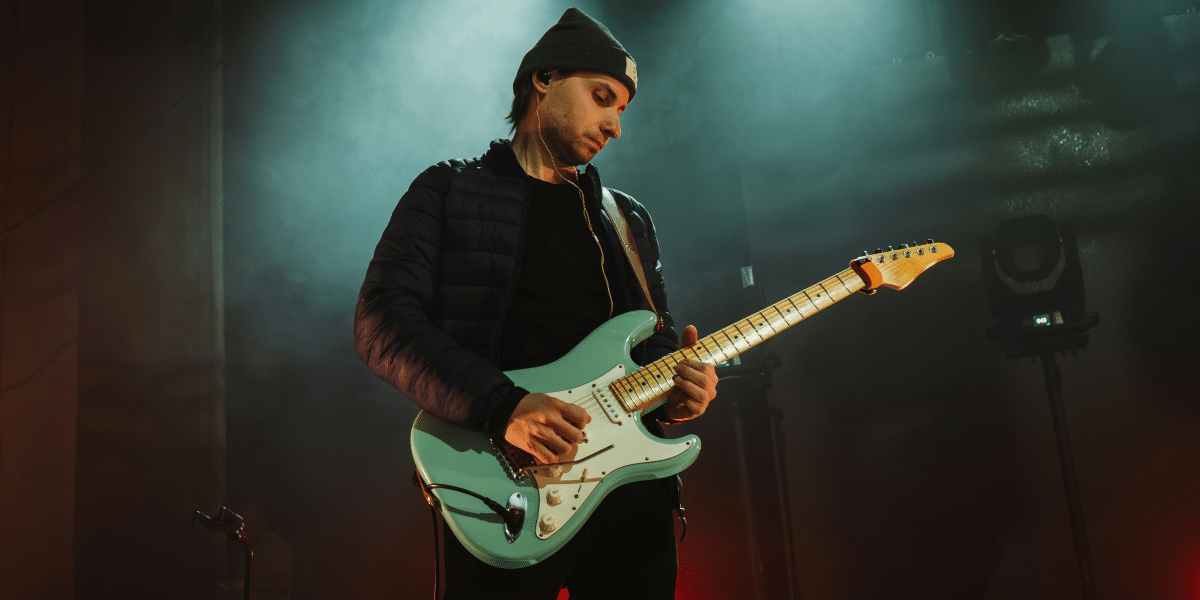
San Francisco’s streets come alive with the rhythmic pulse of street performers, turning ordinary sidewalks into stages for extraordinary talent. From drum circles in Golden Gate Park to solo guitarists near Fisherman’s Wharf, the city’s diverse music scene spills onto the streets, creating an immersive experience for both locals and visitors.

Imagine wandering through Union Square, where the sweet melodies of a saxophone blend with the cheerful tunes of a street pianist. It’s a symphony of sounds, and each street performer adds their unique note to the city’s soundtrack. The beauty lies in the spontaneity and diversity, creating a harmonious cacophony that mirrors San Francisco’s rich cultural tapestry.

From Murals to Live Painting

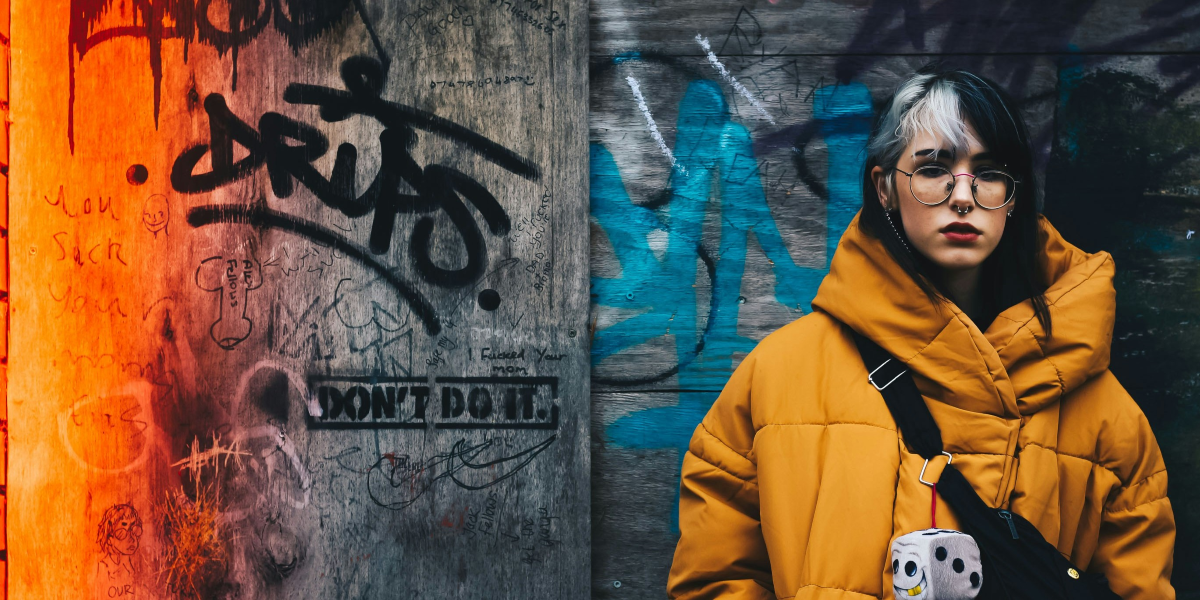
San Francisco’s streets are more than just a stage for musicians; they’re also a canvas for visual artists. Murals adorn buildings, transforming ordinary facades into vibrant works of art. Local artists set up their easels in parks, capturing the essence of the city through live painting sessions. It’s an open-air gallery, inviting passersby to pause and appreciate the creativity that colors the streets.

Every mural tells a story, and every stroke of the paintbrush contributes to the city’s narrative. From the iconic “Women’s Building” mural in the Mission District to the ever-evolving works in Clarion Alley, street art in San Francisco is a dynamic expression of culture, activism, and individuality.

Performances on Every Corner

San Francisco’s commitment to diversity extends to its street performances. On any given day, you might encounter a breakdancer showcasing gravity-defying moves in Chinatown or a group of flamenco dancers adding a touch of Spain to the Embarcadero. The city’s streets become a dance floor where cultural boundaries blur, and artistic expression knows no limits.

Whether it’s a classical ballet performance in the heart of the Financial District or a modern dance troupe in the Castro, San Francisco’s streets embrace an inclusive stage. Street performances become a celebration of different cultures, welcoming everyone to join the dance and experience the city’s cultural mosaic.

Where to Find the Action

To immerse yourself in the world of San Francisco’s street performers and artistic expressions, venture to popular spots like Fisherman’s Wharf, Union Square, and the lively neighborhoods of the Mission and Haight-Ashbury. Follow the music, seek out the murals, and let the city guide you through its kaleidoscope of creativity.

For a memorable experience, be sure to carry some cash to show your appreciation for the talented performers. Feel free to engage with the artists, ask about their craft, and let the rhythm of the streets become the soundtrack to your San Francisco adventure.

The Artful Heartbeat of San Francisco

In San Francisco, entertainment isn’t confined to theaters or concert halls; it spills out into the streets, creating a dynamic and ever-changing spectacle. Street beats and artistic expressions turn the city into a living, breathing masterpiece, inviting everyone to be a part of its vibrant heartbeat. So, next time you find yourself in the City by the Bay, follow the music, enjoy the art, and let the streets of San Francisco be your stage.

Electric Guitar: Introduction to Electric Guitars and Amplifiers

Know Your Gears

Electric guitars and amplifiers are essential components of modern music, providing players with a wide range of tones and sounds to explore. Whether you’re a beginner picking up the instrument for the first time or an experienced guitarist looking to expand your sonic palette, understanding the basics of electric guitars and amplifiers is essential. In this guide, we’ll cover the fundamentals of electric guitars, amplifiers, and how they work together to create music.

1. Electric Guitars

Electric guitars differ from acoustic guitars in that they require amplification to produce sound. They typically have a solid body, which allows for greater sustain and feedback resistance compared to acoustic guitars. Here are some key components of electric guitars:

Body:

  • The body of an electric guitar is typically made of wood, such as mahogany, alder, or ash.
  • Different body shapes and styles can affect the guitar’s tone and playability.

Pickups:

  • Pickups are electromagnetic devices that capture the vibrations of the guitar strings and convert them into electrical signals.
  • Common types of pickups include single-coil and humbucker pickups, each offering unique tonal characteristics.

Bridge and Tremolo System:

  • The bridge of the guitar holds the strings in place and determines their height and intonation.
  • Some electric guitars feature a tremolo system, also known as a whammy bar, which allows players to bend the pitch of notes.

2. Amplifiers

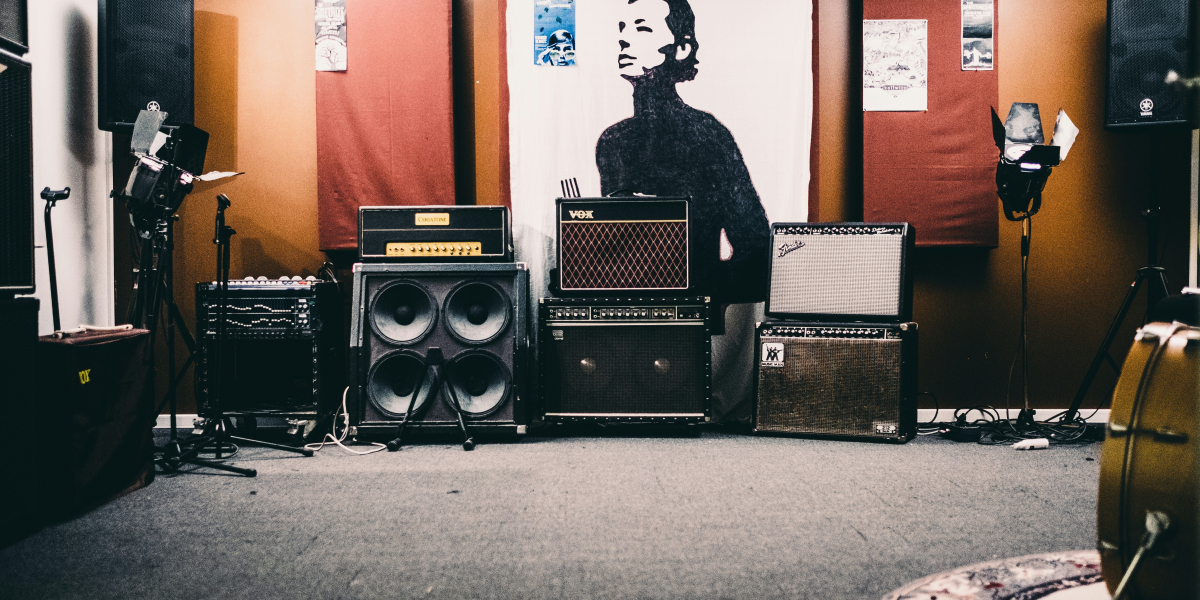
Amplifiers are electronic devices that take the electrical signal from the guitar pickups and increase its power and volume. They also shape the tone of the guitar signal through various controls and settings. Here are the main components of guitar amplifiers:

Preamp:

  • The preamp section of an amplifier amplifies the weak electrical signal from the guitar pickups.
  • It also contains tone controls, such as bass, midrange, and treble, which allow players to shape the sound of their guitar.

Power Amp:

  • The power amp section of an amplifier further amplifies the signal from the preamp and drives the speakers.
  • It determines the overall volume and headroom of the amplifier.

Speaker:

  • The speaker is the component of the amplifier that converts the electrical signal into sound waves.
  • Different types and sizes of speakers can have a significant impact on the amplifier’s tone and projection.

3. How They Work Together

Electric guitars and amplifiers work together to produce the desired sound and tone. The guitar’s pickups capture the vibrations of the strings and send them to the amplifier, where they are amplified and shaped by the amplifier’s circuitry. Players can adjust the amplifier’s settings to dial in their preferred tone, whether they’re aiming for a clean, pristine sound or a gritty, overdriven tone.

Electric guitars and amplifiers are essential tools for guitarists of all levels. By understanding the basics of how electric guitars and amplifiers work, you can better appreciate their role in shaping your sound and musical expression. Whether you’re exploring different guitar tones, experimenting with effects pedals, or rocking out on stage, electric guitars and amplifiers offer endless possibilities for creativity and sonic exploration.

How Silicon Valley Shaped San Francisco’s Fashion and Design Scene

Tech-Inspired Fashion Trends

Hey there, trendsetters and style aficionados! Let’s dive into the fascinating world where tech meets fashion in the bustling streets of San Francisco. From sleek Silicon Valley startups to edgy design studios, the tech industry has left an indelible mark on the city’s fashion and design scene. So buckle up and get ready to explore the impact of tech on San Francisco’s sartorial landscape.

When you think of Silicon Valley, fashion might not be the first thing that comes to mind – but that’s starting to change. As tech companies like Apple, Google, and Facebook become synonymous with innovation and creativity, their influence is spilling over into the world of fashion. From futuristic fabrics and wearable tech gadgets to minimalist aesthetics and sleek silhouettes, Silicon Valley style is all about blending form and function in unexpected ways.

The Rise of Casual Tech Wear

In Silicon Valley, the dress code is anything but traditional. Forget power suits and pencil skirts – techies prefer a more laid-back approach to dressing, favoring comfortable basics like jeans, t-shirts, and hoodies. This “startup chic” aesthetic has become increasingly popular in San Francisco, where casual attire is the norm and individuality reigns supreme. It’s all about expressing yourself and feeling comfortable in your own skin, whether you’re coding at a coffee shop or brainstorming ideas in a coworking space.

Tech’s Influence on Fashion and Apparel

But the tech industry’s impact on San Francisco’s fashion scene goes beyond just clothing – it’s also changing the way we think about design and innovation. Tech companies are embracing the principles of design thinking and user-centered design to create products that are not only functional but also beautiful and intuitive. From smartphone apps and websites to packaging and branding, tech-inspired design is everywhere you look in San Francisco, infusing the city with a sense of creativity and innovation.

In San Francisco, collaboration is key – and nowhere is that more evident than in the intersection of tech and fashion. Designers, engineers, and entrepreneurs are coming together to create groundbreaking products and experiences that blur the lines between fashion and technology. Whether it’s a high-tech fashion show featuring interactive displays and digital projections or a collaborative pop-up shop showcasing the latest in wearable tech, these partnerships are driving innovation and pushing the boundaries of what’s possible in both industries.

Tech’s Role in Eco-Friendly Fashion

As concerns about sustainability and environmental impact continue to grow, the tech industry is stepping up to the plate with innovative solutions for eco-friendly fashion. From fabric made from recycled materials to 3D printing techniques that minimize waste, tech companies are leading the charge towards a more sustainable future for the fashion industry. In San Francisco, eco-conscious consumers can find a wide range of options for ethically sourced and environmentally friendly clothing, thanks to the tech industry’s commitment to sustainability.

In the age of e-commerce and digital retail, the tech industry is transforming the way we shop for fashion in San Francisco and beyond. Online marketplaces, social media platforms, and virtual fitting rooms are changing the way consumers discover, purchase, and interact with clothing and accessories. From personalized recommendations based on your browsing history to virtual try-on experiences that let you see how clothes look before you buy, technology is making fashion more accessible and convenient than ever before.

Where Tech Meets Fashion in San Francisco

In conclusion, the tech industry has had a profound impact on San Francisco’s fashion and design scene, shaping everything from clothing trends and design aesthetics to retail experiences and sustainability practices. As the city continues to evolve as a hub for innovation and creativity, the intersection of tech and fashion will only become more pronounced, driving new opportunities for collaboration, creativity, and growth. So whether you’re a techie, a fashionista, or just someone who appreciates good design, there’s something for everyone to love in San Francisco’s tech-inspired fashion scene.

Zen Out: Easy Workouts for a Calmer Mind

Mindful Movement: Exercise with a Twist

Feeling stressed and looking for simple exercises that not only keep you fit but also bring peace to your mind? Let’s chat about stress-busting workouts – those easy-to-do activities that not only make you move but also help you find some calmness in the midst of your hectic routine.

Mindful fitness is about doing exercises while paying attention to how your body feels. It’s like moving your body while also giving your mind a break. Let’s explore some stress-busting workouts that are like a mini-retreat for your body and mind.

Cardio Magic: Happy Heart, Happy Mind

Cardio workouts, like brisk walking or dancing, can make you feel happy by boosting your heart rate. When done mindfully, they’re not just exercises but a rhythmic journey that can help you shake off stress and bring joy to your day.

Yoga: Stretch, Breathe, Relax

Yoga isn’t just about stretching your body; it’s also about breathing and letting go of tension. By trying some simple yoga poses, you can experience a sense of calmness that stays with you even after you’re done.

Pilates: Core Strength and Mental Focus

Pilates is known for making your core strong, but it’s more than just that. It’s about moving with control, breathing right, and focusing your mind. Doing Pilates can be like a mental refresh button.

Tai Chi: Slow Moves, Big Calm

Tai Chi, a slow and graceful exercise, is like a moving meditation. By moving slowly and coordinating your breath, it creates a peaceful experience that can help you unwind and find balance.

Strength Training: Lift Stress Away

Strength training isn’t just about muscles; it can also strengthen your mind. Lifting weights mindfully allows you to take a break from stress and appreciate what your body can do.

Dance Away Stress: Fun Fitness

Dancing isn’t just for special occasions; it’s a fantastic stress-buster. Whether you follow dance workouts or just groove to your favorite tunes, it releases happy vibes and lets you enjoy the moment.

Nature Walks: Breathe in, Stress Out

Taking a stroll in nature is a simple yet powerful way to de-stress. Breathing in fresh air while surrounded by greenery can be like a mini escape that leaves you feeling more relaxed.

Guided Meditation: Mindful Timeout

Guided meditation isn’t a traditional workout, but it’s like a workout for your mind. Using apps or online guides, you can engage in calming exercises that help you focus better and reduce stress.

Don’t feel pressured to stick to just one exercise routine. Mix and match different activities until you find a combination that brings you joy. The key is to enjoy the process and discover what makes you feel good inside and out.

Stress-busting workouts don’t have to be complicated; they’re about finding simple ways to move your body and soothe your mind. So, explore different exercises, listen to what your body likes, and relish the journey to a calmer mind and a healthier you. It’s the little steps that can lead to big impacts on your overall well-being.

Echoes of the Past: Exploring San Francisco’s Ghost Signs and Faded History

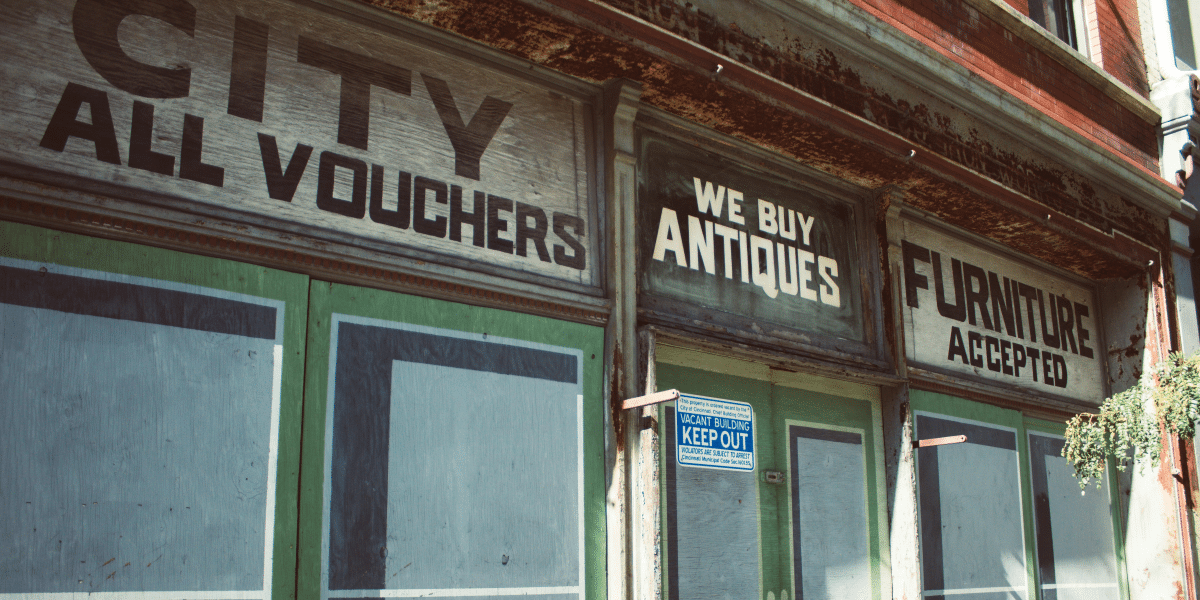
Cities are constantly evolving, but traces of the past remain if you know where to look. San Francisco, with its layers of history tucked amidst its steep hills, is a treasure trove for urban explorers captivated by those faded whispers of bygone eras. Think peeling advertisements painted on old brick walls, quirky relics of shops long gone, and architectural flourishes hinting at a different time and taste. Let’s become city detectives, piecing together the past through San Francisco’s ghost signs and other remnants of history.

What are Ghost Signs?

Think of ghost signs as faded murals from the past. They aren’t those glossy billboards or slick digital ads that bombard us daily. They’re hand-painted, usually on weathered brick or the sides of old buildings. You might stumble upon a bold proclamation for a type of corset no modern woman would touch, a smiling cartoon character promoting a long-defunct cereal, or a chipped and peeling ad for a local tailor shop that vanished decades ago.

Ghost signs have a haunting charm. They’re colorful fragments of a world that has slipped from our grasp. They make us think about what products people craved in the 1930s, how companies pitched those items, and the artists who painstakingly painted enormous advertisements without the help of fancy technology. Ghost signs become little portals to the past.

But ghost signs offer more than a dose of nostalgia. “They add to the character of a street, a way for a building to tell a story that goes beyond its current tenants,” observes a blogger obsessed with documenting ghost signs. Cities are dynamic, and ghost signs are little reminders of this constant evolution – of what once was, and how the things we value change over time.

Where to Find San Francisco’s Ghost Signs

Certain neighborhoods are better hunting grounds than others:

  • SoMa (South of Market): Think old warehouses, brick factory buildings – the kind of places with plenty of wall space begging for advertisements. SoMa’s past was grittier, more industrial, and that’s reflected in the ghost signs you’ll find. Look for faded ads for rugged work boots, long-defunct machinery companies, or products that catered to the blue-collar workers who once dominated the area. It’s a visual reminder of how San Francisco’s economy has shifted over the decades.

  • Chinatown: Faded Chinese characters painted on the sides of buildings tell their own story. They point to the businesses that once served this historic neighborhood – grocery stores, tea shops, restaurants catering to a Chinese immigrant community. You might even stumble upon bilingual ghost signs, reflecting how demographics have shifted, with English lettering layered over older Chinese characters.

  • The Mission: This neighborhood has always been a dynamic mix of cultures and waves of change. Its ghost signs reflect this. You’ll spot hand-painted signs for taquerias that have been neighborhood staples for decades, quirky ads for vintage clothing stores long replaced by trendy cafes, and maybe even a fading sign for a silent movie theater that couldn’t survive the talkies. The Mission’s ghost signs highlight the constant state of evolution this neighborhood embraces.

Ghost signs are the most obvious clues to San Francisco’s past, but the city’s full of subtler hints for those who know how to look. Take those ornate wrought-iron balconies you find in North Beach. They transport you to Italy for a moment. They speak to a time when the neighborhood was home to a large Italian immigrant community, giving it a distinctly European flavor. Or maybe you spot a grand Victorian home, with its colorful “Painted Lady” exterior, sandwiched between sleek modern condos… an echo of the city’s boomtown gold-rush era.

Sometimes, it’s the details above your head that tell the real story. Keep an eye out for vintage shop signs hanging above storefronts. The business might be a trendy third-wave coffee shop, but that faded metal sign with its groovy 1970s font? It might whisper clues about the shop’s previous life as a disco-era record store. These signs add a layer of visual history to the streetscape.

San Francisco’s hidden history is sometimes even under your feet! Ever wonder about those mysterious grooves running down certain residential streets? They’re remnants of old cable car lines, a reminder that before tech buses, there was a complex system of streetcars that moved people around the city. Or that single ornate Victorian lamppost seemingly at odds with the rest of the block? It’s likely a last vestige of the city’s gaslight era, a relic from a very different time. “Paying attention to these small details is like going on a treasure hunt through time,” says an avid urban explorer with an unquenchable curiosity about her city.

What the Past Tells Us

The charm of ghost signs and SF’s other clues to yesterday goes beyond just the visual. They make us think about the changing rhythms of a neighborhood. That empty lot on the corner where a vibrant ad for a 1920s soda company lingers? It could have been a bustling factory, a family-owned shop, or even an amusement park in its past life.

Noticing these remnants helps us appreciate the constant evolution of cities. San Francisco’s tech boom may capture the headlines, but those fading advertisements for local shoe repair shops and neighborhood butchers reminds us of the layers of commerce and community that have shaped the city over time.

Exploring San Francisco’s ghost signs and faded remnants isn’t just about the history; it’s about training your eye to see your surroundings in a new light. Next time you’re walking down a familiar street, pause, look up, and let those seemingly mundane details of the urban landscape spark your imagination.

“Seeking out the traces of the past helps us build a richer connection to the city we live in,” says a preservationist with a passion for saving San Francisco’s historical signage. “It fosters a sense of place and reminds us we’re temporary residents in a city with a story much longer than our own.”

Guitar Amplification: Understanding Amp Types, Settings, and Sound Reinforcement

Understanding Amp Types

Guitar amplification plays a crucial role in shaping the sound of your electric guitar. Whether you’re playing live on stage or practicing at home, understanding the different types of guitar amps, their settings, and how to properly amplify your guitar can greatly enhance your playing experience. In this guide, we’ll explore the fundamentals of guitar amplification and provide tips for optimizing your amp setup.

1. Types of Guitar Amps

Tube Amps:

  • Known for their warm, vintage sound.
  • Utilize vacuum tubes to amplify the guitar signal.
  • Preferred by many professional guitarists for their rich tone and dynamic response.

Solid-State Amps:

  • Use transistors instead of tubes for amplification.
  • Known for their reliability and affordability.
  • Offer a cleaner, more consistent sound compared to tube amps.

Modeling Amps:

  • Emulate the sound of various amplifier types and effects.
  • Offer versatility and flexibility for different musical styles.
  • Often equipped with built-in effects and amp modeling software.

2. Amp Settings

Gain:

  • Controls the amount of distortion or overdrive in your guitar signal.
  • Adjust to achieve the desired level of crunch or distortion for your playing style.

EQ (Equalization):

  • Consists of bass, middle, and treble knobs for shaping the tone of your guitar.
  • Experiment with different EQ settings to find the right balance for your sound.

Volume:

  • Controls the overall output level of the amp.
  • Adjust to balance the volume of your guitar with other instruments or backing tracks.

3. Effects and Signal Processing

Reverb:

  • Adds depth and spaciousness to your guitar sound.
  • Adjust the reverb level to create a sense of ambience or room size.

Delay:

  • Creates echoes or repeats of your guitar signal.
  • Adjust the delay time and feedback to control the timing and number of repeats.

Distortion/Overdrive:

  • Adds grit and sustain to your guitar tone.
  • Experiment with different distortion pedals or amp settings to find your desired level of crunch.

4. Sound Reinforcement

Microphone Placement:

  • Position microphones close to the guitar amp speaker for optimal sound capture.
  • Experiment with different mic placements to find the best balance of tone and clarity.

Direct Recording:

  • Use a direct box (DI) or audio interface to capture the guitar signal directly from the amp.
  • Provides a clean, uncolored signal for recording or live sound reinforcement.

Stage Monitoring:

  • Use stage monitors or in-ear monitors to hear your guitar sound while performing on stage.
  • Adjust the monitor mix to hear yourself and other instruments clearly.

Understanding guitar amplification is essential for achieving the desired tone and sound quality from your electric guitar. Whether you prefer the vintage warmth of tube amps, the reliability of solid-state amps, or the versatility of modeling amps, knowing how to optimize your amp settings and use effects effectively can take your playing to the next level. Experiment with different amp types, settings, and sound reinforcement techniques to find your unique sound and style.

The Impact of San Francisco’s LGBTQ+ Artists, Writers, and Performers

Queer Creativity: A Legacy of Innovation

Hey there, art lovers and culture enthusiasts! Get ready to dive into the vibrant and diverse world of San Francisco’s LGBTQ+ artists, writers, and performers. From iconic drag queens to groundbreaking authors, the city by the bay has long been a haven for creativity and expression within the LGBTQ+ community. So grab a seat and let’s celebrate the cultural influence of these trailblazing individuals who have left an indelible mark on San Francisco’s artistic landscape.

San Francisco has a long history as a center of LGBTQ+ culture and activism, and nowhere is that more evident than in the city’s thriving arts scene. From the colorful murals of the Castro District to the avant-garde performances of the Mission’s theaters, queer artists have played a central role in shaping the city’s cultural identity. Their creativity, resilience, and willingness to push boundaries have paved the way for a new generation of LGBTQ+ artists to thrive.

The Legacy of Drag Culture

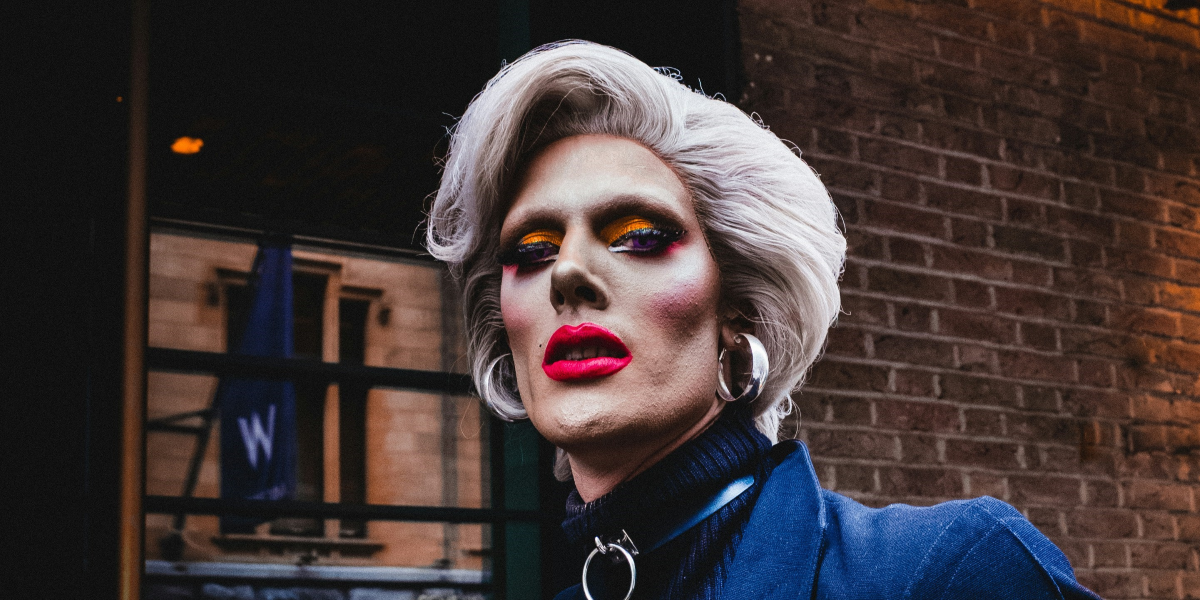
When it comes to LGBTQ+ art and performance, drag culture is front and center in San Francisco. From the legendary performances at the Stud to the glittering extravaganzas of the annual Pride Parade, drag queens and kings have been entertaining audiences and challenging gender norms for decades. These larger-than-life personalities use their artistry and charisma to shine a spotlight on issues of identity, acceptance, and self-expression, inspiring countless others to embrace their true selves.

Literary Legends: LGBTQ+ Writers and Poets

San Francisco has also been home to a vibrant community of LGBTQ+ writers and poets who have used their words to shed light on the queer experience. From the poetry of Allen Ginsberg to the novels of Armistead Maupin, these literary luminaries have captured the spirit of San Francisco’s LGBTQ+ community with wit, insight, and heart. Their stories and poems have served as a beacon of hope and inspiration for generations of queer individuals seeking to find their place in the world.

Visual Pioneers: LGBTQ+ Artists and Photographers

In addition to drag performers and writers, San Francisco is also home to a diverse array of LGBTQ+ visual artists and photographers whose work explores themes of identity, sexuality, and social justice. From the provocative sculptures of Robert Mapplethorpe to the vibrant paintings of Keith Haring, these artists use their creativity to challenge stereotypes and break down barriers, creating space for queer voices to be heard and celebrated.

Stage Stars and Screen Icons: LGBTQ+ Performers in Film and Theater

San Francisco’s LGBTQ+ influence extends beyond the stage and onto the silver screen, where queer performers have left an indelible mark on the world of film and theater. From Harvey Milk’s historic political campaigns to the groundbreaking productions of the Cockettes, San Francisco has been a breeding ground for LGBTQ+ talent and innovation. Today, the city continues to be a hub for LGBTQ+ filmmakers, actors, and playwrights who are pushing the boundaries of representation and storytelling.

But San Francisco’s LGBTQ+ cultural influence isn’t just limited to individual artists and performers – it’s also woven into the fabric of the city’s community spaces and organizations. From the LGBTQ+ Community Center to the GLBT Historical Society, these institutions serve as vital hubs for education, activism, and celebration within the queer community. They provide resources, support, and a sense of belonging for LGBTQ+ individuals and allies alike, ensuring that San Francisco remains a welcoming and inclusive city for all.

As we look ahead to the future, it’s clear that the cultural influence of San Francisco’s LGBTQ+ artists, writers, and performers will continue to shape the city’s identity for years to come. Their creativity, resilience, and commitment to authenticity serve as a beacon of hope and inspiration for future generations of LGBTQ+ individuals seeking to make their mark on the world. So let’s celebrate the diversity and vibrancy of San Francisco’s queer community – because when we embrace our differences, we all shine a little brighter.

Mission Burrito Madness: Unwrapping the Origins and Ultimate Eats in San Francisco

This foil-wrapped behemoth is more than a meal; it’s a culinary icon. Let’s explore its roots, dissect its essential components, and fuel the debate over who reigns supreme.

SAN FRANCISCO, California – San Francisco is renowned for sourdough, Dungeness crab, and tech giants, but for many, its true culinary star is the mighty Mission burrito. This hefty, foil-wrapped package of rice, beans, meat, and countless toppings has achieved legendary status, but its precise origins remain deliciously contested.

The Birth of a Beast: Two Competing Claims

The Mission burrito explosion traces back to the 1960s in San Francisco’s Mission District. Two taquerias lay claim to its invention:

  • El Faro: This corner spot boasts of creating the first “super burrito” – an amped-up version of a regular burrito, with added rice, beans, and other goodies to satisfy hungry workers.
  • La Cumbre: Just down the street, La Cumbre contends that their 1969 addition of steamed rice, making the burrito easier to eat and maximizing its fillings, was the game-changer.

Regardless of who truly sparked the trend, the Mission burrito captured the bold, no-nonsense spirit of its neighborhood and the unpretentious tastes of the city.

Anatomy of a Mission Burrito

While variations exist, a true Mission burrito adheres to certain non-negotiables:

  • The Tortilla: A large flour tortilla, pliable and preferably steamed for ultimate stretchiness, is essential to contain the bounty within.
  • Rice and Beans: The foundation of every great Mission burrito. Pinto beans are classic, though black beans are often offered.
  • Your Meat (or Not): Carne asada (grilled steak) is king, but carnitas (shredded pork), chicken, or vegetarian options abound.
  • Supercharged Flavor: Salsa is a must, guacamole often costs extra, and a generous dose of bright yellow sour cream is the signature Mission touch.
  • Foiled to Perfection: That tight foil wrapping isn’t just for show – it helps meld the flavors and makes for (slightly) less messy eating.

The Best Burrito Brawl

Asking a San Franciscan their favorite burrito spot is akin to asking a New Yorker about pizza. Opinions are fierce and unwavering. Here’s a taste of the usual suspects:

  • The Classics: El Faro and La Cumbre still draw loyal crowds for their old-school approach and generous portions.
  • Neighborhood Favorites: Papalote, Taqueria Cancun, and El Farolito each have fanatical followings for their variations on the classic.
  • The Outlier: Little Chihuahua earns raves for its unconventional but harmonious ingredients, proving the Mission burrito remains a canvas for innovation.

The Mission Burrito’s Spread

Like sourdough starters escaping the Bay Area, the Mission burrito’s influence is undeniable:

  • West Coast Staple: From Seattle to San Diego, burrito joints sling variations inspired by the SF giant, though with regional tweaks in evidence.
  • The Chipotle Phenomenon: While often derided by purists, the Chipotle chain undeniably mainstreamed and commercialized the Mission burrito template.
  • DIY Craze: The pandemic fueled a surge in people perfecting their Mission burrito-making skills at home.

Is It Even Really Mexican?

Food purists might balk at the Mission burrito’s authenticity. Its super-sized nature and certain ingredients stray from traditional Mexican burrito styles. However, its roots lie in the Bay Area’s thriving Mexican-American community, adapting and remixing flavors to suit local appetites and resources. It reflects California’s history as a place of culinary fusion.

Beyond Just a Meal

The Mission burrito endures for reasons beyond its heft and flavor:

  • Late-Night Staple: Its ability to soak up after-hours revelry makes it a beloved fixture of San Francisco nightlife.
  • Affordability in a Pricey City: While gourmet versions exist, a classic Mission burrito remains a satisfying meal that’s relatively wallet-friendly.
  • Symbol of a City: The Mission burrito, in all its messy, satisfying glory, mirrors the unpretentious and proudly diverse spirit of its namesake district.

Whether you side with El Faro or La Cumbre, relish the bold flavors of a Papalote, or seek out the newest contender – the quest for the perfect Mission burrito is a delicious reflection of San Francisco itself: a vibrant mix of tradition, innovation, and the endless pursuit of satisfying your soul as much as your stomach.

Vocal Resonance: Enhancing Resonance for a Fuller Sound

Understanding Vocal Resonance

Hey there, fellow singers! Have you ever wondered how to make your voice sound fuller and more resonant? Well, you’re in luck because in this article, we’re going to explore the wonderful world of vocal resonance and how you can enhance it to achieve a richer, more powerful sound. Whether you’re singing in the shower or performing on stage, mastering vocal resonance will take your singing to the next level and captivate your audience with your beautiful, full-bodied voice.

Before we dive into the tips for enhancing resonance, let’s talk about what vocal resonance actually is. Resonance refers to the amplification and enrichment of sound produced by vibrations in the vocal tract. When you sing, sound waves travel through your vocal cords and into your throat, mouth, and nasal cavities, where they are amplified and enriched by resonant frequencies. The resulting sound is what gives your voice its unique timbre and character.

Open Up Your Throat

One of the most effective ways to enhance vocal resonance is to open up your throat and create more space for sound to resonate. Imagine that you’re yawning or sighing, and allow your throat to relax and expand. This will help to prevent tension and constriction, allowing your voice to flow freely and resonate more fully. Practice singing with an open throat by inhaling deeply and exhaling on a relaxed “ah” or “oh” sound, feeling the vibrations resonate throughout your throat.

Breath support is another key factor in enhancing vocal resonance. Your breath provides the power and energy behind your voice, so it’s important to use it effectively to maximize resonance. Practice diaphragmatic breathing by taking deep breaths into your abdomen and allowing your diaphragm to expand downward. This will create a steady stream of airflow to support your voice and enhance resonance. Focus on maintaining steady breath control as you sing, allowing your voice to soar with ease and power.

Experiment with Placement

Experimenting with vocal placement can also help enhance resonance and create a fuller sound. Vocal placement refers to the location in your vocal tract where you feel the vibrations of your voice most strongly. Try adjusting the placement of your voice by raising or lowering your soft palate, moving your tongue forward or backward, or shifting the focus of your sound to different parts of your mouth or throat. Listen carefully to how these adjustments affect the resonance of your voice, and find the placement that produces the fullest, most resonant sound.

Regular vocal exercises are essential for developing and maintaining vocal resonance. Incorporate exercises that focus on resonance, such as sirens, lip trills, and vowel exercises, into your daily practice routine. These exercises help to strengthen your vocal muscles, improve breath control, and optimize resonance for a fuller, more resonant sound. Practice these exercises regularly to build vocal resonance and maintain a strong, healthy voice.

Relax and Release Tension

Finally, it’s important to relax and release tension in your body and voice to enhance resonance. Tension and strain can interfere with the natural vibrations of your vocal cords and inhibit resonance. Practice relaxation techniques such as gentle stretching, massage, and deep breathing to release tension in your body and voice. Allow your voice to flow freely and effortlessly, and focus on singing with ease and relaxation. By letting go of tension and embracing relaxation, you can unlock the full potential of your voice and achieve optimal resonance.

Vocal resonance is the key to achieving a fuller, more powerful sound in singing. By opening up your throat, focusing on breath support, experimenting with placement, practicing vocal exercises, and relaxing and releasing tension, you can enhance resonance and create a beautiful, resonant sound that captivates your audience. So keep these tips in mind as you practice and perform, and get ready to wow the world with your beautifully resonant voice!