Stepping into Japantown: Preserving Culture and Community in the US

Across the United States, vibrant Japantowns stand as testaments to Japanese American heritage, resilience, and cultural exchange. These historic neighborhoods, while dwindling in number, offer immersive experiences. Visitors can savor authentic cuisine, discover traditional crafts, and witness the enduring strength of a community that has faced both discrimination and celebration.

A Brief History of Japantowns

The first Japanese immigrants arrived in the US in the mid-19th century, settling primarily on the West Coast. Communities began to flourish, creating ethnic enclaves where traditions could be maintained and businesses thrived. These became known as Japantowns or Nihonmachi (“Japan Town”).

Sadly, the forced internment of Japanese Americans during World War II decimated many of these neighborhoods. After the war, only a few were able to fully rebuild. Today, just three major Japantowns remain in the United States: in San Francisco, San Jose, and Los Angeles. These historic districts serve as crucial touchstones for Japanese American culture and offer a glimpse into Japanese traditions for the broader public.

Exploring a Modern Japantown

While each Japantown boasts a distinct personality, here’s what you’re likely to discover:

  • Cuisine Beyond Sushi: While sushi spots abound, Japantowns offer a deeper dive into Japanese food. Seek out steaming bowls of ramen, homestyle donburi rice bowls, delicate wagashi (traditional sweets), and regional specialties rarely found outside Japan.
  • Unique Shopping: Browse shops specializing in Japanese ceramics, handcrafted stationery, anime and manga collectibles, kimono fabrics, and quirky imported snacks.
  • Traditional Arts and Crafts: Japantowns may host demonstrations of taiko drumming, calligraphy, tea ceremonies, or seasonal festivals highlighting Japanese arts and culture.
  • Architectural Details: Look for architectural elements like traditional gates (torii), Japanese gardens, and historic buildings with signage evoking a sense of stepping into another world.
  • Community Hubs: Japantowns are more than just tourist spots; they are vital anchors for the Japanese American community. They often house cultural centers, temples, and organizations that preserve heritage and offer support services.

San Francisco Japantown: A Legacy Endures

One of the oldest and largest Japantowns, San Francisco’s neighborhood boasts a rich history:

  • Peace Pagoda: This five-tiered concrete pagoda, a gift from San Francisco’s sister city Osaka, is a symbol of peace and a striking landmark within the Japantown Peace Plaza.
  • Japan Center Malls: These expansive indoor malls are a treasure trove of Japanese restaurants, shops, and cultural exhibits.
  • Annual Festivals: Don’t miss the vibrant Cherry Blossom Festival in the spring or the Nihonmachi Street Fair celebrating Japanese American culture.

Japantowns face the pressures of gentrification, rising costs, and an aging Japanese American population. Supporting these living historic districts is vital:

  • Shop and Dine Local: Support the family-owned businesses run by Japanese Americans that are the lifeblood of Japantown.
  • Attend Events and Festivals: Immerse yourself in the community’s cultural celebrations throughout the year.
  • Learn the History: Understand the struggles Japanese Americans faced and how Japantowns persevered as symbols of resilience.

Experiencing a Japantown means more than just sightseeing. It’s engaging with history, savoring authentic flavors, appreciating time-honored traditions, and supporting a community that has woven itself into the fabric of American cities. Whether you’re seeking delicious eats, unique finds, or a deeper cultural connection, a visit to Japantown offers a journey without leaving the country.
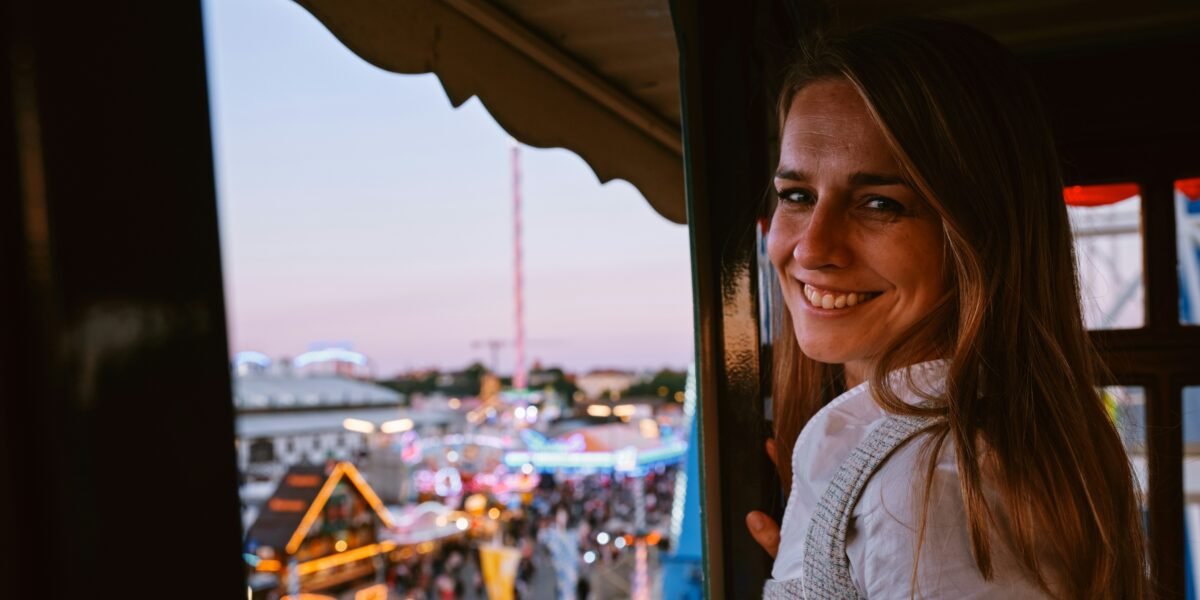

Folsom Street Fair 2024: What to Expect at This Iconic San Francisco Event

The Folsom Street Fair is one of San Francisco’s most iconic events, taking place annually in the SoMa neighborhood. Scheduled for September 28, 2024, this year’s fair promises to be as vibrant and inclusive as ever. Known as one of the world’s largest celebrations of leather and BDSM culture, Folsom Street Fair draws tens of thousands of attendees from all over the globe. If you’re planning to attend or just curious about what this unique event has to offer, here’s what you need to know.

What Is the Folsom Street Fair?

The Folsom Street Fair is more than just a street fair; it’s a cultural phenomenon that has been a staple in San Francisco for decades. First held in 1984, the event was originally created as a way to support the LGBTQ+ community and raise awareness about issues like HIV/AIDS. Over the years, it has grown into a massive celebration of leather, kink, and BDSM culture, attracting a diverse crowd of attendees who come together to express themselves freely in a safe and welcoming environment.

The fair takes place on Folsom Street, between 8th and 13th streets, in the heart of San Francisco’s SoMa neighborhood. This area is known for its historical significance to the LGBTQ+ community and its role in the city’s nightlife scene. On the day of the fair, the streets are closed to traffic, allowing participants to explore vendor booths, live performances, and interactive demonstrations. The event is open to anyone 18 years or older, and while the focus is on leather and BDSM, people from all walks of life are welcome to join in the festivities.

One of the unique aspects of the Folsom Street Fair is its emphasis on community and inclusivity. While the event is rooted in BDSM culture, it also serves as a platform for broader discussions about sexuality, freedom of expression, and human rights. Attendees are encouraged to respect one another’s boundaries and to celebrate diversity in all its forms. Whether you’re a longtime participant or a first-time visitor, you’ll find a welcoming and supportive atmosphere where everyone is free to be themselves.

What Can You Expect at the Folsom Street Fair 2024?

If you’re planning to attend the Folsom Street Fair in 2024, you’re in for an unforgettable experience. The fair is known for its eclectic mix of activities, ranging from live performances to vendor booths selling everything from leather gear to art and jewelry. The streets are lined with stages where performers showcase their talents, often pushing the boundaries of conventional art and entertainment. You’ll see everything from live music and DJs to burlesque shows and performance art, all contributing to the fair’s lively and energetic atmosphere.

Another highlight of the fair is the interactive demonstrations, which offer attendees the chance to learn more about BDSM practices in a safe and educational setting. Whether you’re curious about rope bondage, impact play, or other aspects of kink culture, there’s likely a demonstration that will pique your interest. These sessions are typically led by experienced practitioners who are happy to share their knowledge and answer any questions you might have.

In addition to the performances and demonstrations, the Folsom Street Fair is also a great place to shop for unique items. Vendors from around the world set up booths selling everything from handmade leather goods to fetish wear and accessories. Whether you’re looking to expand your collection or just browsing for something new, you’ll find plenty of options to choose from. Many vendors also offer custom fittings and made-to-order pieces, so you can find something that perfectly suits your style.

One thing to keep in mind when attending the fair is that it’s an adults-only event, and nudity is allowed. This is part of the fair’s commitment to freedom of expression, and it’s one of the reasons why the event is so beloved by its attendees. However, it’s important to remember that consent and respect are key values at the Folsom Street Fair, and everyone is encouraged to enjoy the event in a way that feels comfortable and safe for them.

How Can You Prepare for the Folsom Street Fair?

Preparing for the Folsom Street Fair is all about planning ahead and making sure you have everything you need for a great day. Since the fair is held outdoors, it’s a good idea to check the weather forecast and dress accordingly. While leather is the dominant theme, comfort is also important, especially if you’ll be walking around all day. Many attendees choose to wear comfortable shoes and bring sunscreen, as the fair can get quite sunny in the afternoon.

If you’re new to the Folsom Street Fair, it’s also helpful to familiarize yourself with the event’s code of conduct. The fair has a strong emphasis on consent, so be sure to ask before taking photos or engaging in any activities with others. It’s also a good idea to bring cash, as some vendors may not accept cards, and there are often donation-based activities that support local charities.

For those traveling from outside the area, booking accommodations early is recommended, as hotels in the SoMa neighborhood tend to fill up quickly. Public transportation is a convenient way to get to the fair, as parking in the area can be limited. The event organizers usually provide information on the best transit options, so be sure to check their website closer to the date.

Whether you’re a seasoned Folsom Street Fair attendee or planning your first visit, taking the time to prepare can help you make the most of this unique event. The Folsom Street Fair is a celebration of freedom, diversity, and self-expression, and it offers a one-of-a-kind experience that you won’t find anywhere else.

The Folsom Street Fair is a highlight of San Francisco’s cultural calendar, drawing tens of thousands of people to celebrate leather and BDSM culture in a vibrant and inclusive environment. With its mix of performances, demonstrations, and unique shopping opportunities, the fair offers something for everyone. As you prepare for this year’s event on September 28, 2024, remember to embrace the spirit of community, respect, and freedom that makes the Folsom Street Fair such a special and unforgettable experience.

San Francisco’s Waterfront: The Transformation of the Embarcadero and Fisherman’s Wharf

San Francisco’s waterfront is a vibrant and iconic part of the city, steeped in history and bustling with activity. Two key areas, the Embarcadero and Fisherman’s Wharf, have undergone significant transformations over the years, evolving from industrial and commercial hubs into popular tourist destinations and community spaces. Let’s explore how the Embarcadero and Fisherman’s Wharf have changed, the impact of these transformations, and what they offer today.

What Is the History of the Embarcadero?

The Embarcadero, which means “the place to embark” in Spanish, has a rich history that dates back to the 19th century. Originally, it was a busy port area serving the shipping and trade needs of San Francisco. During the Gold Rush, it was the primary gateway for thousands of people arriving in the city.

In the early 20th century, the construction of the Embarcadero Freeway drastically altered the waterfront. The elevated freeway, built in 1959, disconnected the city from its waterfront, creating a barrier between the bay and downtown San Francisco.

The 1989 Loma Prieta earthquake caused significant damage to the Embarcadero Freeway, leading to its eventual demolition in 1991. This marked the beginning of a major transformation, as the city seized the opportunity to reconnect with its waterfront and revitalize the area.

How Has the Embarcadero Transformed?

The demolition of the Embarcadero Freeway paved the way for the creation of a pedestrian-friendly waterfront. The Embarcadero was redeveloped with wide sidewalks, parks, public art, and the iconic Embarcadero Promenade. This transformation has made it a popular destination for both locals and tourists.

One of the standout features of the new Embarcadero is the Ferry Building. Originally built in 1898, the Ferry Building has been restored and now serves as a marketplace with a variety of shops, restaurants, and farmers’ markets. It has become a symbol of the Embarcadero’s revival, blending historic architecture with modern amenities.

The Embarcadero also hosts several public events and festivals throughout the year, further enhancing its appeal as a community space. From the Embarcadero Center’s winter ice skating rink to outdoor concerts and cultural festivals, there is always something happening along this scenic waterfront.

What Is the History of Fisherman’s Wharf?

Fisherman’s Wharf has long been associated with San Francisco’s maritime heritage. In the mid-1800s, it was a bustling hub for Italian immigrant fishermen who came to the city during the Gold Rush. They established a thriving fishing industry, particularly known for the famous Dungeness crab.

Over the years, Fisherman’s Wharf evolved from a working waterfront into one of San Francisco’s most popular tourist attractions. By the mid-20th century, it was known for its seafood restaurants, souvenir shops, and tourist activities.

How Has Fisherman’s Wharf Transformed?

While maintaining its historic charm, Fisherman’s Wharf has undergone significant modernization to cater to the needs of contemporary visitors. The area has been revitalized with new attractions, improved public spaces, and enhanced amenities.

One of the key transformations is the development of Pier 39. Opened in 1978, Pier 39 features a variety of shops, restaurants, and entertainment options, including the Aquarium of the Bay and the famous sea lions that bask on the docks. It has become a central attraction at Fisherman’s Wharf, drawing millions of visitors each year.

Fisherman’s Wharf has also focused on preserving its maritime heritage. The San Francisco Maritime National Historical Park, located at the western end of the wharf, offers visitors a chance to explore historic ships, maritime exhibits, and the Aquatic Park Bathhouse Building. This blend of history and modern attractions makes Fisherman’s Wharf a unique and engaging destination.

What Are the Highlights of the Embarcadero and Fisherman’s Wharf Today?

Today, the Embarcadero and Fisherman’s Wharf are vibrant areas that offer a mix of history, culture, and entertainment.

The Embarcadero is known for its scenic views of the Bay Bridge and the waterfront. The area is perfect for a leisurely stroll or a bike ride, with plenty of spots to stop and enjoy the scenery. The Ferry Building Marketplace is a must-visit for food enthusiasts, offering a diverse range of culinary delights from local vendors.

Fisherman’s Wharf remains a bustling destination, with its seafood restaurants, street performers, and waterfront attractions. Visitors can enjoy fresh seafood at places like Alioto’s or take a cruise around the bay to see Alcatraz and the Golden Gate Bridge up close. The Wax Museum, Madame Tussauds, and Ripley’s Believe It or Not! provide fun and quirky entertainment options.

How Do These Transformations Benefit San Francisco?

The transformations of the Embarcadero and Fisherman’s Wharf have brought numerous benefits to San Francisco. These revitalized areas attract millions of visitors annually, boosting the local economy through tourism and related businesses. They also provide public spaces that enhance the quality of life for residents, offering places to relax, exercise, and enjoy cultural activities.

Moreover, these transformations have preserved and celebrated San Francisco’s rich history. By blending the old with the new, the city has created dynamic areas that honor their past while meeting contemporary needs.

San Francisco’s waterfront, particularly the Embarcadero and Fisherman’s Wharf, showcases the city’s ability to evolve and innovate while preserving its historic roots. The transformations of these areas have turned them into thriving destinations that attract visitors from around the world and provide valuable public spaces for the community. As San Francisco continues to grow and change, the Embarcadero and Fisherman’s Wharf stand as enduring symbols of the city’s resilience and creativity.

San Francisco’s Sidewalk Stars: Meet the Buskers Bringing the City Streets to Life

San Francisco’s energy thrums with a rhythm all its own. It’s the clack of cable cars, the murmur of a dozen languages on the bustling sidewalks, and the ever-present soundtrack provided by the city’s vibrant busker scene. From virtuosic musicians to quirky performance artists, those who take their talents to the streets become as much a part of SF’s fabric as the Painted Ladies or the Golden Gate Bridge.

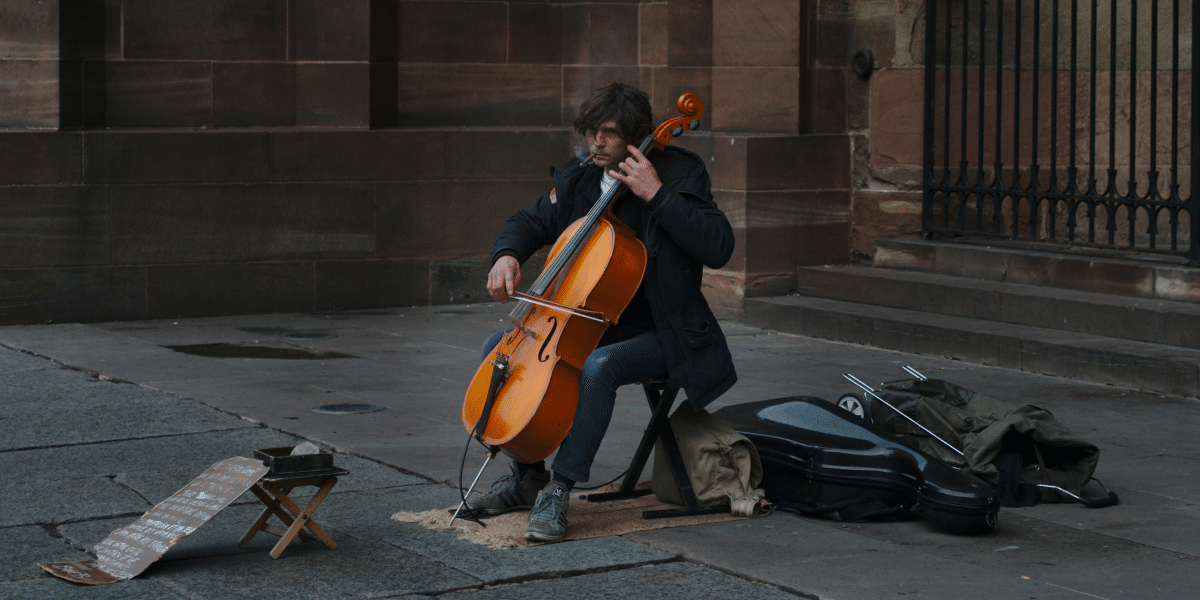
A bluesy guitar riff in Union Square, a juggler defying gravity outside a tourist-thronged pier, or the hypnotic beat of a bucket drummer holding court on a busy street corner – these buskers bring a unique energy to San Francisco.

“Busking isn’t just about performing; it’s interacting with the city itself,” says a veteran busker. “Your audience is constantly changing, the sounds of the street become part of your performance… it’s raw, it’s sometimes chaotic, it’s the pulse of San Francisco.”

Busking isn’t always easy. The competition for prime spots, the unpredictable weather, and the occasional less-than-appreciative passerby are part of the gig. “It builds character and teaches you how to hustle,” says a busking magician with a mischievous grin. “And when you get that crowd fully engaged, that energy flowing, well, there’s no feeling like it.”

There’s an unspoken etiquette in the world of busking. “You respect other performers’ space, you don’t drown out the musician down the block, and you become very good at spotting who’s going to drop a dollar in the hat,” says a seasoned busker. There’s camaraderie amidst the competition; seasoned performers offer advice to newbies, and impromptu jam sessions occasionally erupt, much to the delight of listeners.

The rewards of busking aren’t always monetary. Sometimes it’s the wide-eyed kid transfixed by your balloon animal creation. Other times, it’s an unexpected connection across cultures when your music becomes a universal language. “Some days you barely scrape up lunch money, and others you leave wondering how all those bills ended up in your case,” says a singer with a soulful voice. “But the chance to make someone smile, even for a moment? That’s always worth it.”

When the Sidewalk Becomes a Stage

The sheer diversity of SF’s buskers is a testament to the city’s creative spirit. Mimes defying the laws of physics for tips, living statues startling passing tourists, acrobats pulling off gravity-defying feats – the streets become a stage, and the unexpected is always around the corner.

Of course, buskers also tap into the city’s rich musical heritage. Jazz saxophonists filling the air with smoky melodies, folk duos strumming heartfelt ballads, and the infectious beat of Latin percussionists setting toes tapping – it’s the city’s soundtrack, delivered live and with a dose of heartfelt grit.

Ask any seasoned busker, and they’ll likely regale you with tales of the unexpected moments that make the hustle worthwhile. The elderly couple waltzing spontaneously to an old jazz standard, the impromptu dance party erupted because a mime was just that funny, or the generous soul who emptied their wallet after a performance moved them to tears.

“Busking teaches you a lot about human nature,” says a busker. “You learn to read a crowd, to adjust your act based on the vibe of the day. And you witness firsthand that a little music, a little laughter, goes a long way, no matter what else is going on in the world.”

San Francisco’s buskers aren’t just background entertainment; they’re cultural ambassadors, eccentric artists, and purveyors of those unexpected moments of joy that make the city so unique. The next time you’re strolling its streets, take a moment, drop a dollar in the hat, and appreciate the sidewalk stars who help SF’s heart beat a little louder.

San Francisco Residents’ Perspectives on Remote Work and the Office Return

How Do San Francisco Residents Feel About Remote Work?

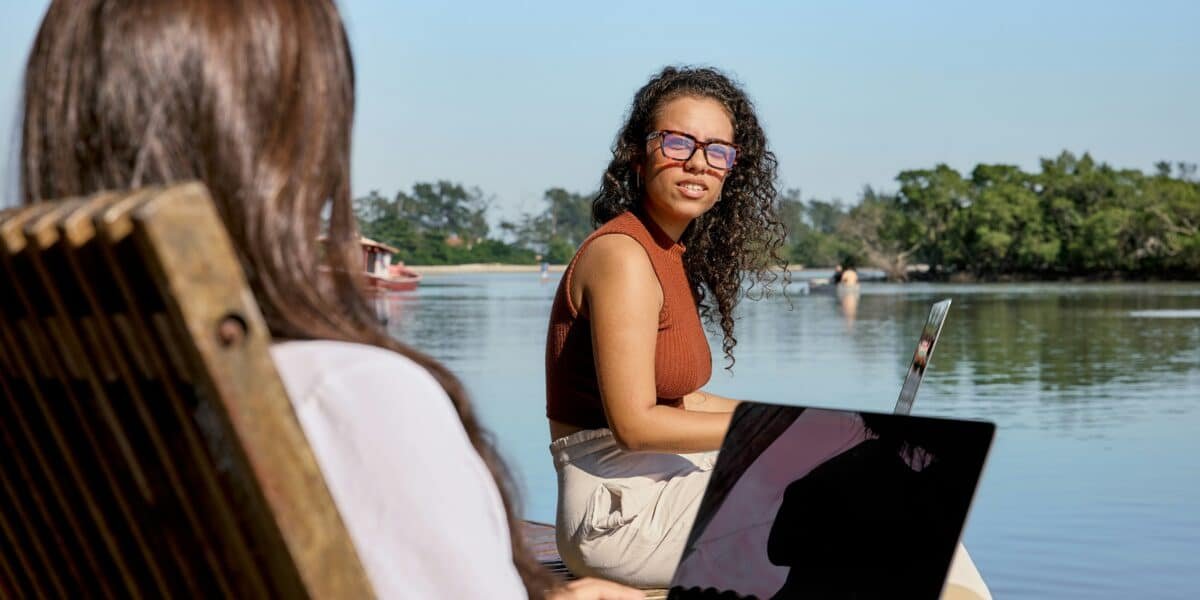
San Francisco, known for its thriving tech industry and bustling business districts, has seen significant changes in work culture over the past few years. The shift to remote work, driven largely by the pandemic, has transformed the way many residents approach their professional lives. While some have embraced the flexibility and convenience of working from home, others are eager to return to the office for a sense of normalcy and routine.

For many San Francisco residents, remote work has brought about a new work-life balance that was hard to achieve with long commutes and demanding office hours. The ability to work from home has allowed people to spend more time with family, pursue hobbies, and enjoy the city in ways they couldn’t before. This change has been particularly appealing to those who value flexibility and the ability to manage their own schedules. The reduction in daily commutes has also led to a less stressful lifestyle, allowing more time for personal activities and reducing overall fatigue.

On the other hand, not everyone is fully satisfied with remote work. Some San Francisco residents miss the social interaction and collaboration that comes with working in an office. The isolation of working from home can lead to feelings of loneliness and disconnect, particularly for those who thrive in a team-oriented environment. Additionally, the boundaries between work and personal life can blur, making it difficult for some to “clock out” and fully disconnect from their job. These challenges have led some workers to prefer a return to the office, where they can re-establish clear boundaries and enjoy a more structured day.

Why Is There a Push to Return to the Office?

The push to return to the office in San Francisco is influenced by several factors, including the desire for stronger team collaboration, the need for a professional work environment, and the impact on the city’s economy. Many businesses in San Francisco are encouraging employees to return to the office, believing that in-person work fosters creativity, innovation, and stronger relationships among colleagues. For companies, the office environment is seen as crucial for maintaining a cohesive company culture and facilitating spontaneous interactions that can lead to new ideas.

Another reason for the push to return to the office is the concern over productivity and focus. Some employees find it challenging to maintain the same level of productivity at home as they would in an office setting. The presence of household distractions, from children and pets to household chores, can make it difficult to stay focused on work tasks. For these workers, the office provides a space dedicated solely to work, helping them maintain concentration and productivity throughout the day.

The economic impact on San Francisco is also a significant factor in the return-to-office debate. The city’s downtown area, once bustling with workers, has seen a decline in foot traffic due to the rise in remote work. This shift has affected local businesses, from coffee shops and restaurants to retail stores, that rely on the patronage of office workers. A return to the office could help revive these businesses and support the city’s overall economy, which has been hit hard by the decrease in daily commuters.

How Is the Remote Work Debate Shaping San Francisco’s Future?

The ongoing debate over remote work versus returning to the office is shaping the future of work in San Francisco in profound ways. The city is at a crossroads, with residents and businesses weighing the benefits of remote work against the advantages of office-based work. As this debate continues, it is influencing not only work culture but also the economic and social dynamics of San Francisco.

One of the most significant changes is the potential for a hybrid work model to become the new norm. Many companies are considering a flexible approach that allows employees to split their time between home and the office. This model aims to provide the best of both worlds: the flexibility of remote work and the collaboration and structure of office work. For San Francisco residents, a hybrid model could offer a balanced approach, allowing them to enjoy the benefits of remote work while still maintaining a connection to the office.

The shift towards remote work is also prompting changes in how San Francisco residents use and value their living spaces. With more time spent at home, many people are investing in home offices, creating more functional and comfortable work environments. This trend is influencing the real estate market, as the demand for larger living spaces with dedicated work areas increases. The desire for outdoor space and quieter neighborhoods has also grown, leading some residents to consider moving away from the city center to areas that offer more space and a different pace of life.

Finally, the remote work debate is impacting the social fabric of San Francisco. The reduction in daily commutes and the shift to home-based work have changed how residents interact with their communities. Local businesses are adapting to serve a more home-based customer base, and community engagement is evolving as people spend more time in their neighborhoods. The long-term effects of these changes are still unfolding, but they are likely to have a lasting impact on how San Franciscans live and work.

The perspectives on remote work versus returning to the office among San Francisco residents are varied and complex. While some embrace the flexibility of working from home, others miss the structure and social aspects of office life. As the city navigates this new work landscape, the ongoing debate is influencing everything from work culture to the local economy and community dynamics. Whether the future of work in San Francisco leans towards remote, office-based, or a hybrid model, it’s clear that the way people work and live in the city is undergoing significant change.

Discover Unique Artisans at West Coast Craft Fair in San Francisco

The West Coast Craft Fair, held at the Fort Mason Center in San Francisco, celebrates the West Coast lifestyle and aesthetic, showcasing a wide range of handmade goods and creative works by talented artisans. This event has become a must-visit for anyone interested in design, craftsmanship, and the distinct style that the West Coast is known for. Whether you’re a local or just visiting the area, the West Coast Craft Fair offers a unique opportunity to explore beautiful, handmade items that reflect the creativity and spirit of the region.

What Makes West Coast Craft Fair Special?

The West Coast Craft fair is not just another craft market; it’s a carefully curated event that highlights the best artisans who embody the West Coast lifestyle. The fair features artists and makers who specialize in creating goods that are inspired by the natural beauty, relaxed vibe, and creative energy of the West Coast. This focus on local and regional influences is what sets the West Coast Craft fair apart from other markets.

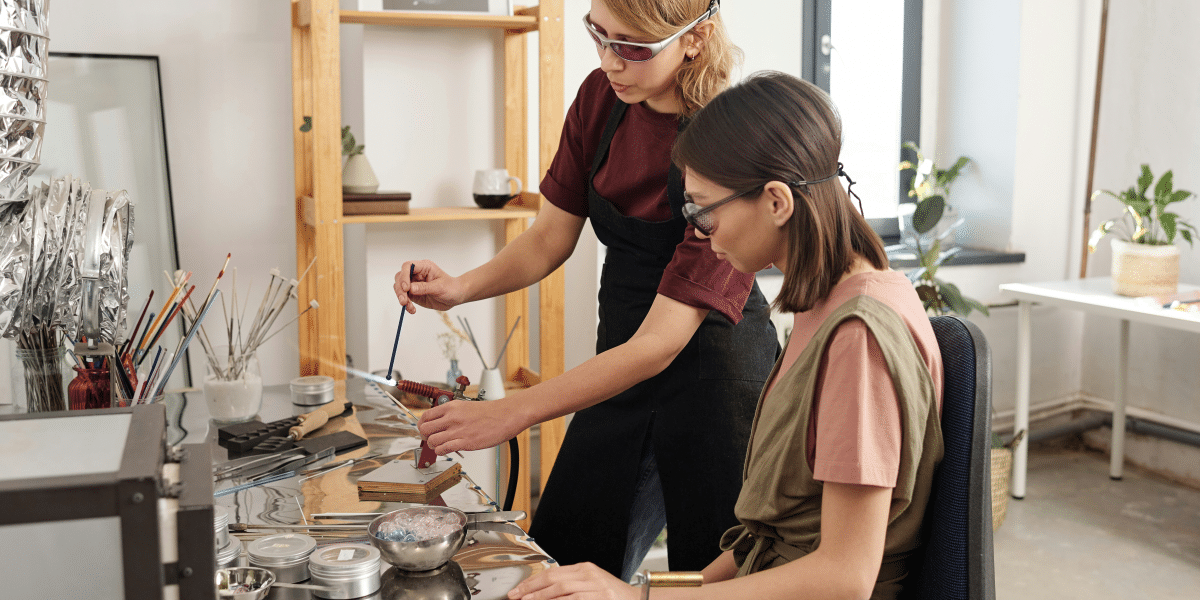
As you walk through the Fort Mason Center, you’ll encounter a diverse array of products, from handcrafted jewelry and clothing to home goods and art. Each piece reflects the unique vision of the artist, often blending traditional craft techniques with modern design elements. The fair is a place where you can find one-of-a-kind items that you won’t see anywhere else, making it a treasure trove for those who appreciate originality and quality craftsmanship.

One of the key aspects of the West Coast Craft fair is its emphasis on sustainability and ethical production. Many of the artisans who participate in the fair are committed to using sustainable materials and practices in their work. This dedication to the environment and ethical production methods resonates with the values of the West Coast lifestyle, where there is a strong focus on living in harmony with nature. Visitors to the fair can feel good about supporting artists who prioritize sustainability, knowing that their purchases are helping to support eco-friendly businesses.

The setting of the West Coast Craft Fair also contributes to its appeal. Fort Mason Center, located along the waterfront in San Francisco, provides a stunning backdrop for the event. The historic buildings and scenic views of the bay create a relaxed and inspiring atmosphere that perfectly complements the creative spirit of the fair. Whether you’re browsing the stalls, chatting with artisans, or simply taking in the surroundings, the environment adds an extra layer of enjoyment to the experience.

Why Should You Visit the West Coast Craft Fair?

Visiting the West Coast Craft Fair is a great way to immerse yourself in the local culture and discover the unique talents of West Coast artisans. The fair offers something for everyone, whether you’re an art collector, a fashion enthusiast, or someone who appreciates well-made, handcrafted items. The variety of goods on display ensures that there’s something to suit every taste and budget, making it an ideal destination for gift shopping or treating yourself to something special.

One of the main reasons for attending the West Coast Craft Fair is the opportunity to meet the makers behind the products. Many of the artisans are present at the event, giving you the chance to learn about their creative process, the inspiration behind their work, and the techniques they use. This personal interaction adds a meaningful connection to the items you purchase, making them more than just products—they become pieces of art with a story behind them.

Another reason to visit the fair is the chance to support small, independent businesses. The artisans who participate in West Coast Craft are often small-scale producers who rely on events like this to showcase and sell their work. By purchasing from these makers, you’re not only getting a unique and high-quality product, but you’re also helping to sustain the local creative economy. Supporting independent artisans is a great way to contribute to the community and promote the values of craftsmanship and creativity.

The fair is also a wonderful place to find inspiration. Whether you’re looking to redecorate your home, update your wardrobe, or simply add a touch of creativity to your life, the West Coast Craft Fair offers endless ideas. The innovative designs and thoughtful craftsmanship on display can spark your own creativity, encouraging you to think about how you can incorporate more art and handmade items into your daily life.

How Can You Make the Most of Your West Coast Craft Experience?

To make the most of your visit to the West Coast Craft Fair, it’s helpful to plan ahead and take advantage of all that the event has to offer. Start by checking the fair’s website or social media pages for information about the artisans who will be exhibiting, as well as any special events or workshops that might be happening during the fair. This will give you an idea of what to expect and help you prioritize which booths and activities you want to visit.

Arriving early is a good strategy, especially if you want to avoid the crowds and have first pick of the items on display. The fair can get busy, particularly during peak hours, so arriving when the doors open allows you to explore the stalls at your own pace. Plus, early visitors often get the best selection of products, as many of the items are one-of-a-kind and may sell out quickly.

While you’re at the fair, take the time to talk to the artisans and learn more about their work. Many of them are passionate about what they do and are happy to share their stories with visitors. Whether you’re interested in the materials they use, the techniques they employ, or the inspiration behind their designs, engaging with the artists can enrich your experience and give you a deeper appreciation for the items you purchase.

Don’t forget to enjoy the beautiful surroundings of Fort Mason Center while you’re at the fair. The location offers stunning views of the San Francisco Bay, and there are plenty of spots to relax and take in the scenery. Whether you’re grabbing a bite to eat from a local food vendor or simply taking a break to enjoy the view, the setting adds to the overall experience of the West Coast Craft Fair.

The West Coast Craft Fair at Fort Mason Center in San Francisco is a celebration of creativity, craftsmanship, and the distinctive West Coast lifestyle. With its focus on handmade goods, sustainable practices, and local artisans, the fair offers a unique opportunity to discover beautiful, one-of-a-kind items that reflect the spirit of the region. Whether you’re looking to add something special to your home, find the perfect gift, or simply enjoy a day surrounded by art and creativity, the West Coast Craft Fair is an event you won’t want to miss.

Spicing Up Your Meals: Cooking with Herbs and Spices for Flavor without Adding Extra Calories

Hey there, food lovers! Are you ready to take your cooking game to the next level and add a burst of flavor to your dishes without piling on the calories? Look no further than your spice rack and herb garden! In this article, we’ll dive into the wonderful world of herbs and spices, exploring how they can elevate your meals and tantalize your taste buds without packing on the pounds. So, grab your apron and let’s get cooking!

Why Use Herbs and Spices?

Herbs and spices are like culinary magic – they have the power to transform ordinary dishes into extraordinary culinary creations. Not only do they add depth, complexity, and aroma to your meals, but they also come with a host of health benefits. From boosting metabolism and aiding digestion to reducing inflammation and supporting heart health, herbs and spices are nature’s flavor enhancers with added perks!

Herbs and Spices to Try

  1. Basil: This fragrant herb adds a fresh and slightly sweet flavor to dishes. Use it in sauces, salads, and pasta dishes for a burst of Mediterranean flair.
  2. Cilantro: Love it or hate it, cilantro adds a zesty and citrusy kick to Mexican, Indian, and Asian-inspired dishes. Sprinkle it over tacos, curries, and stir-fries for a burst of freshness.
  3. Rosemary: With its pine-like aroma and earthy flavor, rosemary pairs beautifully with roasted meats, potatoes, and vegetables. Simply toss it with olive oil and garlic for a simple yet delicious marinade.
  4. Cinnamon: Not just for sweet treats, cinnamon adds warmth and depth to savory dishes like stews, curries, and roasted vegetables. It also pairs perfectly with sweet potatoes and butternut squash.
  5. Turmeric: Known for its vibrant golden color and earthy flavor, turmeric is a staple in Indian cuisine. Add it to curries, rice dishes, and soups for a boost of flavor and a dose of anti-inflammatory goodness.
  6. Garlic: Is there anything garlic can’t do? This versatile ingredient adds pungent flavor to virtually any dish, from pasta and pizza to stir-fries and marinades. Just be sure to have some breath mints handy!

Tips for Cooking with Herbs and Spices

  1. Experiment with Combinations: Don’t be afraid to get creative and experiment with different herb and spice combinations. Mix and match flavors to find what works best for your palate and the dish you’re preparing.
  2. Fresh vs. Dried: While fresh herbs offer vibrant flavor and aroma, dried herbs are more convenient and have a longer shelf life. Use fresh herbs when possible for maximum flavor impact, but don’t hesitate to reach for dried herbs when fresh isn’t available.
  3. Toast Spices for Extra Flavor: To enhance the flavor of spices like cumin, coriander, and fennel seeds, toast them in a dry skillet over medium heat until fragrant. This simple step helps release their essential oils and intensifies their flavor.
  4. Add Herbs and Spices Early: For optimal flavor infusion, add herbs and spices early in the cooking process to allow their flavors to meld with the other ingredients. Alternatively, sprinkle fresh herbs over finished dishes for a burst of freshness and color.

Final Thoughts

Incorporating herbs and spices into your cooking is a simple and delicious way to enhance flavor without adding extra calories. From basil and cilantro to rosemary and cinnamon, the options are endless, and the flavor combinations are limitless. So, next time you’re in the kitchen, don’t be afraid to get adventurous and spice things up! Your taste buds will thank you, and your waistline will too. Happy cooking!

Why Are AI Tools Like Image Enhancers and Writing Assistants Trending in California?

Californians have always been at the forefront of technological innovation, and their interest in AI tools is no exception. From AI image enhancers to writing assistants, these tools have become increasingly popular as they streamline creative and professional tasks. Whether it’s boosting productivity or improving the quality of content creation, AI technology is changing the way people approach work and play. But why are these tools gaining so much traction in California, and how are they shaping the tech and lifestyle landscape?

What Are AI Image Enhancers, and Why Are They So Popular?

AI image enhancers are tools that use artificial intelligence to automatically improve the quality of digital photos. Whether you’re a photographer, a social media influencer, or just someone who enjoys capturing moments on your phone, image enhancers can help make your pictures look professional with minimal effort. These tools can adjust lighting, sharpen details, enhance colors, and even remove imperfections like blemishes or noise. With the click of a button, an AI image enhancer can transform a low-quality image into a polished, high-resolution photo.

One reason these tools have become so popular in California is the state’s strong connection to industries that rely on visual content, like fashion, entertainment, and social media. In cities like Los Angeles and San Francisco, where influencers and creators thrive, AI tools that simplify the editing process save time and effort. Instead of spending hours adjusting photos manually in editing software, users can rely on AI to do the heavy lifting, allowing them to focus on other creative aspects of their work.

California’s tech-savvy population is also driving this trend. With companies constantly pushing the boundaries of AI and machine learning, there’s a growing curiosity about the potential of these tools. Many tech enthusiasts in the state are early adopters eager to experiment with the latest software that can enhance their workflow. AI image enhancers, such as those offered by Adobe and Skylum, provide accessible ways for people to engage with cutting-edge technology while improving their digital content.

How Are AI Writing Tools Changing Content Creation?

Another AI trend that has taken California by storm is the rise of AI writing tools. These programs use algorithms to help users generate, refine, and optimize written content. From business emails to creative writing projects, AI writing assistants can help users by suggesting improvements, correcting grammar, and even generating entire sections of text based on user input. For anyone working in content creation, these tools are becoming indispensable.

In California, home to Silicon Valley and countless tech startups, efficiency and productivity are paramount. AI writing assistants help professionals save time by automating mundane writing tasks, freeing up mental energy for more strategic thinking. Tools like Grammarly, Jasper, and ChatGPT are examples of AI writing tools that not only improve the quality of writing but also provide a streamlined process for content creation. This is especially helpful for entrepreneurs, marketing teams, and content creators who are constantly under pressure to produce engaging material.

Beyond professional use, AI writing tools are also gaining popularity among students and academics in California. With educational institutions such as Stanford and UC Berkeley leading in AI research, it’s no surprise that students in the state are using these tools to improve their academic writing. AI-driven tools help them brainstorm ideas, refine essays, and check for plagiarism, which in turn improves their overall writing process. These tools are reshaping how people approach writing by making the process faster and more efficient without sacrificing quality.

Why Are Californians So Invested in AI Innovation?

The widespread interest in AI tools like image enhancers and writing assistants can be attributed to California’s deep connection with technology and innovation. As the state that hosts Silicon Valley, California is a hotbed for AI development, with many startups and tech giants leading the charge in artificial intelligence research. This proximity to cutting-edge technology means that Californians are often early adopters, eager to explore new tools that can improve both their professional and personal lives.

Californians are also naturally inclined toward tech-based solutions that make everyday tasks easier. With the fast-paced lifestyle of major cities like Los Angeles and San Francisco, convenience and efficiency are key. AI tools that can automate complex tasks, from improving the quality of a photo to drafting a well-written email, align perfectly with this mindset. The adoption of these tools reflects a broader trend in the state: the integration of technology into all aspects of life, from work to leisure.

Additionally, the creative industries that thrive in California, such as film, music, and fashion, are increasingly using AI tools to streamline their processes. AI image enhancers are invaluable for photographers and social media influencers who need to quickly produce high-quality content, while AI writing assistants are helping copywriters and journalists meet tight deadlines with fewer errors. These industries rely on speed and accuracy, and AI provides an efficient solution that supports creativity without compromising quality.

AI tools like image enhancers and writing assistants are more than just passing trends in California—they are quickly becoming essential tools for many professionals and creatives. With the ability to simplify complex tasks, improve efficiency, and enhance content quality, these tools are shaping the future of work and creativity in the state. Whether it’s photographers perfecting their images with AI or writers generating content with the help of advanced algorithms, the adoption of AI is not only making life easier but also opening up new possibilities for innovation. As these tools continue to evolve, Californians are likely to remain at the forefront of this exciting technological revolution.

How San Francisco Shaped Social Change

Think of San Francisco as a giant magnet for the misfits, the dreamers, the ones who were told they were “too much” back home. It’s a city built on hills, metaphorically perfect for seeing the world from a different angle. This sense of restless energy, of questioning the way things “should” be, is what fuels San Francisco’s rebellious heart.

San Francisco doesn’t just put up with the weird and the different – it celebrates it. From eccentric street performers to artists who push the boundaries of what art even is, there’s an undercurrent of respect for those who dare to march to their own beat. “This city has always understood that the people who don’t fit in are often the ones who change the world,” observes a local historian.

This acceptance, this sense of possibility, is what makes San Francisco a place where rebellion doesn’t just simmer, it explodes into movements. It’s about more than just protests (though there are plenty of those); it’s about communities rising up and saying, “We won’t be ignored; we won’t be silenced; we’ll build our own world on our own terms.” That defiance, that unwavering belief in a better future, is the true spirit of San Francisco, passed down from the Beats to the activists of the Castro to the change-makers of today.

When Poetry Got Gritty

Picture this: It’s the 1950s, post-war America is obsessed with picket fences, neatly trimmed lawns, and keeping up appearances. But beneath that polished surface, a growing restlessness is brewing. Enter the Beats – a crew of writers, poets, and free thinkers who rejected that cookie-cutter life with a defiant howl.

Their headquarters was North Beach, a San Francisco neighborhood teeming with Italian cafes, jazz clubs, and a tolerance for the unconventional. Places like City Lights Bookstore weren’t just places to buy books; they were hubs of artistic rebellion. Imagine readings where poems spilled out raw and rhythmic, fueled by caffeine and a hunger for something real. Controversial novels were published, challenging taboos and refusing to be tamed. “It felt like the walls between art and life were crumbling,” recalls a poet who frequented those Beat hangouts.

The Beats weren’t just about writing fancy words. Their work was infused with jazz rhythms, the grit of city life, and unflinching explorations of sexuality, spirituality, and the hypocrisy of mainstream society. They dared to question the very meaning of the American Dream and gave voice to those on the fringes. It wasn’t always pretty, but it was damn powerful. As one literary critic puts it, “The Beats cracked open a space for honesty in art, paving the way for every writer who dared to be different after them.”

Birthplace of a Civil Rights Movement

Today, the Castro district bursts with rainbow flags, lively bars, and a sense of joyful celebration. But beneath that vibrant surface lies a hard-fought history of defiance and resilience. This isn’t just a party neighborhood; it’s a place where the LGBTQ+ community found its voice and demanded the world see them, hear them, and respect them.

It wasn’t always easy. In a time when being openly gay could cost you your job, your family, or even your safety, the Castro became a sanctuary. Of course, it wasn’t perfect, but it was a place to be yourself, to find support, and to build a community determined to fight for their rights. “The Castro was more than just a neighborhood, it was a lifeline,” says a community elder who remembers the struggles of those early days.

Harvey Milk was the embodiment of that fighting spirit. As the first openly gay man elected to major office in California, he wasn’t just a politician; he was a symbol of hope. Milk rallied the community, used his platform to amplify marginalized voices, and showed the world that the LGBTQ+ community wouldn’t hide in the shadows any longer. His tragic assassination was a blow, but it fueled a movement. As a longtime activist puts it, “Harvey showed us the power of visibility, and we weren’t going back.”

When Hippies Took Over

You can’t talk about SF counterculture without the Summer of Love. In 1967, Haight-Ashbury became the epicenter of the hippie movement. Thousands of young people, drawn by music, ideals of peace, and maybe some readily available psychedelics, turned a few blocks into a whirlwind of tie-dye and protest.

The Summer of Love was messy and, let’s face it, fueled by a bit of youthful naivete. But its power lay in its rejection of the Vietnam War, materialism, and the idea that you had to follow a conventional life path. “It was a giant middle finger to the establishment,” says a sociologist who studies counterculture movements.

These movements didn’t just fizzle out. The Beats paved the way for more daring literature and challenging what art could be. The Castro’s hard-won battles fueled the ongoing fight for LGBTQ+ equality. And the Summer of Love, for all its flaws, planted seeds of social justice activism and environmentalism that continue to grow today.

Why does San Francisco foster this change? Some say it’s the mix of people drawn to the city, often those who never fit the mold back home. Others point to a tolerance for the quirky and a willingness to question authority. “There’s something in the air here that encourages people to think big and defy the status quo,” says a veteran Bay Area journalist.

San Francisco isn’t stuck in a hippie time warp. But the spirit of those past movements is still woven into its soul. See it in the passionate protests when injustice rears its head, the fiercely independent bookstores, and the ever-evolving arts scene that isn’t afraid to tackle the tough stuff.

Change can be messy, and SF’s counterculture history has its share of chaos along with its victories. But its power lies in reminding us that progress doesn’t happen by playing it safe. Maybe those quaint cable cars and the fog add something too – a reminder that beneath the tourist-friendly surface lies a city ready to shake things up, over and over again.

San Francisco: A City Shaped by the Sea

Setting Sail: From Explorers to Gold Rush Boomtown

San Francisco’s love affair with the sea goes way back. Forget fancy tech giants and cable cars for a minute – this city’s story began on the docks, its rise and transformation forever tied to the vast blue expanse of the Pacific Ocean. From daring Spanish explorers to the bustling trade routes and the mighty warships of World War II, the salty spray and the call of the open water have been a constant presence in SF’s journey.

The first Europeans to arrive were the Spanish, led by Juan Bautista de Anza in 1776. They weren’t exactly greeted with a brass band – the Ohlone people who had lived here for millennia weren’t too keen on these newcomers. But the Spanish saw potential: a natural harbor, a strategic location for trade with Asia. Thus began SF’s maritime destiny.

Fast forward to the mid-1800s, and the sleepy harbor town explodes into a full-fledged boomtown. The culprit? The Gold Rush, of course! Prospectors flooded in, and San Francisco became the key entry point. Ships crammed with hopeful fortune seekers and all the supplies they needed poured into the harbor. Suddenly, this quiet port city was a chaotic hive of activity, and its maritime industry boomed.

“The Gold Rush is a classic example of how San Francisco’s location and natural harbor made it a magnet for people and commerce,” explains a historian at the San Francisco Maritime National Historical Park. “The city grew up around its connection to the sea.”

With the Gold Rush frenzy subsiding, San Francisco didn’t become a ghost town. Instead, it transformed into a major West Coast trade center. Ships laden with goods from China, Hawaii, and Europe docked at the bustling piers. The city became a gateway to Asia, a place where cultures collided and fortunes were made.

But it wasn’t all glamorous trade routes. San Francisco’s waterfront also became a center for heavy industry. Shipyards churned out massive vessels, canneries packed sardines and salmon caught off the California coast, and warehouses brimmed with goods destined for all corners of the world. The tang of the sea air mingled with the smell of lumber and fish, a constant reminder of the city’s dependence on the maritime world.

The Power of the Navy: Anchored in War

San Francisco’s significance wasn’t lost on military strategists. During World War II, the city’s shipyards went into overdrive. The iconic Kaiser Shipyards, stretching for miles along the waterfront, became a crucial part of the war effort. Thousands of ships, from liberty ships to destroyers, were built here, a testament to the city’s industrial might and its unwavering support for the war cause.

“San Francisco’s wartime shipbuilding industry was a game-changer,” says a docent at the Musée Mécanique, a museum with a fascinating exhibit on this period. “The ships built here helped turn the tide of the war, and they stand as a reminder of the city’s unwavering spirit.”

The latter half of the 20th century saw a major shift on the San Francisco waterfront. The rise of container shipping and automation led to the decline of traditional port activity. The docks that once bustled with longshoremen and clanging machinery fell silent.

But San Francisco, ever the resourceful city, reinvented itself. Those same piers that once welcomed cargo ships are now lined with tourist attractions. Fisherman’s Wharf, with its barking sea lions and cheesy souvenir shops, thrives on tourism. Historic ships like the Balclutha, a square-rigged sailing vessel, and the Alma, the last remaining San Francisco Bay scow schooner, offer visitors a glimpse into the city’s maritime past.

Setting Sail into the Future

San Francisco’s maritime story isn’t over. Today, the focus is on sustainability and recreation. Kayaking through the calm waters of McCovey Cove, or exploring the bay on a ferry to Sausalito or Alcatraz, are popular activities. Efforts are underway to revitalize the waterfront with a mix of historical preservation, artistic endeavors, and green spaces.

San Francisco’s bond with the sea is undeniable. The city’s character, its history, and its future are all intertwined with the vast expanse of the Pacific Ocean. So next time you find yourself wandering along the Embarcadero, take a moment to breathe in the salty air and listen to the rhythmic lapping of waves against the piers. You’re standing on land, but the sea is never far from the heart of San