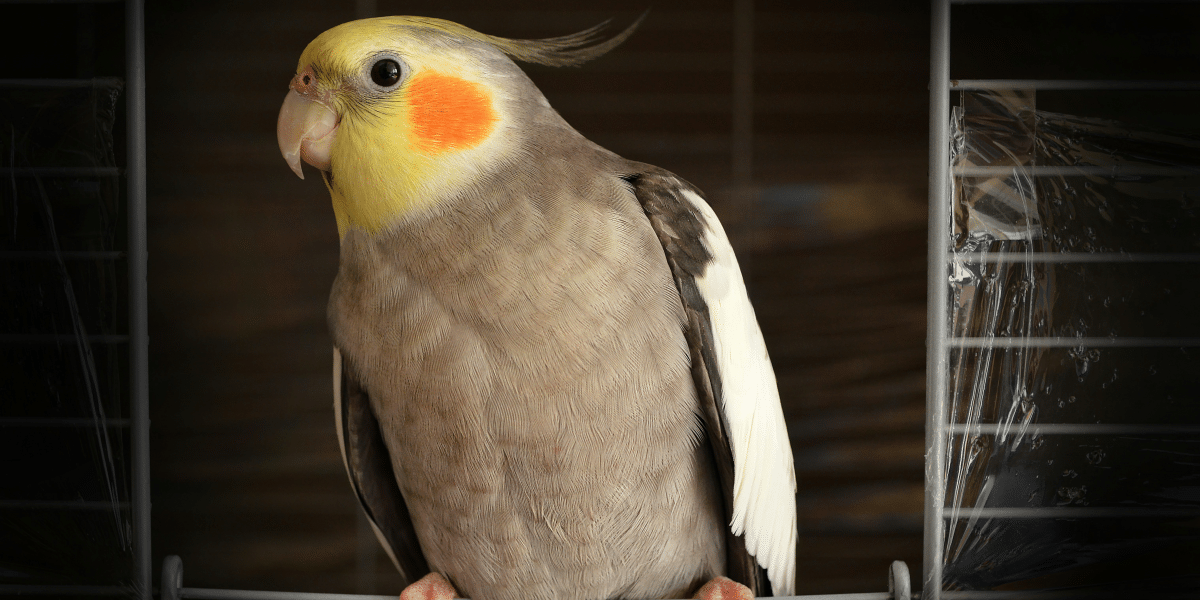
Understanding the Nutritional Needs of Pet Cockatiels

Cockatiels are charming, social birds that make wonderful pets, but their well-being hinges on a well-rounded and nutritious diet. Like humans, these feathered companions thrive on a balanced diet tailored to their specific needs. Ensuring your cockatiel receives the right nutrients not only promotes longevity but also enhances its overall happiness and activity levels.

The Core Diet: Pellets, Seeds, and Fresh Foods

The foundation of a cockatiel’s diet typically consists of high-quality pellets and seeds, both of which provide essential nutrients. Pellets are a balanced option to deliver the vitamins and minerals necessary for your bird’s health. Conversely, seeds should be offered in moderation as they are high in fat. Mixing both ensures variety and prevents boredom in your bird’s meals.

Fresh fruits and vegetables are equally crucial for a cockatiel’s diet. Best Human Food for Cockatiels, such as apples, berries, carrots, and leafy greens, provide natural vitamins and fiber. While fresh pellets and seeds are essential for their diet, some of the best human food for cockatiels includes fruits like apples and veggies like carrots, which add variety and nutrition. Always wash produce thoroughly and avoid harmful foods like avocado, chocolate, and caffeine, which can be toxic to birds.

Hydration and Treats: Supporting a Balanced Lifestyle

Clean, fresh water is an absolute must for your cockatiel. Their water dish should be cleaned daily to prevent the growth of bacteria. Hydration is particularly vital if you include dry seeds in their diet, as these can dehydrate.

Healthy treats, like unsalted nuts or small amounts of cooked grains like quinoa, can be given occasionally. Treats should make up at most 10% of your cockatiel’s overall diet to ensure its primary meals remain balanced. Be cautious about sugary or fatty snacks, which can lead to weight gain and health issues.

Providing foraging opportunities can also enhance your cockatiel’s relationship with food. Introducing foraging toys filled with treats or small amounts of seeds encourages natural behaviors and mental stimulation. This approach promotes physical activity and prevents boredom, which can lead to stress or unhealthy habits.

Feeding Routines and Observing Health

Establishing a consistent feeding routine helps your cockatiel stay healthy and stress-free. Most birds prefer to eat in the morning and evening, so provide their main meals during these times. Keep an eye on their eating habits—if they suddenly stop eating or show signs of lethargy, it could indicate a health issue requiring veterinary attention.

Seasonal changes can also impact your cockatiel’s dietary needs. For instance, they require increased protein to support feather regrowth during molting periods. Providing protein-rich options, such as cooked eggs or legumes in moderation, can make a noticeable difference in their health and energy levels.

Regularly check your cockatiel’s weight and feather condition to gauge their health. A proper diet contributes to vibrant plumage, intense energy, and a happy disposition. By staying attentive to their needs and including a mix of pellets, seeds, and fresh produce, you can ensure your cockatiel thrives for years.

Cockatiels rely on their caregivers to make the right dietary choices. Offering them variety, love, and care ensures they lead a healthy and fulfilling life.


Published by: Annie P.

The Role of Positive Reinforcement in ABA: Building Behavioral Changes

In the vibrant landscape of behavioral therapy, BCBA Therapy in San Francisco has emerged as a beacon of hope for families seeking comprehensive support for children with developmental challenges. Applied Behavior Analysis (ABA) stands at the forefront of this transformative approach, with positive reinforcement serving as its cornerstone methodology for creating meaningful and sustainable behavioral changes.

Understanding Positive Reinforcement

Positive reinforcement is a powerful psychological strategy that encourages desired behaviors by providing immediate, meaningful rewards. Unlike punishment-based approaches, this method focuses on celebrating and strengthening positive actions, creating a supportive and motivational environment for children.

Key Principles of Positive Reinforcement

  1. Immediate Recognition Rewards are most effective when delivered immediately after the desired behavior, creating a clear connection between the action and the positive outcome.
  2. Individualized Approach: Each child has unique motivators. Successful positive reinforcement requires understanding individual preferences and tailoring rewards accordingly.
  3. Consistency is Crucial. Regular and predictable reinforcement helps children develop and maintain new skills more effectively.

Practical Applications in ABA Therapy

Skill Development

Positive reinforcement proves particularly effective in teaching:

  • Communication skills
  • Social interaction
  • Academic abilities
  • Self-care routines
  • Emotional regulation

Behavioral Transformation Strategies

1. Token Economy Systems

Structured reward systems where children earn tokens for desired behaviors, which can be exchanged for preferred activities or items. This approach:

  • Provides clear expectations
  • Creates visible progress
  • Motivates continued positive behavior

2. Verbal Praise and Acknowledgment

Simple, genuine recognition can be incredibly powerful. Specific, descriptive praise helps children understand exactly what behavior is being celebrated.

3. Preferred Activity Rewards

Using a child’s favorite activities or items as reinforcement can significantly increase motivation and engagement.

Neurological Impact of Positive Reinforcement

Positive reinforcement does more than modify behavior—it fundamentally impacts brain development. When children receive positive feedback, their brain releases dopamine, creating:

  • Increased motivation
  • Enhanced learning capacity
  • Improved emotional regulation
  • Stronger neural connections

Addressing Common Misconceptions

Myth: Positive Reinforcement is Bribery

Reality: Unlike bribes, positive reinforcement is a structured, therapeutic approach that teaches intrinsic motivation and self-regulation.

Myth: Rewards Diminish Intrinsic Motivation

Reality: When implemented correctly, positive reinforcement actually enhances internal motivation by creating positive associations with learning and growth.

Challenges and Considerations

Individualization is Key

What works for one child may not work for another. ABA therapists must:

  • Conduct thorough assessments
  • Develop personalized strategies
  • Continuously adapt approaches

Gradual Reward Reduction

The ultimate goal is to help children internalize positive behaviors, gradually reducing external rewards as intrinsic motivation develops.

San Francisco’s Unique Approach

The San Francisco area has distinguished itself through:

  • Cutting-edge ABA methodologies
  • Highly specialized BCBA professionals
  • Comprehensive, holistic treatment approaches
  • Strong community support networks

Parental and Caregiver Involvement

Successful positive reinforcement extends beyond therapy sessions. Parents and caregivers play a crucial role by:

  • Maintaining consistent strategies
  • Understanding reinforcement principles
  • Creating supportive home environments
  • Collaborating closely with therapists

Long-Term Benefits

Positive reinforcement in ABA therapy offers profound impacts:

  • Improved social skills
  • Enhanced communication abilities
  • Better emotional regulation
  • Increased independence
  • Higher self-esteem

Future Directions

Emerging research continues to refine our understanding of positive reinforcement, with promising developments in:

  • Neurological mapping
  • Personalized intervention strategies
  • Technology-assisted behavioral tracking

Conclusion

Positive reinforcement is more than a therapeutic technique—it’s a compassionate approach to supporting children’s growth and potential. By focusing on strengths, celebrating progress, and creating supportive environments, ABA therapy helps children develop the skills and confidence needed to thrive.

Medical Disclaimer: This content is for informational purposes only and is not intended as medical advice, nor does it replace professional medical expertise or treatment. If you have any health concerns or questions, always consult a physician or other healthcare professional.

Published by: Annie P.