
The Power of Self-Belief: Andrew Imbesi’s Success Path

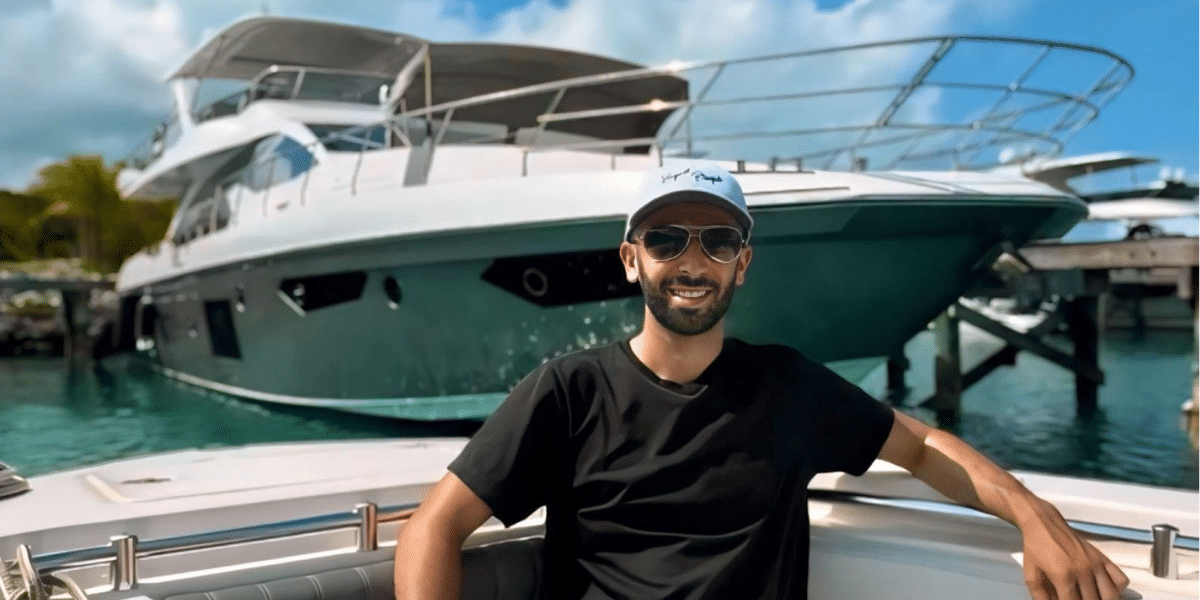
By: Joshua Finley
For Andrew Imbesi, success didn’t come from having significant financial backing but from betting on himself. His journey from a struggling delivery driver to a business leader was fueled by a powerful mindset emphasizing self-investment and perseverance. This article explores how Andrew’s mindset was crucial to his success and why betting on yourself can be your most valuable investment.
The Power of Self-Belief and Perseverance
Andrew’s story is a testament to the power of self-belief. Despite having limited financial resources and no formal business background, he believed in his ability to learn, adapt, and grow. From the beginning, Andrew knew the path to success wouldn’t be difficult, especially without a financial safety net. But he understood that he could compensate for what he lacked in money with determination and self-confidence.
Andrew often shares how he made his first significant financial leap: by investing in a mentorship program at a time when his financial resources were extremely limited. He took a risk many others would shy away from, betting on his ability to learn and apply what he learned to achieve financial freedom. This bold move underscores a crucial principle: success begins with the willingness to believe in yourself.
But self-belief alone wasn’t enough. Andrew also faced countless challenges, from financial setbacks to moments of self-doubt. These obstacles could have easily derailed his efforts, but Andrew viewed failure not as an endpoint but as a learning opportunity. “Your ability to spend, make, and have money is all backed by your confidence,” he often says, reflecting his belief that mindset is the foundation for all success.
Perseverance was crucial for Andrew’s journey. He encountered many setbacks, including times when success seemed out of reach. However, Andrew used these experiences instead of giving up to fuel his drive. He learned to see challenges not as insurmountable barriers but as stepping stones that eventually lead him to his desired destination. This mindset of resilience and perseverance became the foundation upon which he built his success.
Investing in Personal Growth
A cornerstone of Andrew’s success was his unwavering commitment to personal growth. He recognized early on that succeeding in business required continually developing his skills and knowledge. Andrew didn’t just rely on trial and error; he proactively sought mentorships, courses, and self-study opportunities to accelerate his learning curve.
He understood that “money is an idea backed by confidence,” meaning that his ability to generate wealth would depend on his confidence in himself and his ideas. To cultivate this confidence, he invested heavily in personal development. This included everything from mastering the latest marketing techniques to understanding the complexities of business finance. Andrew prioritized investing in his education, knowing that the business landscape is constantly evolving and that staying ahead requires constant learning and adaptation.
Andrew’s investment in personal growth went beyond acquiring business skills. He realized that mindset and emotional intelligence were just as critical as technical abilities. To this end, he sought mentors who could help him develop a growth-oriented mindset and teach him how to navigate the psychological challenges of entrepreneurship. By focusing on his mental and emotional well-being, Andrew maintained the clarity and focus needed to drive his business forward, even in adversity.
This commitment to self-improvement also paid off in unexpected ways. It strengthened his self-worth and confidence, empowering him to take risks and seize opportunities others might find too daunting. This self-assurance became one of his valuable assets, allowing him to repeatedly bet on himself, knowing he had the skills, knowledge, and mindset to succeed. Andrew often says, “Your bank account will never exceed the amount of personal development you put into yourself,” underscoring his belief that personal growth is the ultimate investment.
Conclusion: Believe on Yourself and Reap the Rewards
Andrew Imbesi’s journey shows that success is not about how much money you start with but about your willingness to bet on yourself. You can achieve your goals and create a successful future by believing in your potential, persevering through challenges, and investing in personal growth. Andrew’s story is a powerful reminder that the most important investment you can make is in yourself.
If you’re ready to bet on yourself, start by investing in your personal development and embracing the mindset that success is within your reach. Remember, your confidence and growth will dictate your personal and professional success. As Andrew exemplifies, believing in yourself is one of the reliable investments you can make.
Published by: Josh Tatunay


