From Struggle to Strength: Finding Power After Bullying

By: Overnight Publicity

Life often tests our spirit in unexpected ways, and for Allicia Flemons, that test came in the form of relentless bullying. Her experiences left invisible scars that shaped her life in profound ways. Yet, through her struggles, Allicia discovered an opportunity for personal growth and transformation that would ultimately lead her to become an advocate for others facing similar challenges.

Allicia’s journey began in high school, where a single misunderstanding on a school bus spiraled into a web of rumors that would follow her for years to come. The situation was further complicated by Allicia’s autism, which made it difficult for her to navigate the complex social dynamics at play. As the rumors spread from high school to college, Allicia found herself increasingly isolated and vulnerable to further harassment.

The pain of these experiences was immense. Allicia faced public humiliation, verbal attacks, and even physical threats. The constant stress took a toll on her mental health, affecting her self-esteem and academic performance. Many in her situation might have given up, but Allicia chose a different path.

Drawing strength from her faith and an unwavering determination to succeed, Allicia refused to let the actions of others define her life. She focused on her passion for helping others, particularly children with special needs. This drive led her to pursue a career as a school psychologist, specializing in autism and child find evaluations.

Today, Allicia Flemons is not just a survivor of bullying; she’s a beacon of hope for others. As a school psychologist, she employs a holistic approach to supporting her students’ well-being. Her training in various therapeutic techniques, including mindfulness, cognitive behavioral therapy, and trauma-focused interventions, allows her to provide comprehensive care to those in need.

Allicia’s work extends beyond the classroom. She’s become an advocate for mental health awareness in minority communities, recognizing the unique challenges faced by underserved populations. Her personal experiences with bullying have given her a deep empathy for those struggling with similar issues, driving her to create safe spaces where healing can occur.

Outside of her professional life, Allicia finds joy in volunteering, crafting, and spending time with her family. These activities not only provide balance to her life but also serve as a reminder of the beauty and kindness that exist in the world.

Allicia’s story is a powerful testament to the human spirit’s capacity for resilience. She’s transformed her pain into a force for good, using her experiences to connect with and support others who are still finding their way through the darkness of bullying and social isolation.

For those currently facing bullying or its aftermath, Allicia’s journey offers hope. It reminds us that while the scars of bullying may linger, they need not define us. Instead, they can serve as reminders of our strength and the potential for growth that lies within each challenge we face.

Allicia Flemons’ story continues to evolve as she works tirelessly to create a world where everyone can thrive, regardless of their differences or past experiences. Her message is clear: awareness is the first step toward change, and with support, understanding, and determination, it’s possible to move from victim to victor.

As Allicia continues to develop her online presence and share her story more widely, she hopes to reach even more individuals who may be struggling. Her future plans include creating a website and establishing a stronger social media presence to further her advocacy work and provide resources for those in need.

Through her work and personal journey, Allicia Flemons embodies the idea that bullying may know no bounds, but neither does human resilience. Her story serves as both a comfort and a call to action for all who have faced adversity, reminding us of the power we hold to transform our deepest wounds into our greatest strengths.

For more about Allicia Flemons’ advocacy or to seek guidance on dealing with similar issues, you can visit her interview on Concho Valley News. This platform is dedicated to sharing stories that inspire change and offer support to those in need.


Published By: Aize Perez

How To Prepare Your San Francisco Home for the Market

By: Chuck Jones

Selling your home in the Bay Area can be a golden opportunity to maximize your property’s value. With its thriving tech industry and desirable lifestyle, the region consistently ranks among the competitive real estate markets in the country. However, to get the premier price for your property, you need to put in some work. This guide will walk you through the essential steps to prepare your site and secure the highest possible sales price in the Bay Area.

Boost Your Curb Appeal

First impressions matter, especially in real estate. The exterior of your home is the first thing potential buyers will see, so it’s crucial to make it count. Start by giving your home’s facade a fresh coat of paint in a neutral, appealing color. Trim overgrown bushes, mow the lawn, and add some colorful flowers to create an inviting atmosphere. Consider power washing your driveway and walkways to remove any dirt or stains. If your home has a porch or patio, stage it with comfortable furniture to help buyers envision themselves relaxing in the space.

Mamta Saini, Founder, We Buy Houses in SF Bay Area, shares her insights on the importance of curb appeal: “I’ve seen firsthand how a well-maintained exterior can significantly impact a buyer’s perception. In my experience, homes with strong curb appeal often sell for 5-10% more than similar properties with less attractive exteriors. I always advise our clients to invest in landscaping and exterior touch-ups. It’s not just about making the property look good in photos; it’s about creating an emotional connection from the moment a potential buyer arrives.”

Declutter and Depersonalize

Once you’ve nailed the exterior, it’s time to focus on the inside of your home. The goal is to create a clean, spacious environment that allows potential buyers to imagine themselves living in the space. Start by decluttering every room, removing excess furniture, and storing personal items like family photos and mementos. This process not only makes your home appear larger but also helps potential buyers focus on the property’s features rather than your personal belongings.

Consider renting a storage unit to temporarily house items you don’t need daily. This can be especially helpful if you have a lot of furniture or if you’re planning to downsize after selling. Pay special attention to closets and storage areas, as buyers will likely inspect these spaces to assess the home’s storage capacity. Organize these areas neatly to showcase their full potential.

Make Necessary Repairs and Upgrades

Before listing your property, it’s essential to address any obvious repairs or maintenance issues. Fix leaky faucets, replace burnt-out light bulbs, and patch any holes or cracks in the walls. These small details can make a big difference in a buyer’s perception of your home’s overall condition.

Consider making strategic upgrades that can add value to your property. In the Bay Area, energy-efficient features are particularly attractive to buyers. Installing solar panels, upgrading to energy-efficient appliances, or adding smart home technology can set your property apart from the competition.

Mamta Saini offers her perspective on prioritizing upgrades: “In the Bay Area market, I’ve noticed that certain upgrades yield a higher return on investment than others. Energy-efficient features are always a hit, but don’t underestimate the power of a well-designed kitchen or bathroom. I recently worked with a client who invested $30,000 in a kitchen remodel and saw a $100,000 increase in their home’s value. It’s all about making smart choices that align with buyer preferences in our unique market.”

Stage Your Home for Success

Professional home staging can be a game-changer when it comes to selling your property for a high price. Staged homes typically sell faster and for higher prices than non-staged properties. If your budget allows, consider hiring a professional stager who understands the Bay Area market and can highlight your home’s premier features.

If professional staging isn’t an option, you can still make a significant impact by following some basic principles. Use neutral colors for walls and decor to appeal to a broad range of buyers. Arrange furniture to create a sense of flow and maximize space. Pay attention to lighting, using a mix of ambient, task, and accent lighting to create a warm and inviting atmosphere.

Don’t forget about the importance of professional photography. In today’s digital age, buyers start their home search online. High-quality photos can make your listing stand out and attract more potential buyers to view your property in person.

Mamta Saini emphasizes the importance of presentation: “The way a home is presented can make or break a sale. I’ve seen countless examples where professional staging and photography have led to bidding wars and sales prices well above asking. In one recent case, we helped a client stage their modest San Jose home, and it sold for $200,000 over the initial listing price. It’s not just about making the space look good; it’s about helping buyers emotionally connect with the property.”

By following these steps and paying attention to the details, you can significantly increase your chances of securing the highest possible sales price for your Bay Area property. Remember, in this competitive market, every advantage counts. With careful preparation and strategic improvements, you can position your home to stand out from the competition and attract serious buyers willing to pay high price for their dream home in one of the desirable regions in the country.

Published by: Martin De Juan

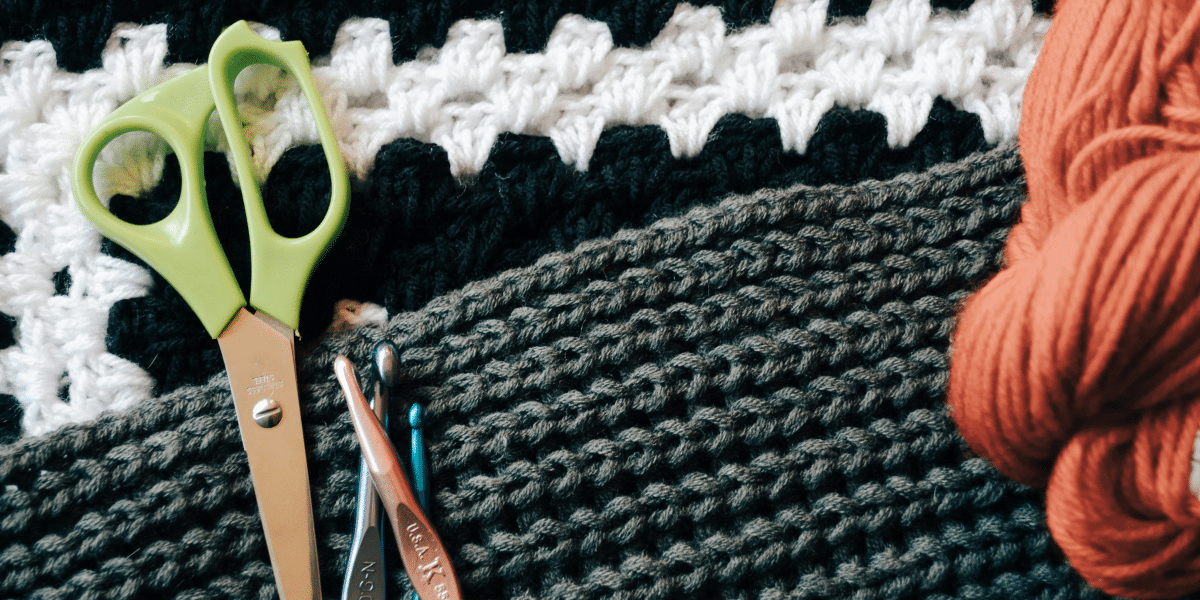
Endless Creative Potential: The Art of Crocheting

By: John Glover (MBA)

Are you looking to try something new this fall? As the weather cools down and people spend more time indoors, it’s the perfect time to try out a new hobby. You can fill your free time with creativity and test your ability to learn new things, and you get a reward in return. There are so many things you can try, but perhaps it’s time to consider crocheting as part of your weekly routine. It might seem like a complex task to complete, but no matter your skill level, you can be successful. 

Did you know that millions of Americans know how to crochet? If they can do it, so can you. Being scared of trying something new because it sounds hard is no reason to give up before you start. There is no pressure when it comes to crocheting, in fact it can even be a stress reliever. 

“The great thing about crocheting is that you get out of it, what you put into it. Some people crochet just for fun, or to practice self care, or even to sell their masterpieces in a small business. The more effort you put in to test your skills and try new things, the more opportunities are out there for you to create. There is nothing universal about crafting and that’s what makes it so unique for everybody,” says Corey Pearson, Chief Quilt Artist and Brand Ambassador at Linda’s.

You have nothing to lose, and you could stitch another part of yourself together that you didn’t even know existed. Following these three easy steps can help you feel confident enough to get started. 

Tip #1: Learn Basic Stitches

Practicing and mastering the basic stitches is the first step to begin crocheting. You don’t have to have advanced skills in the book on your first try. Taking those baby steps will help set you in the right direction. 

Single crochet stitch, slip stitch and chain stitch are common, and can help you get acquainted with the feel of the craft. Crocheting can be difficult so start easy and then work your way up. One of the biggest parts of crocheting is getting comfortable with the materials and the rhythm of the craft, and the ideal way to find yours is to start with the basics. Once you become the master you can work your way up. 

Tip #2: Keep Tension Consistent

When crocheting, it’s important to keep the same level of tension throughout each stitch. You might be wondering how you can even tell that your tension is not consistent, but you will see the difference. If you switch it up things can look messy and not put together. 

Many people think they need to pull hard when crocheting, because it will help keep their project from falling apart, but actually keeping the stitch relaxed and comfortable is the ideal way to see some uniformity throughout your project. Stitches should move smoothly throughout one another, not so tight that there is no wiggle room. 

Tip #3: Read Instructions Thoroughly

Perhaps an important tip is to really read and understand your patterns. A lot of directions have symbols for different stitches, so maybe look up and memorize what each symbol means before you begin, so you know what direction to take. When you feel comfortable reading the directions, you will have a good starting place. Crocheting is like a new language, you might have to study it a little bit to be well-versed, but it’s an important step to starting a new project. 

Once you master all three of these steps, the opportunities are endless. One of the great things about crocheting is that there is no limit to what you can create. It’s a space where you can be your true self, and let your creativity shine. There is always room for growth and that’s what makes crocheting such a productive hobby. 

“With crocheting specifically, people have gotten really creative and are breaking the barriers of the crafting world. People are crocheting coasters, bags, sweaters, blankets and even stuffed animals. They can follow patterns or try something completely new, and that’s the great thing about it. People can express their true selves through crocheting. Whatever you set your mind to, crocheting is there to bring it to life,” says Pearson. 

Crocheting is something you can start now. As the fall season comes around the corner, doing some research and becoming a knowledgeable expert on all things crochet can set you up for success. Where will your creativity take you? 

Published by: Nelly Chavez