The Importance of Lifelong Learning in Surgery

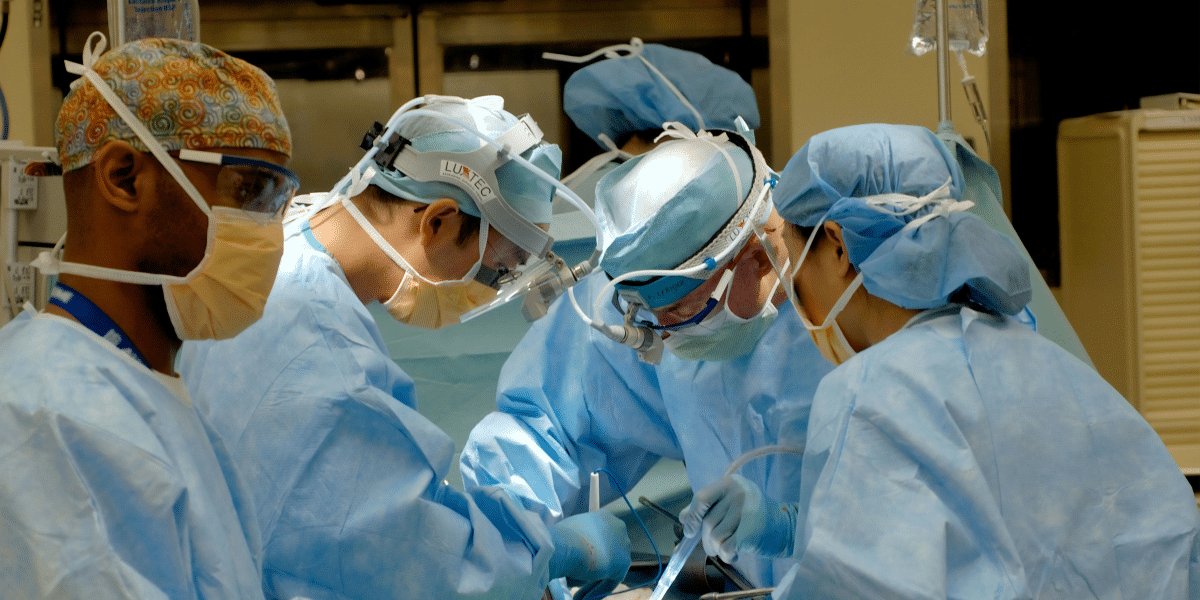
Surgery is a field that demands continual growth and adaptation. As medical knowledge evolves and technologies advance, surgeons like John J. Cascone, MD, must commit to lifelong learning to provide the best possible care for their patients. Lifelong learning in surgery encompasses a variety of activities, including staying current with the latest research, participating in professional development opportunities, and actively seeking out new skills and techniques. This article explores why lifelong learning is crucial in surgery and how it benefits both surgeons and their patients.
Staying Current with Advancing Medical Knowledge
One of the primary reasons lifelong learning is essential in surgery is the rapid advancement of medical knowledge. New research is constantly being published, leading to changes in best practices and treatment guidelines. Surgeons must stay up-to-date with these developments to ensure they are providing the most effective and evidence-based care to their patients.
For example, the field of oncology is continually evolving, with new discoveries in cancer biology and treatment options emerging regularly. Surgeons who are committed to lifelong learning are better equipped to incorporate these advancements into their practice, offering their patients the most advanced and effective treatments available.
Enhancing Surgical Skills and Techniques
In addition to staying current with medical knowledge, lifelong learning also allows surgeons to enhance their surgical skills and techniques. New technologies and surgical approaches are constantly being developed, offering opportunities for surgeons to improve their outcomes and patient satisfaction.
For instance, the introduction of minimally invasive surgical techniques has revolutionized many procedures, leading to shorter recovery times and reduced postoperative complications. Surgeons who are committed to lifelong learning can acquire these new skills and techniques, benefiting both themselves and their patients.
Adapting to Changing Healthcare Systems
The healthcare landscape is continually evolving, with changes in regulations, reimbursement models, and patient expectations. Surgeons who engage in lifelong learning are better prepared to adapt to these changes and navigate the complexities of modern healthcare systems.
For example, the rise of telemedicine has changed how healthcare is delivered, requiring surgeons to learn new ways of interacting with patients and providing care remotely. Lifelong learning allows surgeons to stay ahead of these trends and continue to provide high-quality care in an evolving healthcare environment.
Improving Patient Outcomes and Safety
Ultimately, the goal of lifelong learning in surgery is to improve patient outcomes and safety. Surgeons who are committed to ongoing education and skill development are better equipped to provide safe, effective, and evidence-based care to their patients.
For example, a surgeon who regularly participates in continuing education courses on surgical safety practices is more likely to identify and mitigate potential risks during surgery, leading to better outcomes for their patients. Lifelong learning also fosters a culture of continuous improvement within surgical teams, leading to better communication, collaboration, and patient care.
Embracing a Culture of Collaboration and Innovation
Lifelong learning in surgery also fosters a culture of collaboration and innovation within the medical community. Surgeons who are committed to ongoing education are more likely to collaborate with colleagues, share knowledge, and participate in multidisciplinary teams. This collaboration leads to the exchange of ideas and best practices, ultimately benefiting patient care.
Furthermore, lifelong learning encourages surgeons to innovate and seek out new solutions to challenging clinical problems. By staying curious and open to new ideas, surgeons can develop innovative approaches to surgery that improve outcomes and patient experiences. This culture of innovation not only benefits individual patients but also contributes to the advancement of the field as a whole.
Personal and Professional Growth
Beyond the tangible benefits to patient care, lifelong learning in surgery also contributes to personal and professional growth. Surgeons who engage in ongoing education often report greater job satisfaction, as they are continually challenged and stimulated by new learning opportunities. This personal fulfillment can lead to improved mental health and overall well-being.
Additionally, lifelong learning can enhance professional reputation and career advancement. Surgeons who are recognized for their commitment to ongoing education and skill development are more likely to be sought after for leadership roles, research opportunities, and speaking engagements. By investing in lifelong learning, surgeons not only improve patient care but also enrich their own professional lives.
Final Thoughts
Lifelong learning is essential in surgery for staying current with advancing medical knowledge, enhancing surgical skills and techniques, adapting to changing healthcare systems, and improving patient outcomes and safety. Surgeons like John J. Cascone, MD, who commit to lifelong learning are better equipped to provide high-quality care to their patients and navigate the complexities of modern healthcare. By embracing lifelong learning, surgeons can continue to grow and evolve throughout their careers, ensuring they remain at the forefront of surgical excellence.
Published by: Martin De Juan