The Dos and Don’ts of Purchasing Travel Insurance

Travel insurance is like a shield protecting against unforeseeable things during your trip. A policy may cover everything from flight cancellations to medical emergencies and ensure your financial situation in any emergency. No travel insurance policies are identical; therefore, to receive the coverage you require, it is critical to know the dos and don’ts of travel insurance.

Don’t Skip Reading All the Information

It would help if you had a travel insurer to assume that you will be protected for everything incidental. These policies may have limits and exceptions, so you should read the minor types to learn what the policy covers and does not cover.

Do Compare Policies

Not all travel insurance offers the same coverage and benefits. Comparing policies across providers is critical as you select the package that best serves your insights. Coverage limits, exclusions, and costs are also necessary when deciding.

Don’t Miss a Deadline

If you leave your travel insurance deal until the last minute, you risk not being protected if an emergency occurs before your trip. One of the main precautions is to acquire insurance immediately after making the reservation; this way, you can be assured coverage immediately.

Do Check the Coverage Limits

Ensure the travel insurance policy you want comes with minimum medical expenses, trip cancellation, lost luggage coverage, and other problems that may be encountered. Recognizing covered and non-covered conditions is essential to prevent unpleasant, unexpected situations in the future.

Don’t Forget to Check Other Coverage

Before purchasing travel insurance, ensure you are covered under your existing credit card, health insurance, or other coverage plans. You may have some protection that is also included in the travel insurance conditions.

Do Purchase Early

Pre-purchasing the policy can cover unexpected situations like illness or emergency at home until your travel time. Some specific policies have extra advantages if you acquire them earlier.

Don’t Omit Pre-Existing Medical Illnesses

Remember to state pre-existing medical conditions when purchasing travel insurance. If you do not reveal this situation, it may be impossible to claim medical treatment if you need it during your travels.

Do Consider Add-Ons

For your travel plan, picking up optional coverage, including adventure sports coverage, rental car coverage, or coverage for a pre-existing medical condition, may be necessary. Examine your needs and include more of the cover you may require.

Don’t Go to an Area Outside of Coverage

Some travel insurance plans can limit coverage based on the country you are going to and the activities you plan to engage in while you are on the trip. Ensure that the policy you book covers your plans, including the destinations and activities you plan to engage in.

To sum it up, travel insurance will provide you with peace of mind and a satisfactory travel experience, which you have paid for. By keeping these do’s and don’ts in mind, you will make an educated choice about getting the right insurance coverage that meets your needs. Remember to compare policies, scrutinize terms, and acquire travel insurance early to eliminate the challenges that may arise.


Published by: Khy Talara

Benefits of Investing in a Franchise Over Starting a Business

When it comes to starting a new business, you can either become an entrepreneur or a franchisee. Franchising has many benefits over building a new business from the ground up, especially if you want to grow fast even with limited business experience. While you’ll still need to learn the ropes of managing your franchise, consider these four benefits of franchising over starting a business from scratch.

Corporate Support

Franchise owners join a community when they open their location. This means they receive corporate support through training, marketing materials, operational guidance, and administrative support. Some franchisors even help franchisees secure business loans through grants to grow their location.

If you decide to expand, there are often incentives and bonuses for successful franchisees who want to open another location. Becoming a successful entrepreneur doesn’t always have to require going it alone. Instead, you can consider opening multiple franchises, hiring talented managers, and taking a CEO approach that gives you more passive income, a flexible schedule, and the chance to grow your wealth strategically.

Brand Equity

Brand equity is the commercial value behind a name. It’s what makes customers choose locations like McDonald’s, Dunkin’ Donuts, and Starbucks anywhere they see one simply because they have come to value the company behind the name.

Business owners who go the entrepreneurial route have to build their equity from the ground up, which is especially challenging if your competitors already have a large market share.

When it comes to franchise brand equity, you can expect customers to already know what they want when they walk through the door. Furthermore, the established brand standards make it easier for you to provide the level of service and quality customers have come to associate with your brand.

Franchising allows you to inherit the equity of your brand to drive traffic and revenue right off the bat.

Lower Cost of Entry

It may seem like franchising is extremely expensive, but the all-inclusive packages most franchisees receive are far more affordable in the long term than opening a business on your own. While you will still have many out-of-pocket costs to cover, it is often easier to get financing and funding assistance with a franchise than by yourself.

The overall lower cost of entry also means franchisees can typically begin earning a high income much faster. It typically takes one to two years for a franchise to break even. There are several factors that will influence your cash flows, including location, the franchise’s popularity in your area, the type of industry you’re in, and your initial investment amount.

Market Demand

Successful franchises are strategic about where they open and operate. This means that you will be able to open a location that has demonstrated interest. Rather than having to assess the market alone and hope for the best, franchisees get direct support from corporations to ensure their location is successful.

Coupled with brand equity, existing market demand in your industry can help your franchise thrive within its first year or two.


Published by: Khy Talara


Vital Factors to Research When Starting to Shop for a New Car

Car shopping is a big decision. Yet many people choose a car by appearance or a salesman’s recommendation, a regret you could avoid by knowing your needs and doing your vehicle research beforehand. With this knowledge, it’s less likely that you’ll freeze or agree to an impractical car or high price. You can even negotiate for a fairer price when you have the following information.

Your Needs

The vehicle you purchase should meet your practical needs. So a sports car is likely a bad choice if you have a family. It lacks room for passengers and cargo, and you’ll break your back when dealing with car seats in the back seat. On the other hand, singletons might be just fine with a smaller vehicle.

Many people also convince themselves they need a pickup when a more fuel-efficient sedan and occasionally renting a trailer would be a better fit. Be realistic about your needs to avoid an expensive regret later on. If you often navigate street parking, tight spaces, or winter weather, your purchase should reflect your needs unless you’re okay with a vehicle that only sometimes serves you.

Cost

The cost is far more than the sticker price. Be sure to calculate the final cost based on your monthly payment, which includes fees. The car’s price often seems fine, but sellers can gouge you with extra costs. Make sure the monthly payment and final cost both fit your budget.

A vehicle’s cost also includes insurance, and certain models and even car colors may come with higher insurance premiums. Get some quotes during the shopping process to see what fits into the budget. Finally, the mileage may mean you spend more or less on fuel (or electricity), although low mileage may compare to higher monthly payments or insurance costs.

Maintenance

Maintenance represents another cost, and models with known issues or poor build quality might often need repairs. However, another consideration is whether you can have the car repaired locally and quickly. Some luxury vehicles, for example, only have a few certified mechanics, so you may have to travel, face a long wait list for repairs, or deal with parts that are costly or require special orders.

It may be more practical to look for vehicles with a better reputation and that can be repaired locally. If you already have a trusted mechanic, askfor their advice about reliable vehicles. Consider asking local shops about availability and comfortably working with the models you’re considering before buying.

Resale Value

While this might not apply to everyone, resale value can be an important consideration if you prefer to upgrade periodically. Used car prices currently favor the seller, but that might not always be the case. Don’t assume that you can vend a luxury vehicle for a premium price after a few years without doing your vehicle research. Reliable cars usually have better resale value than those with quality issues, and certain workhorse trucks and practical SUVs always make lists about resale value.

Published by: Nelly Chavez

Crucial Reasons Parents Should Prioritize Teens’ Mental Health

Today, more than in previous ages, the teen years are filled with stresses and uncertainties. Parents often have a difficult time deciding when to intervene in their teenager’s life and when to let them experience life on their own terms. But these are the years when mental health problems can have devastating effects on teens’ self-image and life goals. Here are 7 crucial reasons parents should prioritize teens’ mental health to help them grow into confident, well-functioning adults.

Teen Years Are a Time of Changing Self-Image

Perhaps the most important change a teen experiences is who they are in a relationship to the world. During those short years, they make the transition from family-based personalities to individuals who must fit into the wider world. This alteration can often be confusing and disorienting, and teens often need help processing the experiences they encounter.

Teens Crave Peer Acceptance

The teen years are also a time of finding your place among your peers, developing your personality, engaging in more complex social interactions, and learning how to navigate relationships in a wider sphere of people. Often, their values come into conflict with actions going on around them, and they may experience anxiety and depression as a result.

Family Issues Hit Teens Hard

Problems within the family unit can cause a high degree of stress for teens who are engaged in trying to figure out the parameters of their own lives. Issues like financial problems, abuse, addiction, marital discord, and health problems weigh heavily on teens’ minds, and they often can’t talk about these issues with peers.

Academic Pressure Can Be Overwhelming

Pressure from parents to excel in academic pursuits, in the hope of getting into a good college or getting a scholarship, can lead to enormous tension about what courses to take and what extracurricular activities to participate in, to create a favorable impression on a college application. Academic stress can become unmanageable and can lead to avoidance, acting out, substance use, and other inappropriate behaviors.

Social Media Can Be Disruptive to Development

Social media has created a new dimension in young people’s development as they deal with the rough and tumble world of online communication. They may become the target of bullying or being pressured to be hostile to others in ways they wouldn’t ordinarily do on their own. This can cause conflicting alliances, stress, and difficulty managing emotions.

Poor Eating Habits Can Undermine Health

Teens are known for their bad food choices, and unfortunately, poor eating habits can undermine both physical health and mental well-being. Learning good life habits is an important part of getting ready for more adult goals and challenges.

Inadequate Sleep Can Undermine Mood and Decision-Making

Irregular sleep patterns during the teen years can add to the stress, making it harder to find emotional equilibrium and to make good decisions about friendships, activities, and other choices.

The decision to begin counseling can be an important one. Parents can help by taking the time to listen to their teen’s concerns and by being ready to provide access to professional help when they find their children struggling to manage their viewpoints and their emotions.


Published By: Aize Perez

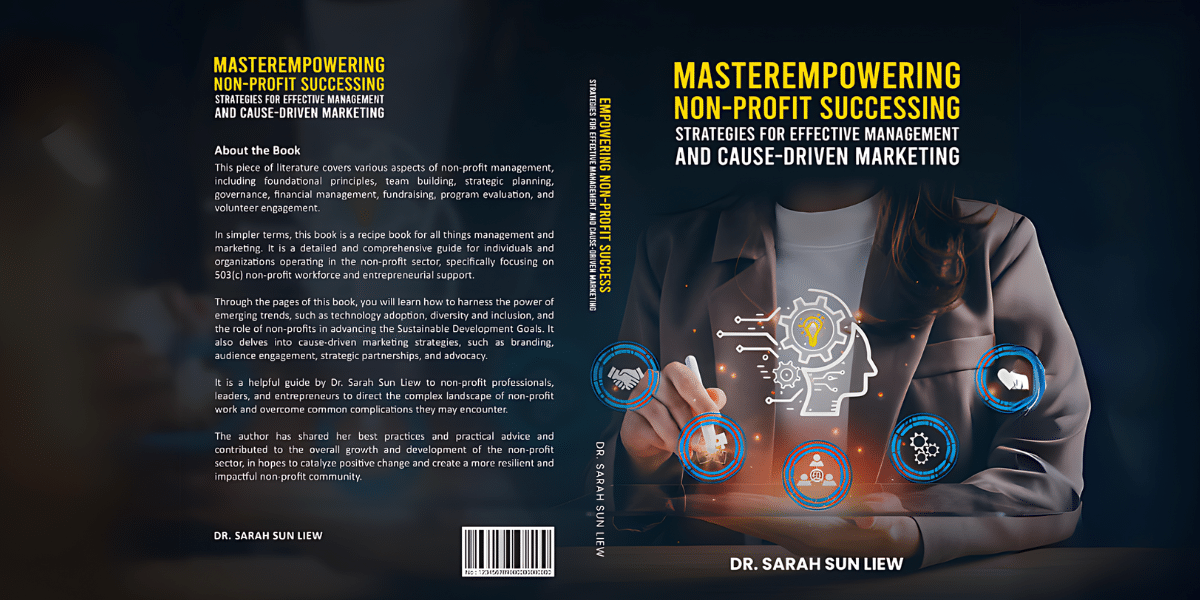
Empowering Ethical Leadership: Dr. Sarah Sun Liew’s Vision for Christian Entrepreneurship

In an era where the intersection of technology, business, and ethical governance poses significant challenges and opportunities, Dr. Sarah Sun Liew stands out as a pioneering force. Through her leadership in the “Empowering Future Christian Leaders and Entrepreneurs” initiative, Dr. Liew is crafting a new cadre of leaders equipped to blend professional excellence with Christian values. This initiative is not just about professional training; it’s about fostering a robust ethical foundation that will guide future leaders through the complexities of modern business environments.

Dr. Sarah Sun Liew’s Comprehensive Background

Empowering Ethical Leadership- Dr. Sarah Sun Liew's Vision for Christian Entrepreneurship

Photo Courtesy: Dr. Sarah Sun Liew

Dr. Sarah Sun Liew’s career spans more than three decades across diverse sectors such as real estate, global banking, and technology. She serves as a senior pastor at Global Jesus Mission Church and holds leadership roles in several non-profits and educational institutions, including the Meridian Institute of Technology. Her academic credentials are impressive, with advanced degrees from prestigious institutions like Harvard Business School, Wharton Business School, and MIT Sloan School of Management.

Her multifaceted experience uniquely positions her to mentor and influence a new generation of Christian leaders and entrepreneurs. Dr. Liew’s commitment is evident in her dual role as a business leader and educator, where she integrates Christian teachings with cutting-edge business and technology education.

Objectives and Goals of Dr. Liew’s Initiative

Empowering Ethical Leadership- Dr. Sarah Sun Liew's Vision for Christian Entrepreneurship

Photo Courtesy: Dr. Sarah Sun Liew

“Empowering Future Christian Leaders and Entrepreneurs” is designed with precise, measurable objectives to ensure it delivers significant outcomes. These goals are not only ambitious but are also aligned with the mission to cultivate leaders who embody professional adeptness and spiritual depth:

  • Leadership Training: Training at least 300 Christian leaders within the first three years, with a target of a 95% completion rate, reflects a commitment to broad and impactful leadership development.
  • Skill Development: The program aims to equip participants with essential business and technological skills, such as strategic planning, financial management, and digital marketing. The goal is an 80% improvement in skill proficiency, assessed through rigorous testing and practical projects.
  • Ethical Standards: Instilling a strong ethical foundation is central to the curriculum. Participants are trained to navigate complex business dilemmas with integrity, using Christian values as their guide. This goal is measured through simulations and self-assessment tools.
  • Mentorship and Community Impact: A robust mentorship program ensures that each participant receives personal guidance from seasoned professionals, enhancing the learning experience and ensuring practical application of skills in real-world settings. Additionally, initiating at least 50 community impact projects allows participants to directly apply their skills and Christian values, fostering tangible societal benefits.

These structured objectives ensure that the initiative not only imparts knowledge but also molds character, preparing leaders to make ethically sound decisions influenced by their faith.

Engaging with Dr. Liew’s Vision

Empowering Ethical Leadership- Dr. Sarah Sun Liew's Vision for Christian Entrepreneurship

Photo Courtesy: Dr. Sarah Sun Liew

For those drawn to Dr. Liew’s vision of integrating Christian values with professional development, several opportunities exist to engage with her initiatives. Prospective students, educators, entrepreneurs, and philanthropists can connect through various platforms to learn more about the programs or contribute to their expansion:

  • Educational Programs and Resources: Information about courses, workshops, and seminars is available at Meridian Institute of Technology and Global Jesus Mission Church. These platforms offer insights into the curriculum and upcoming events.
  • Direct Communication: Dr. Liew welcomes inquiries and collaboration opportunities. She can be reached for further information or support through email at info@meridianwish.com or mgroupbh7@gmail.com. These channels facilitate direct engagement with Dr. Liew and her team, providing avenues for support, partnership, and active participation in the project.

Final Remarks

Dr. Sarah Sun Liew’s initiative, “Empowering Future Christian Leaders and Entrepreneurs,” is not merely an educational program; it is a transformative movement designed to infuse the business world with ethically grounded, spiritually enriched leadership. Through this program, Dr. Liew is not only addressing the immediate needs for skilled business and technology professionals but is also nurturing a generation of leaders equipped to integrate their Christian faith into every decision and action. As these leaders ascend in various sectors, they carry forward the mission to act justly, love mercy, and walk humbly with their God (Micah 6:8), thereby embodying the true essence of Christian leadership in the modern world.

For those eager to learn more about Dr. Liew’s vision or participate actively in shaping future narratives of success can engage directly through various platforms including www.meridianwish.com or www.gjesusmc.org among others where information about ongoing projects and ways to contribute towards positive societal transformations are available extensively. contact via email info@meridianwish.com and mgroupbh7@gmail.com

Published by: Nelly Chavez

Leadership Lessons from Visionary CEOs: Strategies for Driving Innovation and Impact

In the ever-evolving business landscape, visionary CEOs like Ernesto Morales, North Star Alliances, play a crucial role in driving innovation and impact. These leaders possess a unique ability to see beyond the present, envisioning a future that is successful for their organizations and transformative for the industries they operate in. By studying the leadership approaches of visionary CEOs, we can uncover valuable strategies for driving innovation and impact in our organizations.

1. Embrace a Bold Vision

Visionary CEOs are known for their ability to articulate a bold and compelling vision for the future. This vision is a guiding light, inspiring employees and stakeholders to work towards a common goal. By embracing a bold vision, visionary CEOs can rally their teams around a shared purpose, driving innovation and pushing boundaries to achieve their goals.

2. Foster a Culture of Innovation

Innovation is at the heart of driving impact and growth. Visionary CEOs understand the importance of fostering a culture of innovation within their organizations. They encourage creativity and experimentation, creating an environment where new ideas are welcomed and celebrated. By fostering a culture of innovation, visionary CEOs empower their teams to think outside the box and develop groundbreaking solutions to complex problems.

3. Lead with Empathy

Empathy is a key trait of visionary CEOs. They understand that leadership is about making tough decisions and understanding and empathizing with the people they lead. By leading with empathy, visionary CEOs are able to build strong relationships with their teams, fostering trust and collaboration. This, in turn, enables them to drive innovation and impact by harnessing the collective power of their organization.

4. Embrace Failure as a Learning Opportunity

Failure is often seen as a setback, but visionary CEOs view it as a valuable learning opportunity. They understand that innovation comes with risks and that failure is sometimes inevitable. Instead of dwelling on failure, visionary CEOs embrace it as a chance to learn and grow. Visionary CEOs create an environment where innovation can thrive by encouraging a culture that is not afraid to fail.

5. Build Strong Partnerships

Visionary CEOs understand the value of collaboration and partnerships. They actively seek out opportunities to collaborate with other organizations, knowing that they can achieve more than they ever could alone. By building strong partnerships, visionary CEOs are able to leverage the strengths of others, driving innovation and impact on a larger scale.

6. Stay Ahead of the Curve

Visionary CEOs always look toward the future. They stay informed about emerging trends and technologies and are quick to adapt to change. By staying ahead of the curve, visionary CEOs position their organizations as industry leaders, driving innovation and setting new standards for success.

7. Communicate Effectively and Transparently

Visionary CEOs understand the importance of effective communication in driving innovation and impact. They communicate their vision clearly and consistently, ensuring that everyone in the organization understands their direction. Moreover, they are transparent in their communication, sharing both successes and failures openly with their teams. This transparency builds trust and fosters a culture of openness, which is crucial for driving innovation and impact.

8. Lead by Example

Leading by example is a hallmark of visionary CEOs. They embody their values and principles, setting a positive example for their teams to follow. Whether it’s taking calculated risks, embracing change, or demonstrating resilience in the face of adversity, visionary CEOs lead from the front, inspiring their teams to do the same. By leading by example, these CEOs create a culture of excellence and accountability, driving innovation and impact at every level of the organization.

To Summarize

Visionary CEOs like Ernesto Morales, North Star Alliances, are at the forefront of driving innovation and impact in the business world. By embracing a bold vision, fostering a culture of innovation, leading with empathy, embracing failure as a learning opportunity, building strong partnerships, and staying ahead of the curve, these leaders can create lasting change in their organizations and industries. As aspiring leaders, we can learn valuable lessons from these visionary CEOs and apply them to our own leadership journeys, driving innovation and impact in our organizations and beyond.

Published by: Martin De Juan

Get Your Groove On: Exploring San Francisco’s Vibrant Dance Scene

Hey there, dance enthusiasts and rhythm rebels! If you’re itching to bust a move and let loose on the dance floor, then San Francisco is the place to be. With its eclectic mix of dance styles, vibrant nightlife, and passionate community of dancers, the City by the Bay offers something for everyone to enjoy. So, slip on your dancing shoes, grab your friends, and get ready to dive into the vibrant dance scene of San Francisco!

From Salsa to Swing

One of the things that makes San Francisco’s dance scene so special is its incredible diversity of dance styles. Whether you’re into salsa, swing, tango, hip-hop, or contemporary, you’ll find a thriving community of dancers and instructors eager to share their passion and expertise.

For those looking to spice things up with some Latin flair, San Francisco boasts a vibrant salsa scene, with numerous clubs, studios, and socials where you can strut your stuff to the irresistible rhythms of salsa, bachata, and merengue. From beginner-friendly classes to high-energy dance parties, there’s no shortage of opportunities to salsa the night away in San Francisco.

If vintage vibes are more your style, you’ll love the city’s swing dance scene, where you can jitterbug, lindy hop, and Charleston your way through the night at iconic venues like the historic Verdi Club or the lively 9:20 Special. With its infectious energy and welcoming atmosphere, the swing dance community in San Francisco is sure to steal your heart and get your feet tapping.

Read Also: San Francisco Tech Layoffs Ripple Through City’s Economy, Workers Seek New Paths

From Clubs to Studios

But the dance scene in San Francisco isn’t just about clubs and socials—it’s also about the city’s thriving dance studios and performance spaces, where dancers of all levels can hone their skills, express themselves creatively, and connect with fellow enthusiasts.

From world-renowned studios like ODC Dance Commons and City Dance Studios to grassroots collectives and artist-run spaces, San Francisco offers a wealth of opportunities for dancers to learn, grow, and explore their passion for movement. Whether you’re looking to take a drop-in class, enroll in a workshop, or audition for a performance company, you’ll find plenty of options to suit your interests and skill level.

A Community of Passionate Dancers: Finding Your Tribe

One of the things that sets San Francisco’s dance scene apart is its strong sense of community and camaraderie. Whether you’re a seasoned pro or a total newbie, you’ll find a warm welcome and a supportive network of dancers who share your love of movement and expression.

From informal meet-ups and social dances to formal performances and competitions, there are countless opportunities to connect with fellow dancers, make new friends, and build lasting relationships within the San Francisco dance community. Whether you’re dancing for fun, fitness, or personal growth, you’ll find a tribe of like-minded individuals who share your passion and enthusiasm for dance.

Last but not least, it’s essential to recognize the importance of supporting the arts and preserving the rich cultural heritage of dance in San Francisco. From funding arts education programs and supporting local dance organizations to attending performances and events, there are countless ways to contribute to the vibrancy and vitality of the city’s dance scene.

By supporting the arts, we not only enrich our own lives but also ensure that future generations have the opportunity to experience the joy, beauty, and transformative power of dance. So whether you’re taking a class, attending a performance, or simply spreading the word about the incredible dance scene in San Francisco, know that your support makes a difference and helps keep the beat alive for years to come.

Dance the Night Away in San Francisco!

San Francisco’s vibrant dance scene is a testament to the city’s rich cultural heritage, creative spirit, and passion for expression. Whether you’re into salsa, swing, hip-hop, or contemporary, you’ll find a thriving community of dancers and a wealth of opportunities to learn, grow, and connect with others who share your love of dance.

So what are you waiting for? Lace up your dancing shoes, hit the dance floor, and let the rhythm move you as you explore the vibrant dance scene of San Francisco. Trust us—you won’t be able to resist the urge to dance the night away in this dynamic and diverse city!

Reference: How San Francisco Became A City of Dance

Digging into Urban Farming and Community Gardens: Bringing Green Spaces to the Concrete Jungle

Hey there, green thumbs and city dwellers! If you’ve ever dreamed of growing your own fruits and veggies, but don’t have a backyard to work with, fear not—urban farming and community gardens are here to save the day! In this article, we’ll take a closer look at the growing trend of urban farming and community gardens, exploring how they’re transforming cities into greener, more sustainable spaces, and how you can get involved in bringing a little piece of the countryside to the concrete jungle. So roll up your sleeves, grab your gardening gloves, and let’s dig in!

Growing Food in the City: The Rise of Urban Farming

First things first—what exactly is urban farming, and why is it becoming so popular? Well, urban farming is all about growing food in cities, whether it’s in backyards, vacant lots, or even on rooftops. As more and more people move to urban areas, the demand for locally grown, fresh produce has skyrocketed, leading to a resurgence of interest in urban farming as a way to bring food production closer to where people live.

Urban farming comes in many shapes and sizes, from small-scale backyard gardens and community plots to larger-scale operations like rooftop farms and vertical gardens. Regardless of the size, the goal is the same—to provide city dwellers with access to fresh, healthy food while promoting environmental sustainability and community resilience.

Community Gardens: Green Spaces for All

One of the most visible manifestations of urban farming is the community garden—a shared space where residents can come together to grow fruits, vegetables, flowers, and herbs, and connect with nature and each other. Community gardens come in all shapes and sizes, from tiny plots tucked away in neighborhood corners to sprawling garden complexes that span entire city blocks.

Community gardens offer a host of benefits for both individuals and communities. Not only do they provide access to fresh, nutritious food for gardeners and their families, but they also promote physical activity, mental well-being, and social cohesion. By bringing people together around a common goal of gardening and food production, community gardens help foster a sense of belonging and community pride, turning vacant lots and neglected spaces into vibrant green oases.

Transforming Urban Spaces: The Power of Greening

But urban farming and community gardens are about more than just growing food—they’re also about transforming urban spaces and making cities more livable, sustainable, and resilient. By converting vacant lots, rooftops, and other underutilized spaces into green spaces, urban farmers and gardeners are helping to mitigate the effects of climate change, reduce urban heat islands, and improve air and water quality.

Moreover, urban farming and community gardens can play a crucial role in addressing food insecurity and promoting food justice in underserved communities. By providing access to fresh, healthy food in neighborhoods where supermarkets and grocery stores are scarce, urban farms and gardens help ensure that everyone has access to nutritious food, regardless of their income or background.

Getting Involved: How You Can Make a Difference

So, how can you get involved in the exciting world of urban farming and community gardens? Well, the good news is that there are plenty of ways to join the movement and make a difference in your own community. Whether you’re a seasoned gardener or a total novice, there’s a role for everyone to play in growing food, building community, and greening our cities.

One way to get started is by joining a community garden in your area. Many cities have networks of community gardens that welcome new members and offer opportunities for volunteering, learning, and socializing. Whether you’re interested in tending your own plot or helping out with communal tasks like watering, weeding, and composting, there’s always something to do in the garden.

If you don’t have access to a community garden, don’t worry—there are still plenty of ways to get involved in urban farming and gardening. You can start your own garden in your backyard, balcony, or windowsill, or get involved in urban farming initiatives like rooftop gardens, guerrilla gardening, and urban agriculture projects. With a little creativity and ingenuity, the possibilities are endless!

Cultivating a Greener, More Sustainable Future

Urban farming and community gardens are playing an increasingly important role in transforming cities into greener, more sustainable spaces. By bringing food production closer to where people live, urban farmers and gardeners are not only providing access to fresh, healthy food but also promoting environmental sustainability, social cohesion, and community resilience.

So whether you’re a seasoned gardener or a curious newcomer, there’s never been a better time to get involved in urban farming and community gardens. By joining the movement, you can help cultivate a greener, more sustainable future for yourself, your community, and the planet. So grab your shovel, put on your gardening gloves, and let’s get growing!